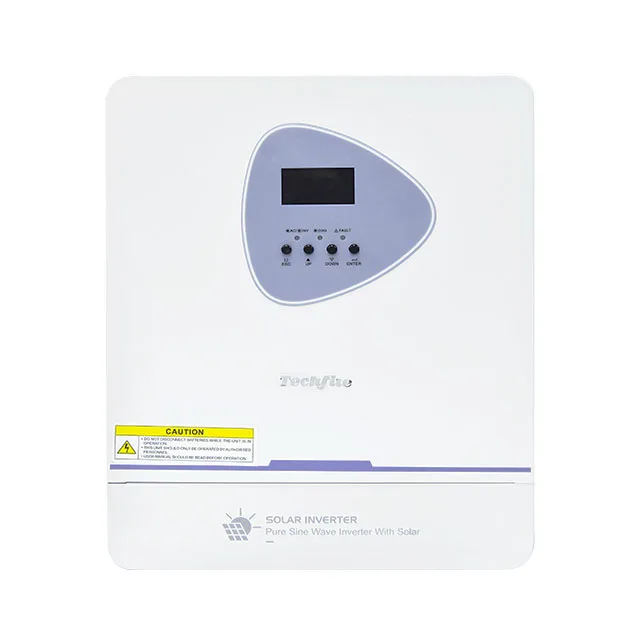
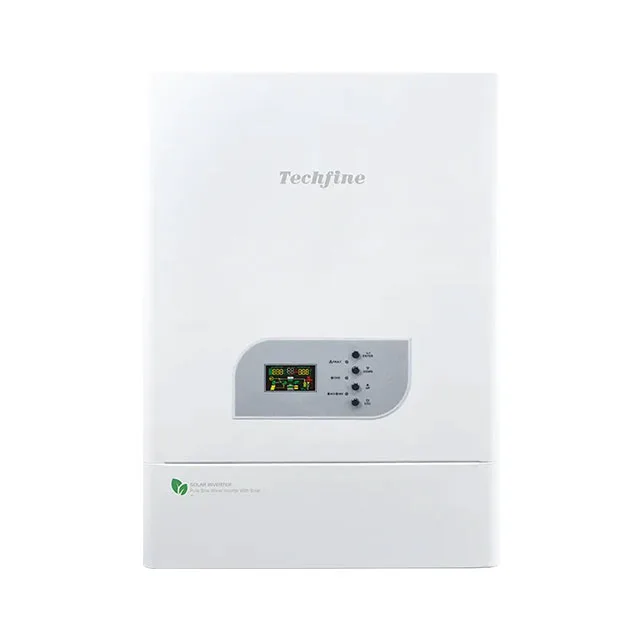
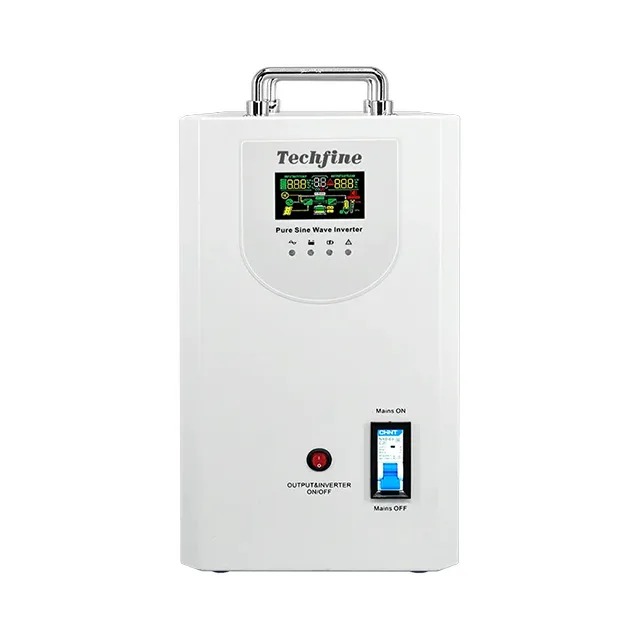
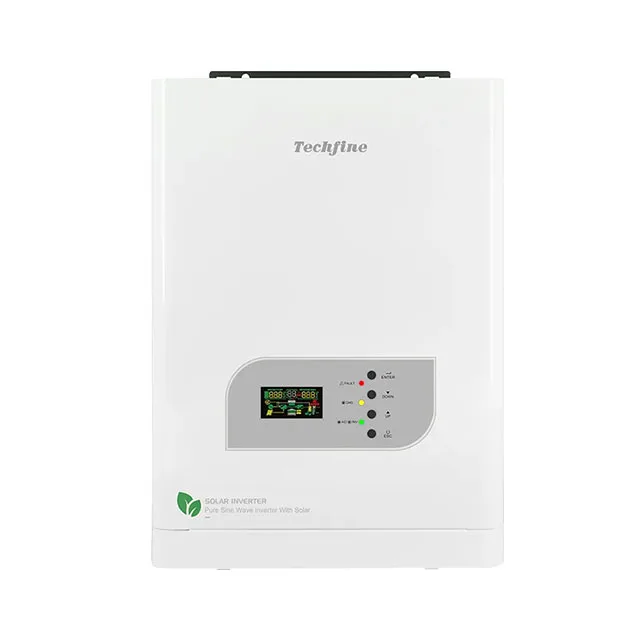
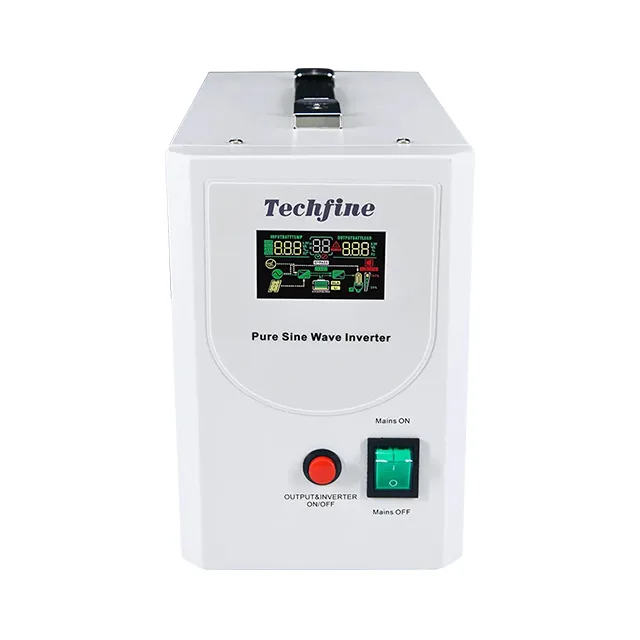
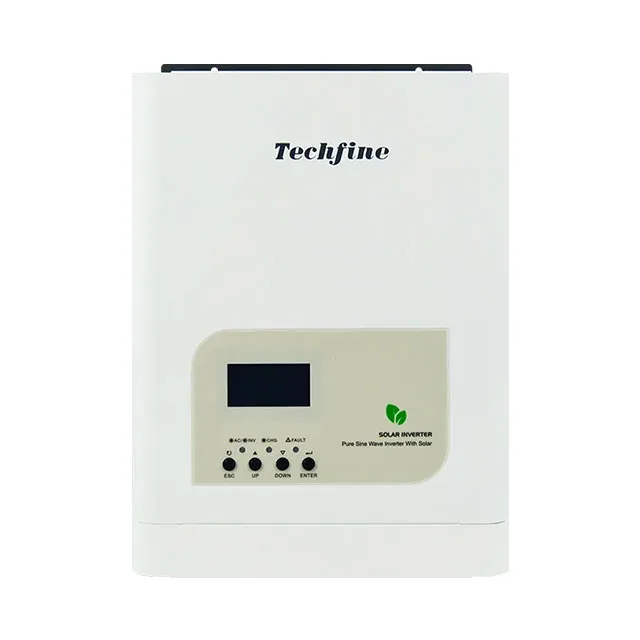
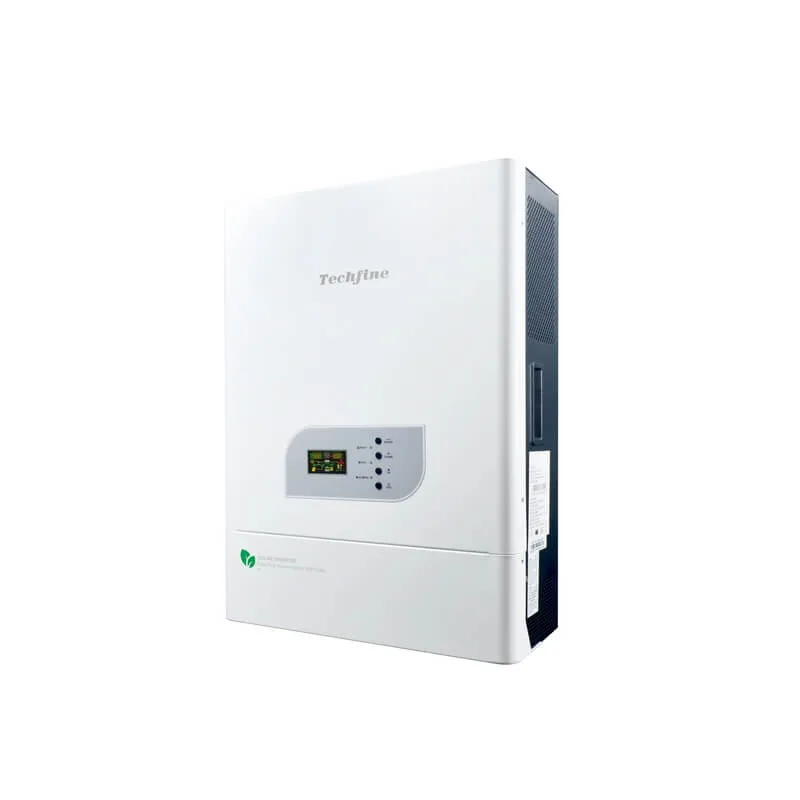
Compare the eight displayed Techfine off-grid inverter pages

Open the exact family page, then confirm continuous/peak output, PV charger, battery bank, AC/generator/parallel design, documents, current availability and order terms.

Displayed off-grid routes

Match output architecture, charger and battery bank to the load

The eight pages range from smaller inverter-chargers to split-phase and parallel-capable families. Compare only on a common duty basis.

JV and EA high-frequency routes

Displayed pages cover 1.6–5 kW-class names with MPPT charger wording. Confirm continuous/peak output, AC voltage, PV range/current, battery voltage/charge current, load behavior and exact options.

VS, VS PRO and VS PRO PLUS

These pages span PWM or MPPT charger descriptions and broader W/VA family labels; VS PRO PLUS mentions parallel capability. Verify exact model, controller, unit count, communication and common AC/battery topology.

HB inverter-charger routes

Two HB pages cover different VA ranges and generator-related wording. Confirm transfer/bypass, generator voltage/frequency window, start signal behavior, charge current, battery bank and load compatibility.

VS-N split-phase route

The VS-N page displays 110/220 Vac and 3–10 kW wording. Confirm split-phase output, neutral/grounding, leg balance, continuous/peak power, transfer, generator and destination electrical requirements.

Off-grid RFQ checks

Six checks before selecting a Techfine off-grid inverter

A useful shortlist begins with actual loads, autonomy and energy sources rather than a headline kW or kVA value.

Load and surge profile

List continuous and daily loads, operating hours, simultaneous demand, motor/compressor starts, surge duration, sensitive electronics, power factor and planned growth; separate essential from deferrable loads.

Daily energy and autonomy

Provide Wh/kWh per day, outage or no-sun duration, reserve SOC, seasonal profile and acceptable generator runtime; include inverter, cable, battery, temperature and aging losses.

PV and charge controller

Provide module data, temperatures, string plan and array power; verify cold Voc, MPPT/PWM operating range, input current, controller rating, clipping basis and available solar charging hours.

Battery bank and charging

Define chemistry, nominal/operating voltage, usable kWh, current, series/parallel layout, BMS or charge profile, low-temperature limits, cables/fuses and utility/generator/solar charging current.

AC, generator and parallel design

Confirm single/split-phase voltage/frequency, neutral/grounding, transfer/bypass, generator size/window/start, output leg balance, permitted parallel count, communications and protection.

Evidence and supply scope

Request exact datasheet/manual, continuous/peak test basis, settings, warranty, accessories, certificate/test scope, labels, packaging, MOQ, sample, lead time, current model status and substitution control.

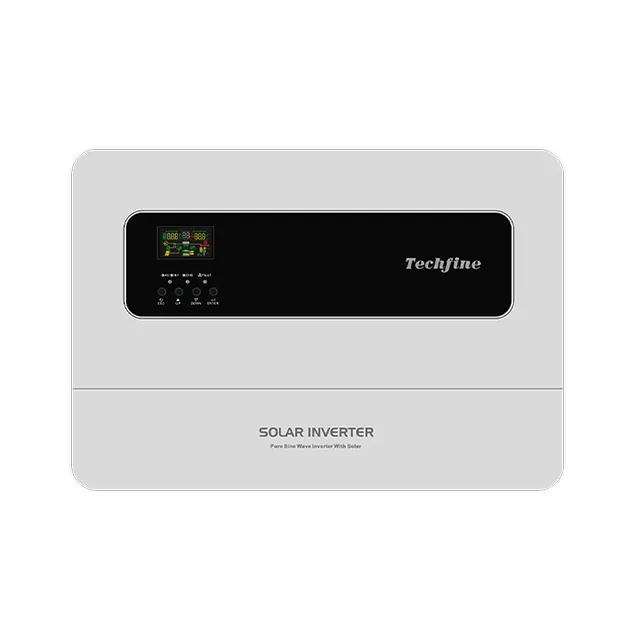
Power and autonomy boundaries

Inverter kW or kVA does not define an off-grid system

Runtime and reliability depend on loads, PV resource, battery, charging, generator, environment, wiring and exact model limits.

Peak is not continuous output

Surge capability must include duration, voltage/frequency tolerance, temperature and load type. Do not size motors or whole sites from a peak or family headline alone.

Pure sine wave does not prove every load

Motor starts, nonlinear loads, power factor, neutral current, leg balance and transfer behavior still require calculation and representative testing on the exact model.

MPPT efficiency is not system energy yield

Tracking efficiency wording does not include module temperature, shading, controller/inverter losses, battery charge/discharge, wiring, curtailment or generator energy. Use a complete energy model.

Parallel and generator functions need an approved topology

Unit count, firmware, communication, common battery, AC bus, bypass, generator controls and protection are model-specific and require the exact manual and commissioning plan.

Continue the off-grid design

Connect inverter selection to microgrid loads and battery pairing

Use the remote solution for energy-system context and the compatibility guide for battery, BMS and charging interfaces.

Techfine off-grid inverter FAQ

Questions to close before sizing a stand-alone power system

These answers support procurement; final load, PV, battery, generator and electrical design remain site- and model-specific.

How should a Techfine off-grid inverter be sized?

Use simultaneous continuous loads, motor/start peaks and duration, daily energy, AC phase/voltage, autonomy, PV resource, battery current/energy, generator strategy, losses, temperature and growth. Do not select from headline kW or kVA alone.

Does an MPPT charger rating determine the PV array size?

No. Check module cold Voc, operating voltage, input current, controller power/current, temperature, string arrangement and clipping limits for the exact model. Also model available solar energy and battery charging needs.

Can all listed Techfine off-grid models run in parallel or start a generator?

No. These functions are family- and model-specific. Confirm permitted quantity, communication and firmware, AC/battery topology, generator input and start interface, bypass/transfer, protection and commissioning.

What should a Techfine off-grid inverter RFQ include?

Include destination, exact model/rating, load schedule and surge, daily kWh/autonomy, PV strings, battery chemistry/voltage/BMS, AC phase/voltage, generator/parallel scope, files, quantity, sample and delivery target.

Techfine off-grid inverter procurement

Techfine Off-Grid Solar Inverters for Stand-Alone and Backup Loads

Compare eight displayed source pages across JV, EA, VS PRO PLUS, two HB, VS PRO, VS and VS-N split-phase routes. Source names span different W/kW, VA/kVA, PV charger, PWM/MPPT, parallel, generator and AC-output descriptions; they are not one interchangeable platform. Start with the load and daily-energy profile, then confirm exact continuous/peak output, phase/voltage, PV voltage/current and controller, battery bank and charging, generator/bypass/transfer, parallel design, protection, environment, documents, availability and commercial terms.

Prepare a Techfine off-grid inverter RFQ

Send the loads and surge, daily energy/autonomy, PV array, battery bank, AC/generator/parallel design, exact series, files, quantity and schedule.

Build Off-Grid Inverter RFQ
Chat with Us