
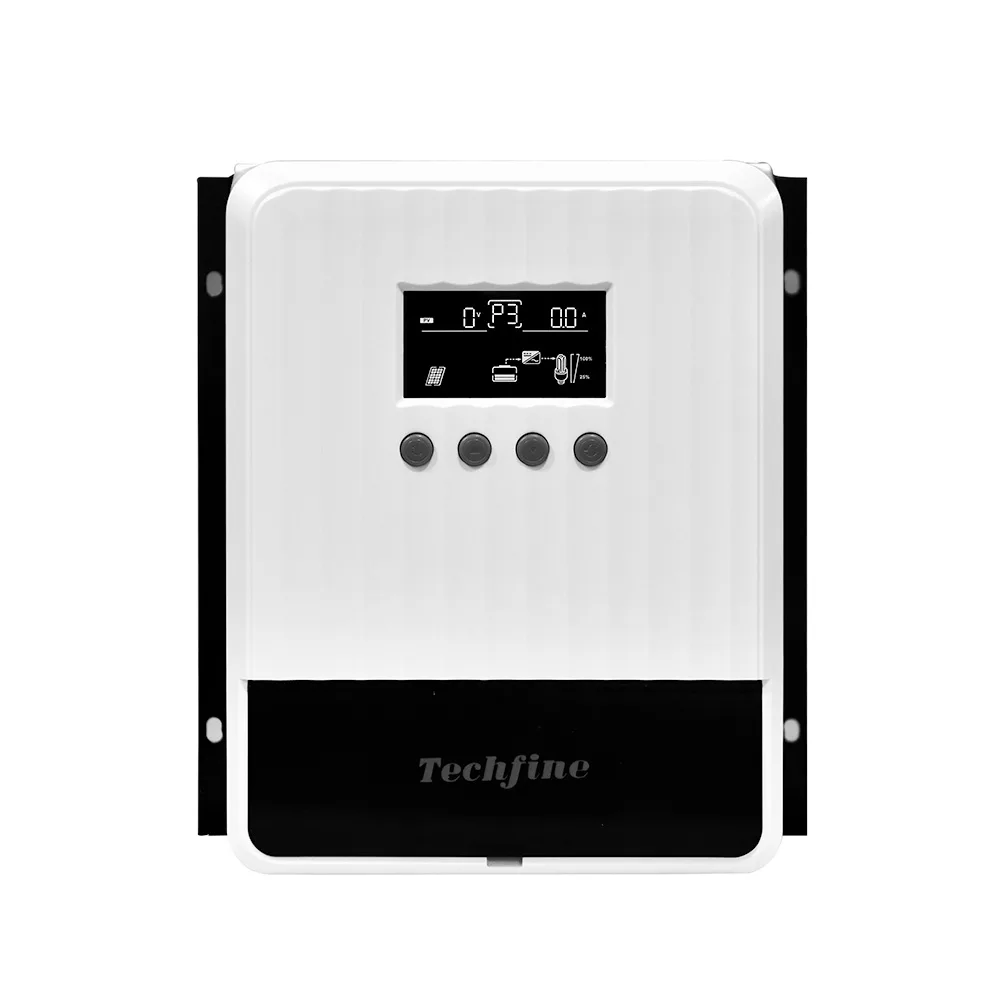
 Solar Charge Controller
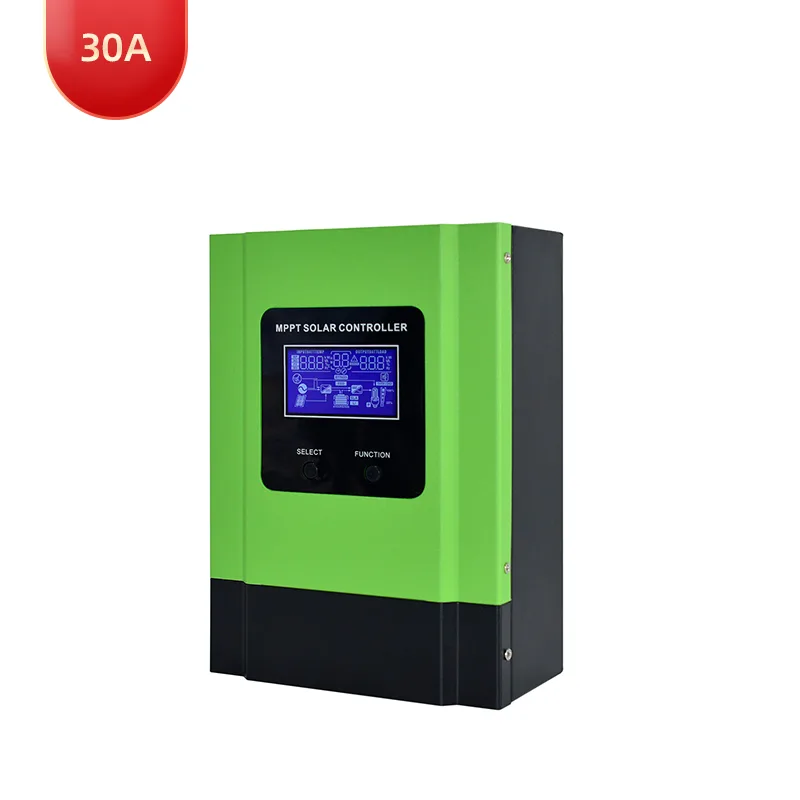
MPPT 30a Solar Charge Controller Smart Solar Charge Controller
Tips:
The MPPT tracking efficiency can reach up to 99.9%
View DetailsOpen the exact source-derived page, then confirm model/code, PV and battery electrical limits, charge profile, special functions, monitoring, protection, files, MOQ and current supply terms.
Solar Charge ControllerTips:
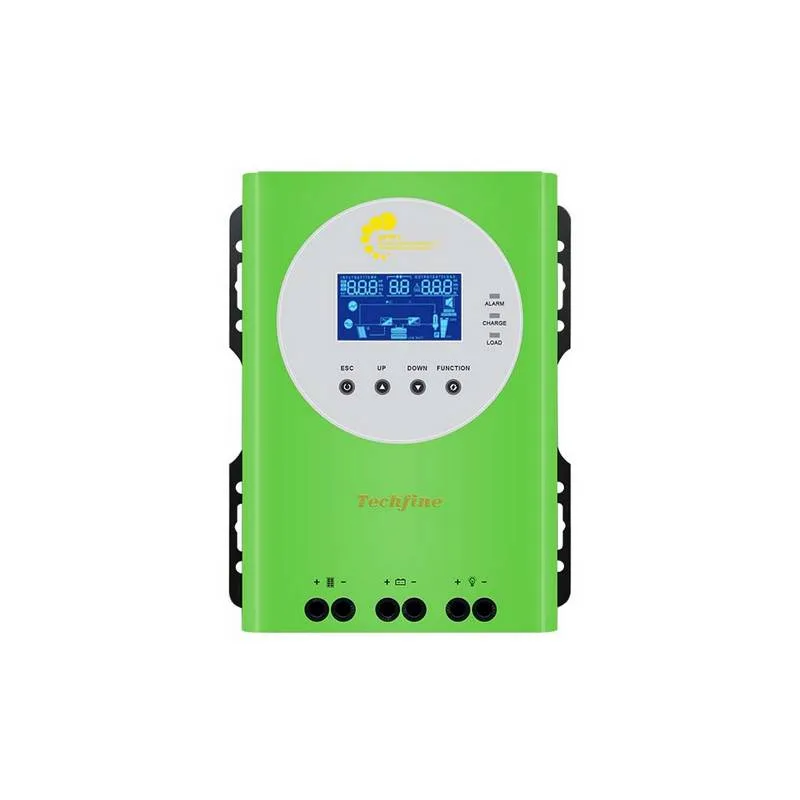 Solar Charge Controller
Tips:
Solar Charge ControllerTips:
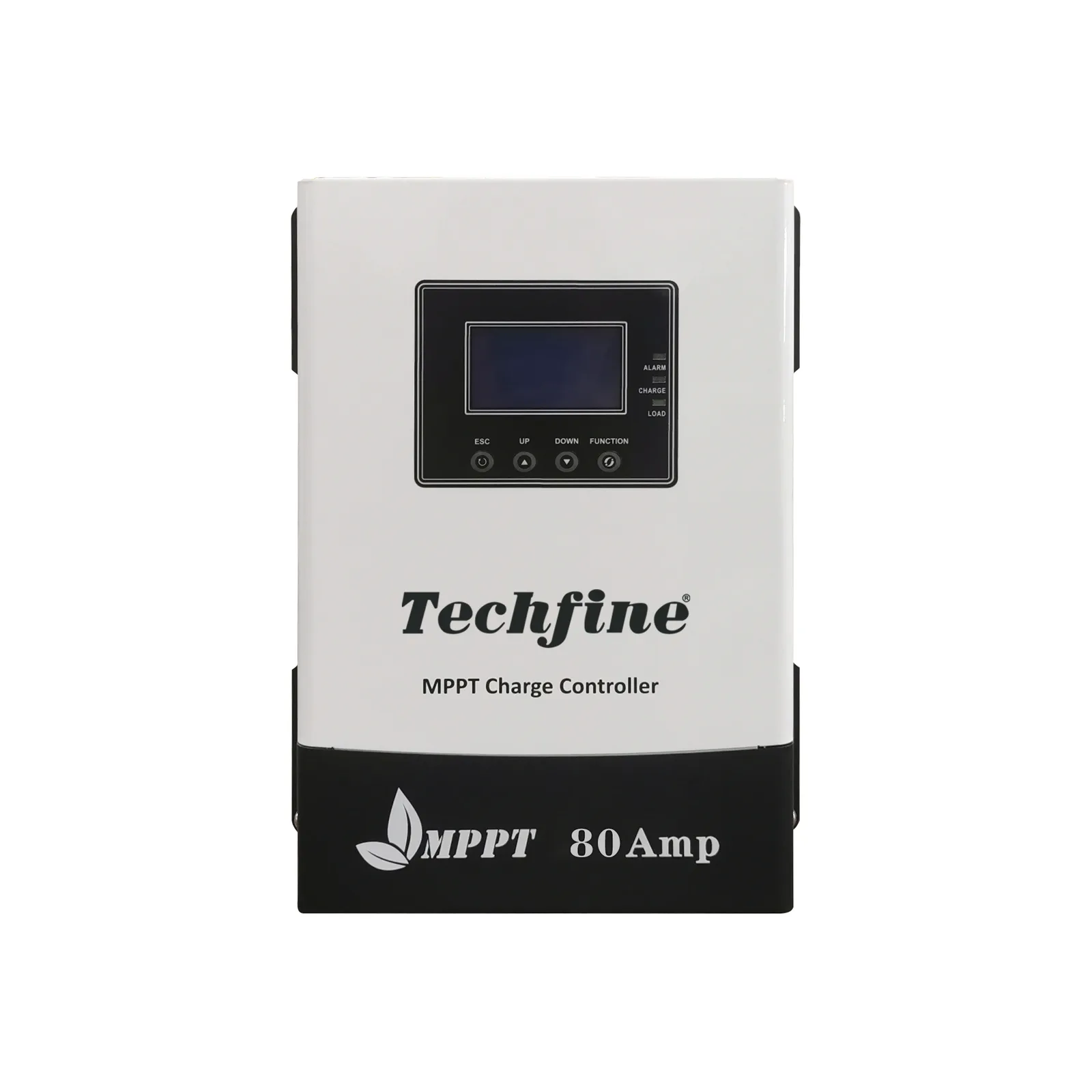 Solar Charge Controller
Tips:
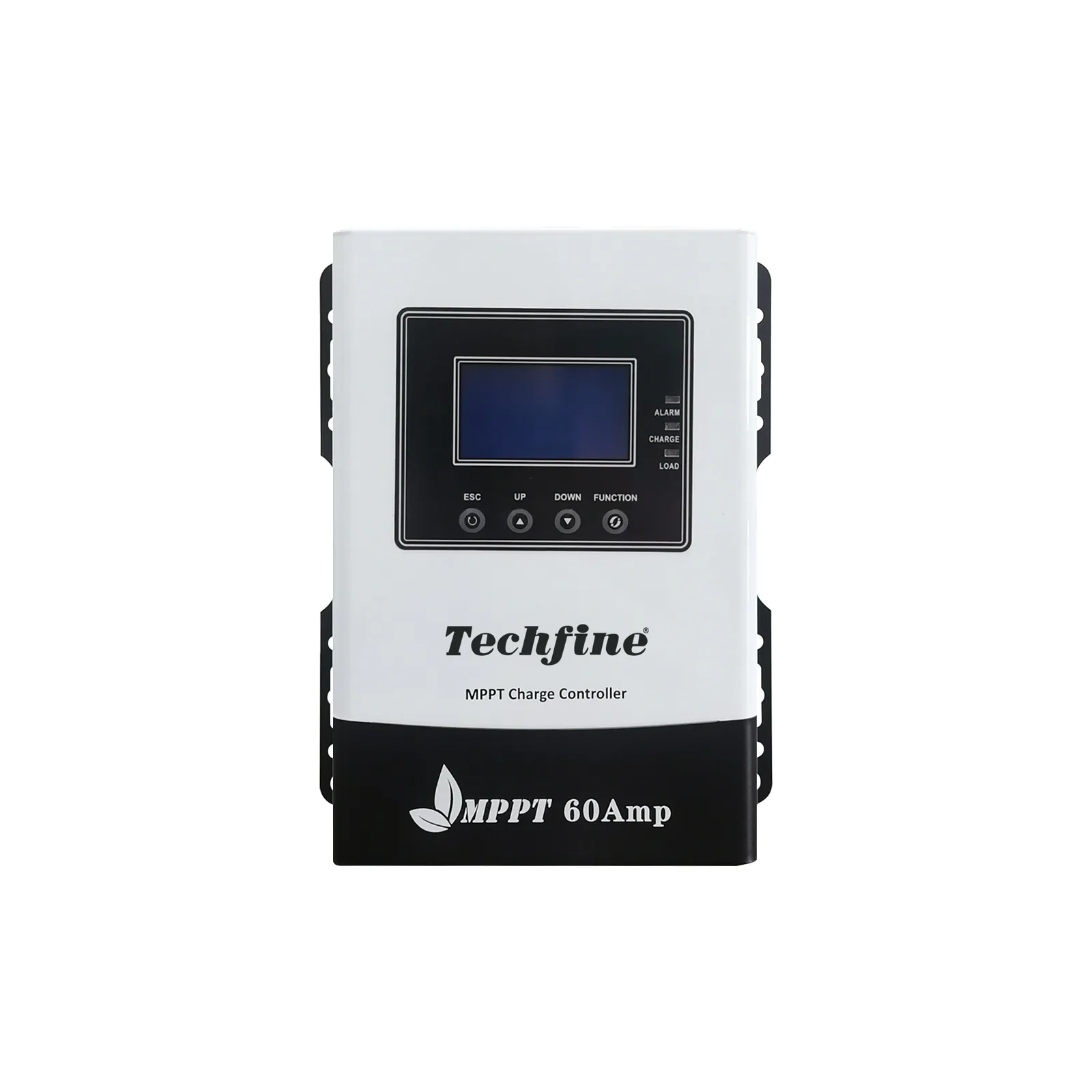 Solar Charge Controller
Tips:
 Solar Charge Controller
Tips:
Solar Charge ControllerTips:
Solar Charge ControllerTips:
 Solar Charge Controller
Tips:
Solar Charge ControllerTips:
Solar Charge ControllerTips:
Solar Charge ControllerTips:
 Solar Charge Controller
Minimum order quantity (MOQ) ≥100 Pieces;
 Solar Charge Controller
Tips:
 Solar Charge Controller
Tips:
 Solar Charge Controller
Tips:
 Solar Charge Controller
Tips:
 Solar Charge Controller
Tips:
Solar Charge ControllerTips:
The category combines standard MPPT, higher-voltage and hybrid/special-use labels. Select from the complete electrical architecture.
Multiple pages display 12/24/36/48 V adaptive wording at different current ratings. Confirm exact supported voltage detection, maximum PV voltage/power, charge current, terminals, cooling and battery profile.
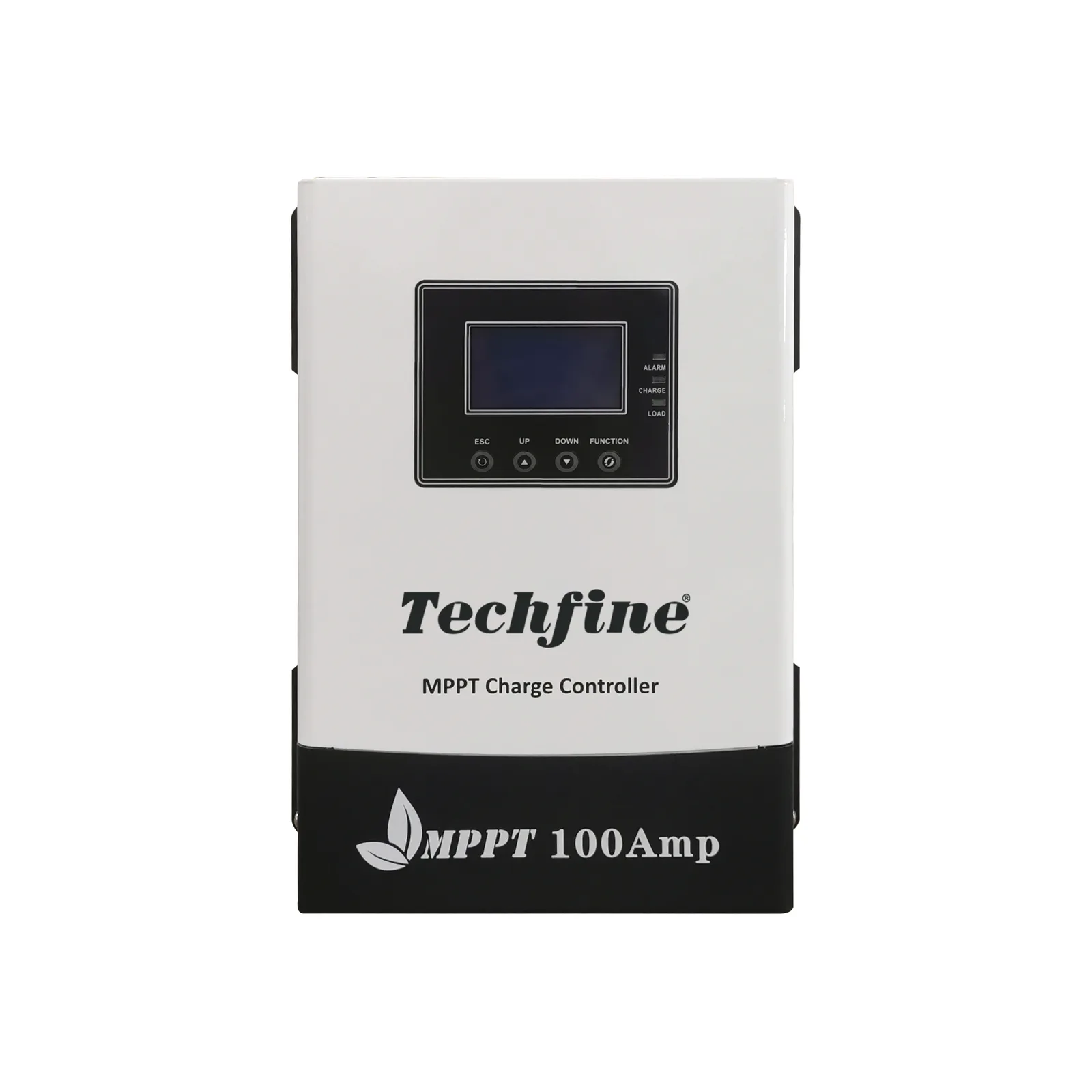
Displayed 60/80/100 A pages include 96 V and different PV-power wording. Treat these as a separate high-voltage battery route; verify PV input, battery range, insulation, protection and cable design.
Several titles mention wind hybrid or AC/DC hybrid functions. Request the exact wind turbine/rectifier or AC input/output architecture, control logic, dump load, priorities, protection and included hardware.
Street-light, AC-output and Wi-Fi/GPRS wording may indicate specialized or optional functions. Confirm load terminals/timers, actual AC role, included communications, gateway/SIM, protocol and service.
A correct controller shortlist ties the exact PV array to the battery bank, charging algorithm, load functions and environmental limits.
Define nominal and operating voltage, series/parallel battery layout and whether automatic detection is acceptable; confirm the exact supported range and startup/detection conditions rather than relying on an adaptive label.
Provide module Voc/Vmp/Isc/Imp, minimum temperature, string length/count and array watts; verify cold Voc, MPPT window, maximum input current/power and controller output-current limits.
Provide exact battery/BMS, lead-acid type or lithium chemistry, bulk/absorption/float or lithium setpoints, temperature compensation, low-temperature charge limits, equalization rules and communication needs.
Define DC load, street-light timer, wind/rectifier/dump load, AC input/output or other hybrid function; request a one-line and confirm which ports, sensors and protections are actually included.
Confirm ambient/altitude, derating, cooling, enclosure/IP, PV/battery disconnects, fuses/breakers/SPD, reverse polarity, conductor/terminal size, grounding and installation clearance.
Confirm whether Wi-Fi/GPRS is built in or optional, gateway/SIM/protocol and data functions; request exact datasheet/manual/test evidence, settings, warranty, MOQ/sample, lead time and substitution control.
Final suitability depends on PV cold voltage/current, battery voltage and charge profile, environment, wiring, firmware and special-function hardware.
An MPPT tracking figure such as up to 99.9% does not include conversion, wiring, temperature, battery charge/discharge, curtailment or load losses. Request the exact test boundary.
Automatic 12/24/36/48 V wording does not prove every battery bank, chemistry or BMS. Confirm voltage detection, setpoints, current, communication and safe startup for the exact configuration.
Lithium batteries require correct voltage/current, charge stages, BMS behavior, low-temperature protection and manufacturer approval. Generic lithium labels cannot replace battery documentation.
Confirm included module, ports, gateway, protocol, SIM/service, wind/AC/DC hardware and control behavior. A repeated feature line or title does not establish delivered scope.
Use the compatibility guide for charging limits and the microgrid solution to map PV, battery, loads and protection.
Apply voltage/current, charge-profile, BMS, protection, cable and commissioning checks to the controller and battery combination.
Review compatibility
Review how PV, charge controller, battery, inverter, loads, generator and protection form one stand-alone system.
Review system context
These answers organize procurement; final PV string, battery charging, protection and installation remain model- and system-specific.
Calculate battery-side charge current from array power and battery voltage, then check the controller's exact output-current limit, PV input voltage/current/power, temperature derating and battery acceptance. Add design margin according to the manual and applicable rules.
No. Confirm actual operating range and detection conditions, chemistry-specific charging setpoints, BMS or temperature requirements, maximum current, wiring and safe startup. Nominal voltage alone is insufficient.
No. Tracking efficiency describes how closely the controller follows the available maximum-power point under a test boundary. Conversion, thermal, wiring, battery and system losses remain separate.
Include exact product/code, battery voltage/chemistry/BMS, module and string data with cold Voc, array watts/current, required charge amps, special load/wind/AC functions, monitoring, protection, documents, quantity, sample and schedule.
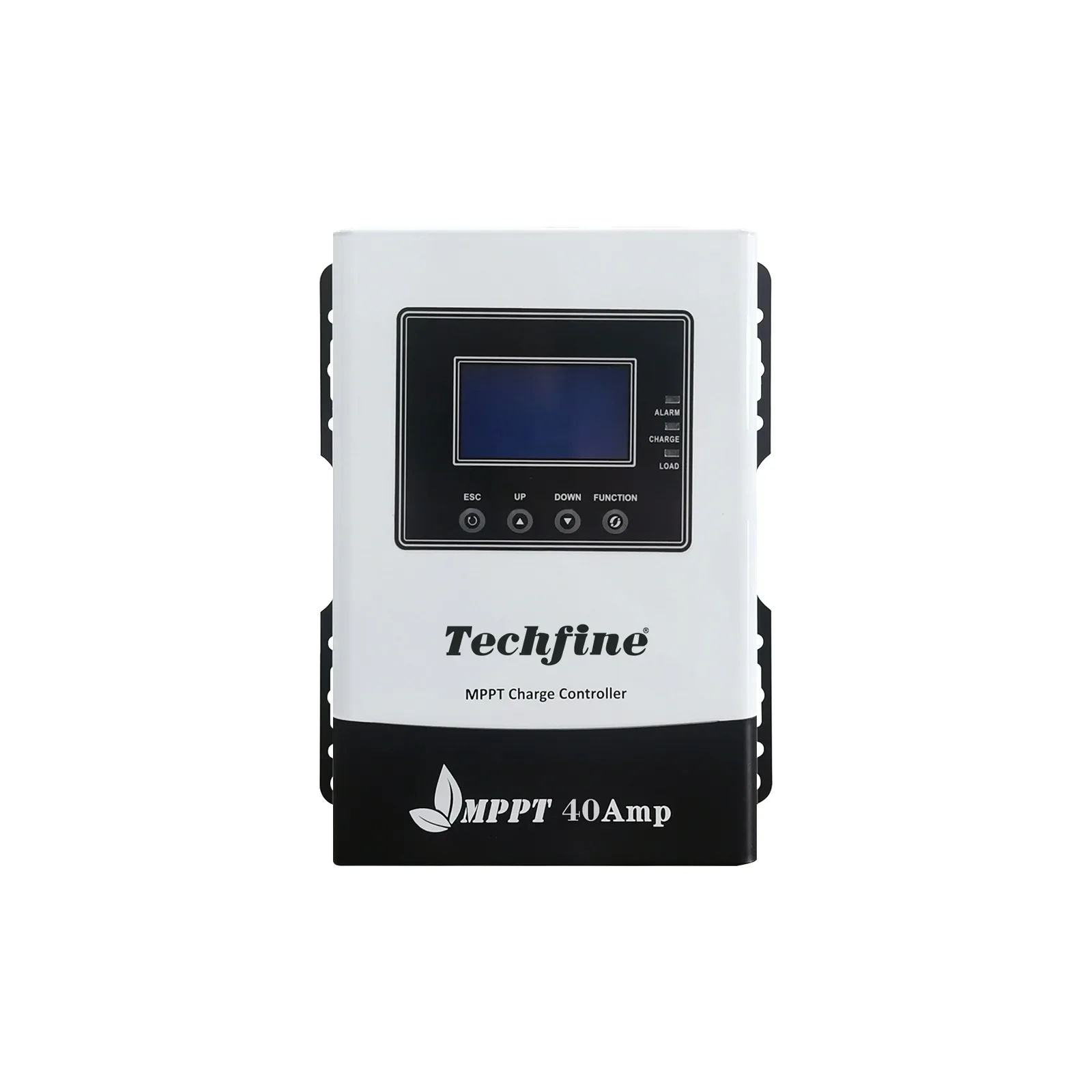
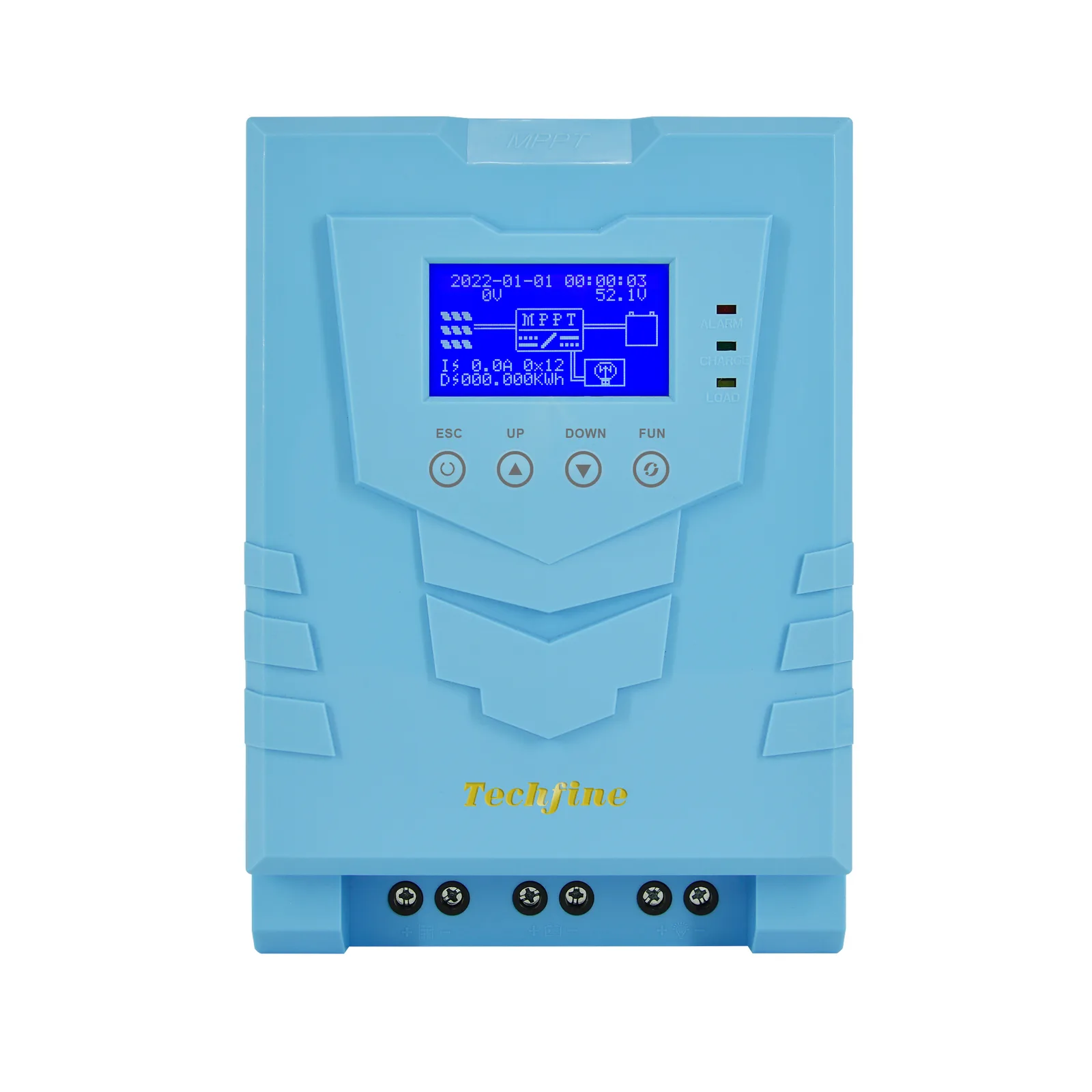
Compare 19 displayed source pages whose names span 20–100 A, 12/24/36/48 V adaptive and 96 V routes, plus solar/wind hybrid, AC/DC hybrid, AC-output and street-light wording. Similar titles and repeated feature text do not make the controllers interchangeable. Preserve the exact product page and code, then confirm battery-system voltage, PV cold Voc and array power/current, MPPT operating range, battery chemistry and charge profile, load/AC/wind functions where applicable, protection, thermal/cable design, monitoring options, documents, MOQ, availability and commercial terms.
Send the battery system, PV module/string design, charge current, special functions, monitoring/protection, exact model, files, quantity and delivery target.