
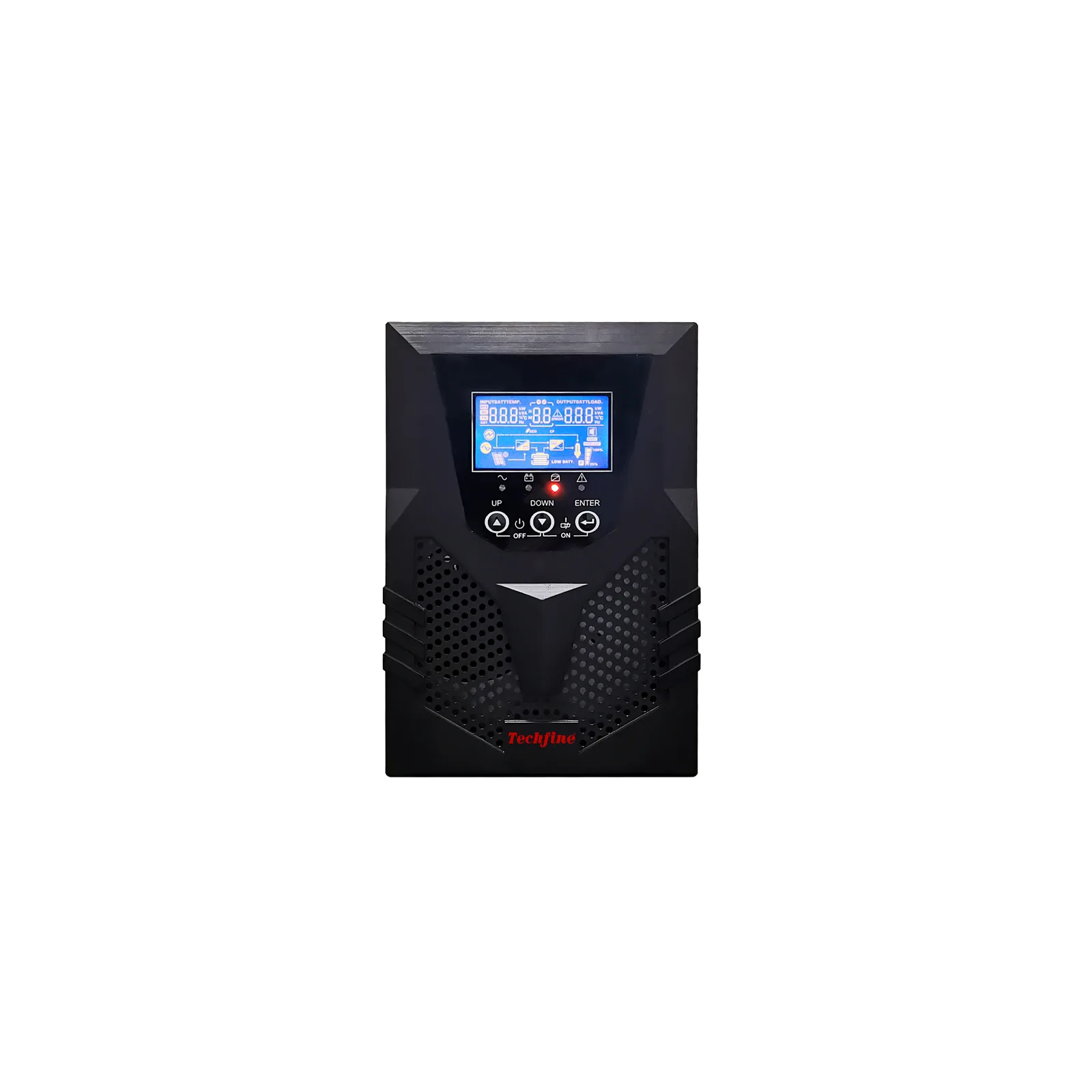
 Online UPS
800w uninterruptible power supply long backup time ups power ups 1000watt ups home 1000va
Tips:
Up to 95.5% high efficiency
View DetailsOpen the exact CQ1K, CQ2K, CQ3K, CQ6K or CQ10K table and suffix, then confirm topology/bypass, AC, load, battery/runtime, controls, evidence, service and supply.
Online UPSTips:
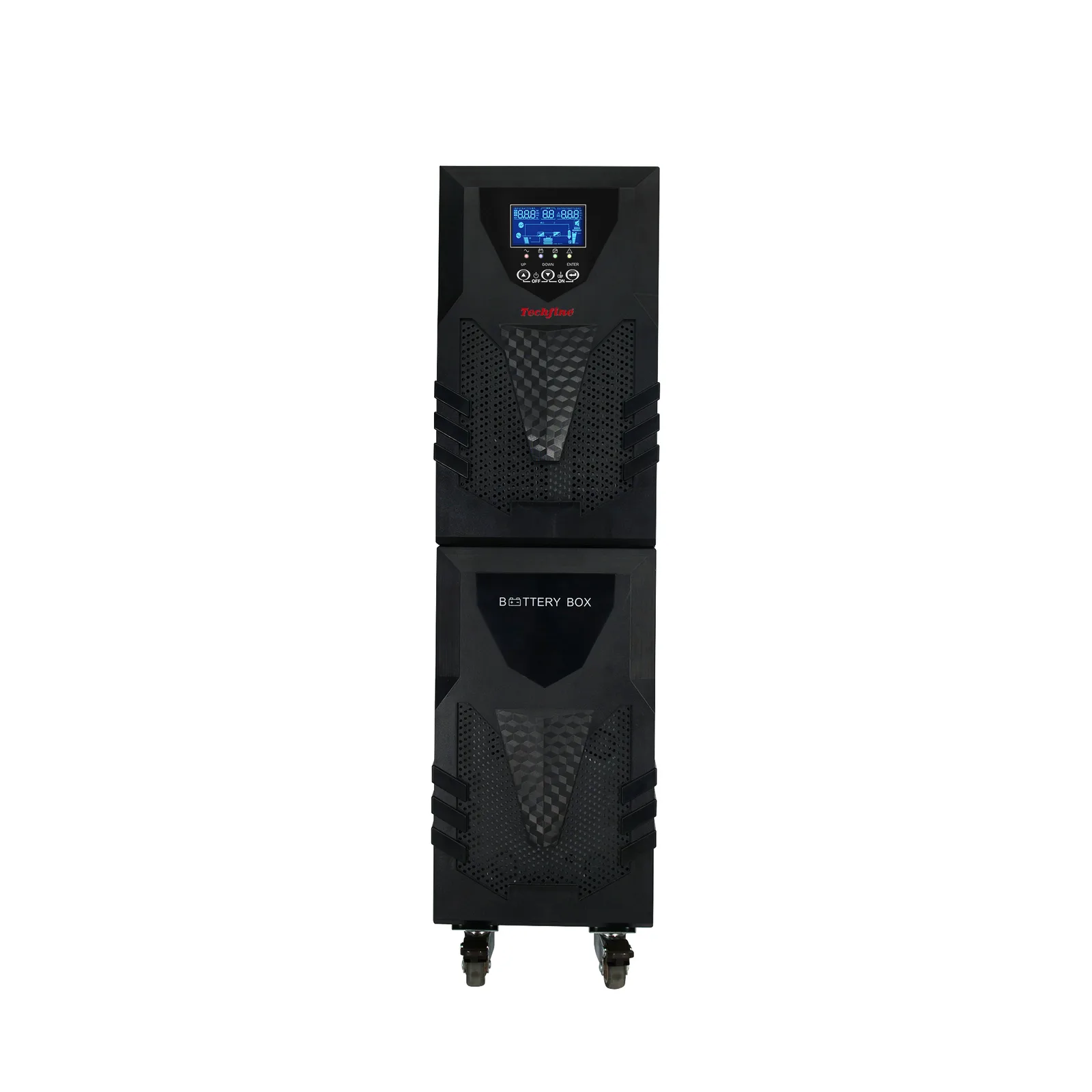 Online UPS
Tips:
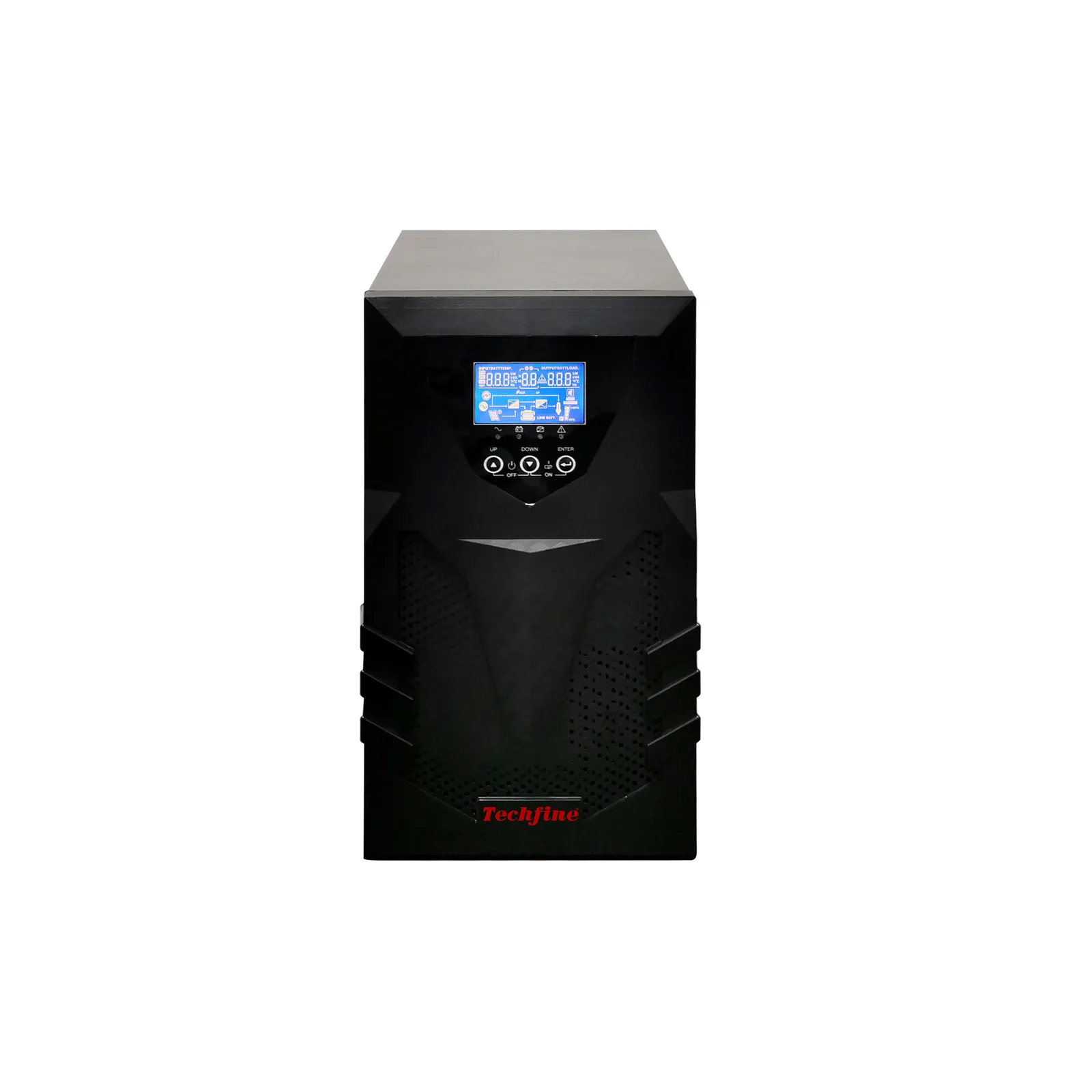 Online UPS
Tips:
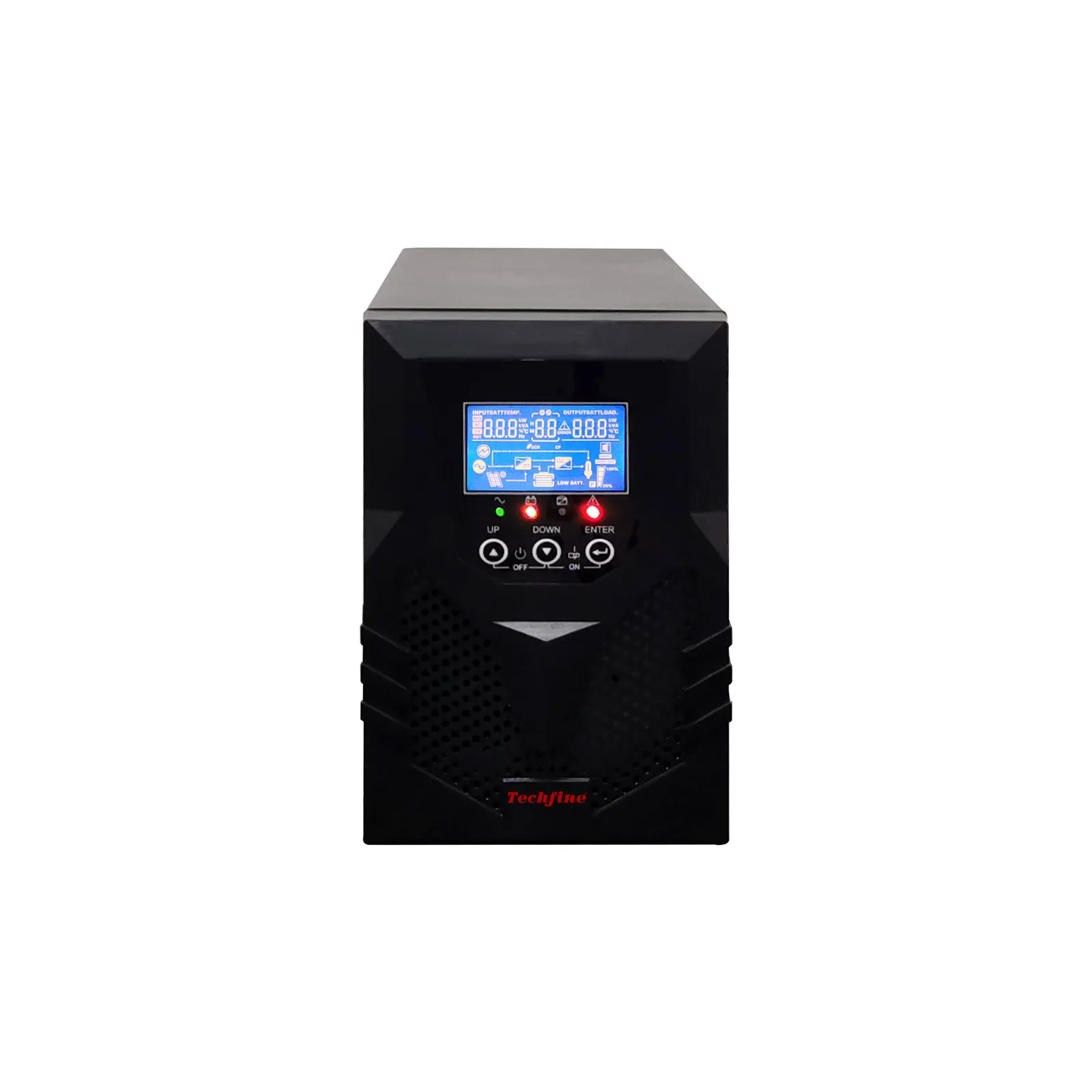 Online UPS
Tips:
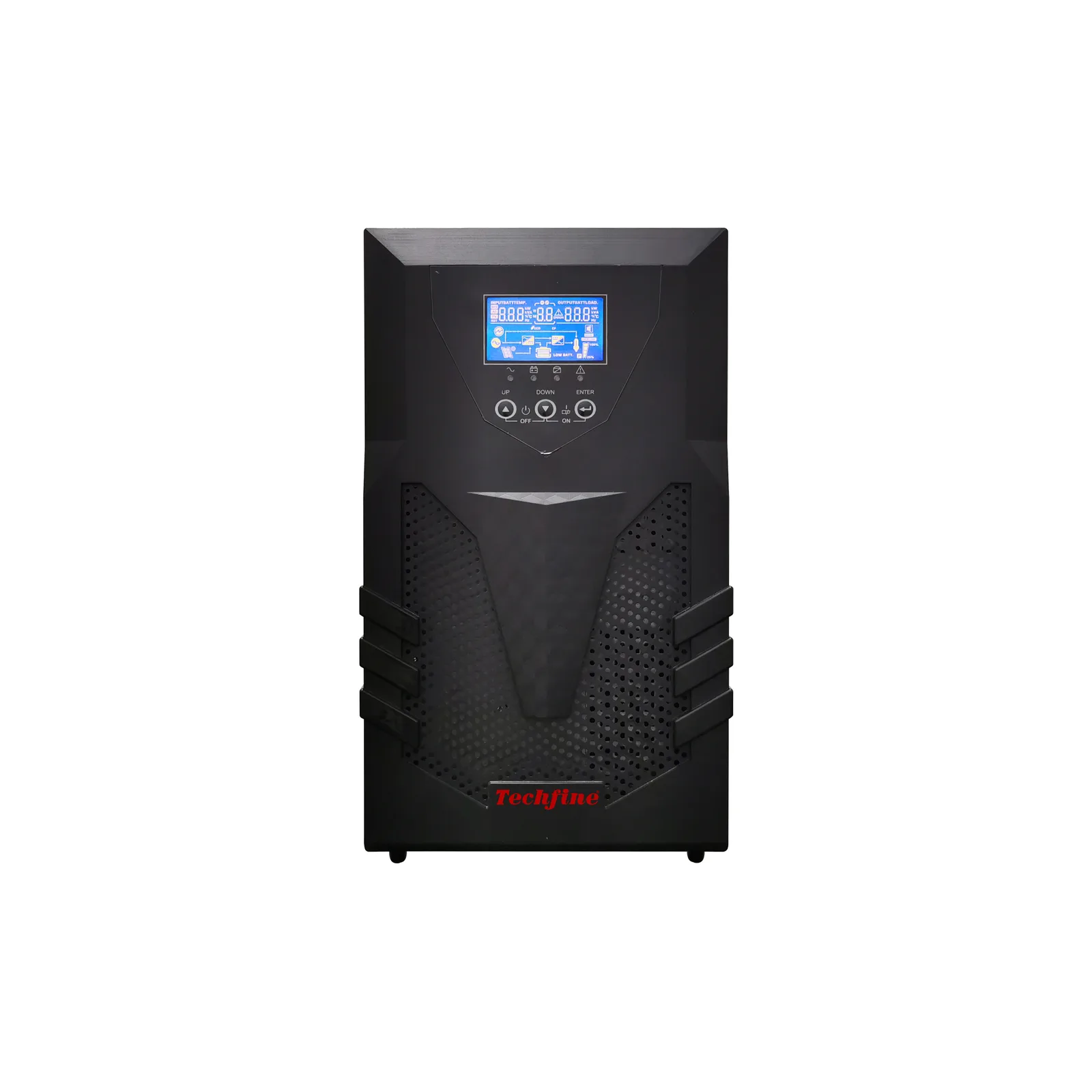 Online UPS
Tips:
The catalogue shows a 1–10 kVA path, but each model and standard/long-run suffix needs its own released configuration.
Current tables state 1 kVA/1 kW and 2 kVA/2 kW. Standard battery routes show 24 and 48 V DC respectively, while long-run descriptions use different DC voltages and adjustable charger wording.
The table states 3 kVA/3 kW with a 72 V standard battery route and 96 V long-run route. Its page headline says 12 V, so require exact DC-bus and suffix confirmation.
The current table states 6 kVA/6 kW, a 144 V standard route and 192 V long-run route. Confirm whether batteries, cabinet, DC protection, bypass and communications are included.
The source table states 10 kVA/10 kW and 192 V DC routes. Verify input/output version, charger range, external battery design, maintenance bypass, installation and current production configuration.
Critical-load procurement requires the operating and failure paths, battery autonomy and service plan—not only a headline kVA.
Provide continuous and peak W/VA, power factor, nonlinear crest factor, inrush, rack/IT/medical/process load type, growth allowance and required uptime or shutdown sequence.
Confirm true online operating path, static and maintenance bypass, bypass limits, transfer/retransfer behavior, single points of failure, parallel/redundancy support and isolation/service sequence.
Confirm input/output phase, voltage/frequency, 110 V option status, input current/THDi, output regulation/THDv, neutral/grounding, terminals, breakers and destination compliance evidence.
Fix standard or S/long-run model, chemistry, cell/unit count, DC voltage/window, Ah and usable energy, charger current, external cabinet, DC breaker/fuses, cables, cutoff and runtime curve.
Confirm LCD settings, RS-232, optional SNMP/card, alarms, dry contacts/EPO if required, shutdown software, network/security requirements, logs, remote service and behavior during communication loss.
Request exact datasheet/manual, one-line and battery schedule, safety/EMC/performance evidence, warranty and service/spares; define installation/commissioning, quantity, sample if applicable, lead time and substitutions.
Availability depends on the exact UPS, bypass, battery, distribution, environment, redundancy, maintenance and load design.
A transfer line does not cover overload, bypass events, internal failure, depleted battery, breaker operation, downstream distribution or maintenance. Define failure paths and acceptance tests.
Titles mentioning 1–20 kVA or 110/220 V do not prove every combination. Use the exact CQ table, suffix, voltage version, firmware and matching nameplate.
The displayed standard and long-run routes use different series quantities and DC voltages. Do not substitute batteries or cabinets without voltage-window, protection, cable, charger and service review.
UPS capacity alone does not provide redundancy, selective protection, rack PDUs, cooling, fire safety, generator coordination, monitoring, commissioning or a service-level commitment.
Use the business-backup page for load priorities and the sizing guide for a transparent autonomy basis.
Apply its critical-load separation method to IT, communications, refrigeration or service circuits before fixing UPS capacity and distribution scope.
Review load priorities
Record load, usable energy, power limits, reserve, environment and operating objective before presenting runtime.
Review autonomy inputs
These answers structure an RFQ; final uptime, battery autonomy and installation remain configuration- and site-specific.
No. Confirm the exact topology and test condition plus overload, bypass/retransfer, battery depletion, internal failure, downstream protection, maintenance and load ride-through behavior.
Do not infer that from broad page titles. The current displayed tables identify CQ1K, CQ2K, CQ3K, CQ6K and CQ10K routes. Confirm exact voltage, suffix, nameplate, released datasheet and availability.
No. The tables show different DC voltages, quantities and charger routes. Confirm battery chemistry/model, series design, voltage window, Ah, cabinet, DC protection/cables, charger, runtime and warranty.
Include exact CQ model/suffix, destination AC, load W/VA/crest/inrush, uptime and autonomy, bypass/redundancy, battery/DC protection, monitoring/EPO, installation, evidence, service, quantity and schedule.
Compare five displayed source pages whose current tables identify CQ1K(S), CQ2K(S), CQ3K(S), CQ6K(S) and CQ10K(S), each shown as single-phase with equal kVA/kW table ratings, pure-sine-wave output and 0 ms transfer wording. Broad product headlines also mention other W/kVA ranges, 110 V options, home or data-center use and long backup; those phrases do not establish the delivered version, runtime, redundancy or availability. Preserve the exact model/suffix, then confirm topology and bypass, continuous/overload performance, load crest/inrush, AC and regional version, standard or external battery DC bus, charger, autonomy, communications, serviceability, safety/EMC evidence, warranty and supply.
Send the exact model/suffix, AC system, critical loads, bypass/redundancy, battery/runtime, controls, installation, evidence, service, quantity and delivery plan.