
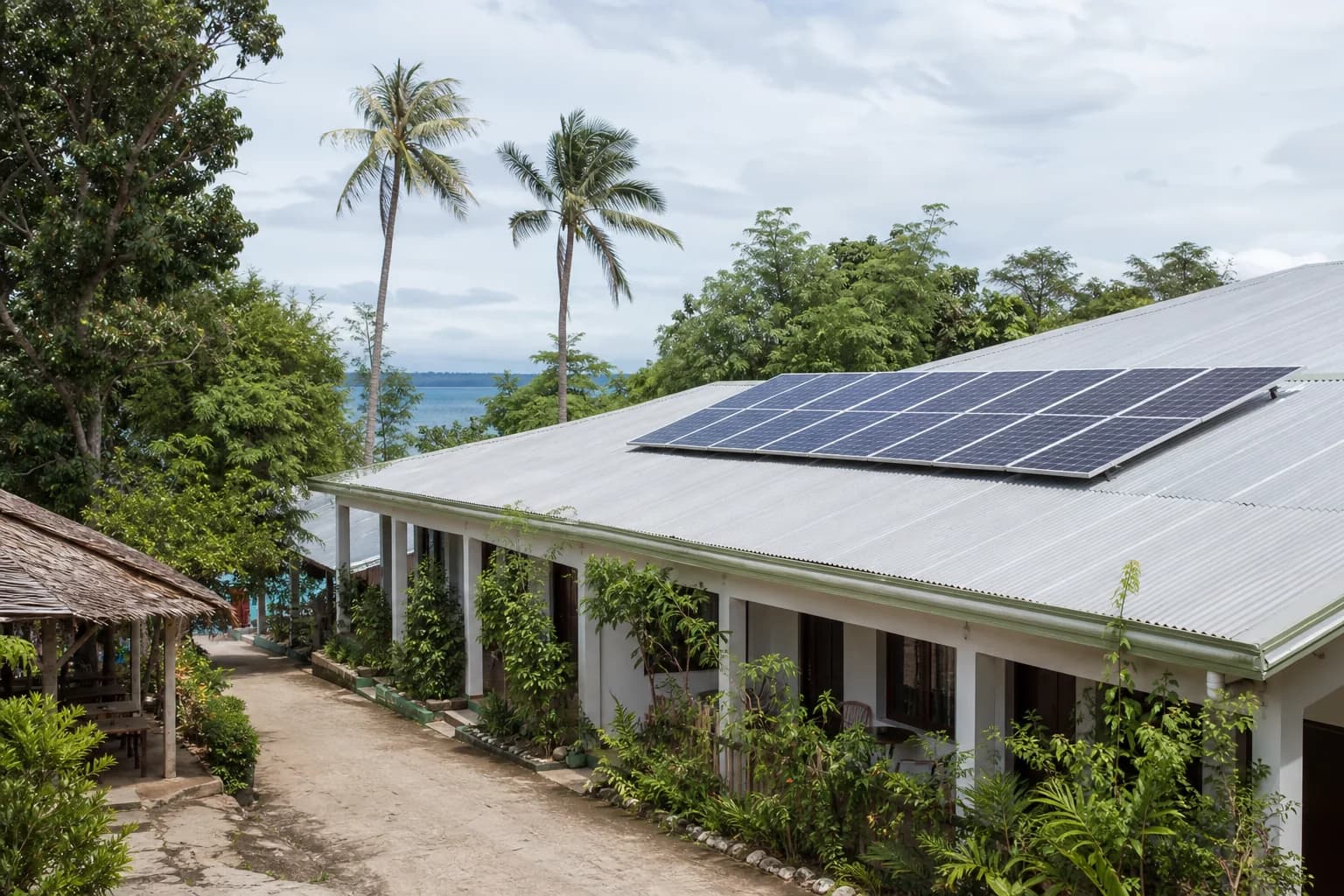
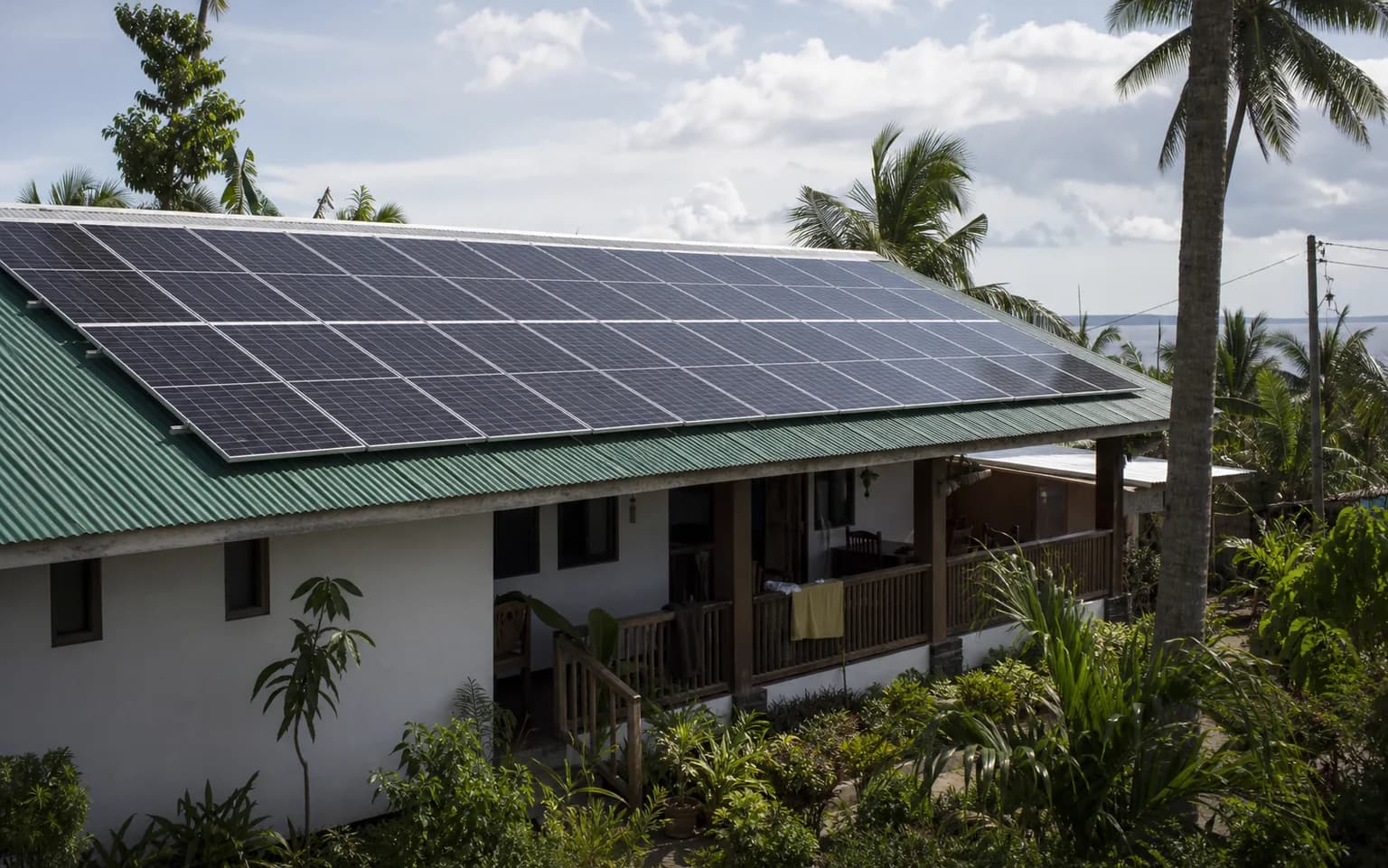
Remote Microgrid + Hybrid Power
For remote and limited-grid sites that need a practical operating plan for PV, battery, generator support and priority loads.
Procurement content reviewed by the Rongkai Solar Procurement Editorial Desk ·
Start with
Load hierarchy
Review
Generator and battery duty
Plan
Service and logistics
Overview
Remote power systems have to be planned around how the site actually operates: which loads run in daylight, which continue after sunset, how the generator is used and who can service the equipment. This page helps translate those choices into a scoped request for PV, power conversion, storage, protection, monitoring and generator interfaces. It does not replace the integrator's design, protection settings or commissioning work.
Common Challenges
- Remote sites may have expensive fuel logistics, limited maintenance access, and a mixture of guest, telecom, refrigeration, or water-pumping loads.
- The system must set sensible priorities for battery use instead of simply replacing one generator with another oversized package.
- Battery shipment, environmental exposure, and local serviceability need to be decided before dispatch.
Our Approach
Use a load hierarchy and operating schedule to establish daytime solar use, evening essential loads, and generator contingency.
Confirm the final inverter, battery, generator, and monitoring interfaces through the appointed system integrator.
Plan packaging and documentation around the actual island or remote-site logistics route.
Key Benefits
Solar-first operation
The operating concept can reduce generator use during the available solar window without removing a contingency source.
Load-priority clarity
Guest-facing and operational loads can be separated from discretionary consumption.
Remote delivery planning
Equipment labeling, battery documents, and packing can be planned around the final route.
Typical system flow
- 1PV generation
- 2Hybrid power conversion
- 3LFP storage
- 4Priority loads + generator fallback
Typical Configuration
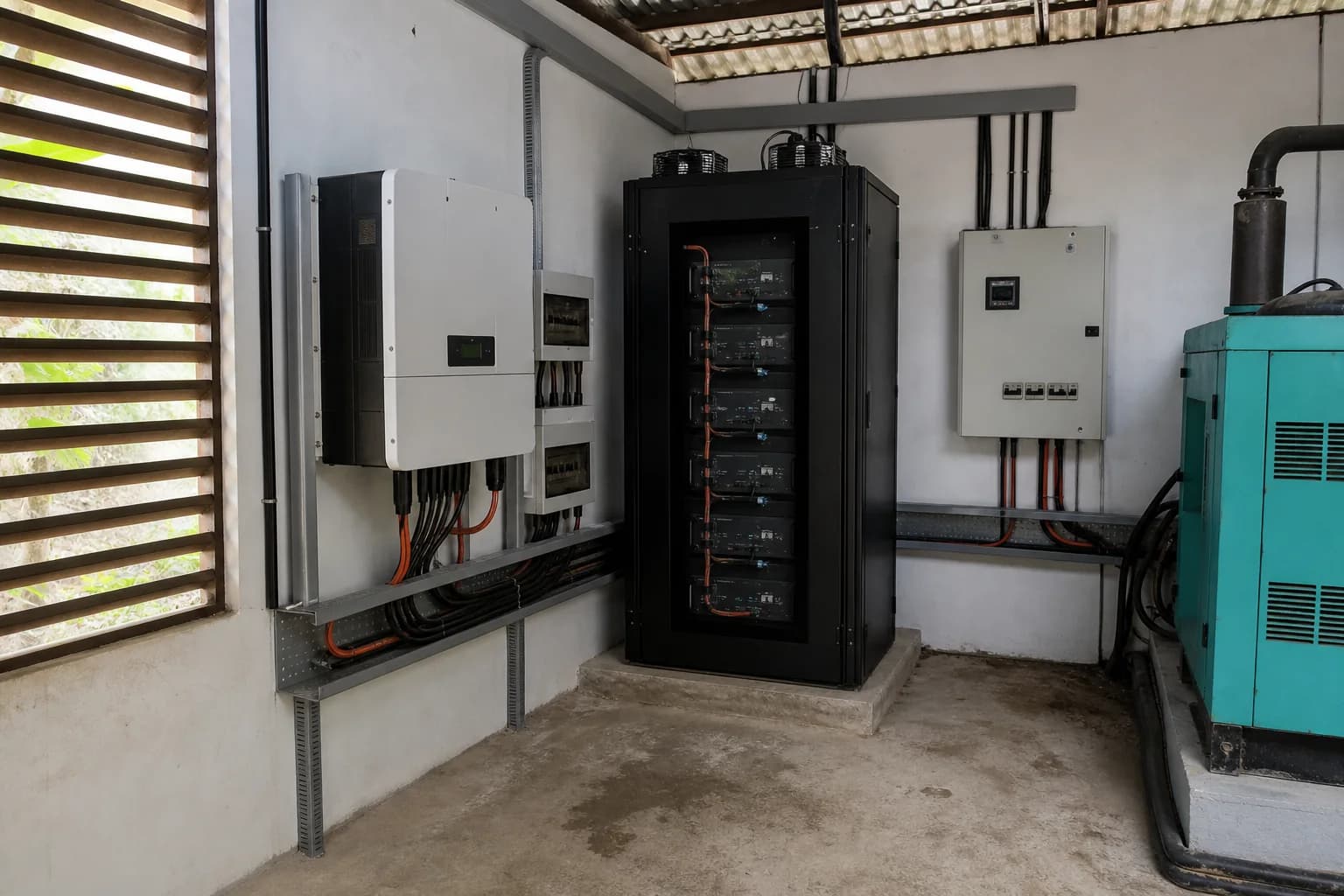
PV generation
PV blocks sized for the solar window, site space, and the planned energy-management strategy.
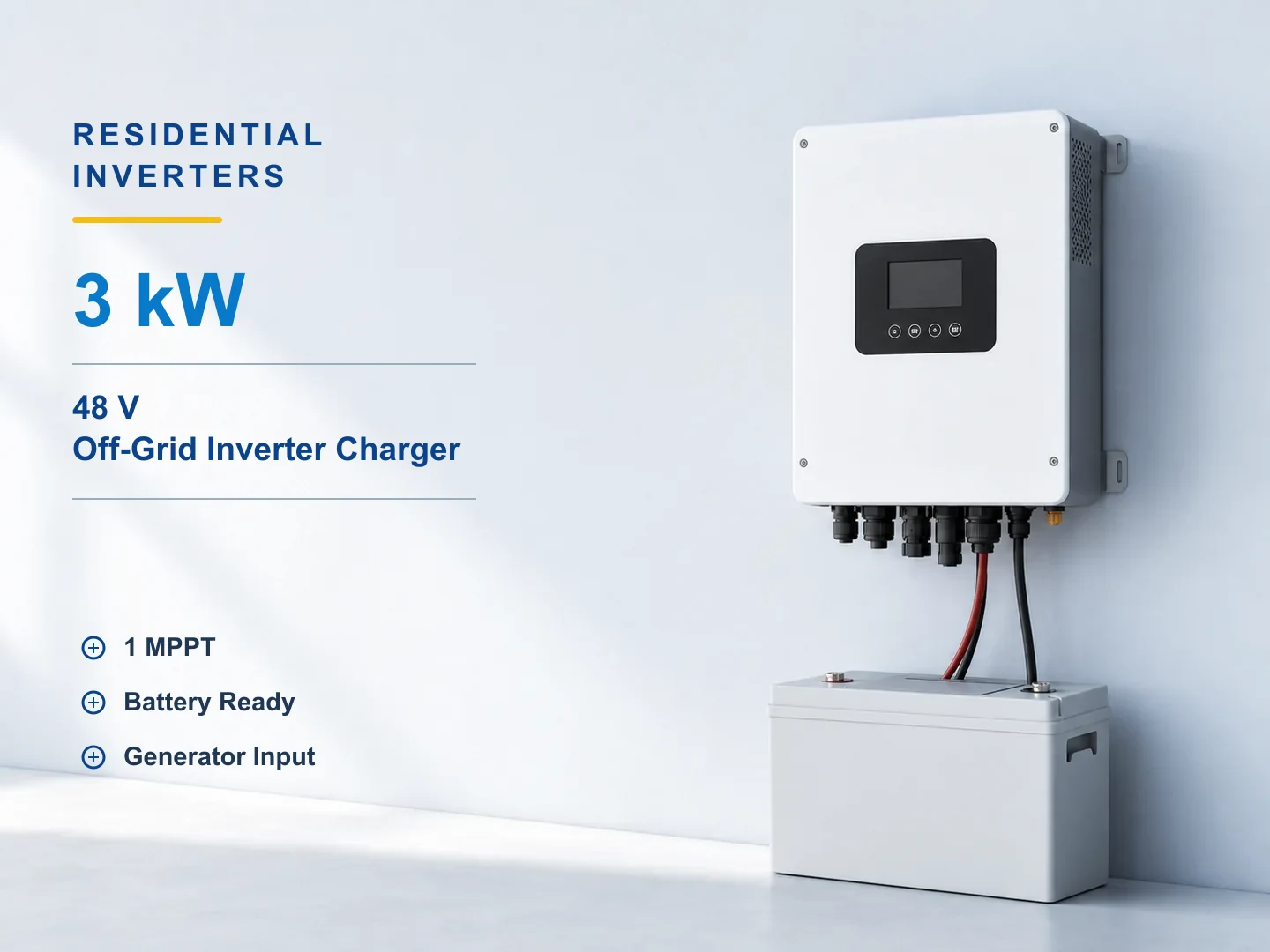
Off-grid inverter charger / hybrid PCS
Power conversion platform selected for site voltage, load type, generator compatibility, and required redundancy.
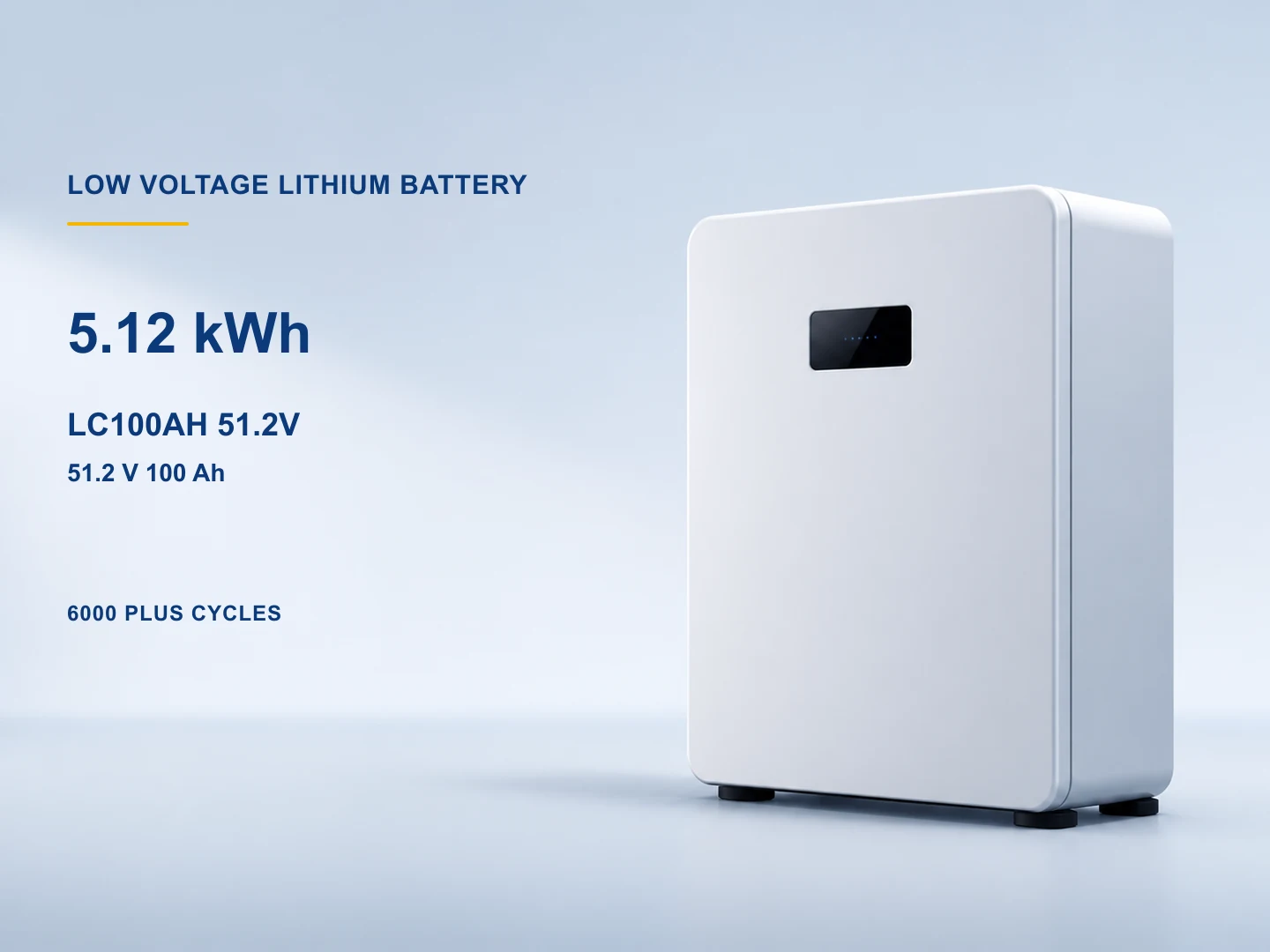
LFP battery bank
Battery capacity and architecture selected for the agreed evening and essential-load operating target.
Monitoring and generator interface
Meters, communications, controls, and generator-start interfaces confirmed in the project design.
Relevant product platforms
These are independent product research routes, not a validated system bundle. Confirm the exact model, electrical architecture, protocol compatibility, documents, inclusions and project requirements before an order is released.
Other Solutions
 Residential
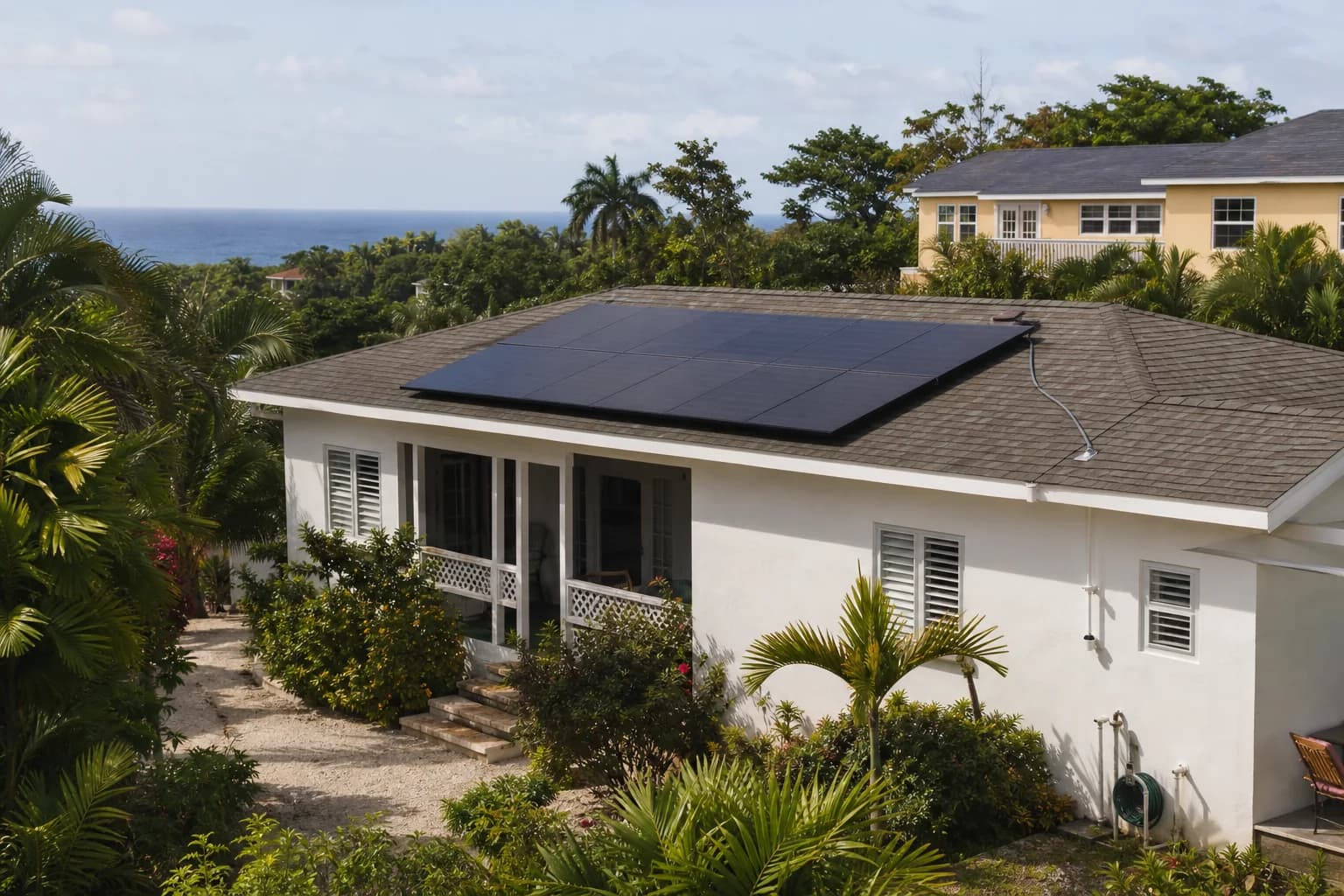
Residential Solar + Essential Backup
For homes, villas and installers that want solar generation plus a clearly defined backup circuit—not an assumed whole-home system.
Start with
Essential loads
Supply scope
PV + hybrid + battery
Final check
Local design and approval
 C&I
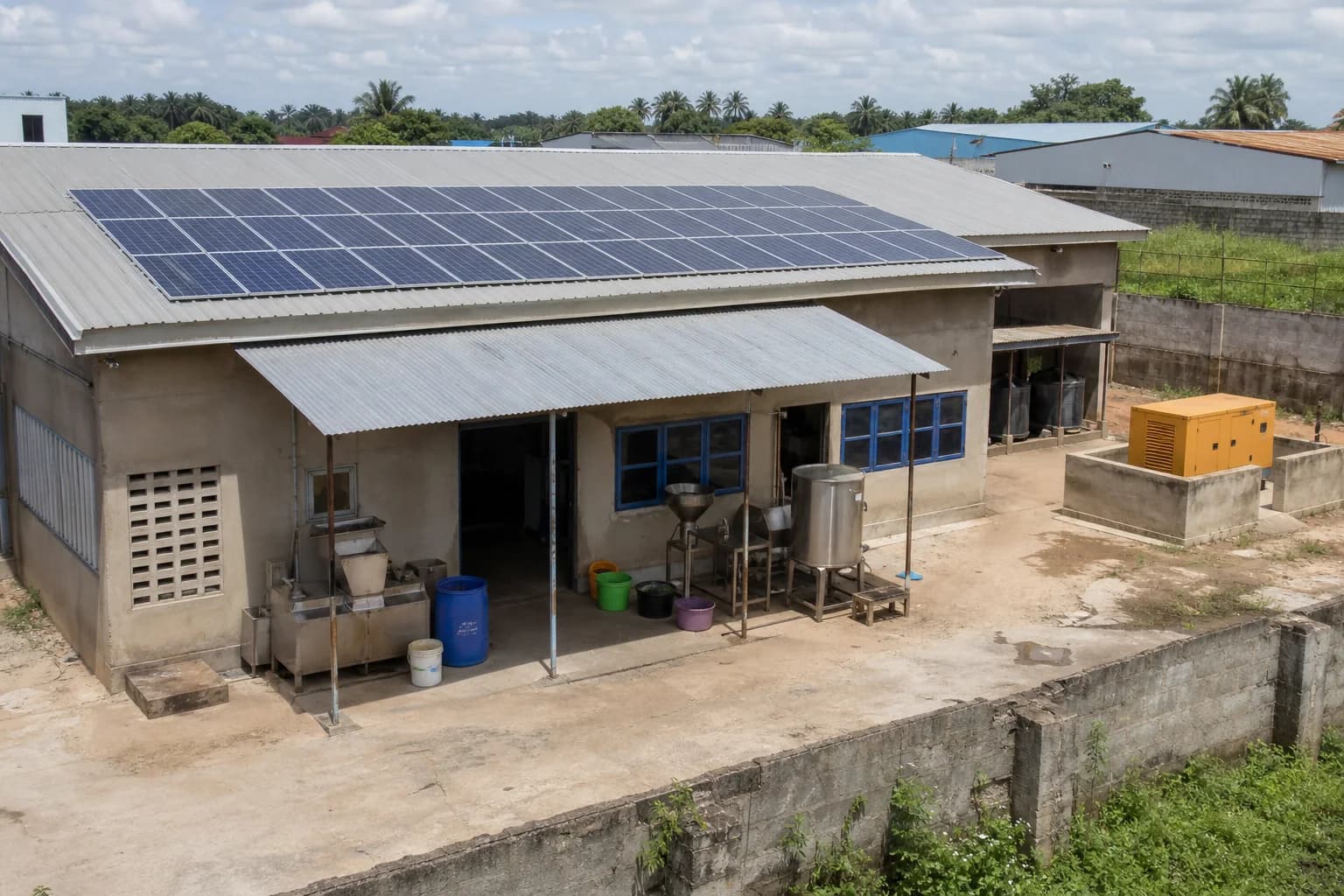
C&ICommercial Solar + Storage Hybrid
For sites where PV alone is not enough: clarify the role of storage, existing generators and priority loads before choosing equipment.
Start with
Load and generator behaviour
Define
Storage operating role
Confirm
Controls + protection scope
 Off-grid
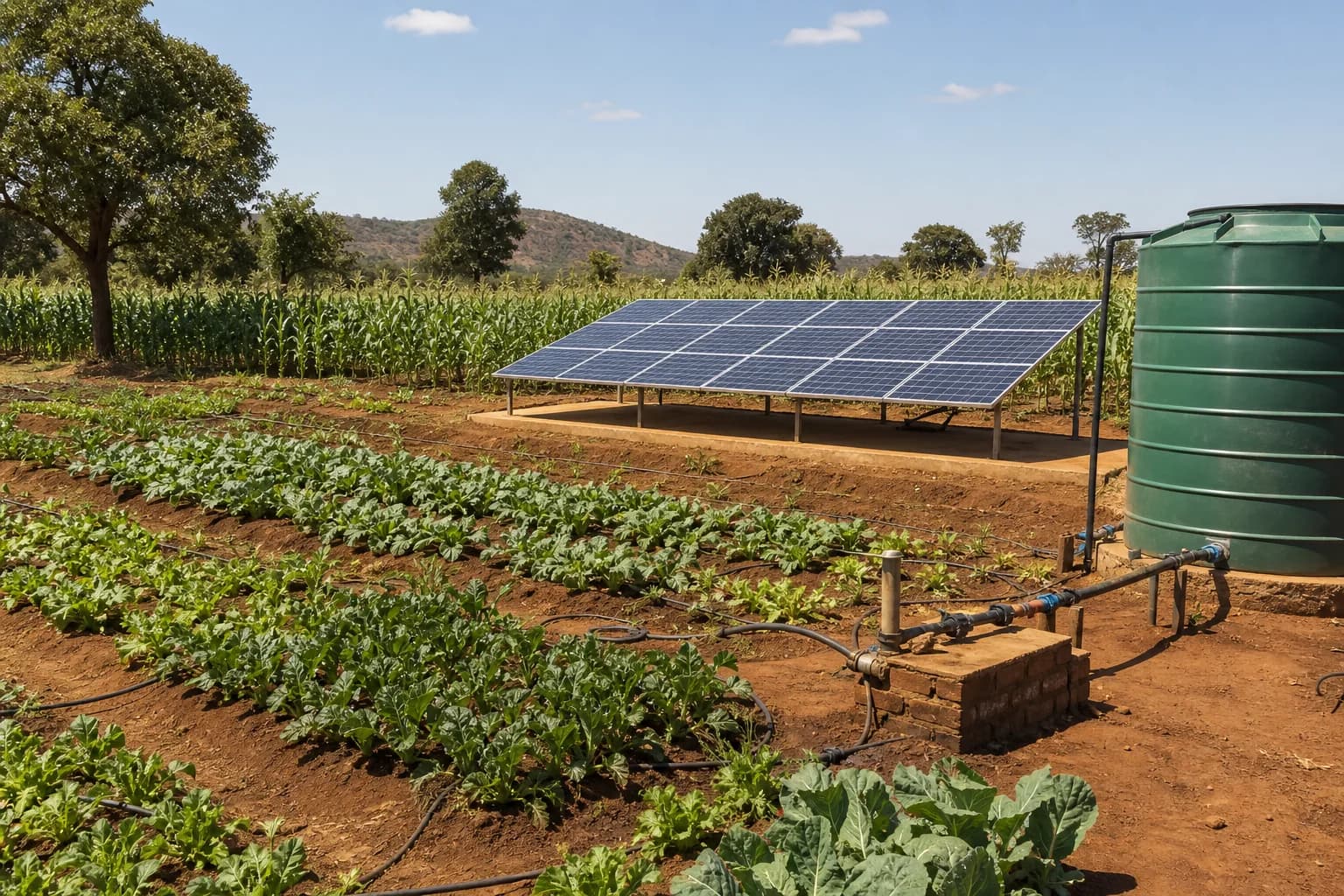
Solar Water Pumping + Agriculture
A solar-pumping RFQ should begin with the water duty and pump curve, not with a guessed PV size.
Start with
Flow + total head
Confirm
Pump curve + pipe route
Plan
Water storage and service