
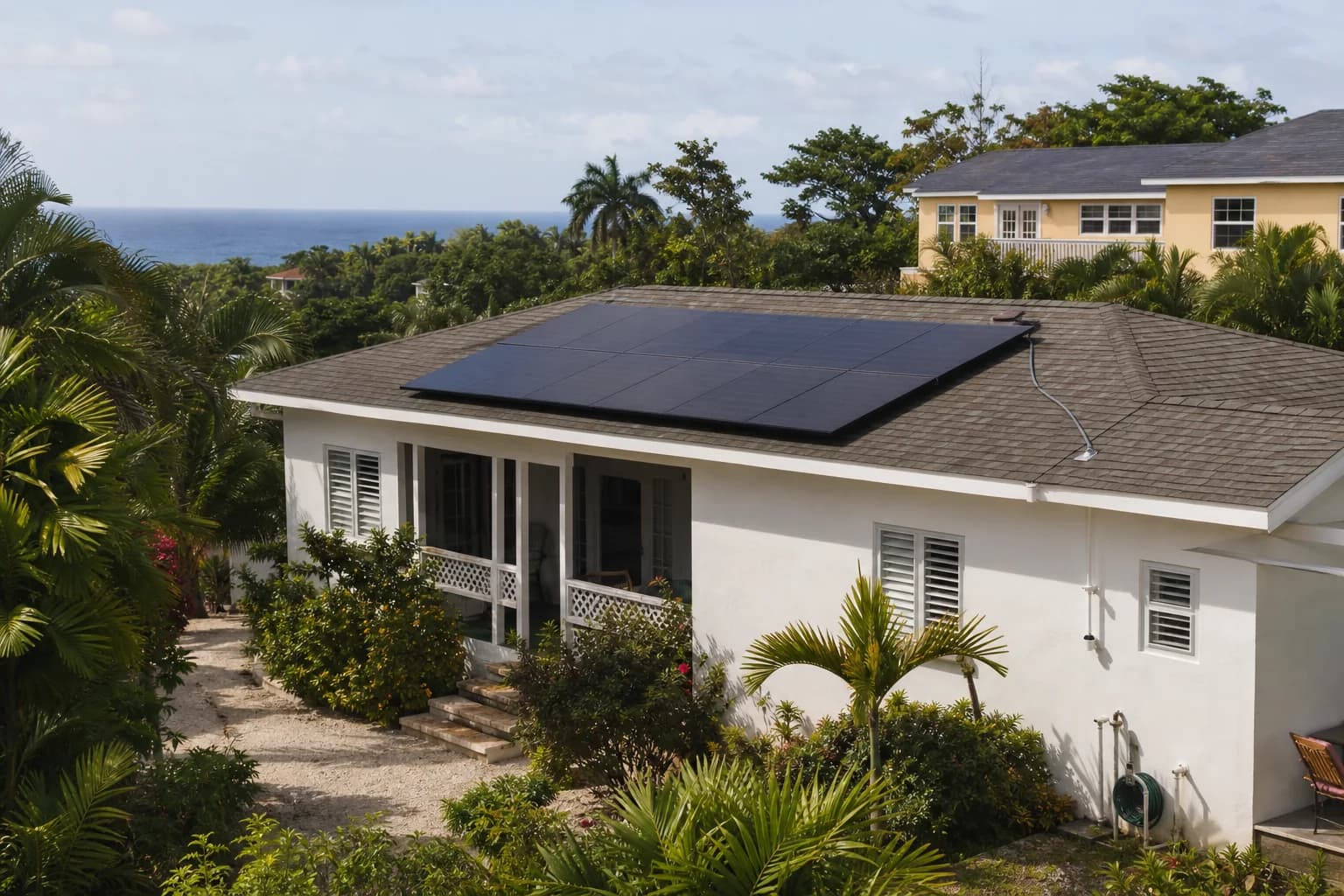
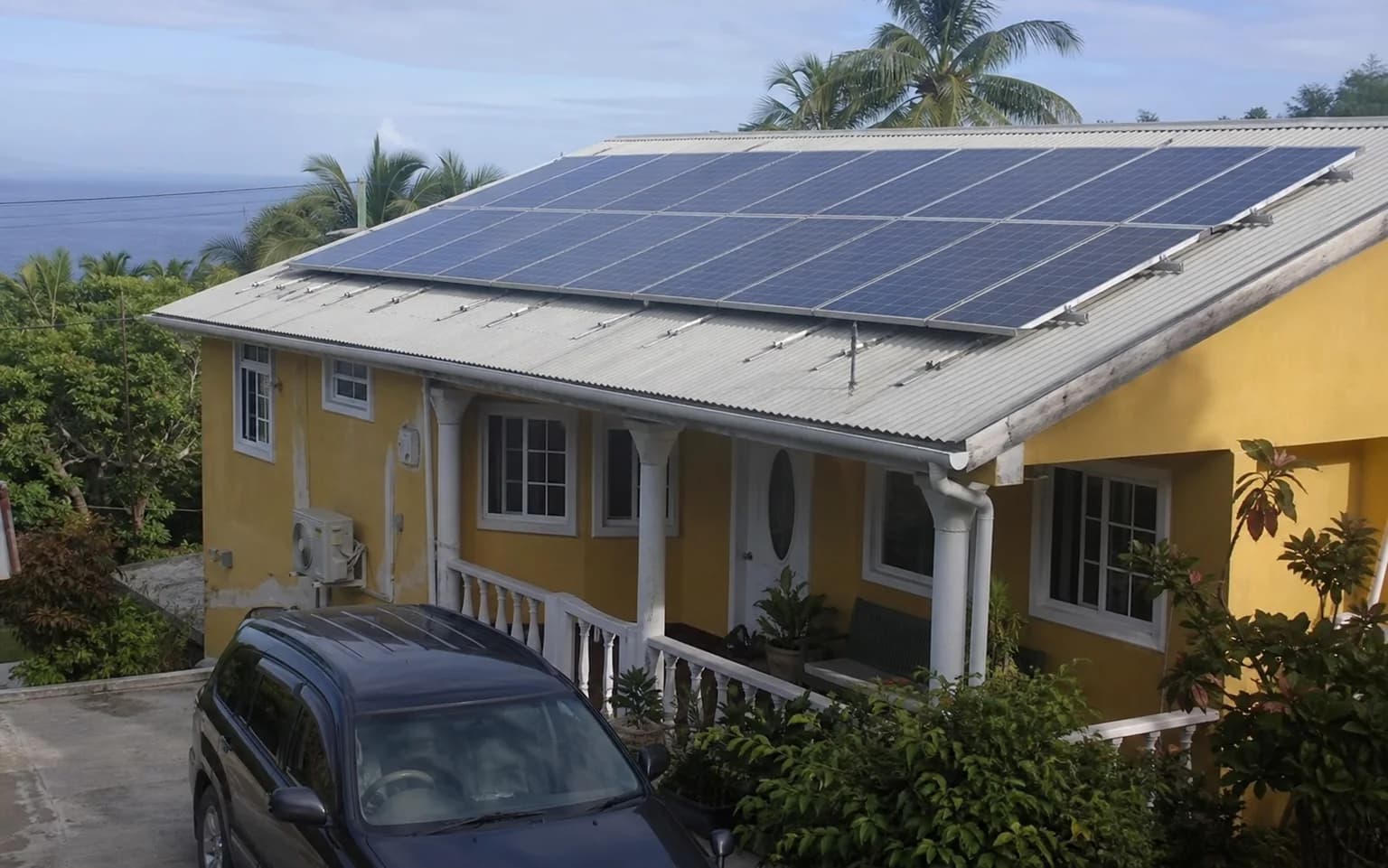
Residential Solar + Essential Backup
For homes, villas and installers that want solar generation plus a clearly defined backup circuit—not an assumed whole-home system.
Procurement content reviewed by the Rongkai Solar Procurement Editorial Desk ·
Start with
Essential loads
Supply scope
PV + hybrid + battery
Final check
Local design and approval
Overview
Start with the loads that matter during an outage: refrigeration, lighting, communications, water pumping or other agreed circuits. From there, the RFQ can bring together PV modules, a hybrid inverter, battery storage, roof hardware and protection equipment. The local installer or EPC still owns the final electrical design, grid approval, protection settings and installation work.
Common Challenges
- Most homeowners do not need every appliance backed up. The hard part is agreeing which circuits must stay on and how long they need to run.
- Installers need one coherent equipment request rather than separate module, inverter, battery and mounting decisions that may not fit together.
- Roof condition, battery pairing, grid settings and destination documents are all project checks; they cannot be confirmed from a package name.
Our Approach
Begin with an essential-load list, site phase, roof area and the period those loads must be supported. Roof area alone is not a sizing method.
Ask for one equipment schedule covering PV, inverter, battery, mounting and protection. The local installer then validates wiring, earthing, protection and permits.
If later battery expansion is important, confirm the exact inverter, BMS and battery platform before treating expansion as an option.
Key Benefits
Defined backup scope
A practical critical-load list avoids presenting an oversized whole-home backup package as the default.
Matched procurement
One BOM can align the equipment interfaces and packing plan before the installer starts work.
Expandable where suitable
Battery expansion can be considered after the final platform, BMS, and load profile are confirmed.
Typical system flow
- 1PV array
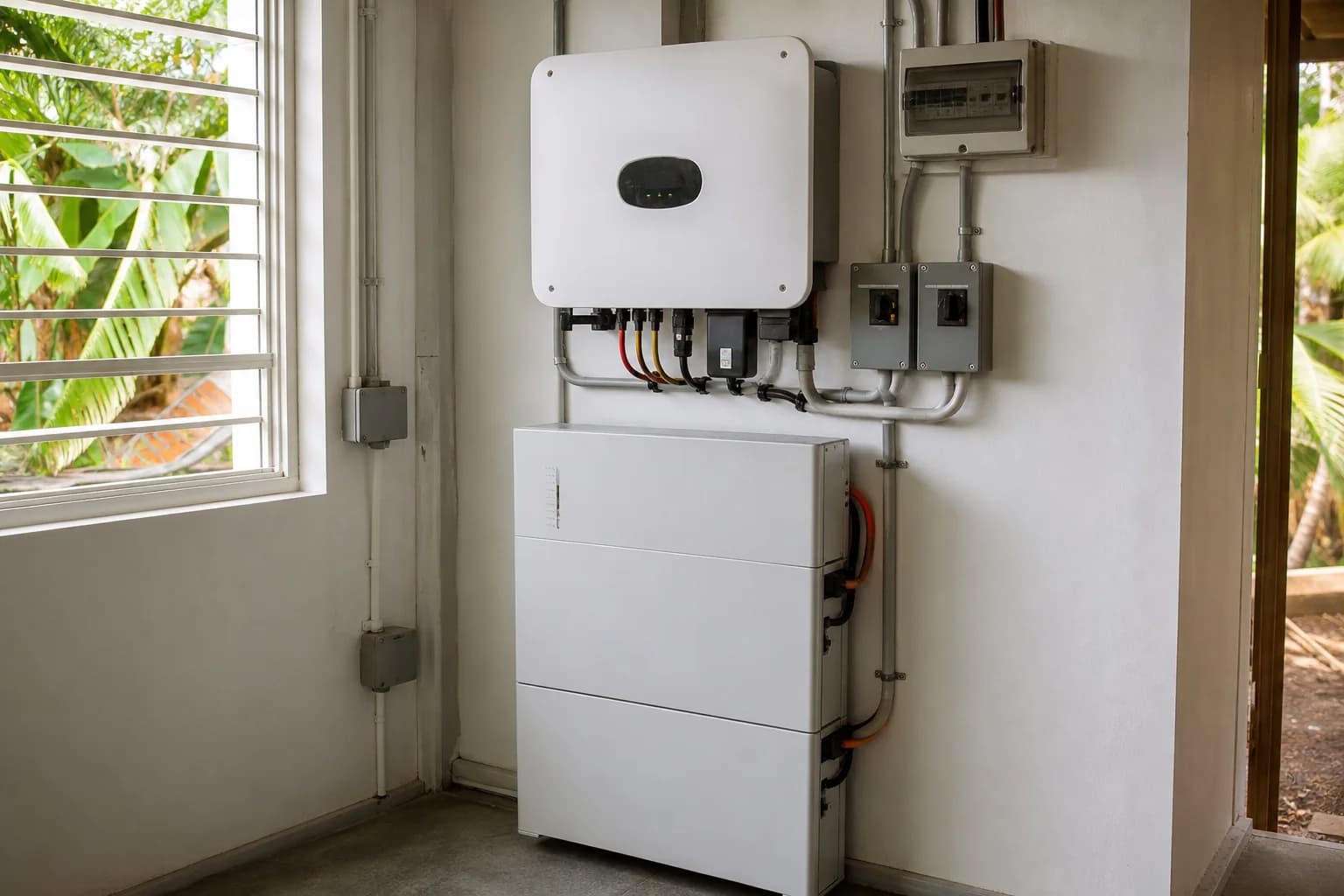
- 2Hybrid inverter
- 3Battery storage
- 4Essential-load board
Typical Configuration
Rooftop PV modules
N-type or monocrystalline modules selected for available roof area and mounting layout.
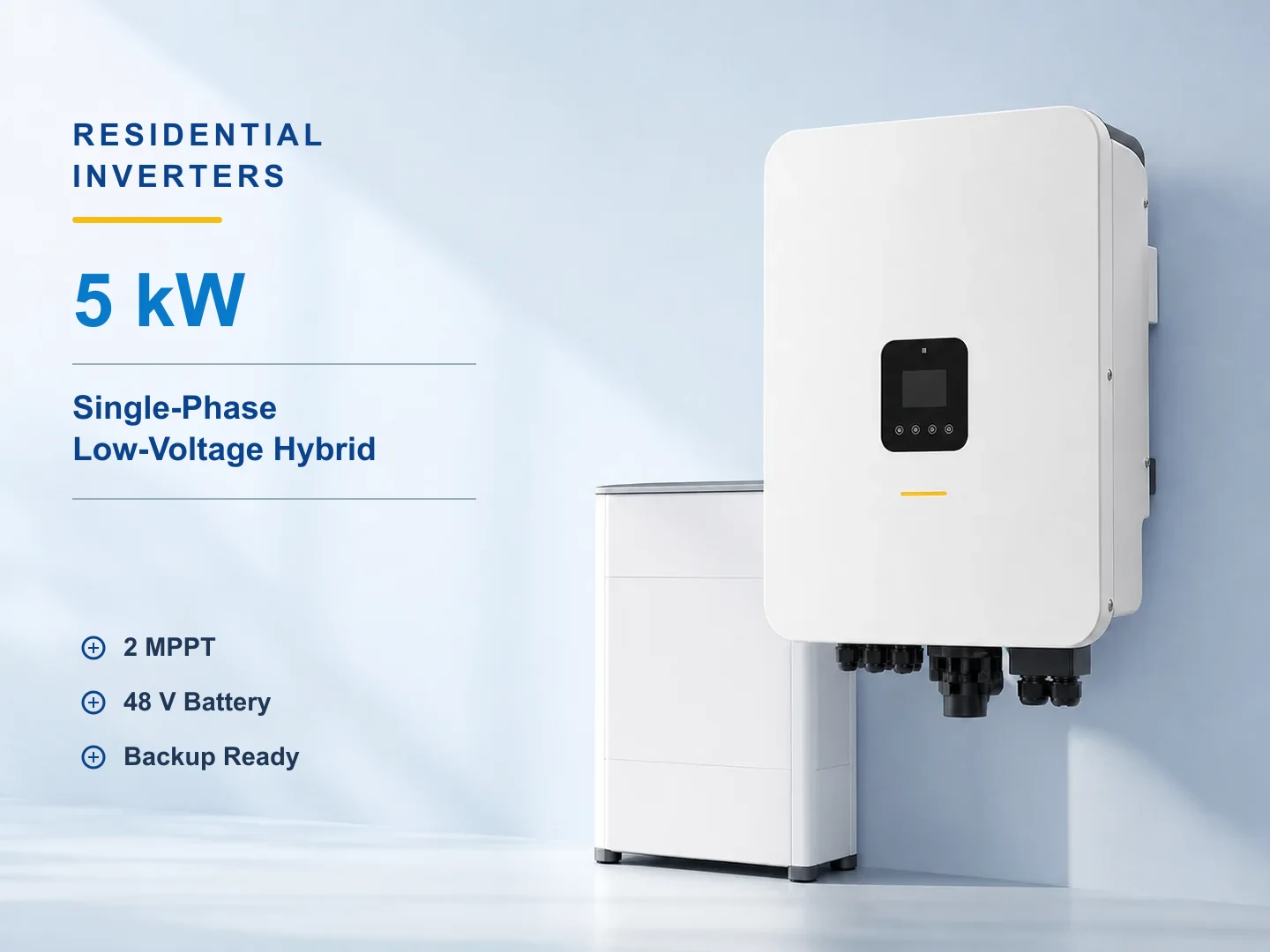
Hybrid inverter
Single- or three-phase platform selected against the local supply and essential-load requirement.
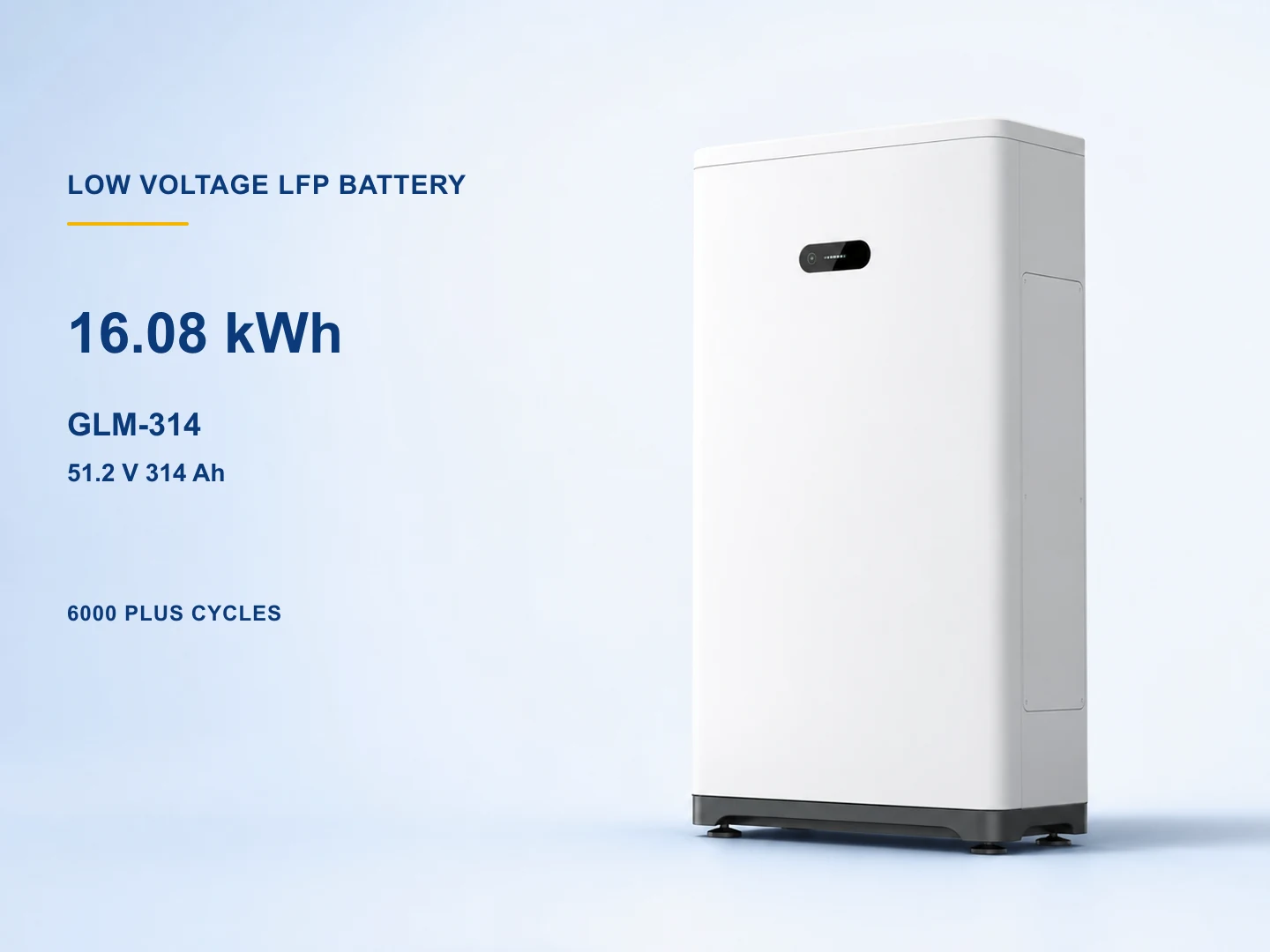
LFP battery storage
Modular low- or high-voltage storage matched to the approved inverter battery interface.
Backup distribution
Separate distribution arrangement for priority circuits, finalized by the local electrical contractor.
Roof mounting and BOS
Racking, cable, isolators, surge protection, connectors, and labels specified to the project scope.
Relevant product platforms
These are independent product research routes, not a validated system bundle. Confirm the exact model, electrical architecture, protocol compatibility, documents, inclusions and project requirements before an order is released.
Other Solutions
 C&I
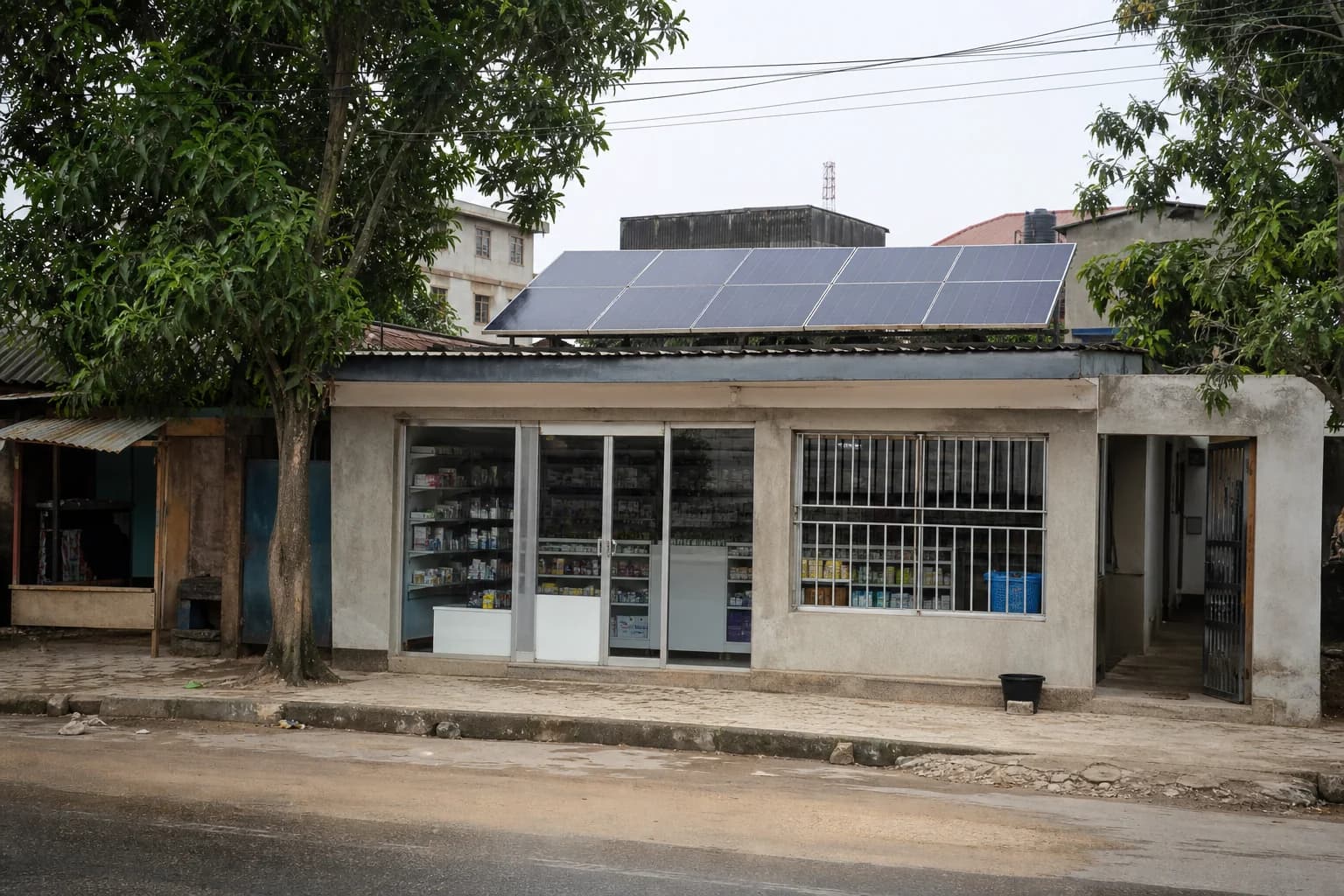
C&ISmall Business Solar + Backup
A practical starting point for businesses that need key equipment to keep running during an interruption, without assuming every load is backed up.
Start with
Priority circuits
Review
Operating hours + starts
Supply scope
PV + storage + protection
 Off-grid
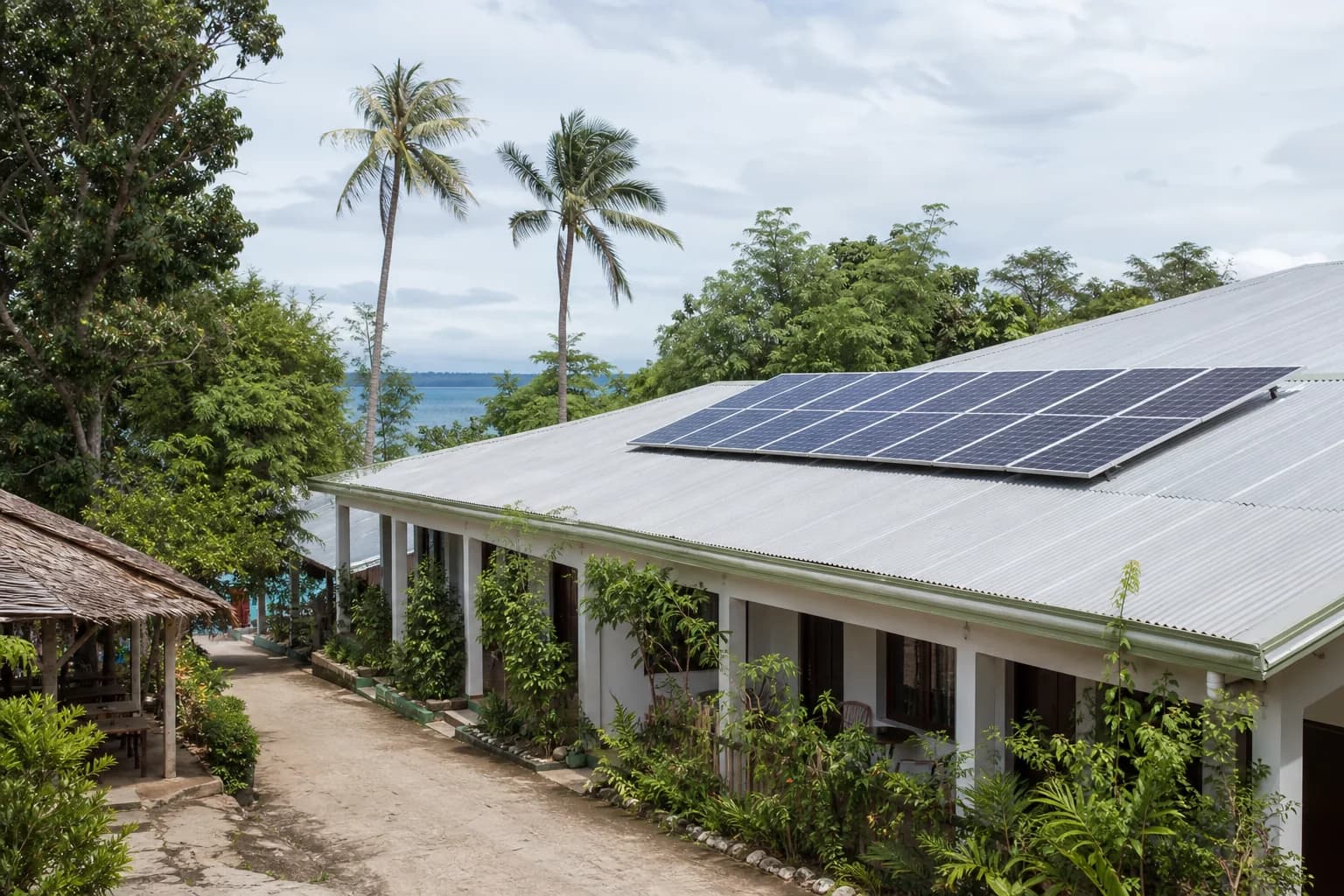
Remote Microgrid + Hybrid Power
For remote and limited-grid sites that need a practical operating plan for PV, battery, generator support and priority loads.
Start with
Load hierarchy
Review
Generator and battery duty
Plan
Service and logistics
 C&I
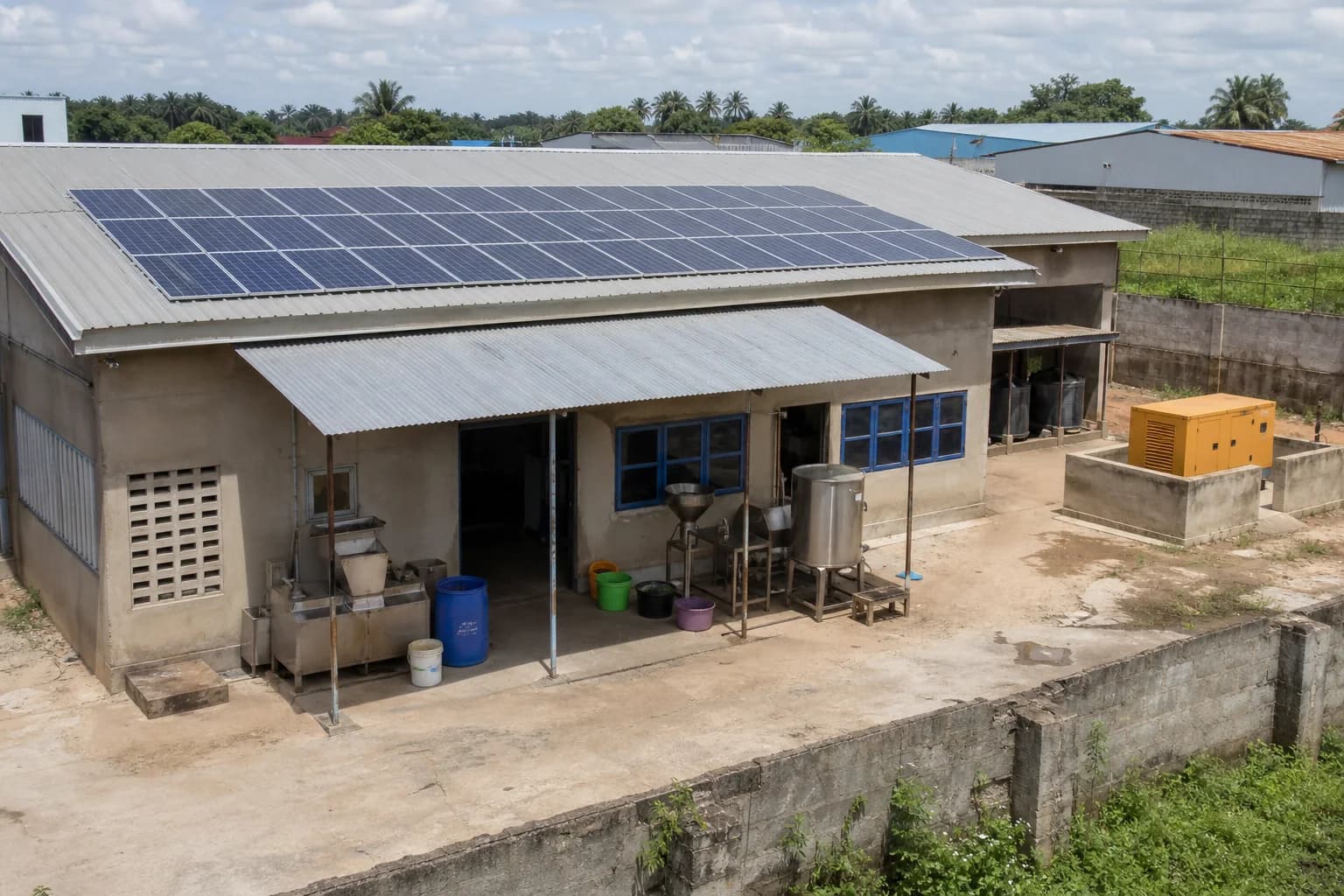
C&ICommercial Solar + Storage Hybrid
For sites where PV alone is not enough: clarify the role of storage, existing generators and priority loads before choosing equipment.
Start with
Load and generator behaviour
Define
Storage operating role
Confirm
Controls + protection scope