
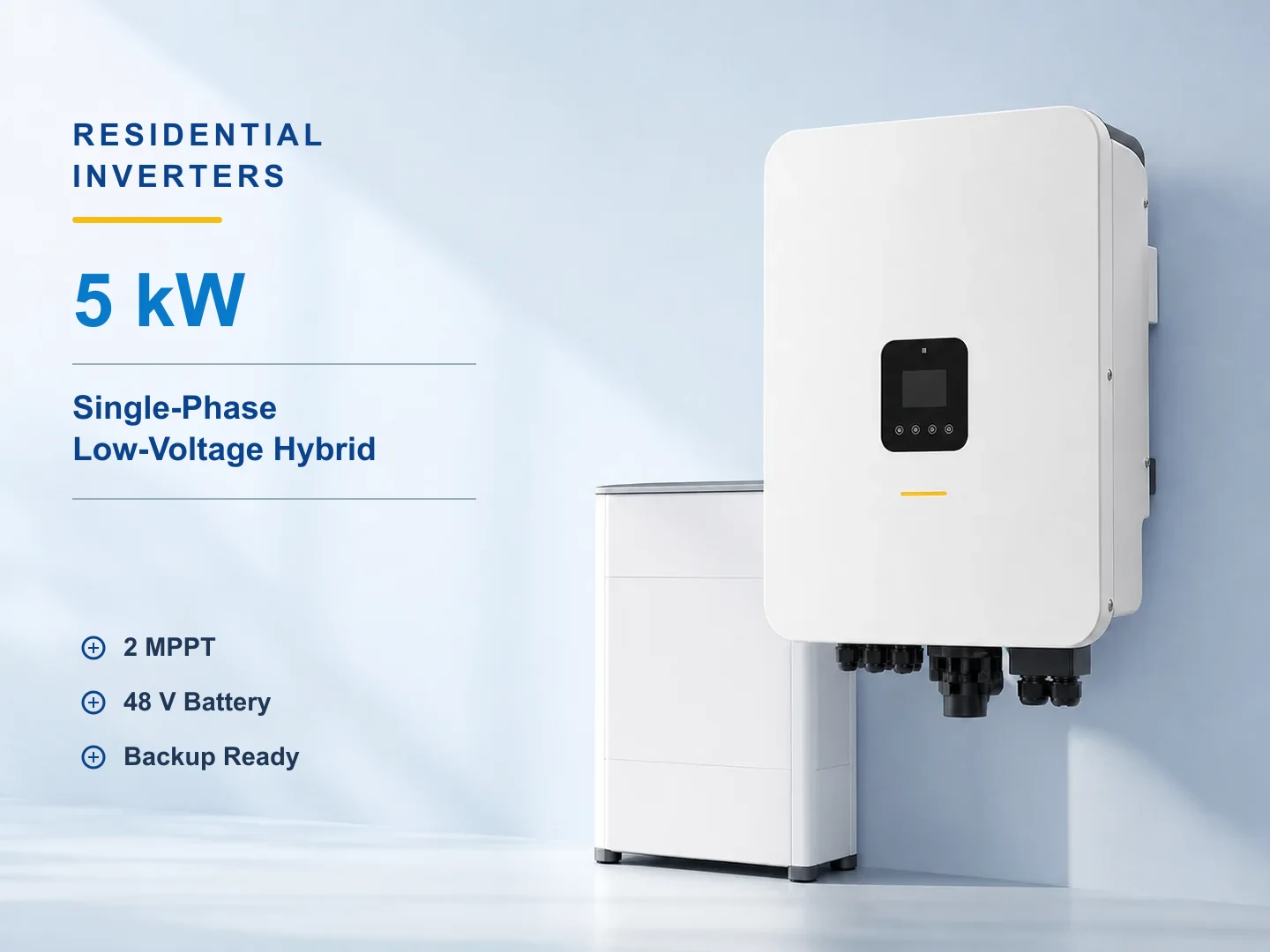
5kW Single-Phase Low-Voltage Hybrid Inverter for Residential RFQs
Current source identity: an internal representative sourcing configuration; no manufacturer, exact factory model or released datasheet is attached.
This page defines a representative 5 kW, 230 V single-phase hybrid-inverter configuration for residential solar, battery self-consumption and an essential-load EPS circuit. The current record lists 10 kW maximum PV input, two MPPT trackers, a 40–60 V battery interface and 5 kW EPS output. It is not a released manufacturer model sheet: the factory model, PV input-current limits, approved battery list, backup behavior, meter/CT, grid code and certificates must be fixed before quotation.
Current sourcing-configuration specifications
These values are preserved from the current internal product record. They define shortlist requirements, not a released manufacturer model; require a matching supplier datasheet before order.
PV Input & MPPT
| Maximum PV input | 10 kW |
|---|---|
| PV / MPPT range | 160–500 V; 500 V max. |
| MPPT configuration | 2 MPPT |
Battery & Backup
| Battery interface | 40–60 V low-voltage lithium or lead-acid |
|---|---|
| Backup / EPS | 5 kW EPS / up to 10 kW short-duration peak |
AC Output & Grid
| Rated AC output | 5 kW |
|---|---|
| AC connection | 230 V single-phase |
| Maximum efficiency | 97.6% max. |
| Grid | 50/60 Hz; grid code selected for destination |
| Rated output current | 21.7 A rated AC output |
Installation & Communication
| Protection rating | IP65 |
|---|---|
| Communication | CAN / RS485 for BMS; Wi-Fi option |
| Dimensions | Approx. 330 × 580 × 232 mm |
| Weight | Approx. 25 kg |
Current document status
A factory model, current datasheet/manual, approved battery list, grid-code certificate set, meter/CT diagram and EPS wiring document are not attached to this record. Treat the displayed values as shortlist requirements until a matching supplier submission is approved.
Current configuration evidence
Separate procurement requirements from a released factory model
The values below can frame a shortlist, but the eventual quotation must map every value to one exact manufacturer model and suffix.
AC and operating role
The record specifies 5 kW, 230 V single-phase hybrid operation. Confirm nominal AC voltage, frequency, grid-connected rating, backup rating, neutral arrangement and operating modes on the selected model.
PV and MPPT
The record lists 10 kW maximum PV input, two MPPT trackers and a 160–500 V range. Cold Voc, Vmp, Isc, Imp, per-MPPT current and string allocation remain missing.
Low-voltage battery route
A 40–60 V lithium-or-lead-acid interface is stated. This does not establish BMS protocol, approved battery models, current limits, charger settings or lead-acid charge profiles.
EPS and enclosure
The record lists 5 kW EPS, short-duration peak wording and IP65. Transfer time, overload duration, pass-through, restart, bypass and installation restrictions need model evidence.
Residential hybrid RFQ checks
Six inputs needed to convert this configuration into a valid quotation
A technical buyer should define the roof, battery, grid and essential loads before accepting a 5 kW label.
Roof and PV strings
Provide module model, quantity, orientation, minimum temperature, Voc/Vmp/Isc/Imp and proposed strings per MPPT so voltage and current can be checked.
Grid and destination
State country, utility, 230 V/frequency, export limit, phase/neutral arrangement and required grid code, safety and EMC evidence.
Battery pairing
Provide exact battery model, voltage window, capacity, maximum current, BMS protocol/firmware, approved-list evidence and intended series/parallel layout.
Essential-load EPS
List continuous and startup W/VA, power factor, motor/compressor loads, permitted transfer time, desired autonomy and circuits excluded from backup.
Metering and control
Confirm meter/CT model and direction, zero-export logic, time-of-use controls, generator input if required, monitoring hardware and communication interfaces.
Commercial and document scope
Request the exact model/suffix, datasheet, manual, battery list, certificates, warranty, included accessories, packing, quantity, lead time and substitution rules.
Compatibility and performance boundaries
Hybrid, 10 kW PV and 40–60 V do not prove a complete system
System behavior depends on the exact inverter, battery, firmware, grid settings, wiring and load profile.
PV oversizing is conditional
A 10 kW array label does not approve every module/string design. Voltage at temperature, current per MPPT, clipping, orientation and local design rules still govern.
Battery voltage is not compatibility
Matching a 40–60 V window does not prove BMS communication, current capability, firmware support, warranty acceptance or safe charge settings.
EPS is not whole-home backup
A 5 kW EPS value does not establish transfer time, surge duration, neutral behavior, generator compatibility or the ability to start every household load.
Grid readiness is destination-specific
IP65, Wi-Fi or a generic grid-code statement cannot replace the exact certificate, firmware setting, export-control hardware and utility acceptance required locally.
Continue the hybrid-inverter review
Connect the inverter shortlist to a complete residential system
Use the solution page for system scope and the compatibility guide for model-level evidence.
Residential solar and backup solution
Define PV, battery, essential-load distribution, protection and local installer responsibilities as one system.
Review system scope →Battery–inverter compatibility checks
Check voltage, current, protocol, firmware, approved lists and warranty evidence before pairing equipment.
Review pairing evidence →5 kW hybrid inverter FAQ
Questions to close before selecting a factory model
The current page is a procurement specification, not a manufacturer approval sheet.
Is this an exact manufacturer model?
No. It is a representative sourcing configuration. The quotation must identify one manufacturer, full model and suffix and attach matching released documentation.
Can any 48 V lithium battery be connected?
No. Confirm voltage and current limits, CAN/RS485 protocol, firmware, approved-list status, settings and written warranty acceptance for the exact inverter–battery pair.
Does 5 kW EPS mean whole-home backup?
Not automatically. Separate essential loads, calculate continuous and startup demand, and confirm transfer, overload, pass-through, neutral and protection behavior.
What should the RFQ request?
Request the exact model, PV current table, battery list, EPS data, grid-code documents, meter/CT, monitoring, included accessories, warranty, packing and current commercial terms.
Build a model-specific 5 kW hybrid inverter RFQ
Send the PV module/string plan, battery model, essential-load schedule, destination grid, export-control method, monitoring and required documents so one exact factory model can be evaluated.
Start with the product, application or project information you have. We can help identify the remaining configuration, document or delivery questions before a final quotation.
Verify a 5 kW Hybrid ModelRelated Products
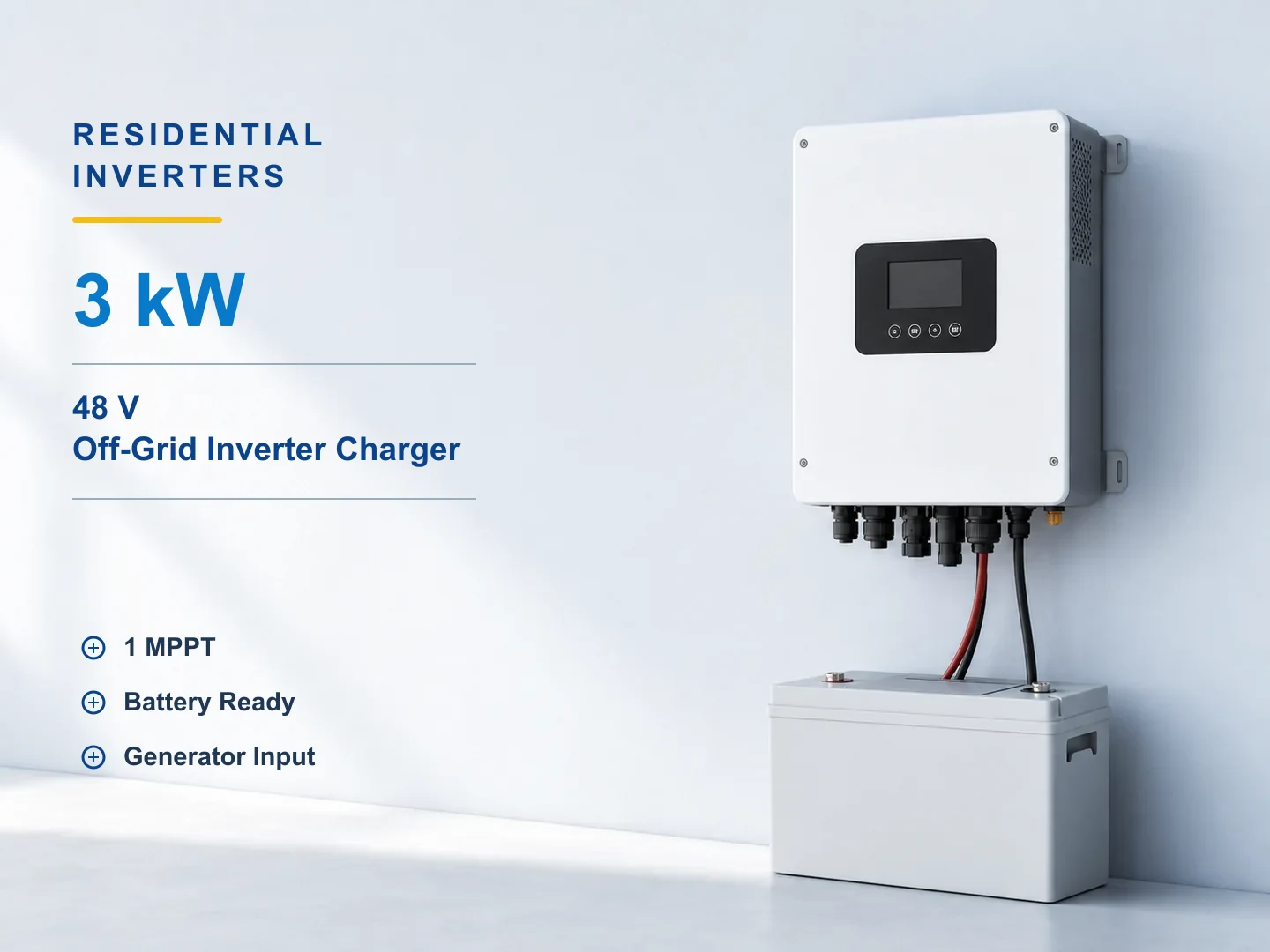
3kW 48V Off-Grid Inverter Charger
3 kW off-grid inverter charger for remote homes, cabins and weak-grid sites.
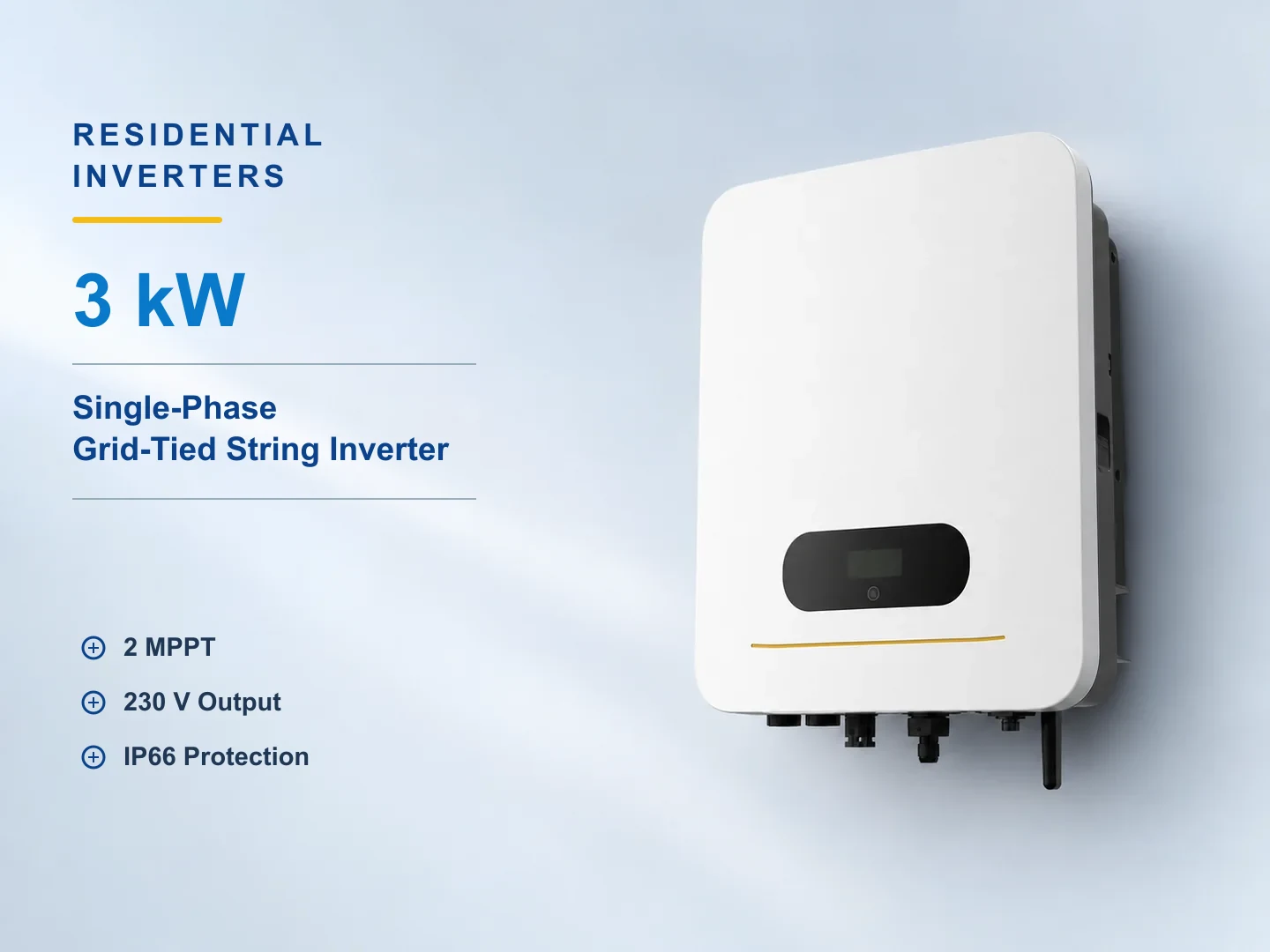
3kW Single-Phase Grid-Tied String Inverter
3 kW single-phase on-grid for apartment and small-home rooftop systems.
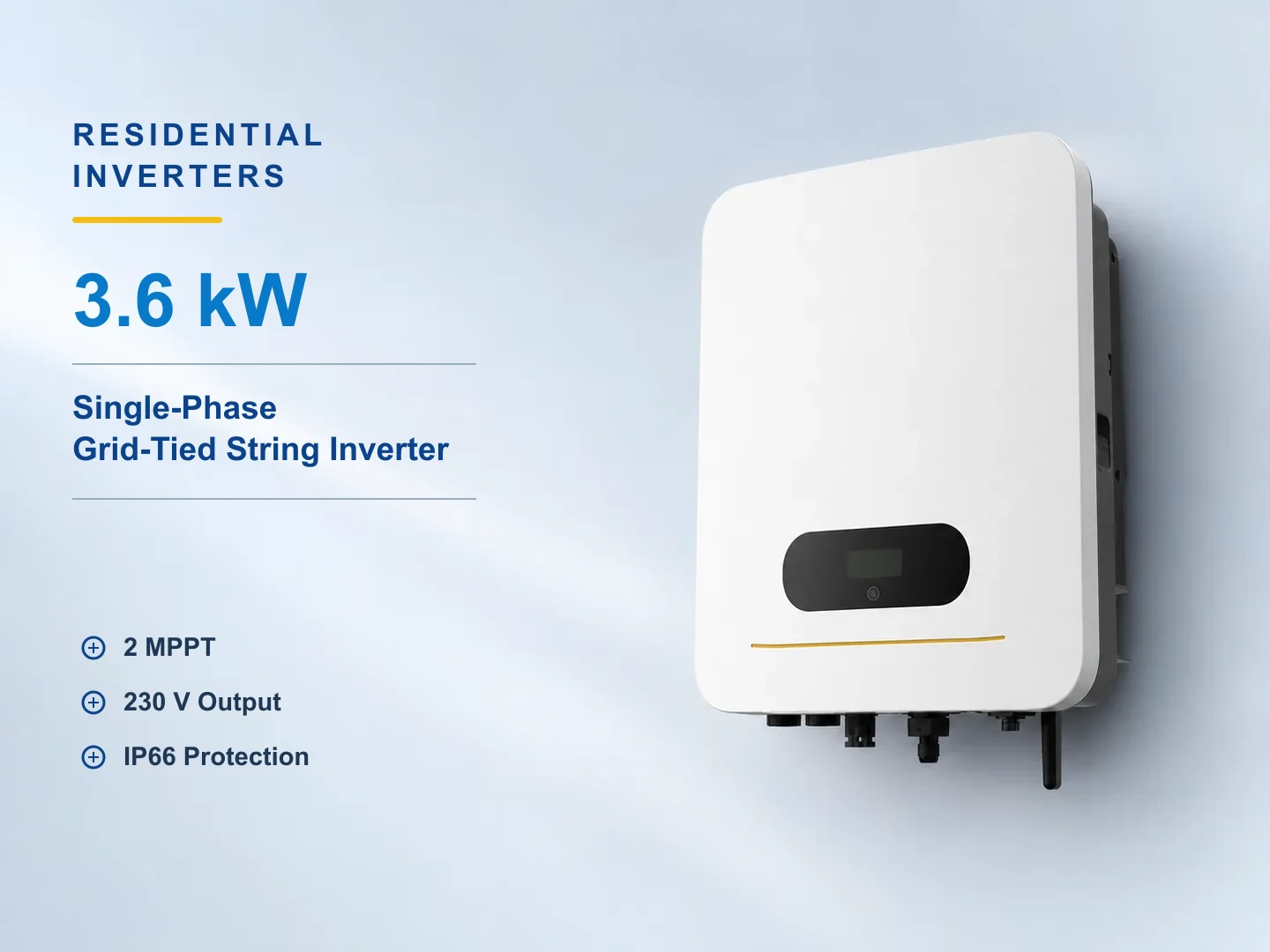
3.6kW Single-Phase Grid-Tied String Inverter
3.6 kW single-phase on-grid for standard residential rooftops.