
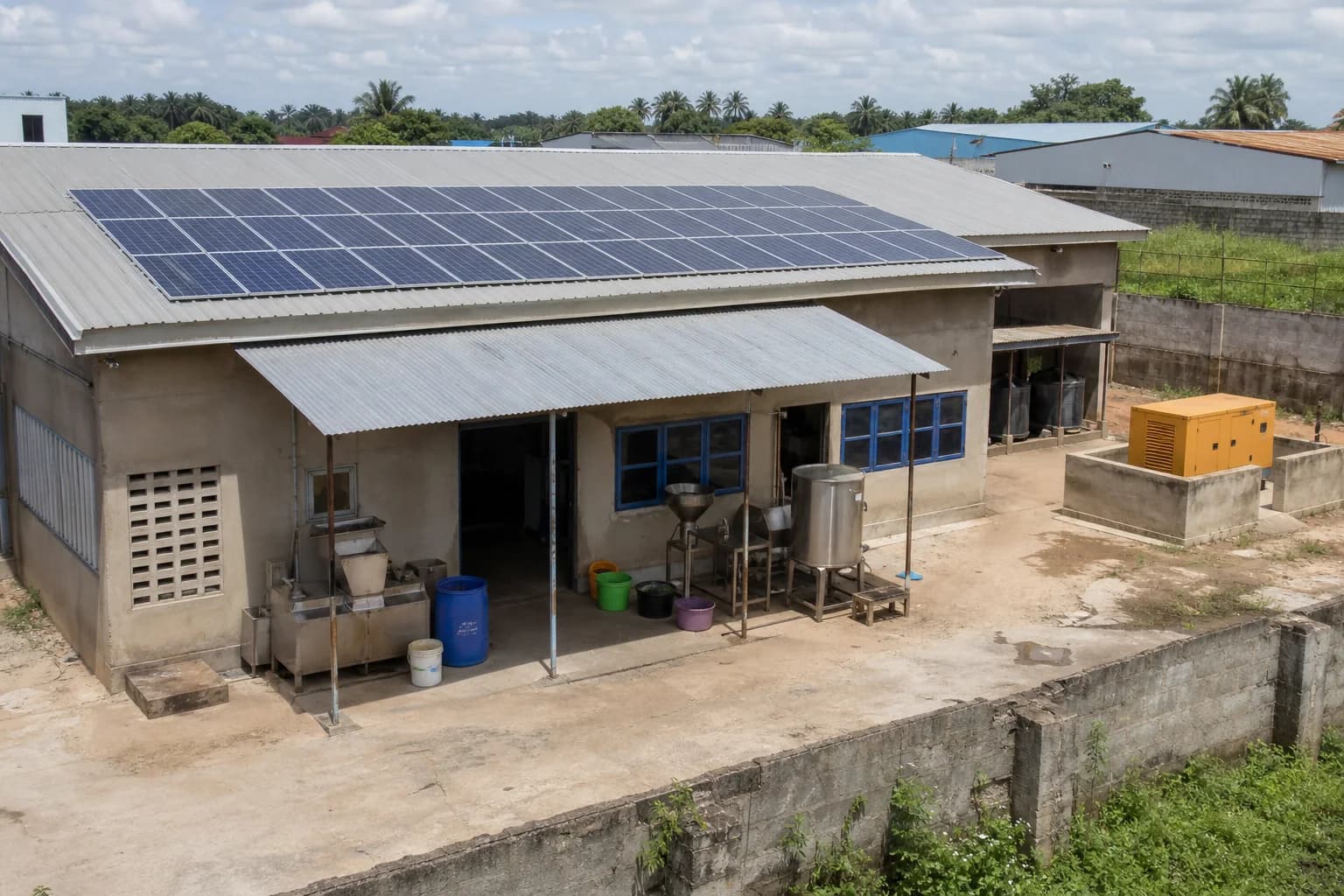
Commercial Solar + Storage Hybrid
For sites where PV alone is not enough: clarify the role of storage, existing generators and priority loads before choosing equipment.
Procurement content reviewed by the Rongkai Solar Procurement Editorial Desk ·
Start with
Load and generator behaviour
Define
Storage operating role
Confirm
Controls + protection scope
Overview
At commercial sites with variable loads, the storage question is not simply how many kWh to buy. The team must first agree whether the project is addressing continuity, generator operation, daytime PV use, peak demand or a combination of these. This page turns those decisions into a controlled request for PV, power conversion, battery, controls and protection equipment, while leaving final controls, protection coordination, fire-safety design and commissioning with the appointed EPC or integrator.
Common Challenges
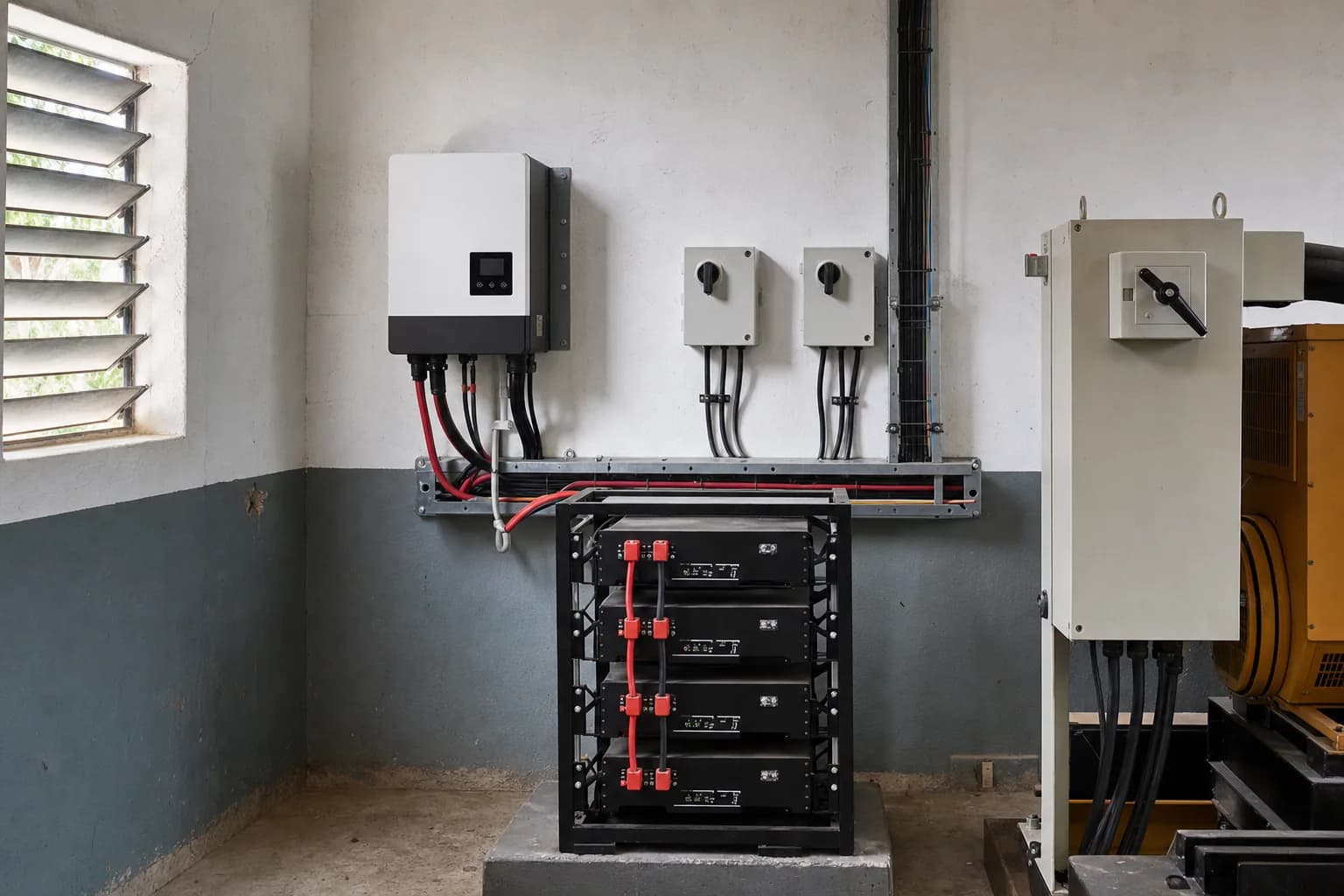
- Factories and cold-chain sites often have changing production loads and an existing diesel generator.
- A battery cannot be sized responsibly as a percentage of PV capacity without the operating objective and load profile.
- Supplier, EPC and owner roles for equipment, controls, installation and commissioning must be recorded in one scope.
Our Approach
Review load timing, peaks, motor starts, generator characteristics and the intended role of storage before selecting a platform.
Let the project design decide between AC- and DC-coupled routes, with the required control and protection interfaces documented.
Issue one supply schedule that states included equipment as well as local engineering and commissioning exclusions.
Key Benefits
Objective-led sizing
The package can be built around daytime offset, continuity, generator reduction, or peak management rather than a generic ratio.
Clear delivery boundary
Supply scope and local engineering responsibilities are stated before shipment.
Scalable platform review
PV and storage expansion options can be assessed against the final architecture and site constraints.
Typical system flow
- 1PV generation
- 2Hybrid inverter / PCS
- 3LFP storage
- 4Critical loads + generator interface
Typical Configuration
PV generation
Module and string-inverter blocks sized to the daytime energy target and site layout.
Commercial LFP storage
Rack or containerized storage with BMS and thermal-management scope confirmed for the final platform.
Hybrid inverter / PCS
Power conversion equipment selected for voltage, load, backup mode, and approved battery compatibility.
Metering and controls interfaces
Interfaces required for monitoring, generator coordination, and the EPC's energy-management design.
Relevant product platforms
These are independent product research routes, not a validated system bundle. Confirm the exact model, electrical architecture, protocol compatibility, documents, inclusions and project requirements before an order is released.
inverters
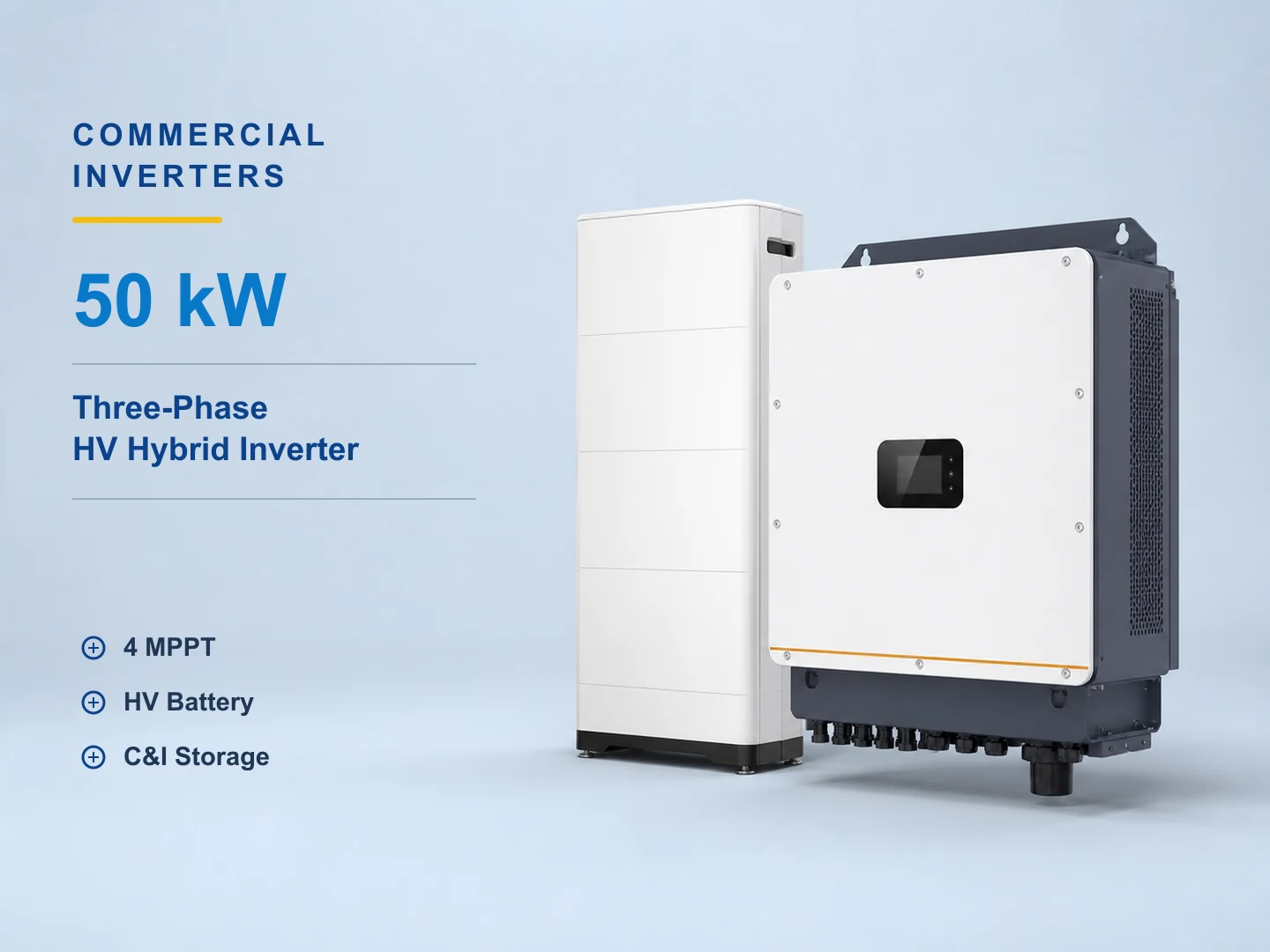
50kW Three-Phase Commercial High-Voltage Hybrid Inverter
50 kW three-phase high-voltage hybrid inverter for factories, retail facilities and C&I storage projects with PV retrofit needs.
storage
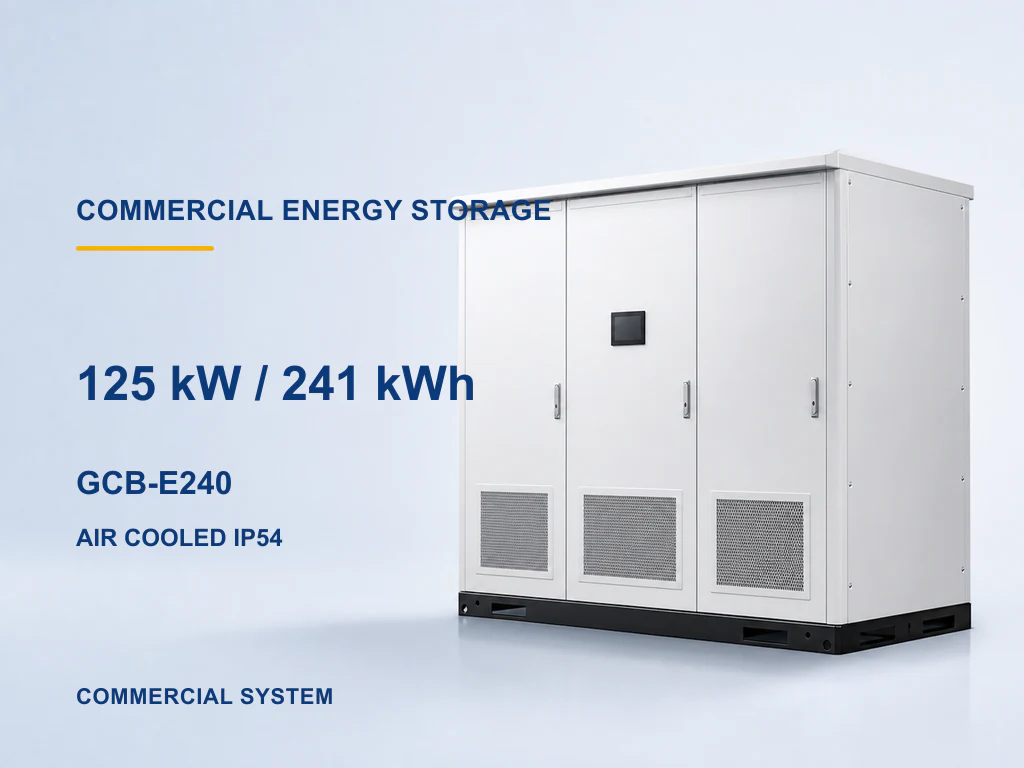
GCB-E240 125kW / 241kWh C&I Energy Storage Cabinet
125 kW rated charge and discharge power / 241.15 kWh / 215.04 kWh, depending on LFP battery option air-cooled commercial & industrial energy storage cabinet for commercial peak shaving, solar-plus-storage and demand-charge management.
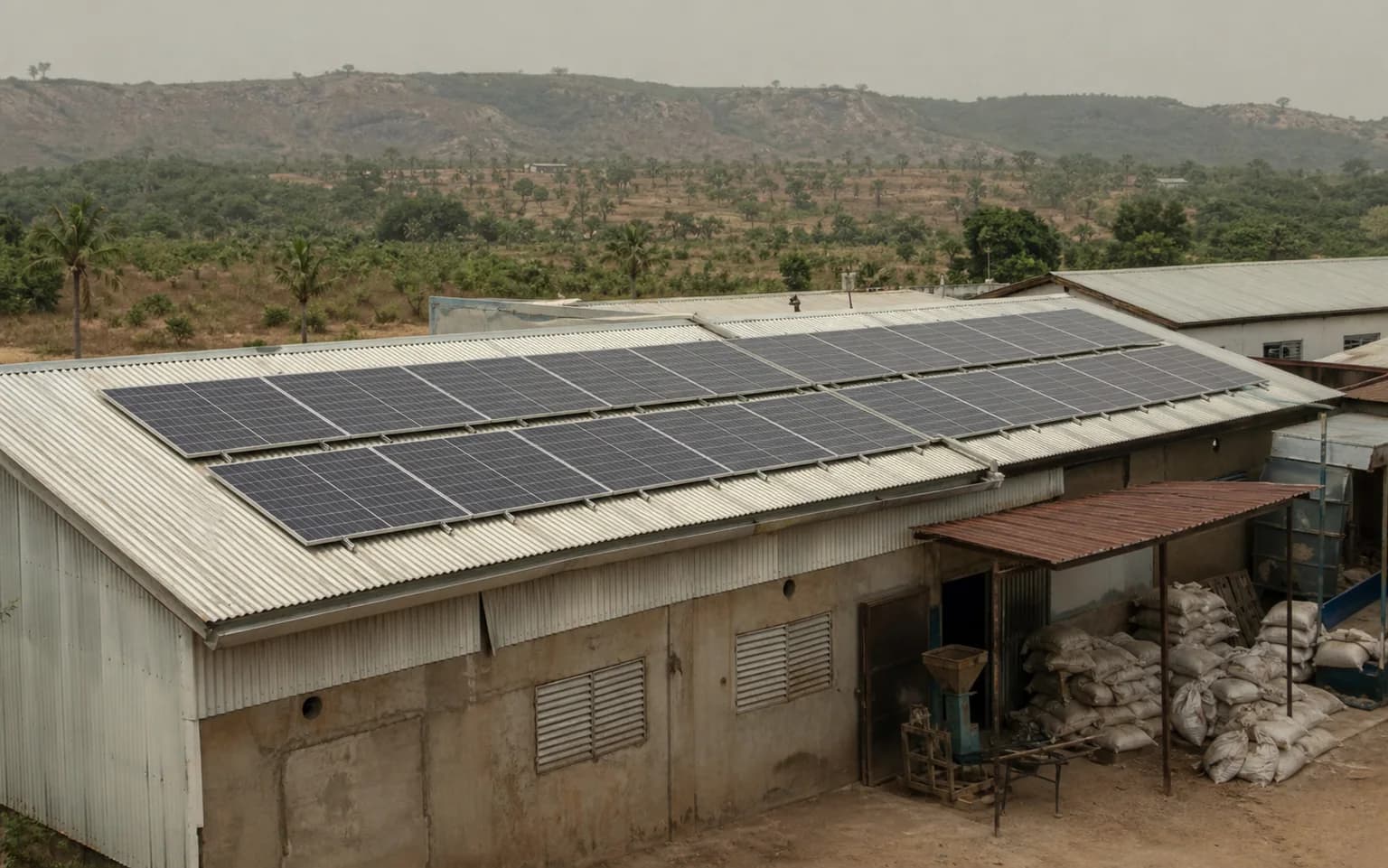
Other Solutions
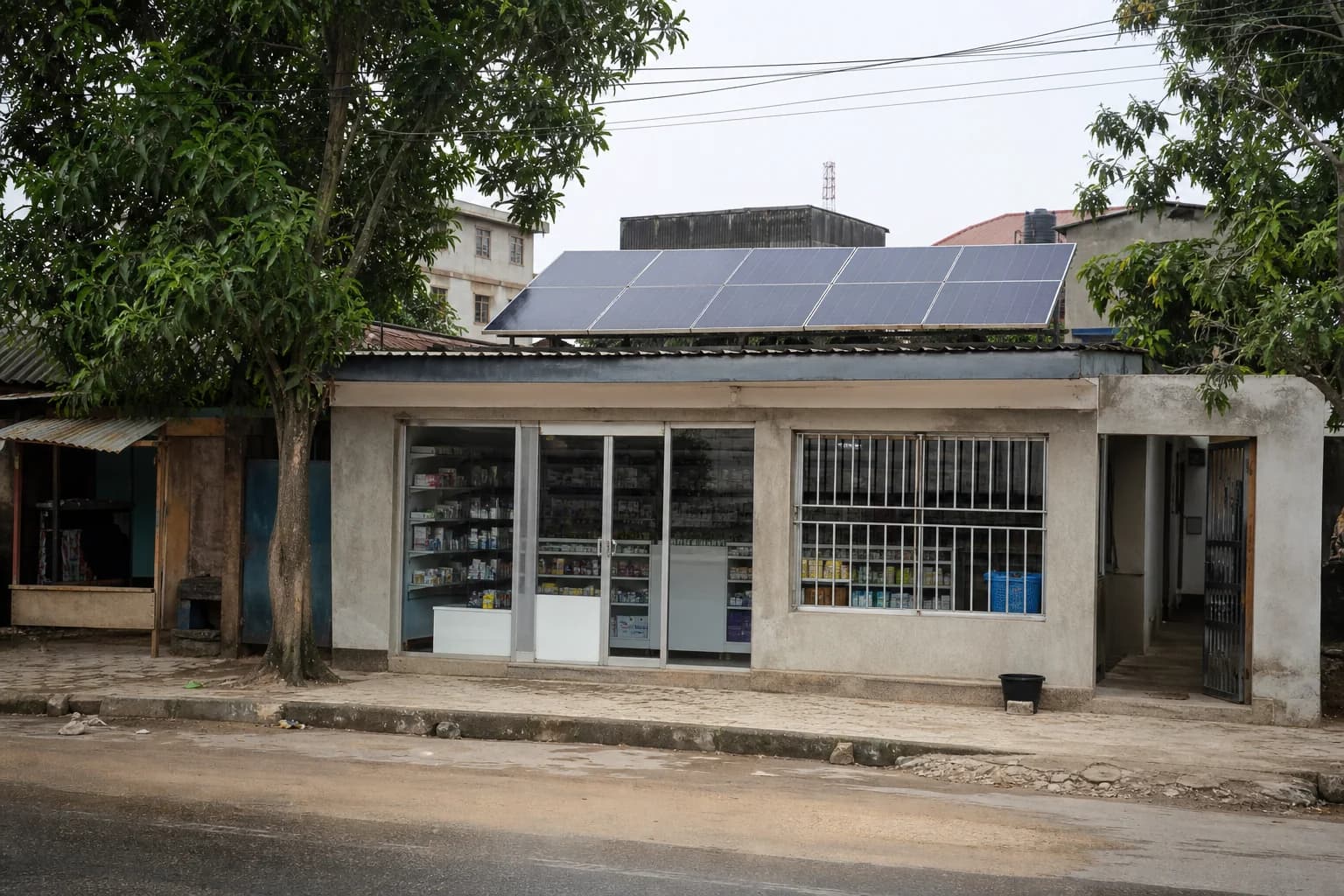 C&I
C&ISmall Business Solar + Backup
A practical starting point for businesses that need key equipment to keep running during an interruption, without assuming every load is backed up.
Start with
Priority circuits
Review
Operating hours + starts
Supply scope
PV + storage + protection
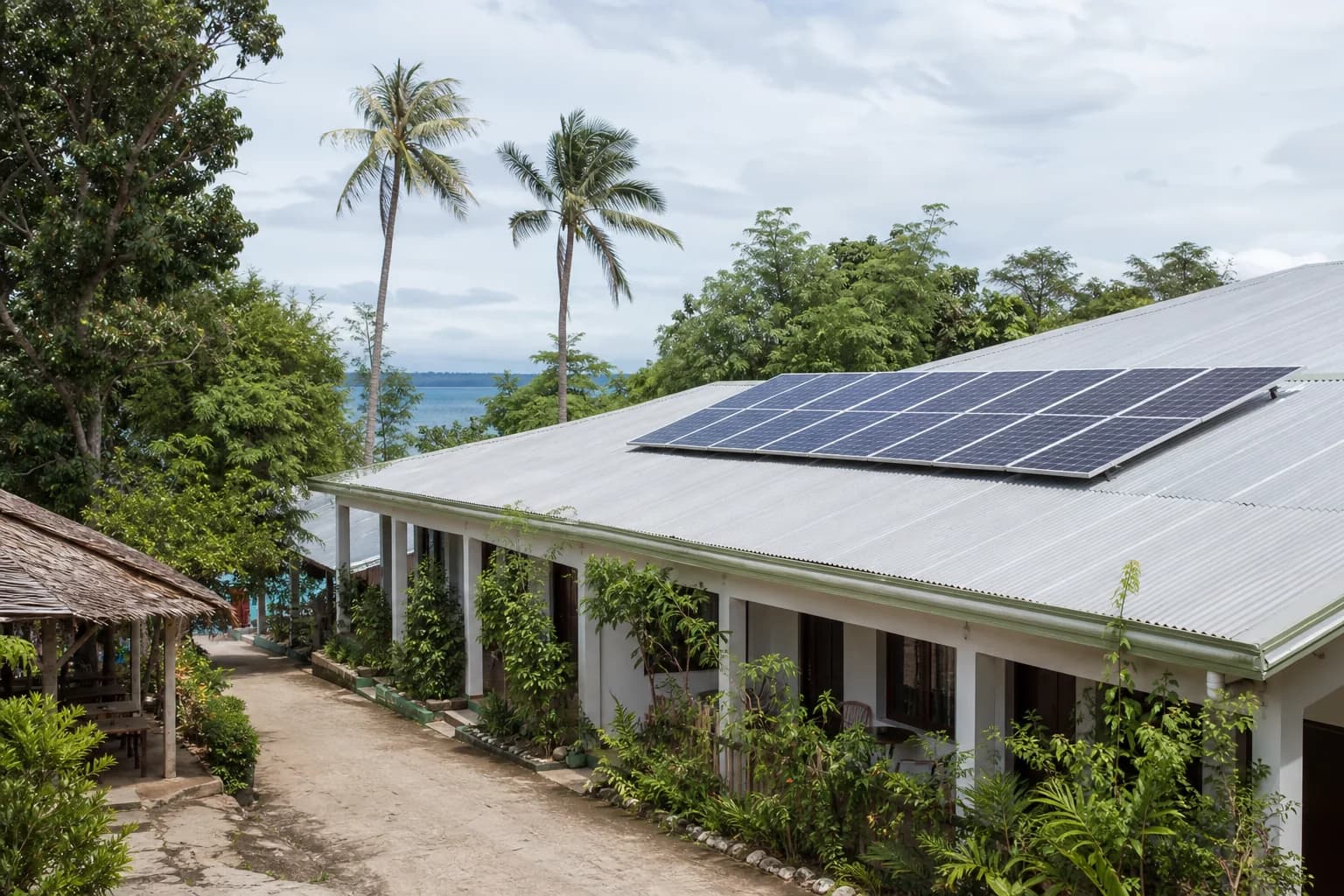 Off-grid
Remote Microgrid + Hybrid Power
For remote and limited-grid sites that need a practical operating plan for PV, battery, generator support and priority loads.
Start with
Load hierarchy
Review
Generator and battery duty
Plan
Service and logistics
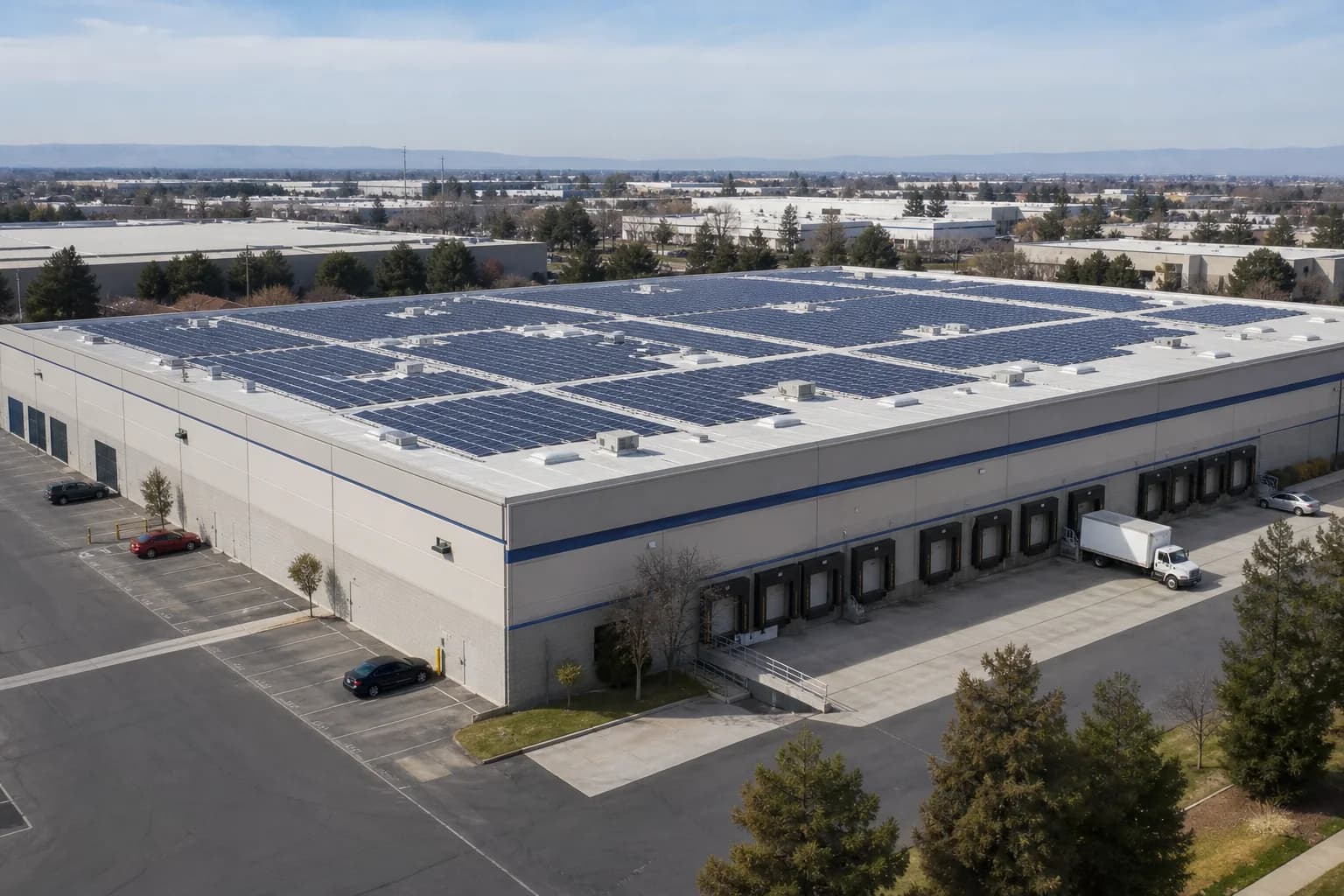 C&I
C&ICommercial Rooftop Solar
A procurement route for warehouses, factories and commercial buildings where roof use, daytime demand and construction sequencing all matter.
Start with
EPC layout and load data
Supply scope
Modules + inverters + BOS
Delivery
BOM-led and phased