
Compare the 13 displayed Deye monitoring and accessory pages
Open the exact page for source-derived function, then confirm supported equipment/firmware, electrical/protocol interface, cloud region, included hardware, licenses/services, files, quantities and commissioning scope.
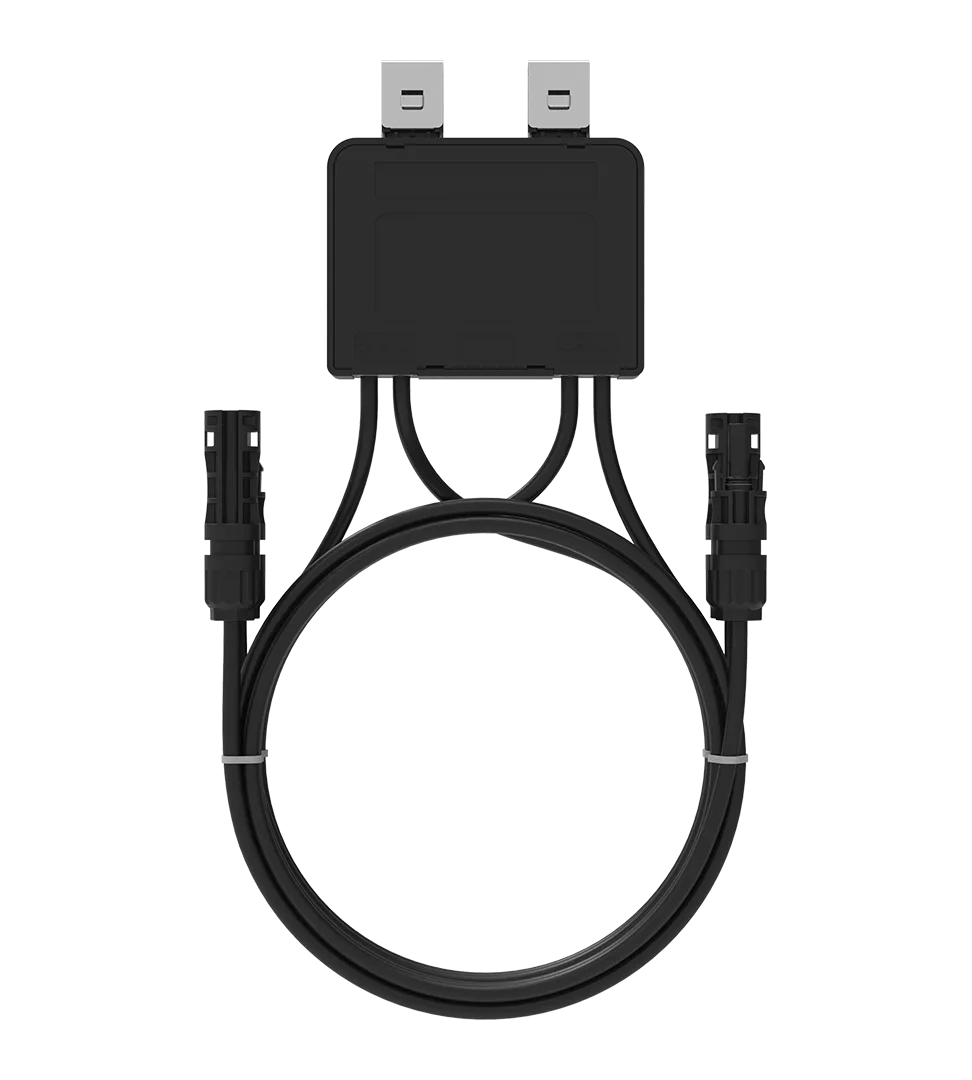
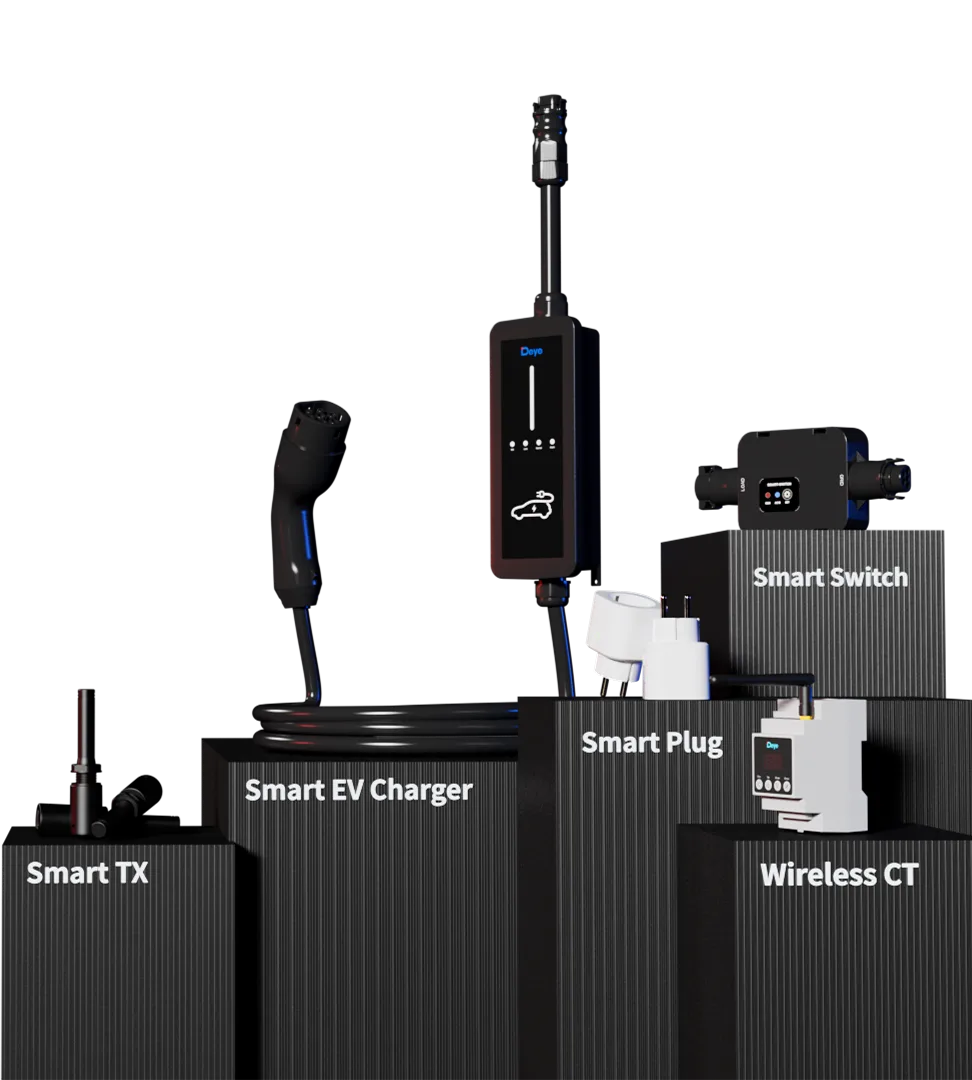
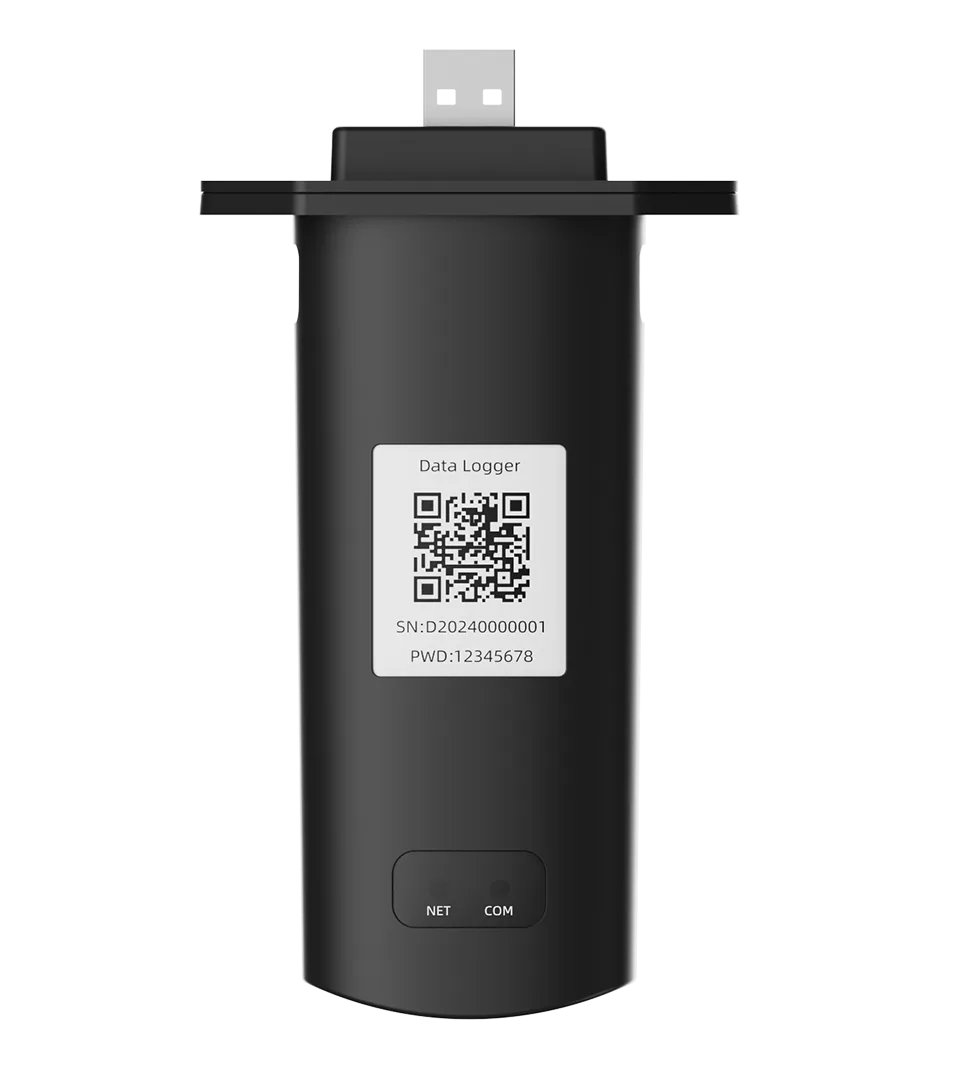
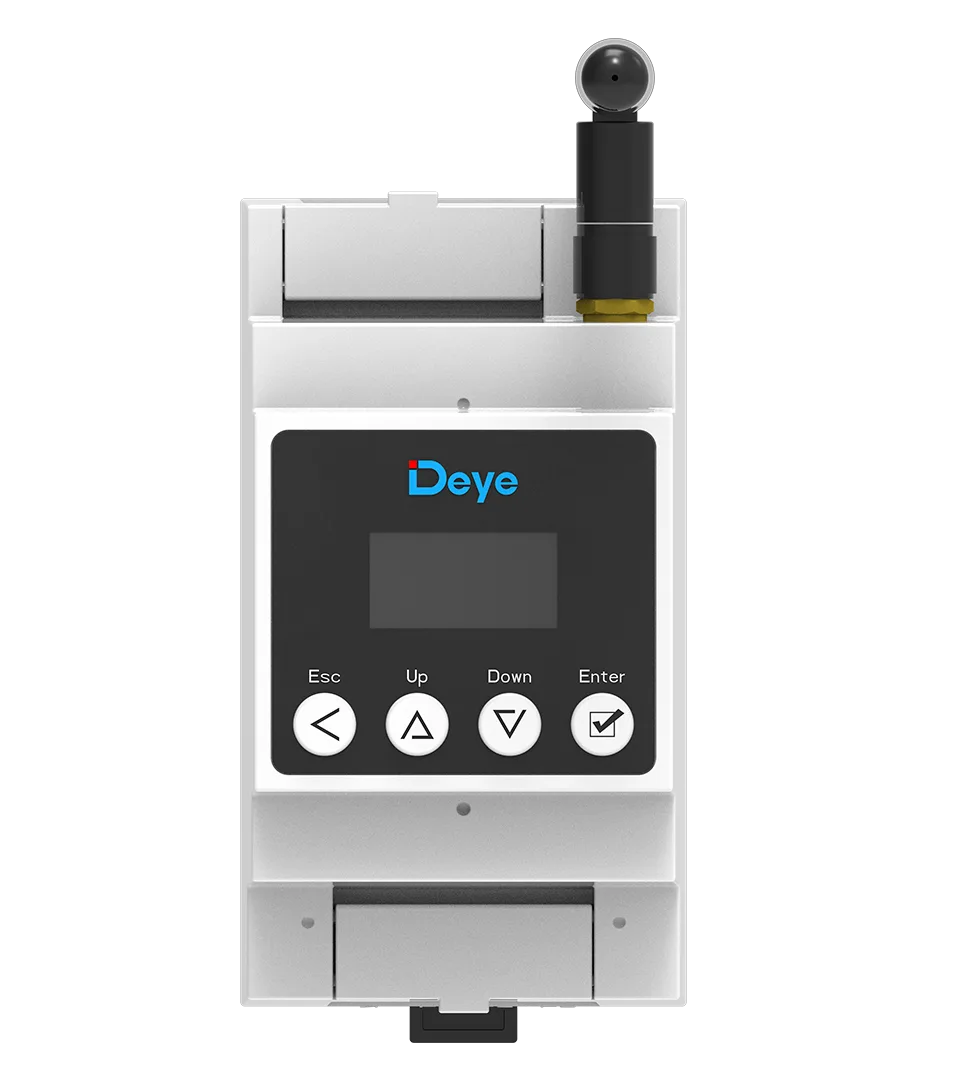
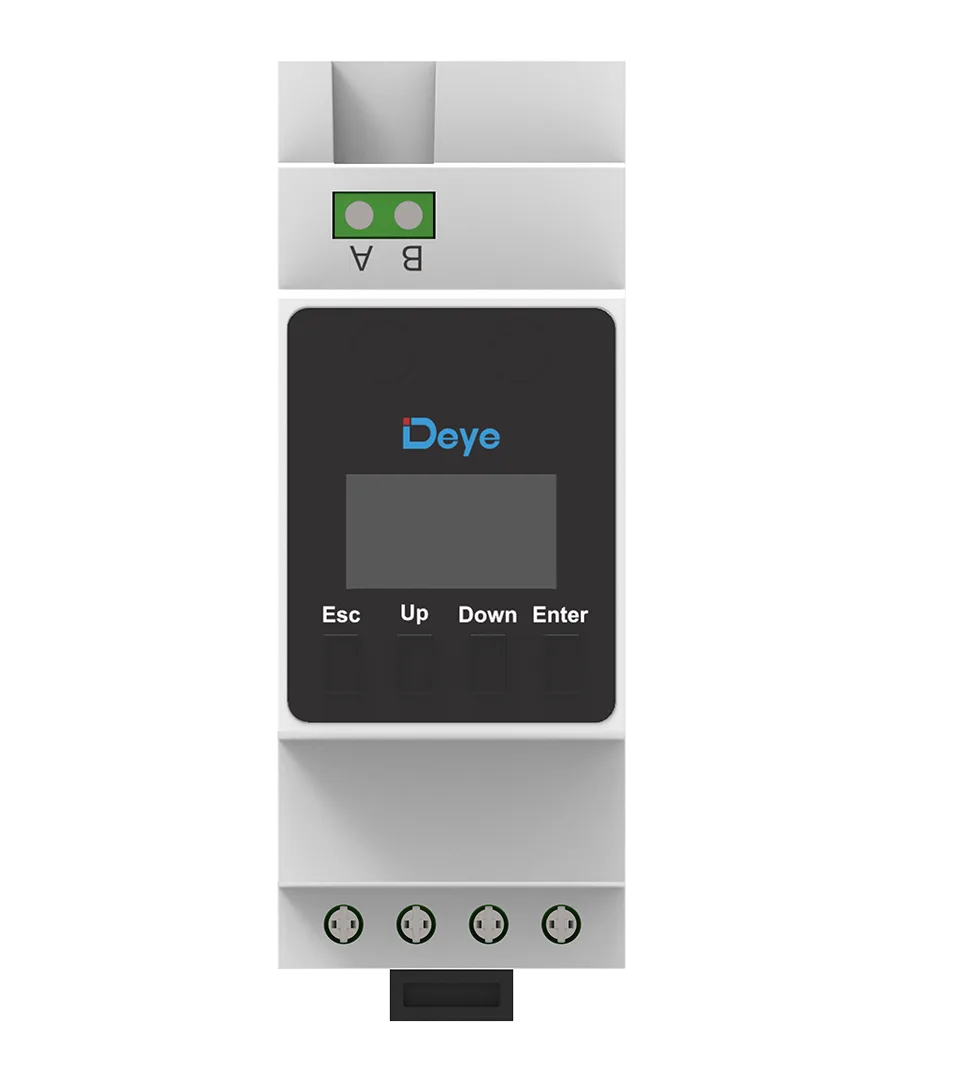
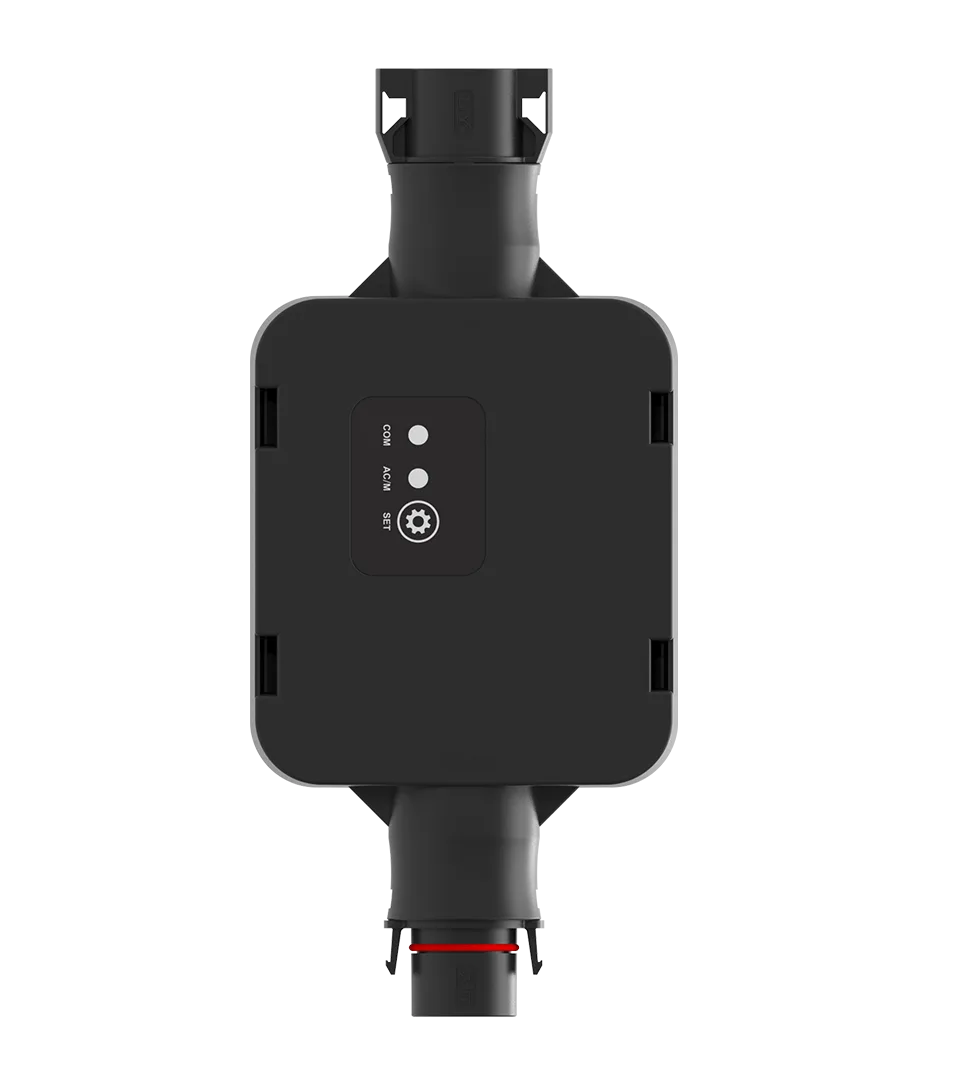
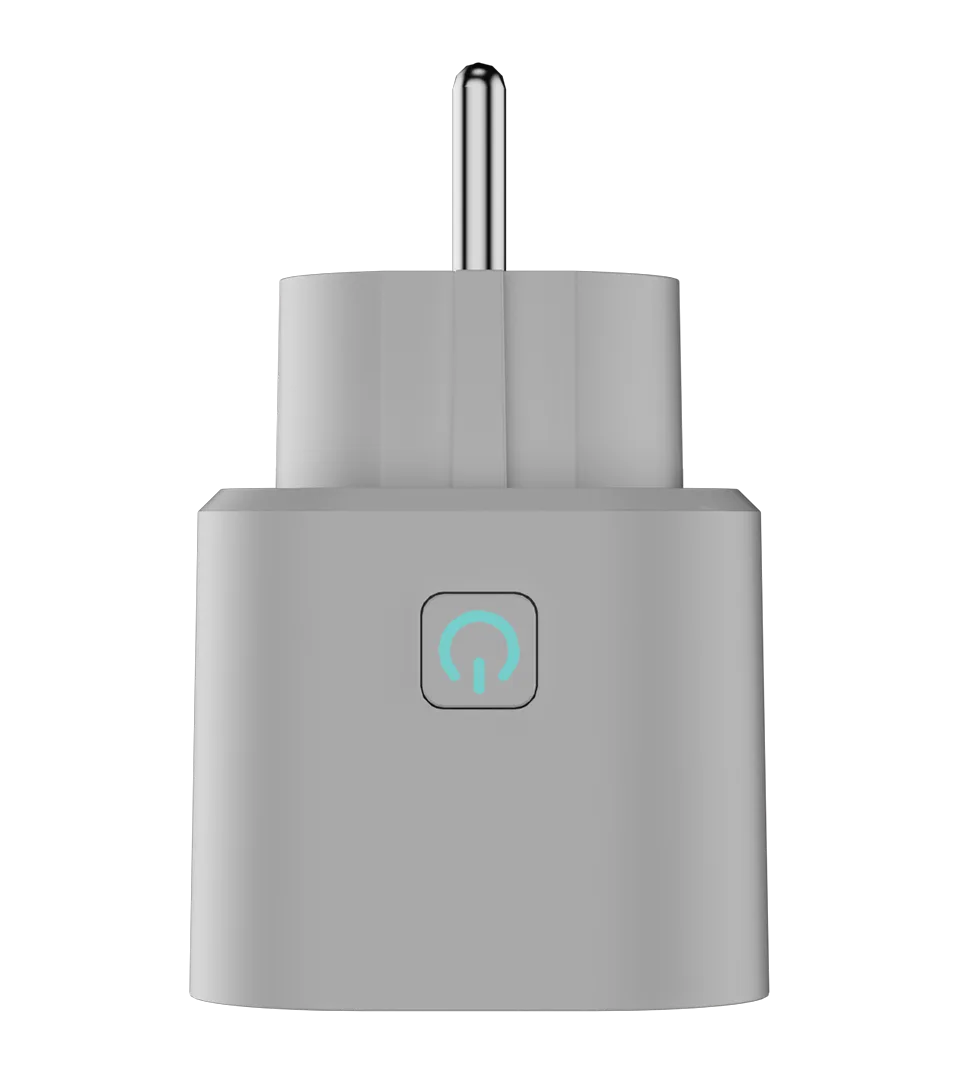
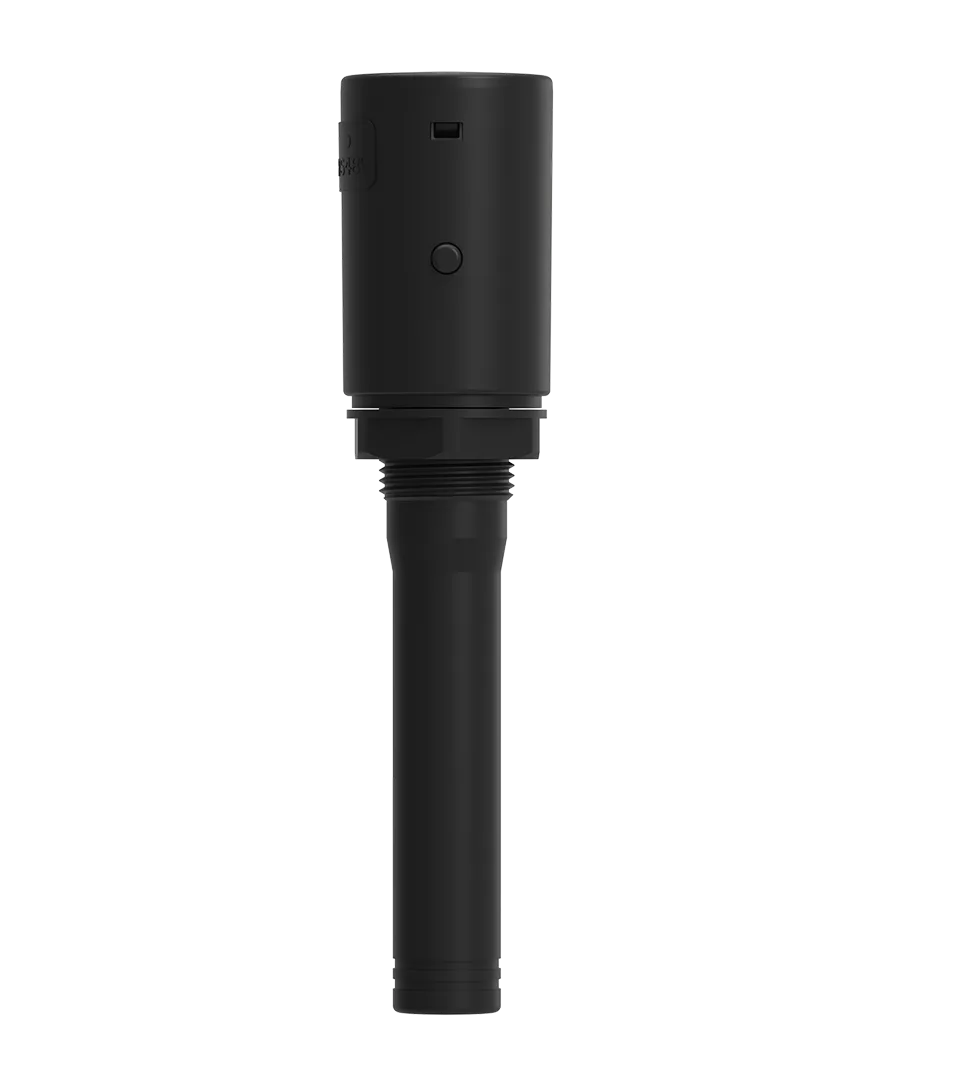
Displayed accessory roles
Separate measurement, communications, cloud and load control
Choose the function first, then verify model-level compatibility and the complete communication chain from field device to inverter or cloud.
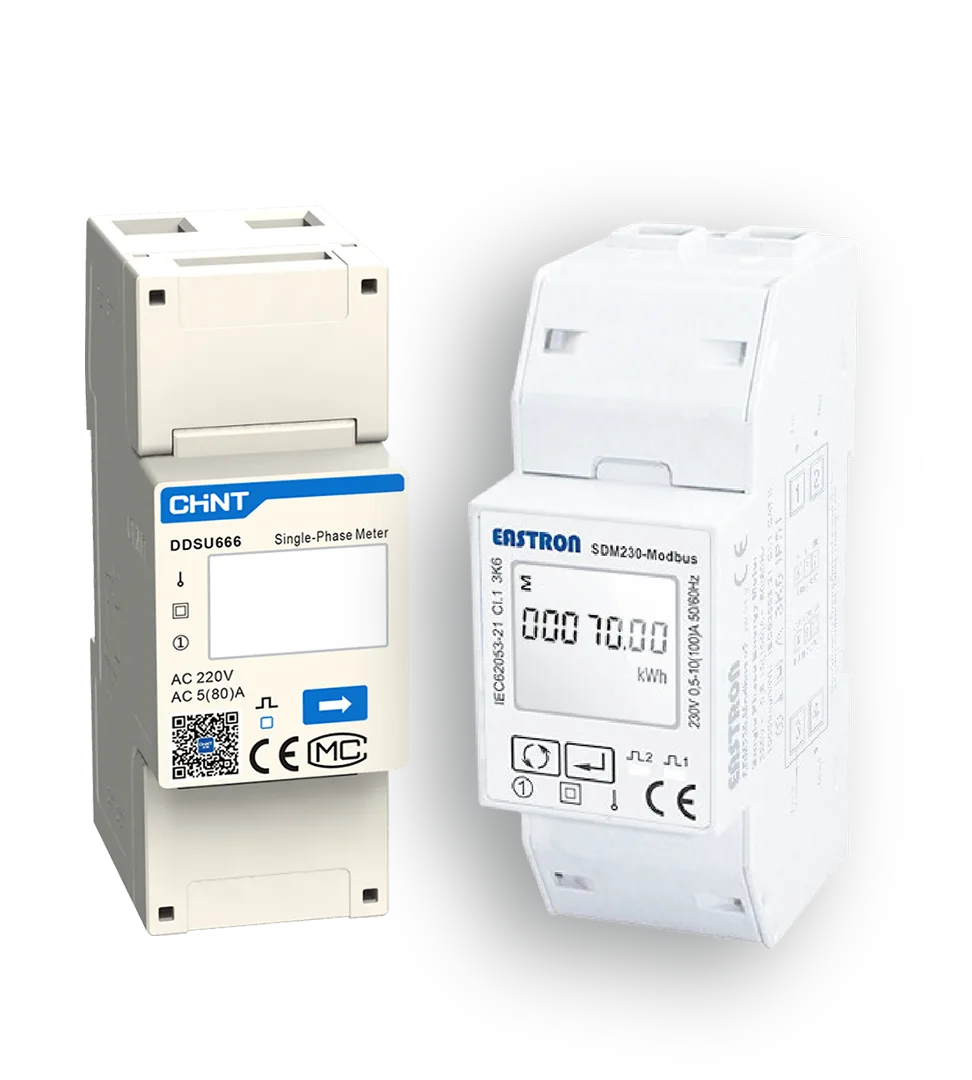
Energy meters and wireless CTs
Define single/three-phase system, voltage/current, CT ratio and direction, measurement point, zero-export or monitoring role, accuracy requirement, RS485/wireless path and exact inverter support.
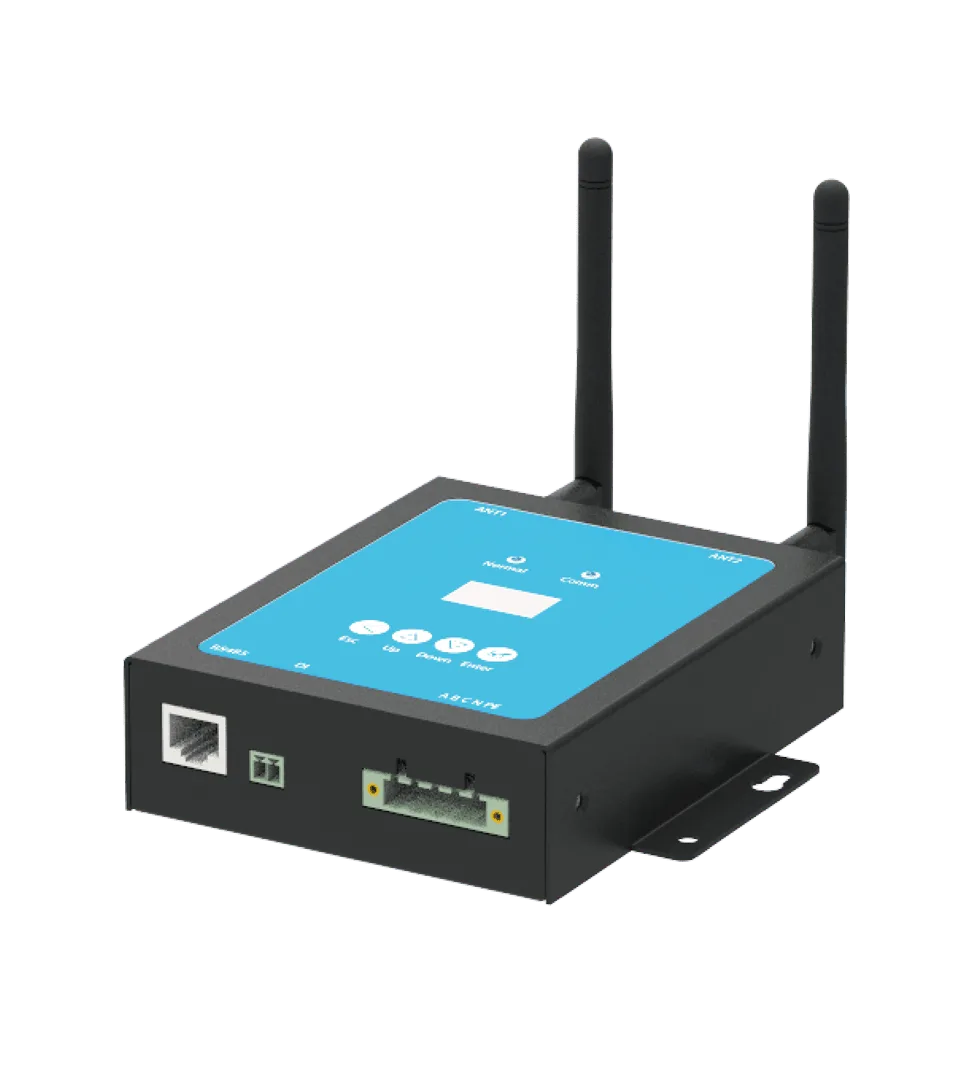
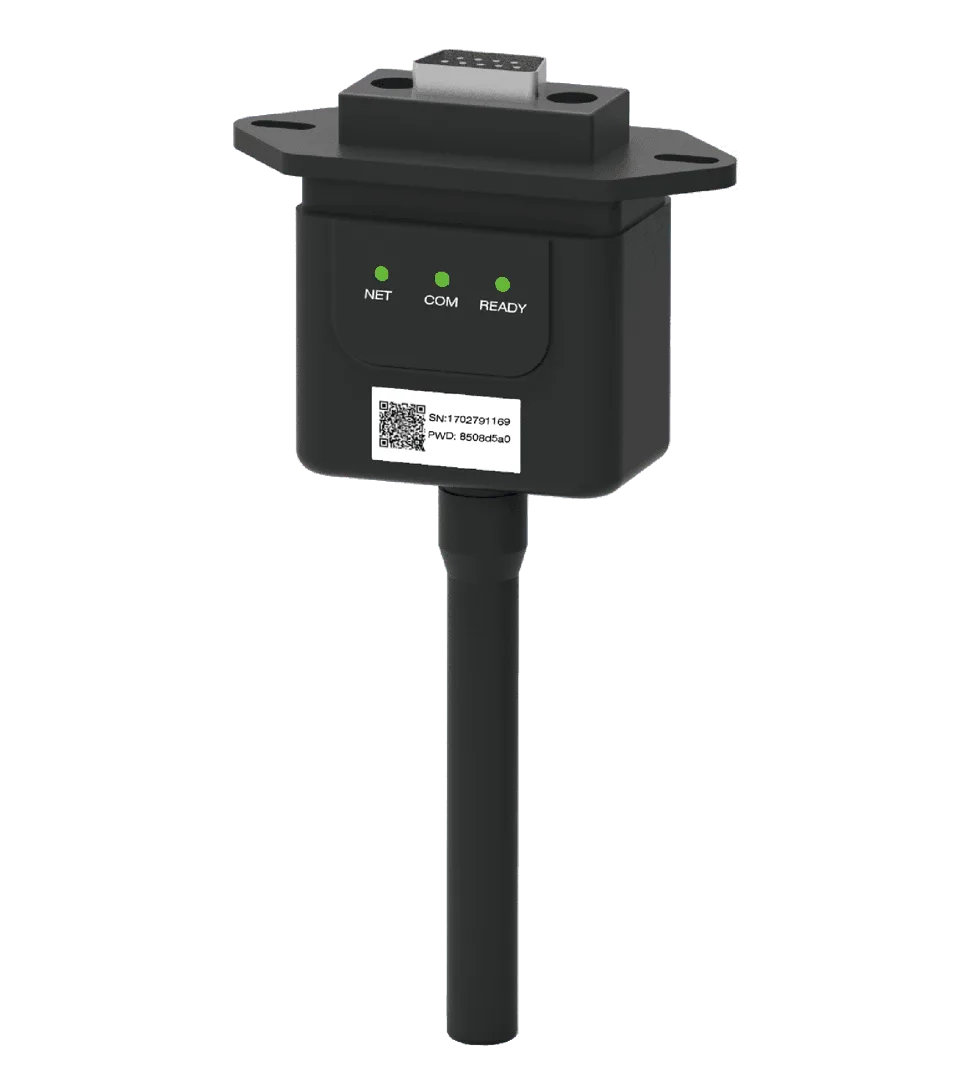
MECD, stick logger and data logger
Confirm supported device families and quantity, ports/protocol, Wi-Fi/4G/Ethernet or other link, local commissioning, firmware, gateway power, network security and cloud destination.
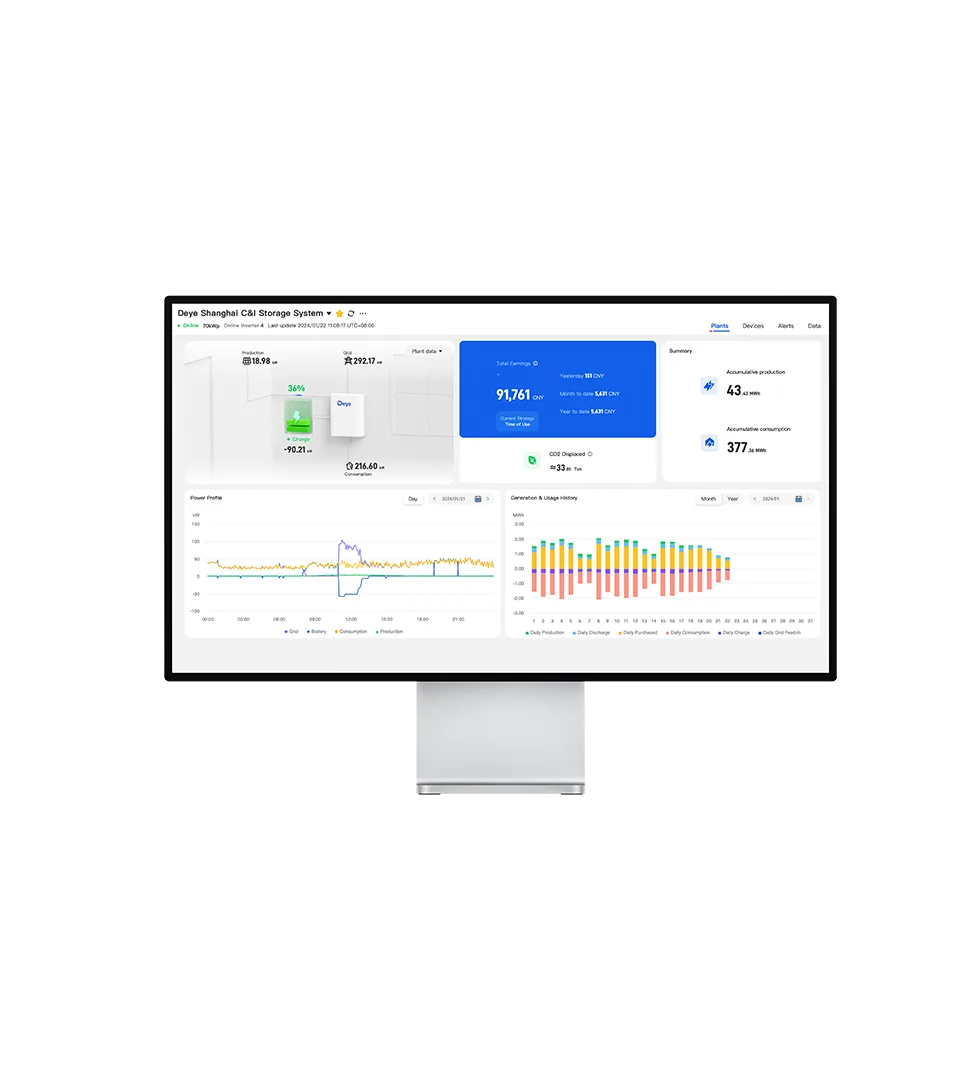
Deye Cloud and data services
Define account/region, plant ownership, user roles, data interval/retention, alarms, remote settings, API/export needs, cybersecurity, privacy and who operates the service.
Smart switch, plug, transmitter and EMS
Confirm controlled load and electrical rating, contactor or dry-contact interface, fail-safe behavior, wireless range, pairing, manual override, inverter/ESS logic, installation and local electrical approval.
Compatibility checks
Six checks before adding Deye monitoring accessories to the BOM
A working system needs compatible devices, firmware, electrical interfaces, communications, network and commissioning—not only matching brand names.
Primary equipment and firmware
Provide exact inverter, microinverter, ESS or charger model and firmware plus the required monitoring/export/load-control function and supported accessory list.
Electrical system and measurement point
State phase, voltage/frequency, service and conductor arrangement, grid/load/PV/battery measurement point, CT orientation/ratio, meter wiring and required accuracy.
Protocol and physical interfaces
Confirm RS485, CAN, dry contact, pulse, Ethernet, Wi-Fi, 4G, LoRa, BLE or proprietary link, connectors/pinout, cable length/termination, addressing and device limits.
Cloud, account and network
Define destination region, account ownership, internet/SIM, firewall, local fallback, cybersecurity, privacy, remote-access permissions, data retention and platform/service dependencies.
Control behavior and safety
For export control or load switching, define control objective, response/fail-safe, meter loss, communications loss, manual override, contactor/protection and commissioning tests.
BOM, files and commissioning
Request exact device codes, cables/antennas/power supplies, manuals, compatibility matrix, firmware/app requirements, labels, licenses/SIM/service terms, quantities, setup and handover scope.
Data and compatibility boundaries
A Deye brand label does not guarantee plug-and-play compatibility
Monitoring and control depend on exact equipment generations, firmware, protocol, region and system design. Keep each accessory tied to its supported architecture.
Metering function is not universal accuracy
A meter or CT used for zero export or monitoring is not automatically revenue-grade or suitable for every service. Confirm accuracy class, range, wiring, CT and local metering requirements.
Cloud access depends on infrastructure
Remote monitoring needs supported hardware, account/region, network/SIM, commissioning and service availability. Cloud display does not guarantee continuous connectivity or data retention.
Remote control needs authority and security
Parameter changes, switching and export control require user permissions, cybersecurity, fail-safe design, local code, protected interfaces and documented commissioning.
Wireless range is site-specific
Walls, metal enclosures, distance, interference, antenna position and network design affect Wi-Fi, LoRa, BLE or other wireless links. Verify communication at the actual site.
Continue the project review
Connect monitoring accessories to the system BOM and responsibilities
Use the commercial solution for equipment context and the BOM guide to control every device, cable, account and commissioning line.
Commercial rooftop solar solution
Review how inverters, meters, export control, monitoring, protection, project documents and local EPC responsibilities fit one C&I system.
Review solution context
Solar BOM review guide
Assign each meter, CT, gateway, logger, switch, cable, service and setup task an exact model, function, quantity and responsibility.
Read the buyer guide
Deye monitoring FAQ
Questions to close before approving meters, loggers and controls
These answers support procurement; final metering, network, export-control, cybersecurity and commissioning design remains system-specific.
Will any Deye logger or meter work with any Deye inverter?
Do not assume so. Confirm the exact inverter/ESS/microinverter model and firmware, supported accessory code, protocol/port, meter or CT type, device quantity, regional cloud platform, app and commissioning instructions.
What is needed for a Deye zero-export system?
Confirm the supported inverter and firmware, compatible meter/CT, phase/voltage and wiring, measurement point and CT direction/ratio, communications, export target, fail-safe behavior, local utility rules and commissioning test. A meter alone does not create compliant export control.
Does Deye Cloud guarantee continuous remote monitoring?
No. Availability depends on compatible field hardware, power, internet or SIM, account/region, platform service, network/firewall, commissioning and maintenance. Define local fallback, alarms, data retention, ownership and remote-access permissions.
What should a Deye accessory and monitoring RFQ include?
Include exact primary equipment/firmware, required function, phase/voltage and measurement point, accessory models, CT/meter/protocol/network details, cloud region/account, cables/power supplies/licenses, cybersecurity and fail-safe requirements, quantities, setup and handover scope.
Deye monitoring and accessory procurement
Deye Monitoring, Metering and Control Accessories by System Role
Compare 13 displayed pages covering energy meters, MECD gateway, Deye Cloud, stick and data loggers, SUN-XL devices, a wireless energy-management system, wireless CTs, Smart Switch, Smart Plug and Smart Transmitter. These products form different parts of metering, communication, monitoring, export control or load-control architectures; they are not universal add-ons. Confirm the exact inverter/ESS family, firmware, electrical rating, CT/meter direction and ratio, protocol, region/cloud account, gateway/network, included cables and commissioning scope.
Prepare a Deye monitoring RFQ by function and compatibility
Send the exact equipment/firmware, monitoring/export/load-control goal, electrical system, meter/CT point, protocol/network/cloud region, accessories/services, quantities and commissioning scope.