
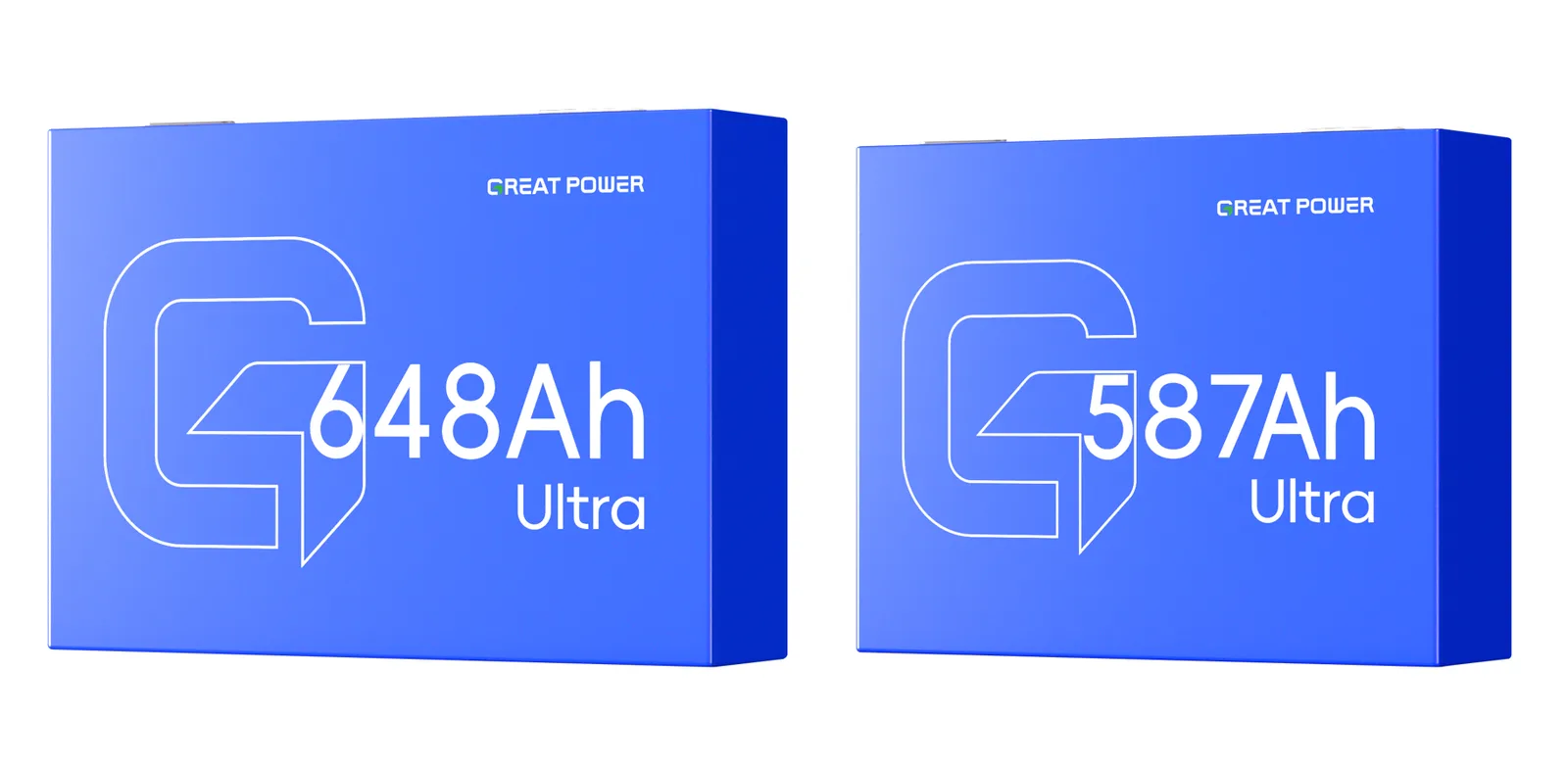
Energy Storage Cell
8 products
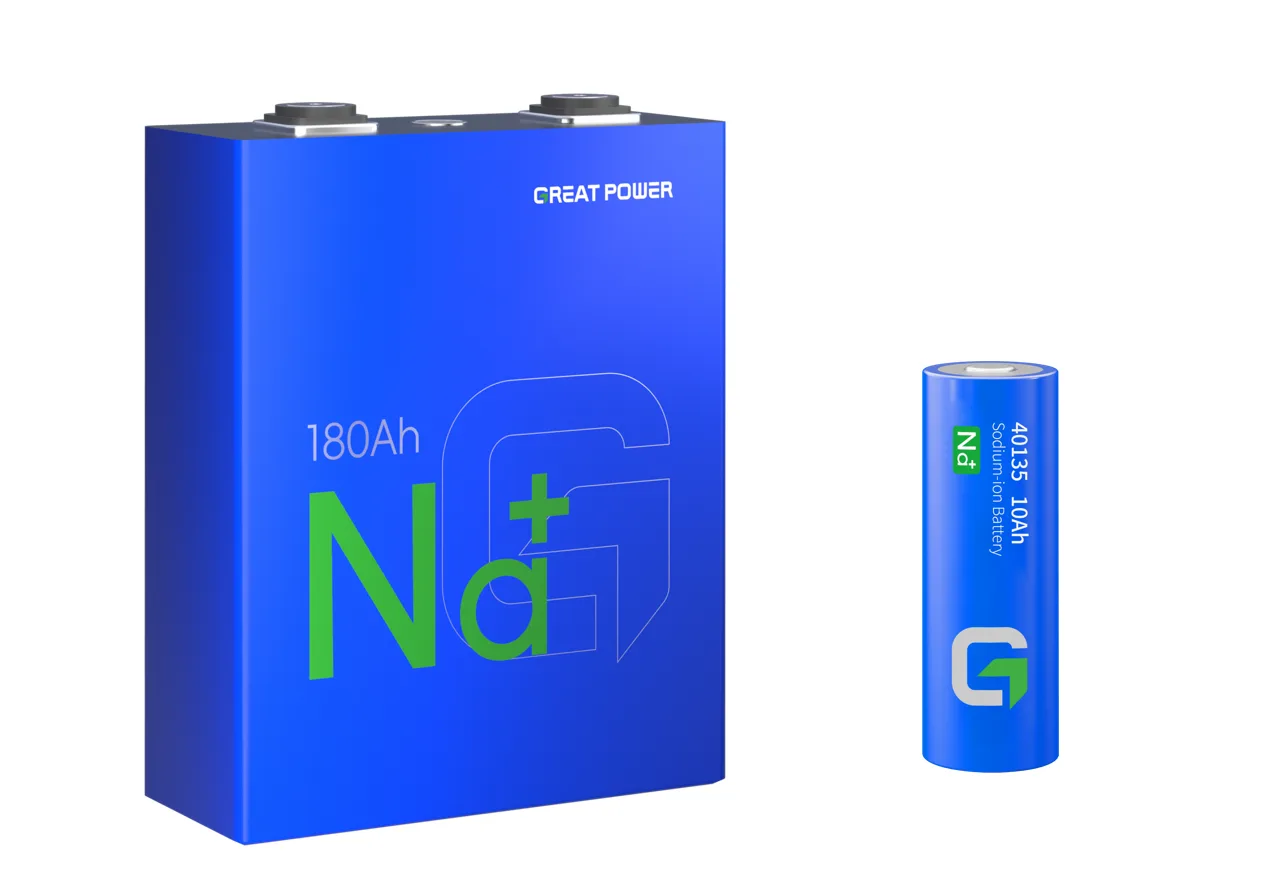
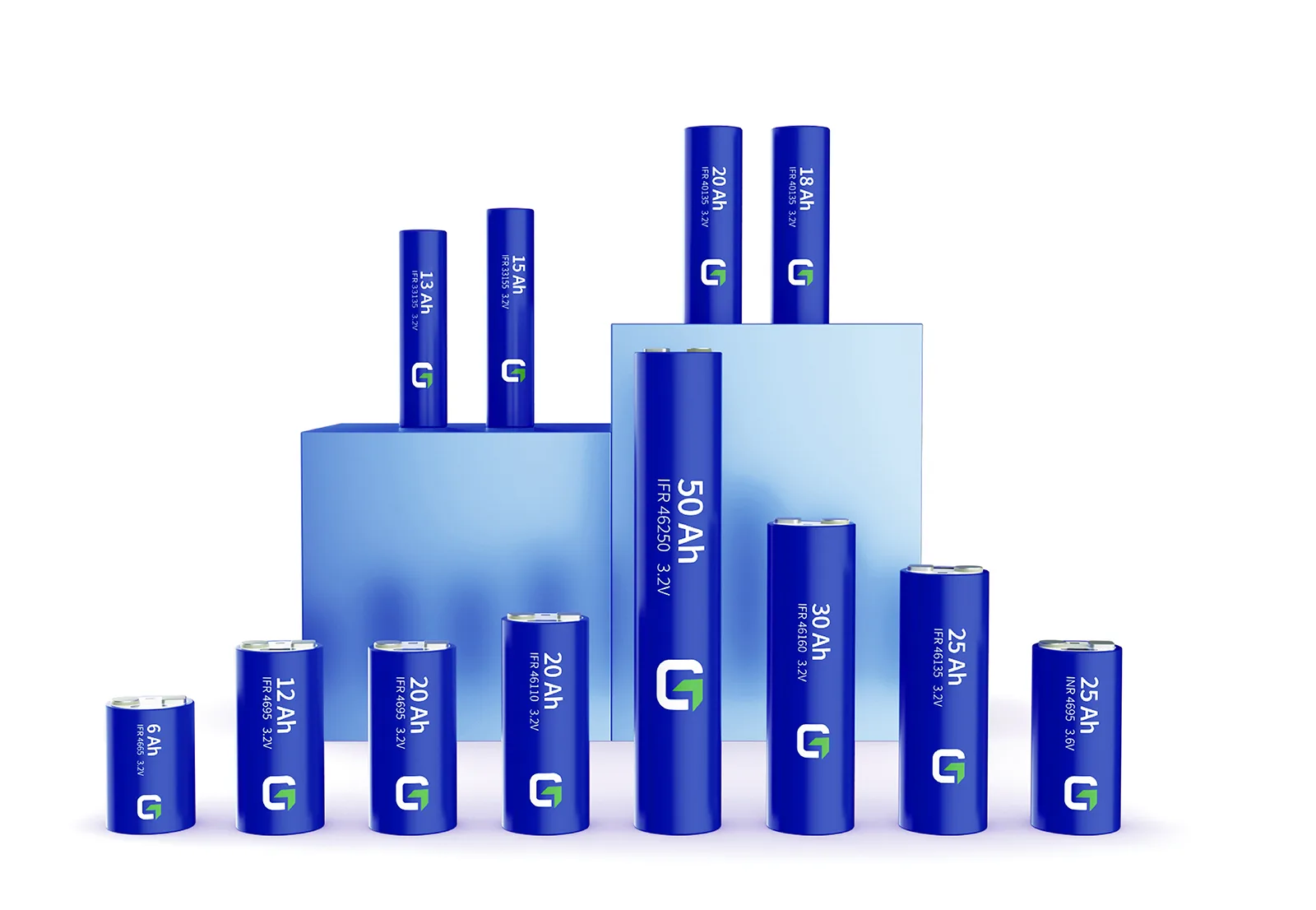
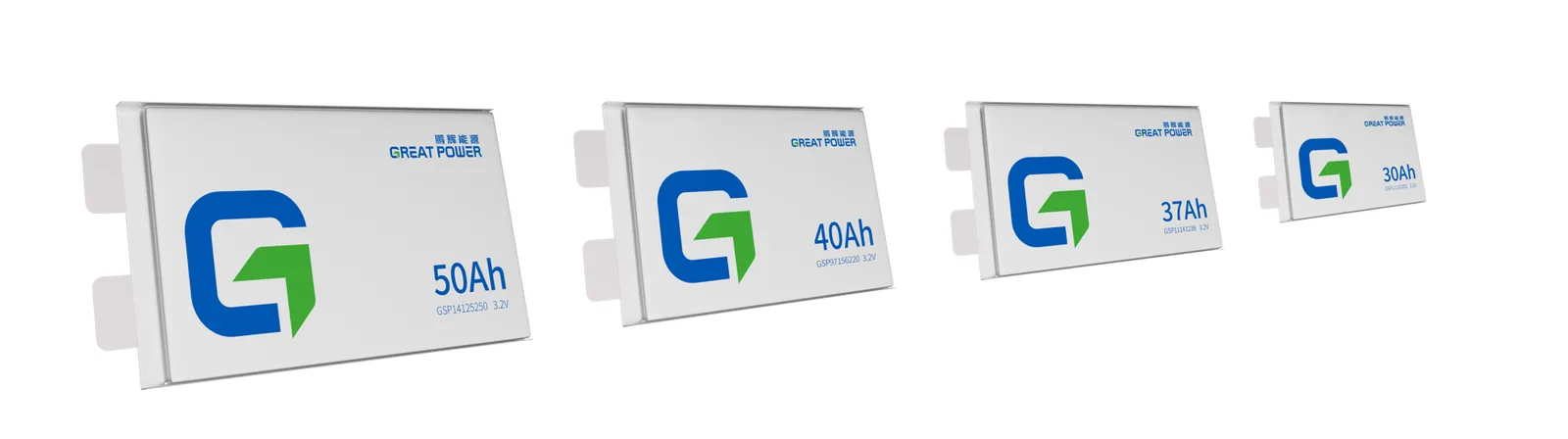
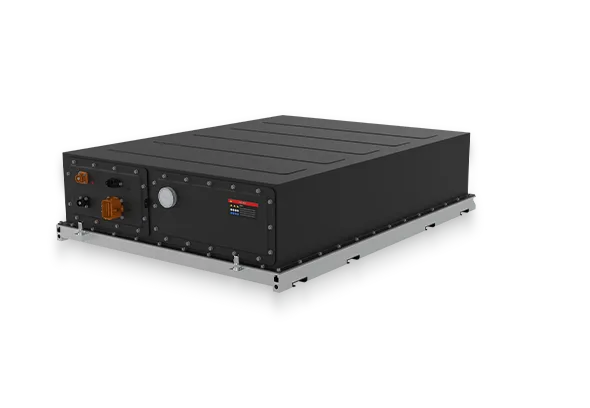
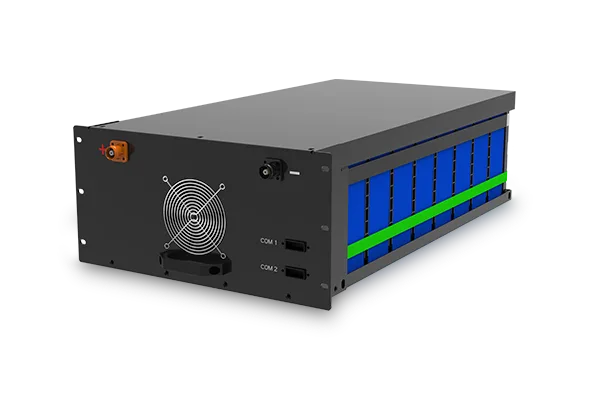
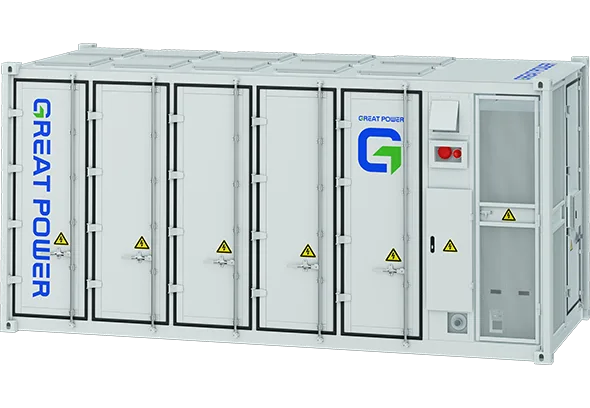
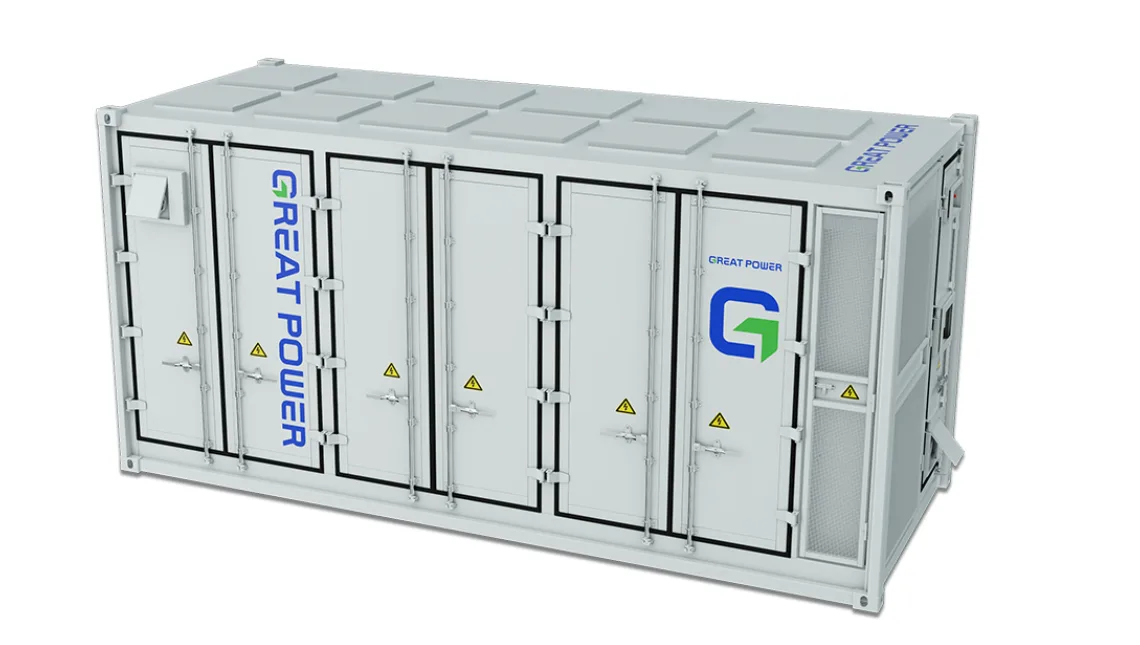
Utility-Scale Energy Storage System
5 products
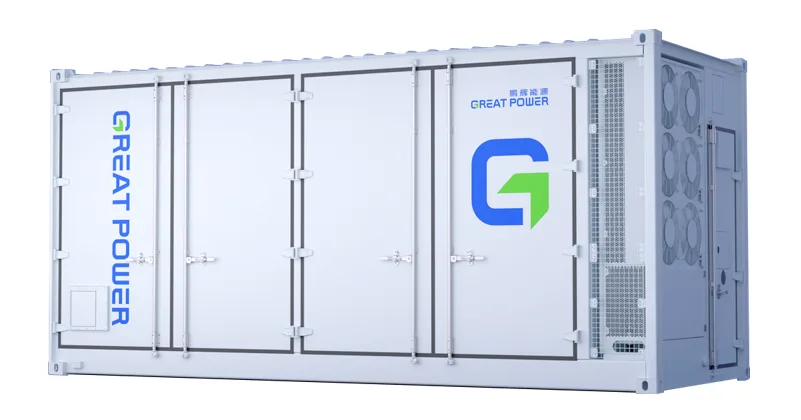
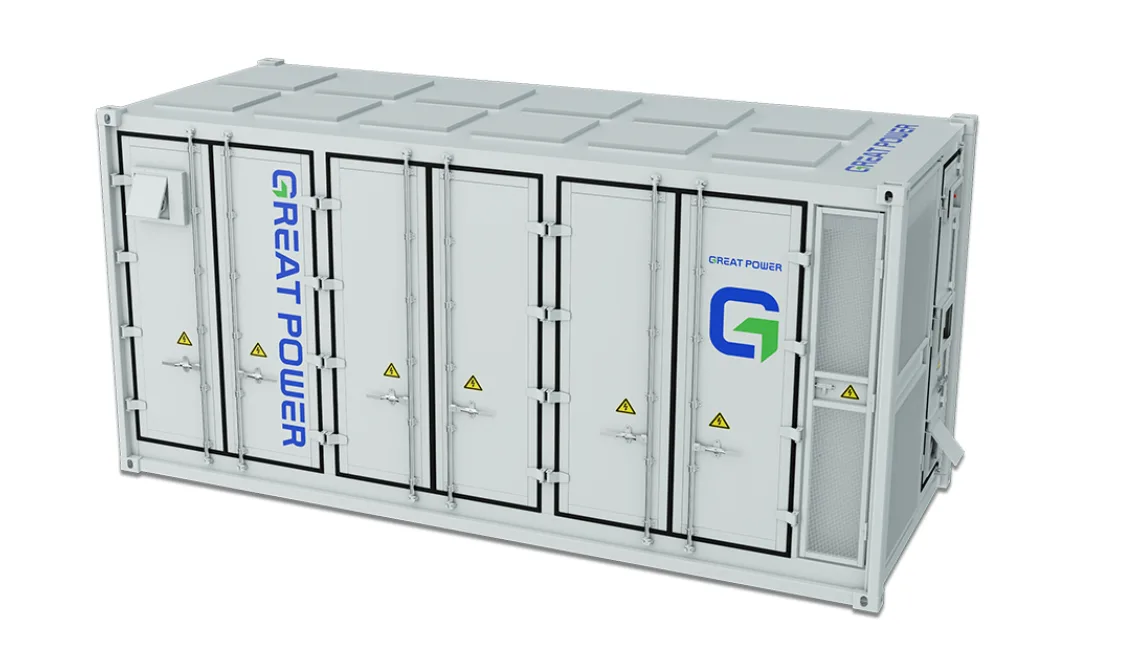
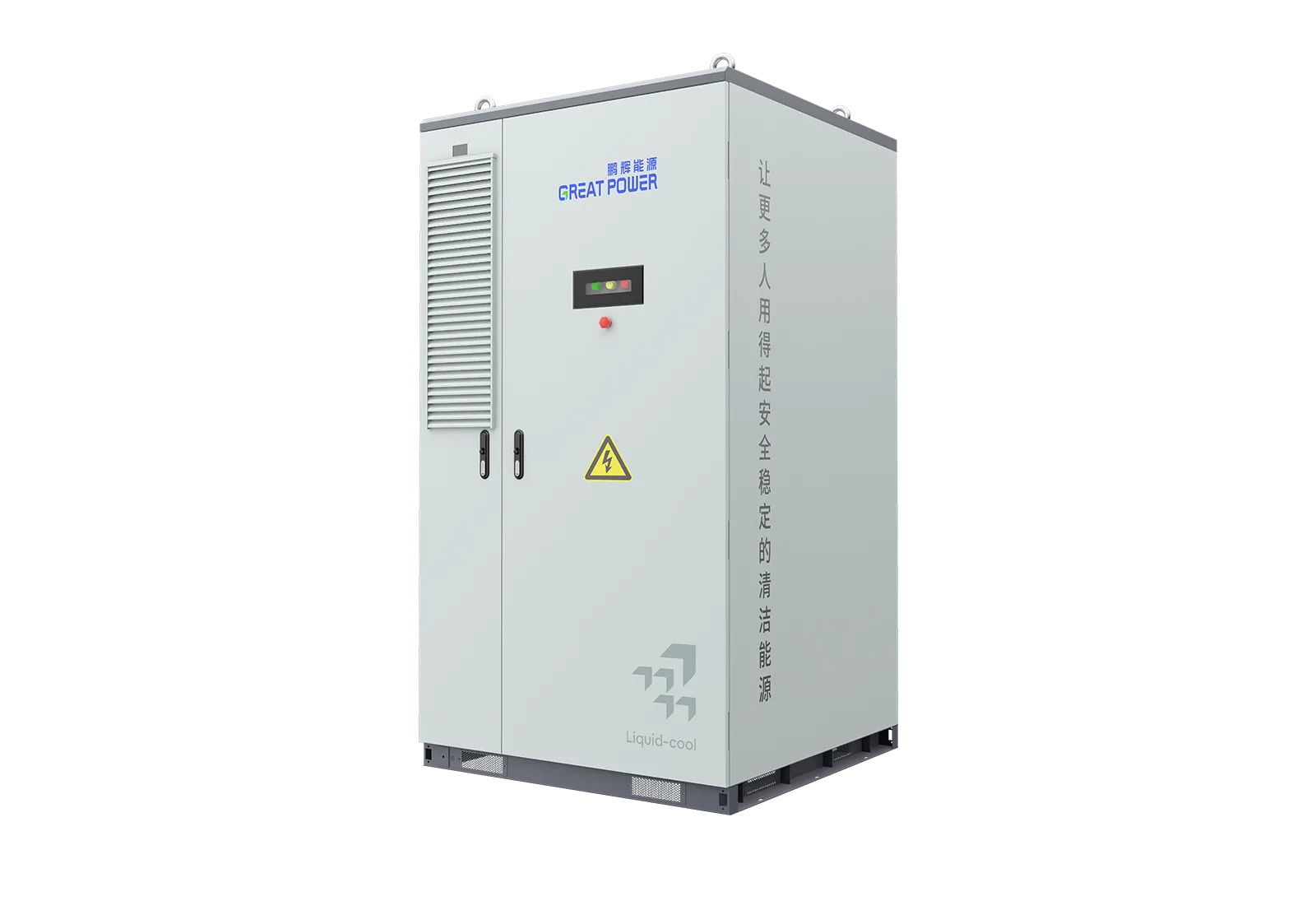
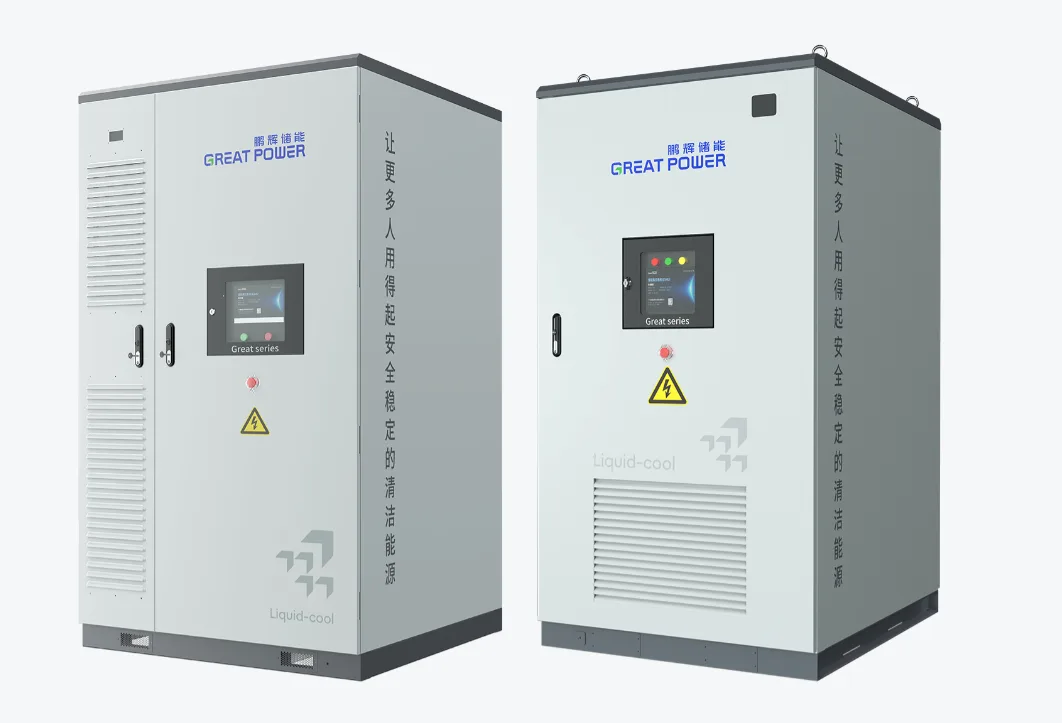
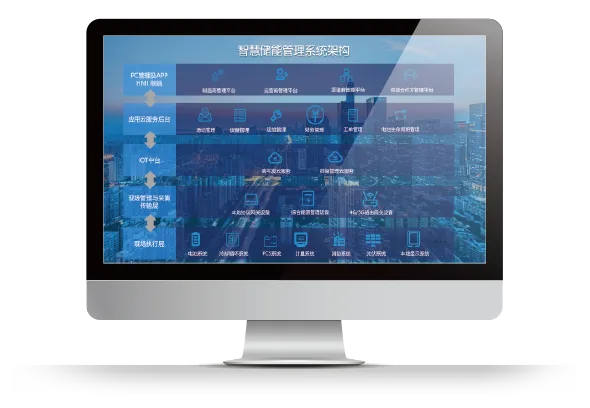
C&I Energy Storage System
3 products
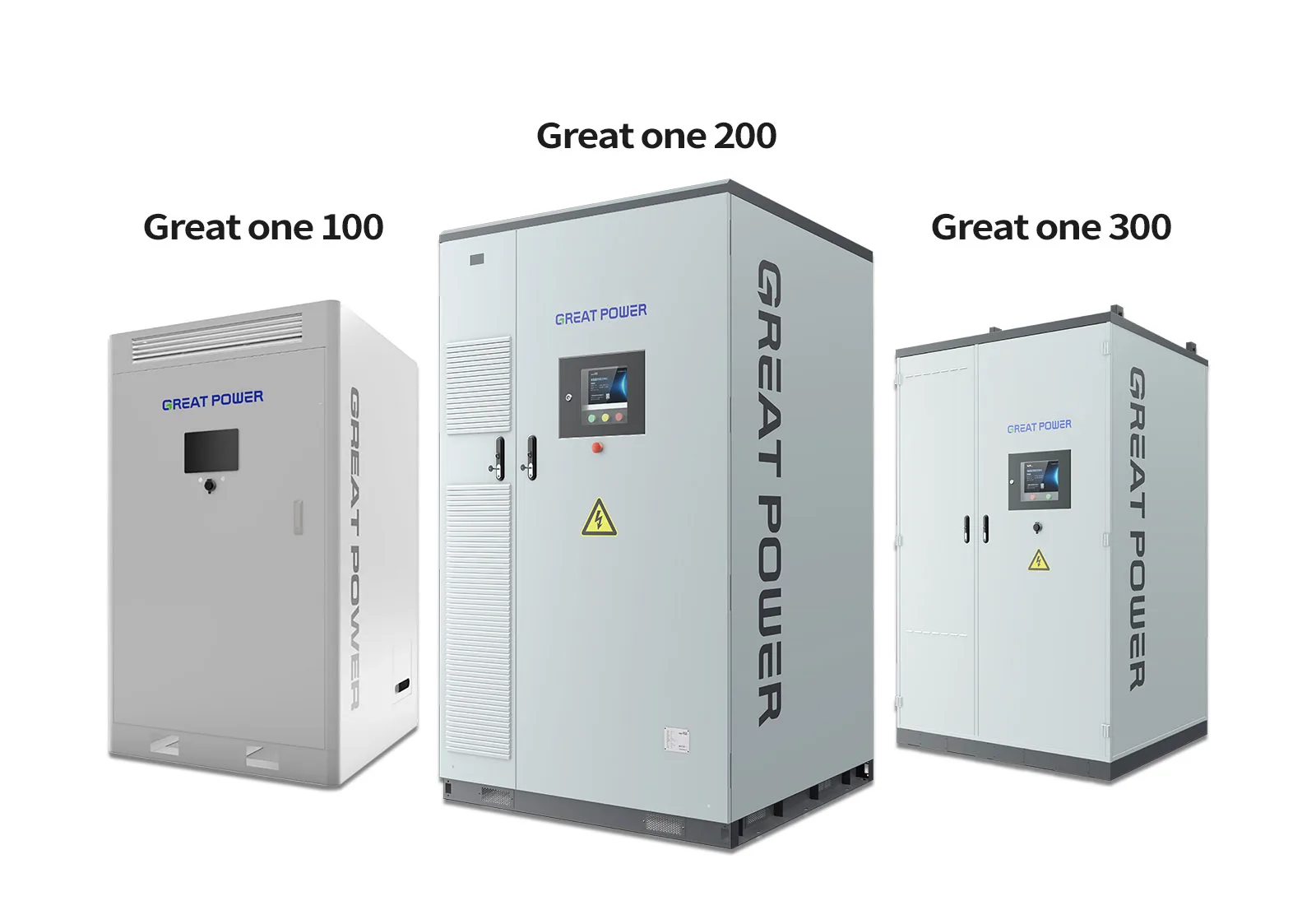
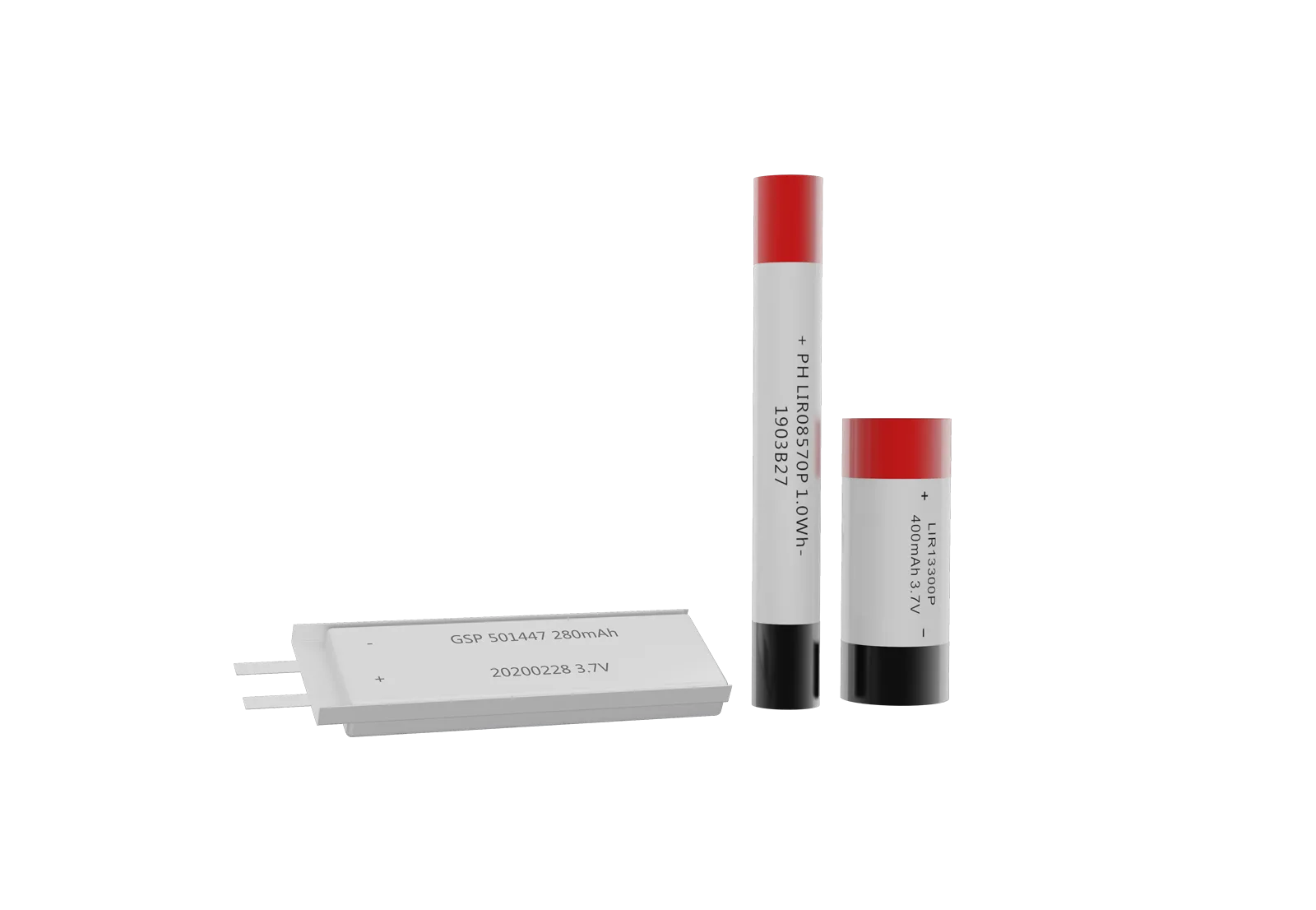
Consumer Battery
13 products
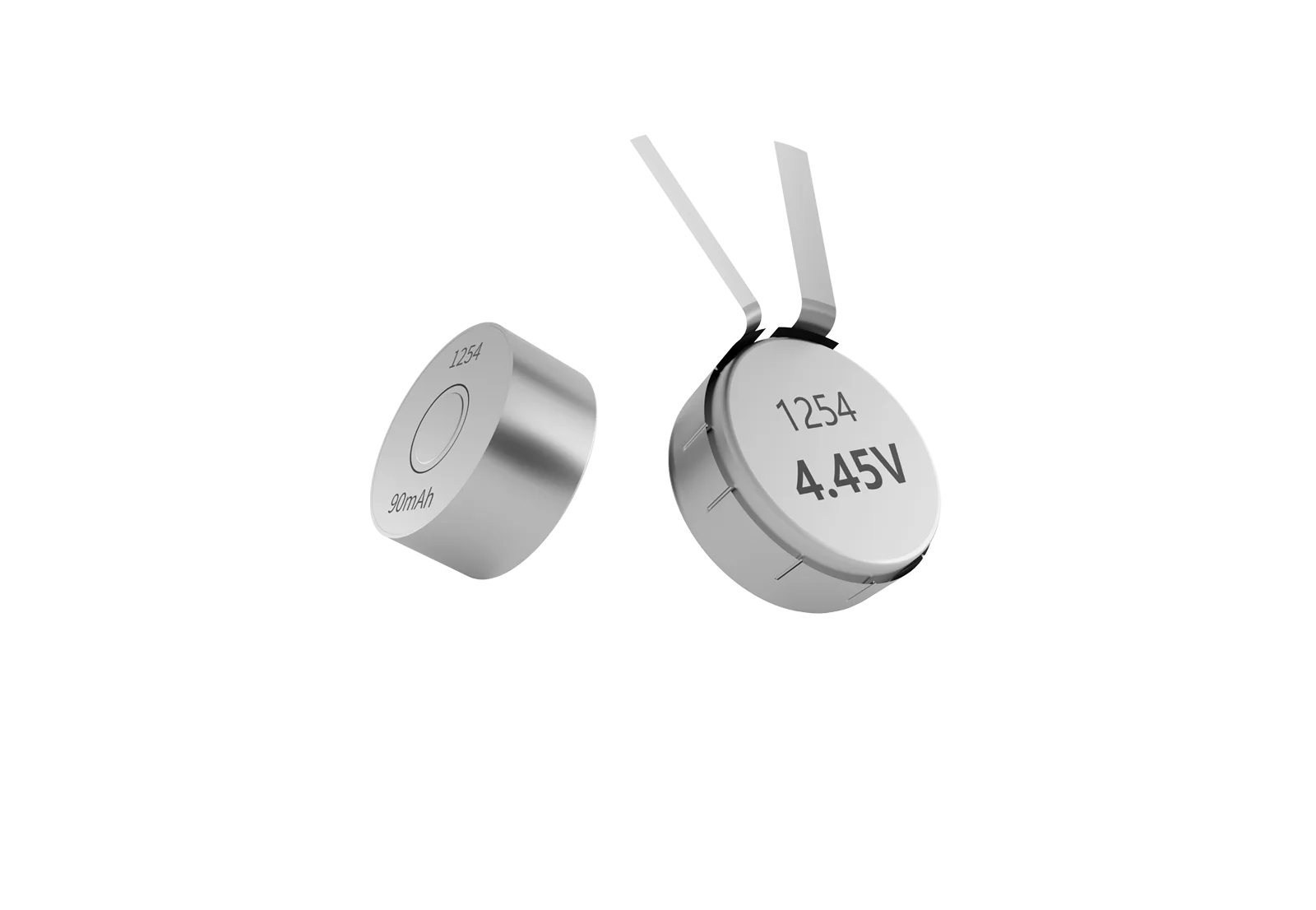
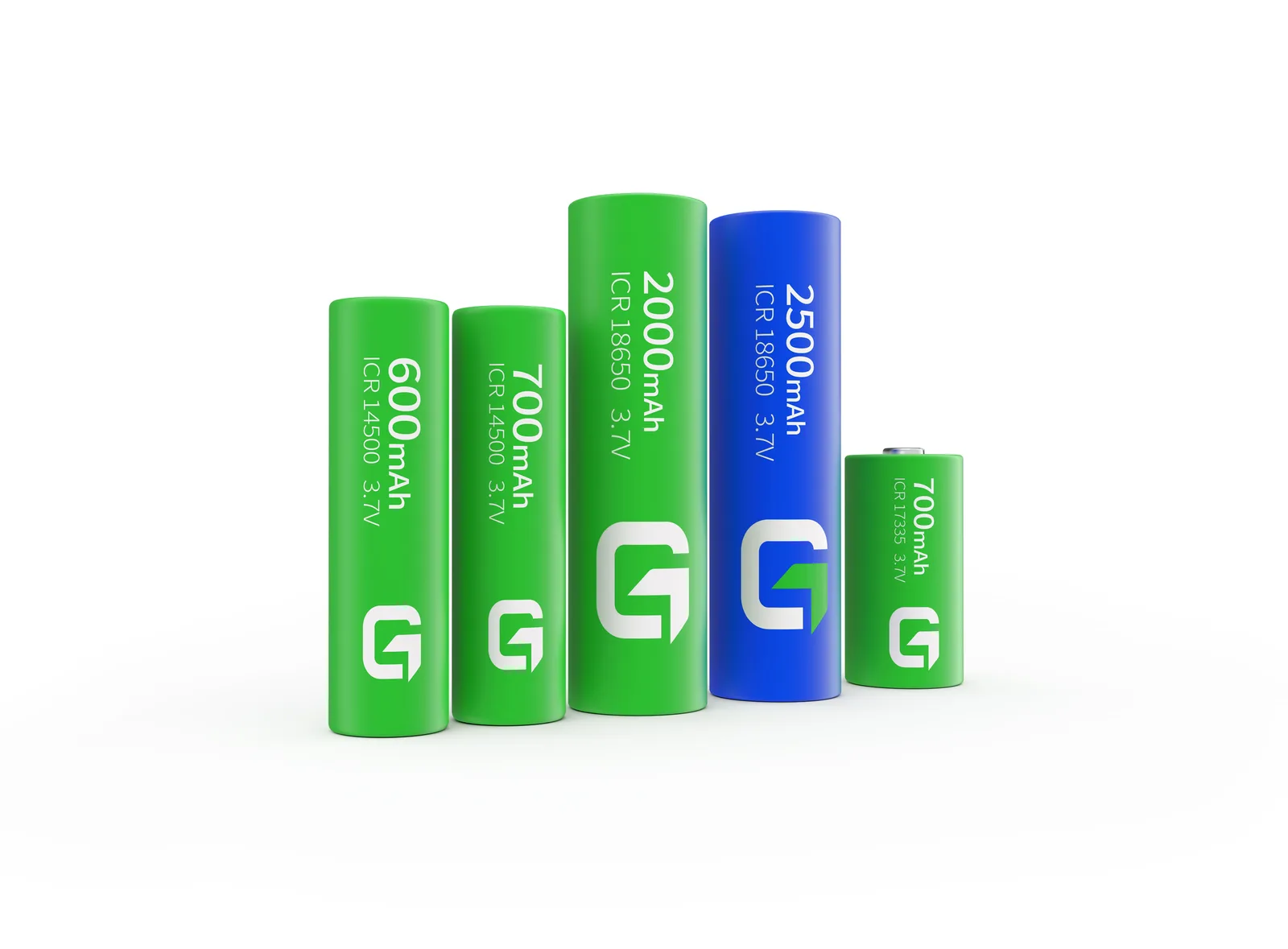
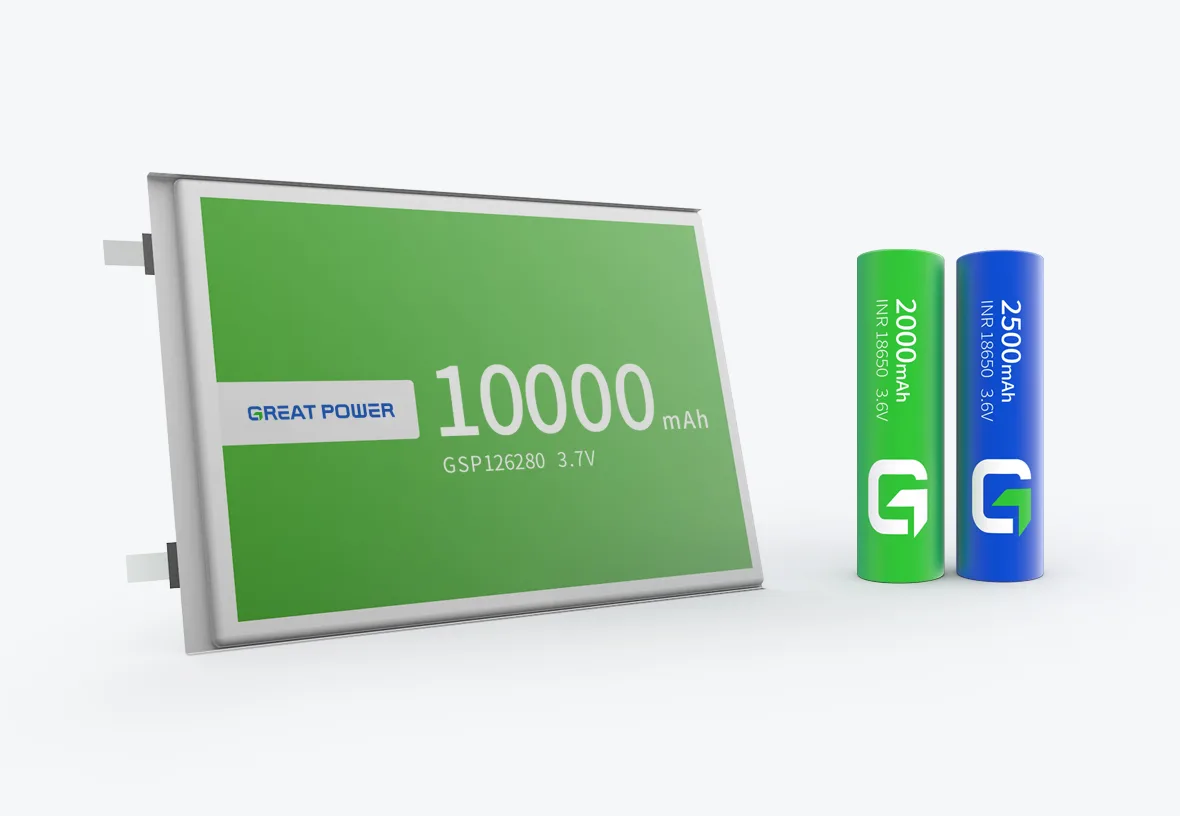
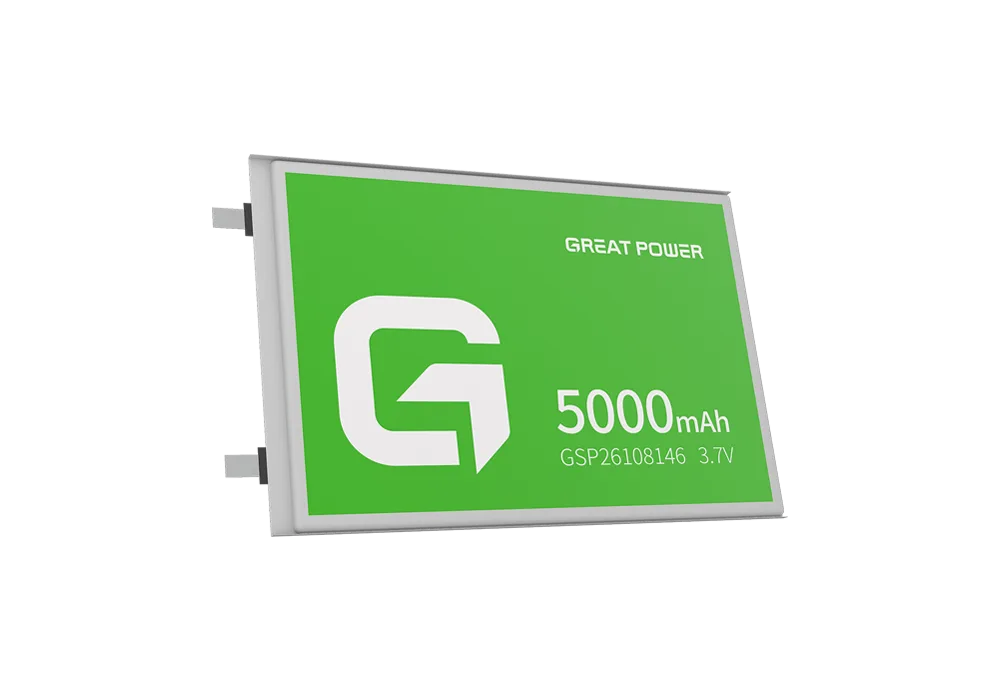
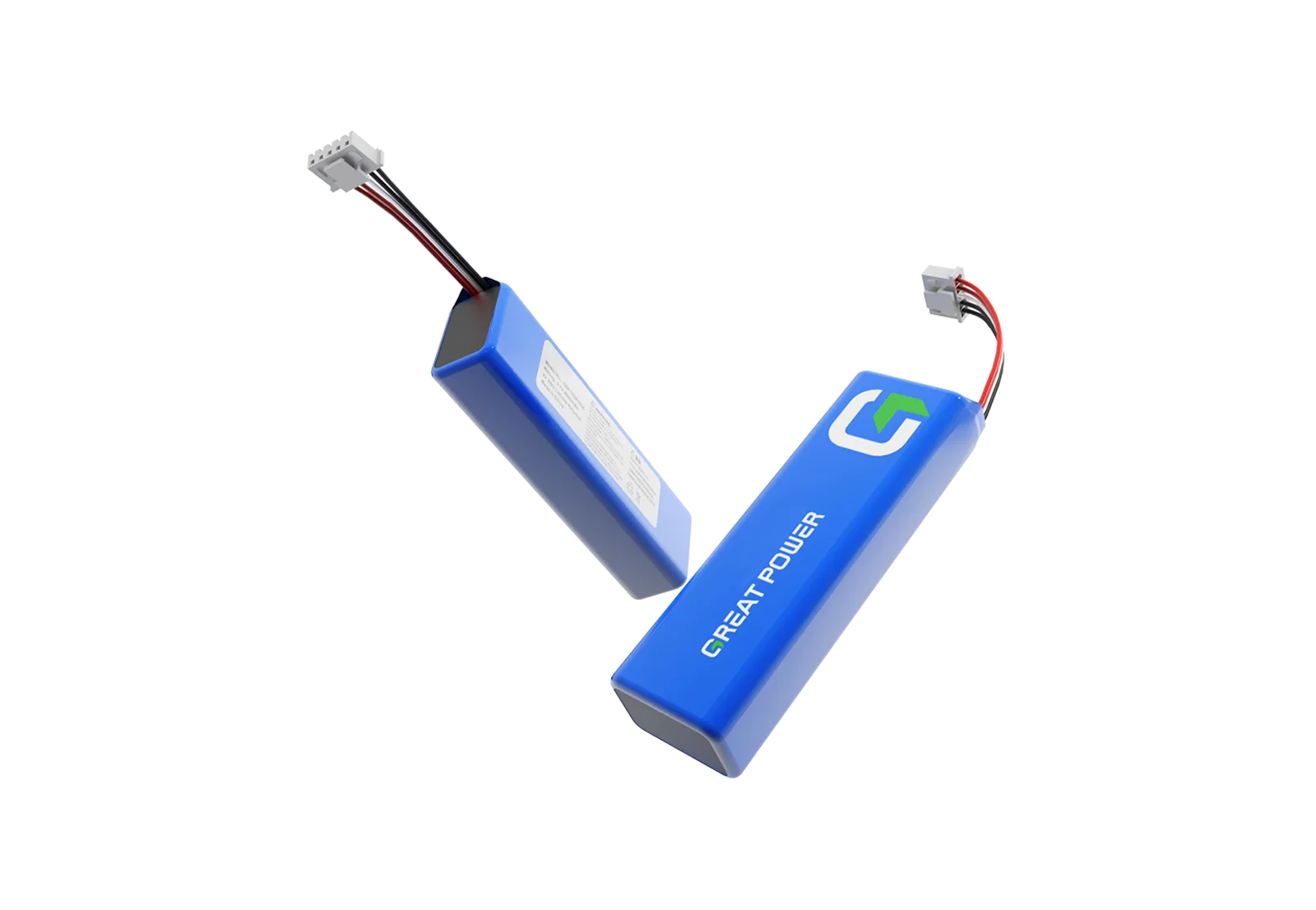
EV Battery
4 products
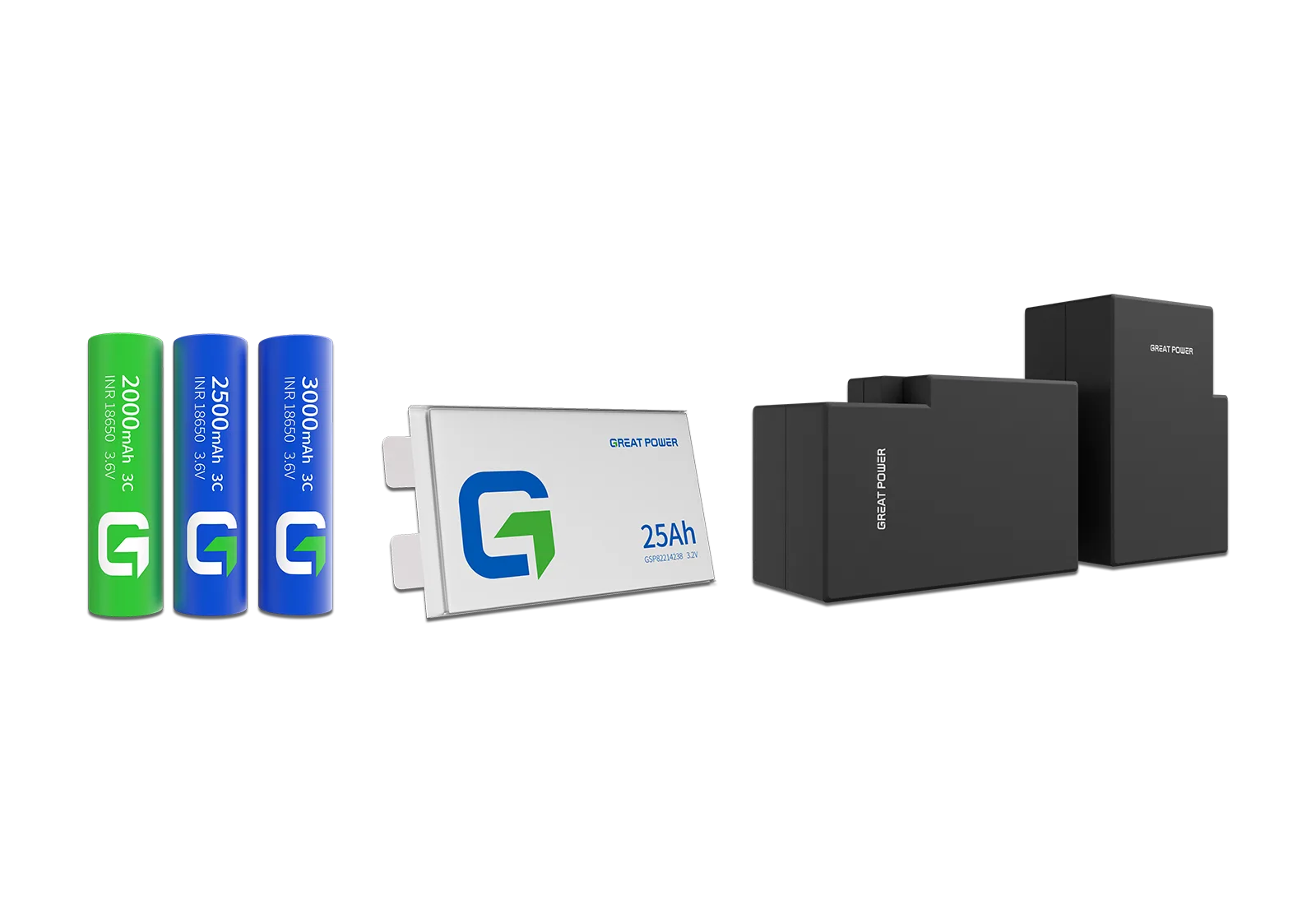
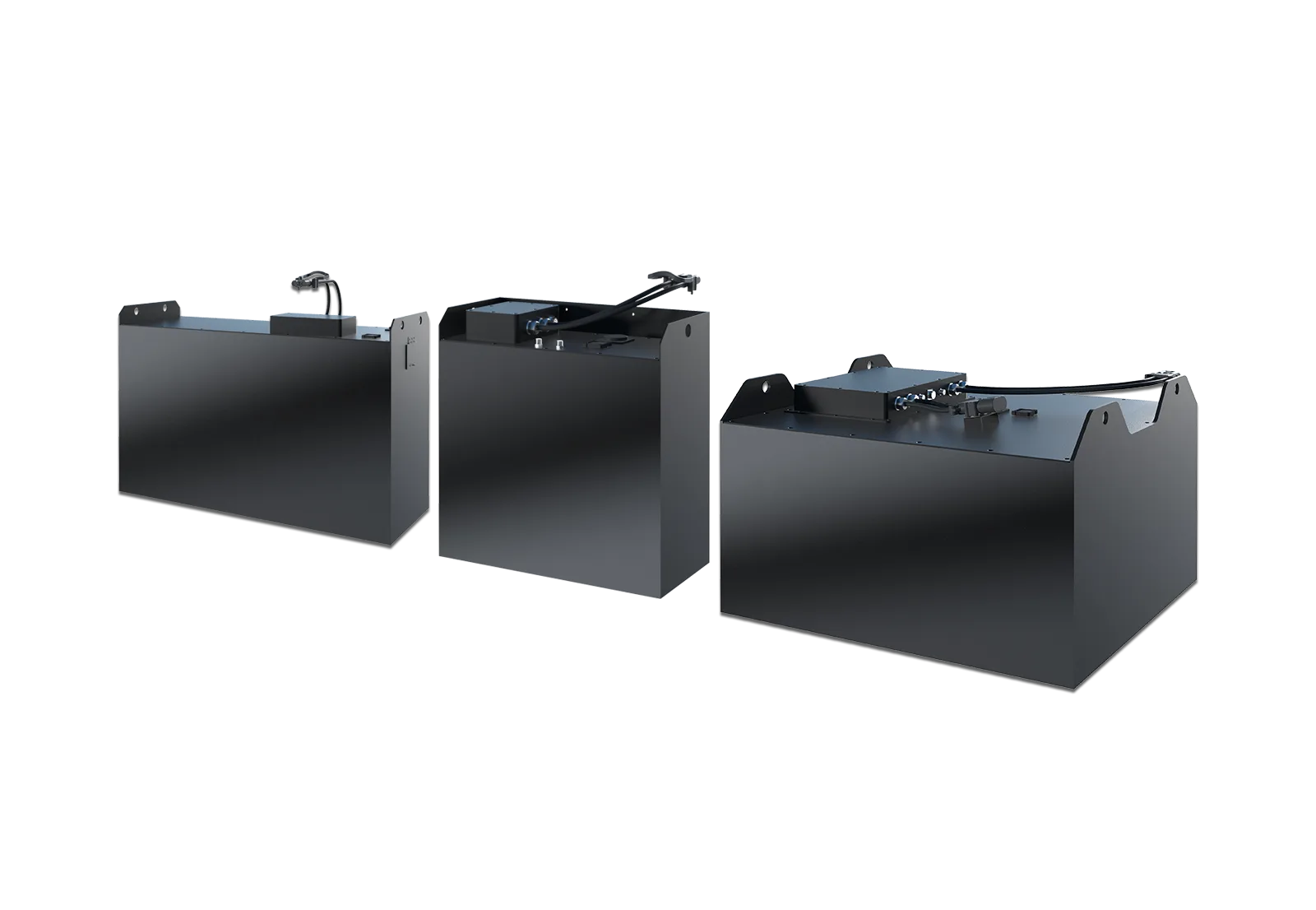
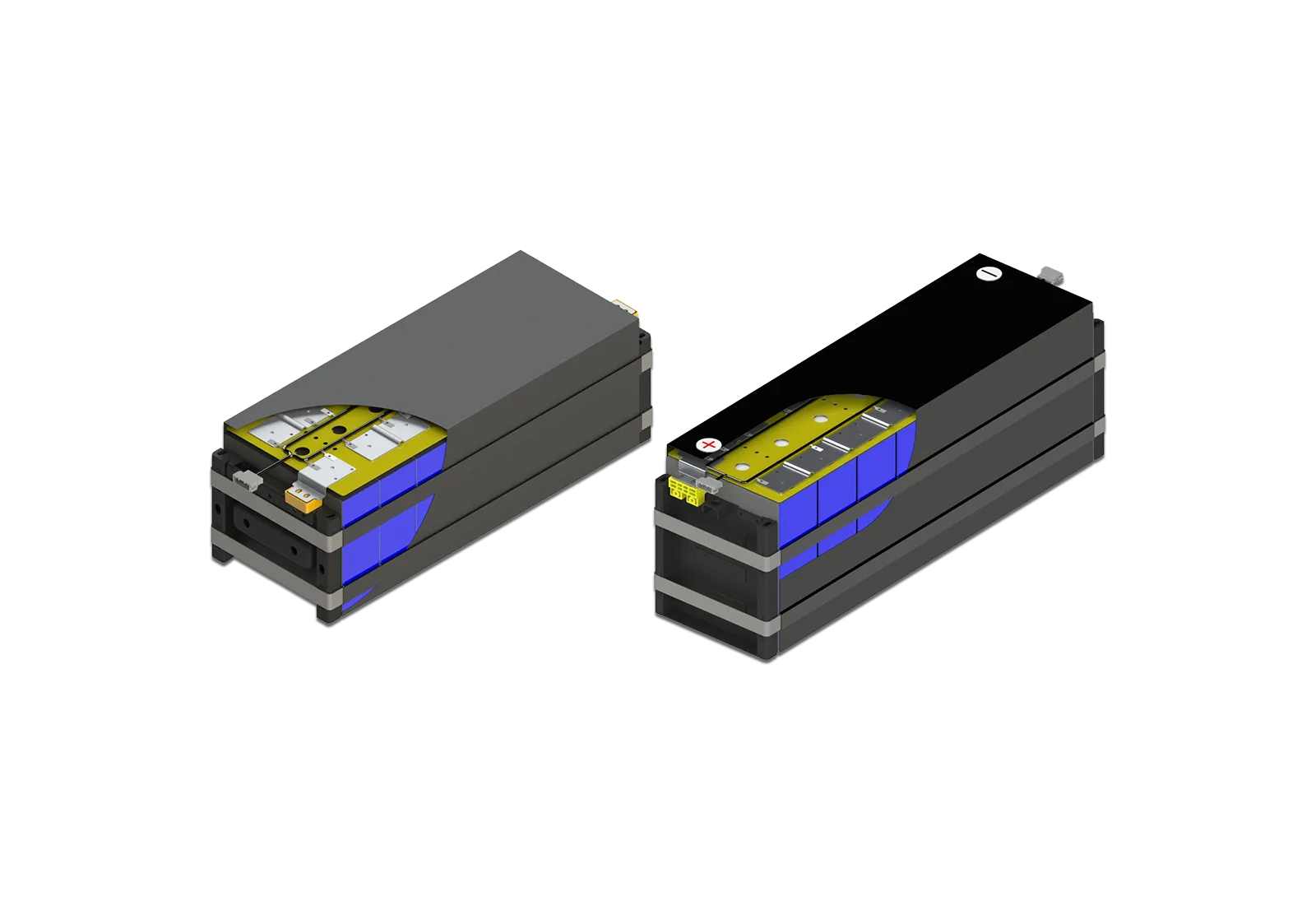
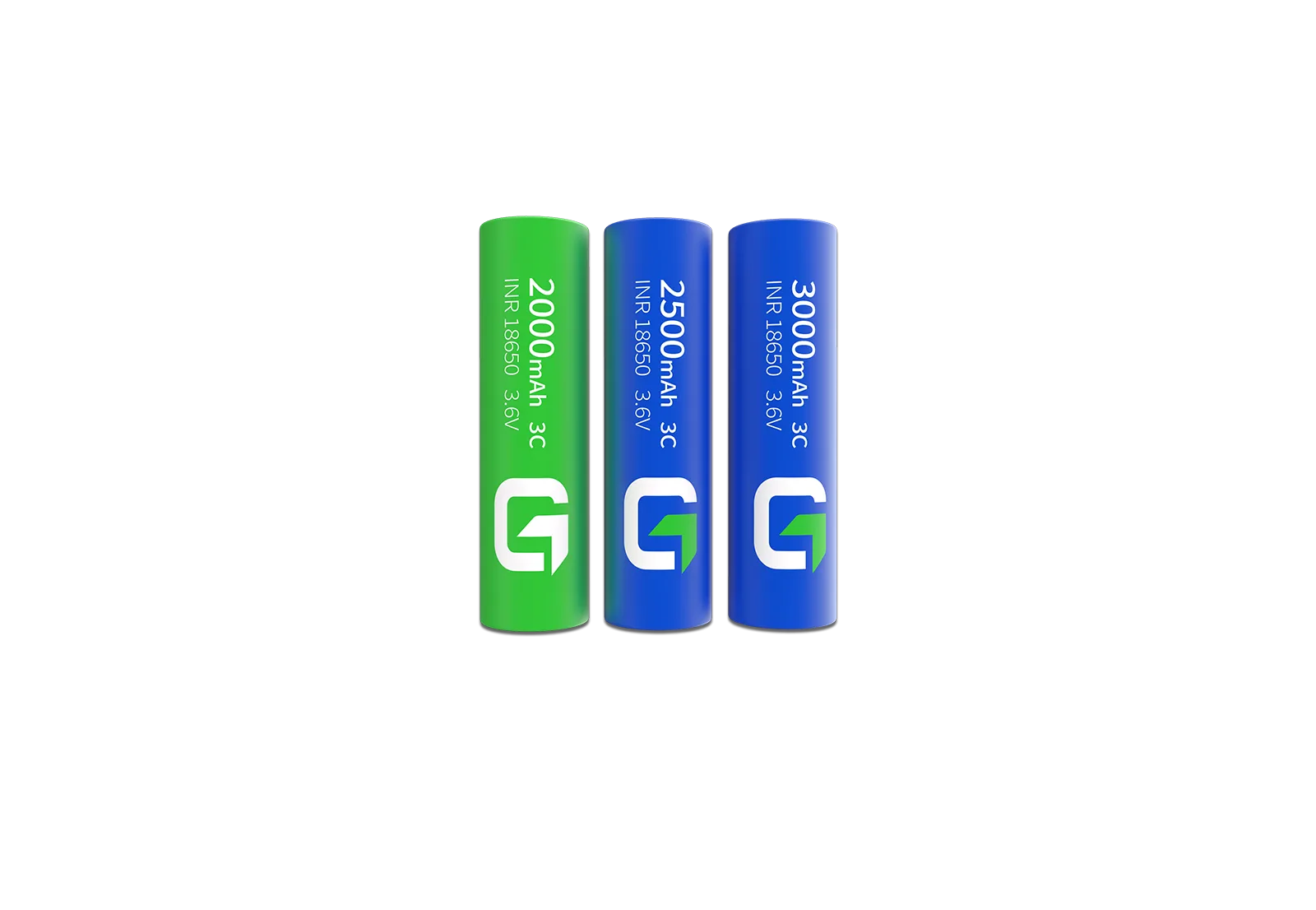
Intelligent PV
1 products
Current catalogue scope
Browse 34 displayed products across 6 categories
The current dataset spans both project energy storage and other battery applications. Counts describe this site's public catalogue, not Great Power's complete global range, current production programme, or a statement that every displayed item can be quoted for every destination.
34 products6 categories
Battery and ESS workflow
Define the product level before comparing a model
A cell, pack, rack, outdoor battery system, containerized solution, cloud platform, consumer battery, and EV battery solve different requirements. Start with the required system boundary, then match performance, interfaces, documents, and order scope.
Step 1
Choose the application and product level
State whether the requirement is for a cell, module, pack, rack, DC battery system, integrated AC/DC ESS, C&I or utility application, consumer device, mobility application, or intelligent PV function. Do not compare these as equivalent finished systems.
Step 2
Match duty and interfaces
Provide chemistry, voltage window, capacity or energy, required power, charge/discharge rate, duty cycle, life and temperature conditions, BMS/PCS/EMS interfaces, communications, cooling, protection, and site connection requirements where applicable.
Step 3
Close document and supply gaps
Request exact-model datasheets, drawings, manuals, certificates, test or transport files, warranty scope, compatibility records, included equipment, availability, MOQ, lead time, packing, trade terms, and destination requirements.
Technical shortlist
Six checks for Great Power battery and ESS enquiries
These checks separate a product name from the engineering, integration, logistics, and commercial evidence needed for a reviewed shortlist.
Product level and supply boundary
Identify whether the request covers cells, modules, racks, enclosures, a DC battery system, PCS, EMS, HVAC, fire protection, switchgear, transformer, auxiliary power, cloud services, commissioning, or a complete integrated package.
Energy, power, and operating duty
Separate kWh energy from kW power and define usable energy, duration, charge/discharge rate, daily cycles, depth of discharge, efficiency basis, peak demand, degradation assumptions, ambient conditions, and end-of-life requirement.
Cell and DC architecture
Check chemistry, form factor, series/parallel configuration, nominal and operating voltage, capacity, current limits, insulation, protection, rack count, DC collection, and expansion rules against the exact product and system design.
BMS, PCS, EMS, and communications
Verify control hierarchy, protocol, firmware, approved PCS or inverter pairing, EMS functions, metering, gateways, remote services, cybersecurity or data requirements, alarms, interlocks, and commissioning responsibility.
Thermal, fire, and site integration
Confirm cooling method, operating environment, enclosure and corrosion needs, detection and suppression scope, spacing, ventilation, access, foundations, cable interfaces, local fire strategy, and responsibilities outside the supplied equipment.
Documents, transport, and order inputs
List the required model revision, drawings, manuals, certificates, test reports, SDS or transport files, warranty, packing, quantity, destination, delivery target, trade term, lifting constraints, spares, and substitution rules.
System and evidence boundaries
Do not treat every battery listing as a complete energy storage system
Catalogue discovery is only the first step. Product level, system scope, technical compatibility, document coverage, supply status, and local acceptance must be verified independently for the requested item and project.
The catalogue covers different markets
The six current categories include project storage cells and systems as well as consumer and EV batteries and intelligent PV. A product's presence under the Great Power route does not make it suitable for a solar or stationary-storage project.
A cell or rack is not a complete ESS
Cells, packs, racks, DC battery systems, PCS, EMS, HVAC, fire protection, switchgear, transformers, auxiliaries, civil works, installation, and commissioning may be separate, optional, or outside the displayed product scope.
Public display is not authorization or stock
The Great Power name and catalogue data identify displayed products. They do not by themselves claim authorized or exclusive distributor status, live inventory, allocated production, price, MOQ, lead time, or warranty terms.
Evidence is exact-product and destination specific
Performance, cycle life, compatibility, safety, transport, fire, grid, warranty, and certification evidence must match the exact model, revision, operating conditions, system configuration, and destination. One product's file is not transferable proof for another.
Great Power catalogue FAQ
Questions before requesting a Great Power product
These answers distinguish product discovery from complete-system design, evidence review, availability, and destination acceptance.
Does this catalogue mean Rongkai is an authorized Great Power distributor?
No authorization, exclusivity, or official-representative status is claimed by the listing itself. The catalogue organizes currently displayed Great Power products for research and RFQ preparation. Any commercial relationship a buyer needs to rely on should be evidenced separately.
Are all Great Power products and regional variants listed?
No. This page currently covers 34 displayed products across 6 categories, not Great Power's complete global portfolio or current production programme. Product ranges, revisions, documents, availability, and destination variants can differ.
What is the difference between a battery cell, DC battery system, and complete ESS?
A cell is an electrochemical building block. Modules and racks combine cells with mechanical, electrical, sensing, and protection elements. A DC battery system adds higher-level collection and control, while a complete ESS may also require PCS, EMS, HVAC, fire protection, switchgear, transformer, auxiliaries, enclosure, site works, installation, and commissioning. The quoted supply boundary must list what is included.
What should a Great Power project RFQ include?
Provide the application and product level, exact model or performance requirement, kW and kWh, duration and duty cycle, DC voltage, BMS/PCS/EMS interfaces, environment, cooling and fire strategy, quantity, destination, delivery target, included-equipment boundary, required files, packing, spares, and substitution rules.
Great Power product catalogue
Great Power Battery Cells, Energy Storage Systems and Related Products
Research the 34 Great Power product pages currently displayed across energy storage cells, utility-scale and C&I energy storage systems, consumer batteries, EV batteries, and intelligent PV. Use category and exact-product routes to prepare a technical or commercial enquiry; catalogue visibility does not establish authorization, complete portfolio coverage, live supply, complete-system scope, compatibility, or destination approval.
Prepare a Great Power battery or ESS RFQ
Send the application, product level, exact model or duty, kW and kWh, voltage architecture, BMS/PCS/EMS interfaces, site conditions, supply boundary, quantity, destination, delivery target, files, packing, and substitution rules.