
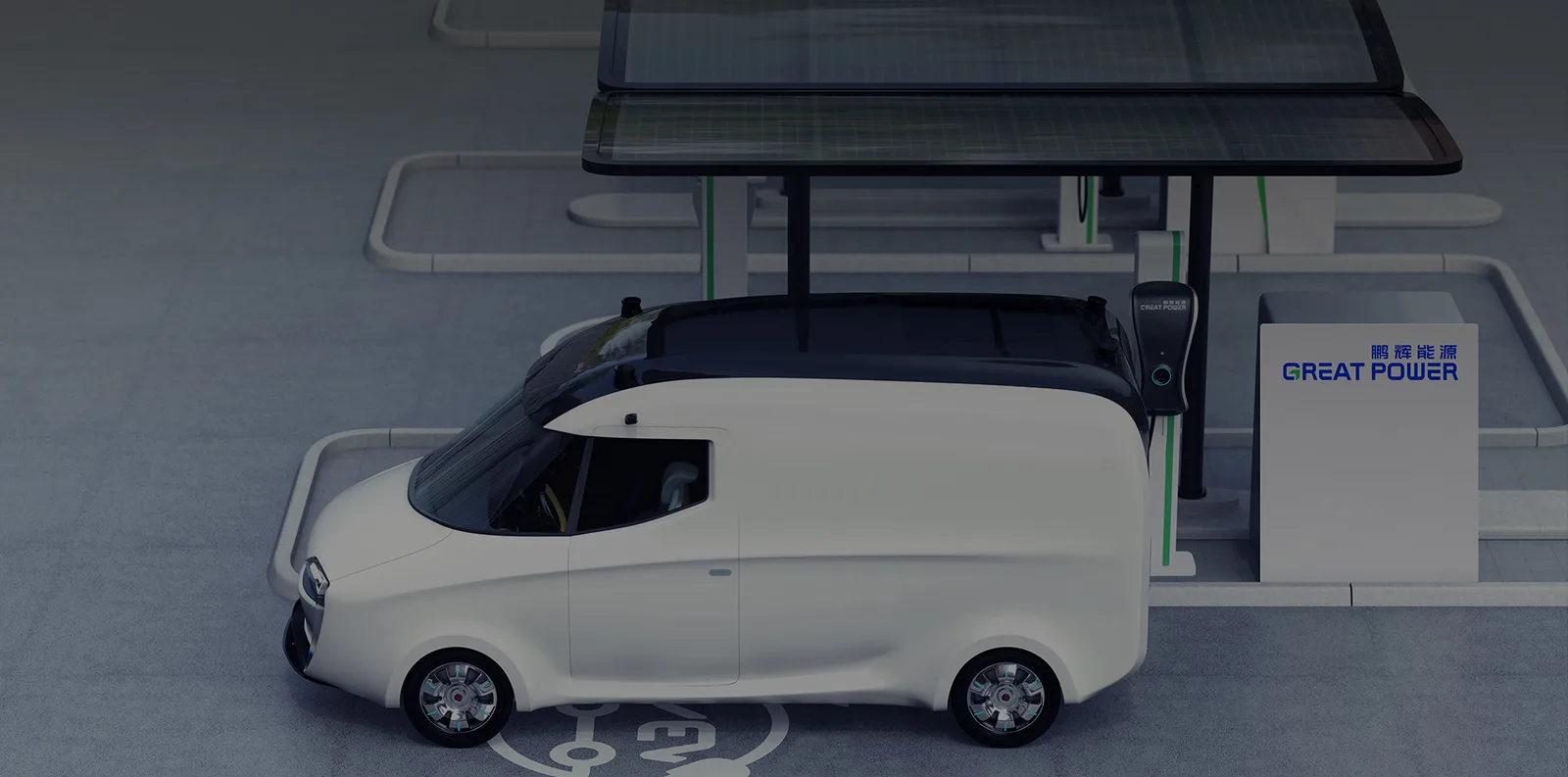
Review the displayed Great Power Intelligent PV page
Use the source-derived overview to identify the intended project theme, then request an exact equipment and service proposal with ratings, single-line diagram, BOM, software/data scope, evidence, site work, tests and commercial terms.
Visible source themes
Turn broad Intelligent PV wording into a reviewable project scope
The source page presents solution themes rather than model-level specifications. Each theme needs a separate technical and commercial definition.
Renewable energy solution
Clarify whether the project includes PV generation, battery storage, grid import/export, canopies or other assets. Request proposed capacities, equipment models, energy model, single-line diagram and included design/site work.
Vehicle fast charging
Define charger quantity and connector, rated and shared power, vehicle compatibility, simultaneous demand, grid/transformer capacity, load management, payment/network functions, protection and local approval.
Online battery testing
Clarify whether this means charger diagnostics, vehicle-battery health data, stationary-battery monitoring or another service. Request measured variables, method, accuracy, hardware, protocols, data rights and decision boundary.
Charging-station references
The source record includes images labelled as charging stations in China. Treat them as source-page imagery only; request project-specific scope, completion evidence and performance data before using any site as a procurement reference.
Project RFQ checks
Six checks before requesting an Intelligent PV proposal
A credible proposal starts with the site and operating problem, then identifies every supplied hardware, software and service boundary.
Objective and operating model
Rank renewable-energy use, charging capacity, peak control, fleet availability, battery diagnostics, public charging revenue or another objective; define owner/operator, user groups, hours, tariff and decision criteria.
Site, grid and load data
Provide location, interval load, grid/service and transformer capacity, voltage, short-circuit and protection data, export constraints, available space, parking flow, civil conditions and planned expansion.
PV and storage boundary
If PV or storage is expected, define target kWp/kW/kWh, roof/canopy/ground area, module and inverter role, battery duration and cycling, PCS/EMS, metering, backup exclusions, structural/civil work and grid studies.
Charger and vehicle demand
Provide vehicle classes, connector/communication standards, onboard charge limits, daily arrivals and dwell time, simultaneous sessions, target energy per session, charger mix, accessibility and cable-management needs.
Controls, testing and data
Define EMS/load management, charger backend, payment/roaming if applicable, battery-test method, meters/sensors, protocols, cloud/local control, cybersecurity, personal and vehicle data, uptime and network-loss behavior.
Evidence and delivery scope
Request model-level datasheets, certificates/listings, drawings, BOM, exclusions, site surveys, permits, grid/fire/civil design, FAT/SAT, installation, commissioning, training, warranty/SLA, software fees, lead time and acceptance tests.
Evidence and commercial boundaries
Intelligent PV is not yet a defined equipment package
The current source record supports high-level intent only. Do not convert its short phrases or images into unverified specifications, savings or operating guarantees.
Category name is not a bill of materials
Intelligent PV does not establish included modules, inverters, storage, chargers, EMS, testing hardware, transformer, switchgear, canopy, civil work or software. Require a line-item scope and responsibility matrix.
Fast charging depends on both site and vehicle
Delivered charging power is limited by vehicle acceptance, connector/protocol, charger sharing, grid/transformer capacity, temperature, SOC and controls. A fast-charging phrase is not a guaranteed session rate.
Online testing needs a defined method
Online battery testing does not by itself establish diagnostic accuracy, battery-health prediction, fault prevention or compatibility. Confirm data, method, calibration, limits, validation and responsible decisions.
Cost and revenue language needs a financial model
Savings or revenue depend on utilization, tariff, demand charges, capex, financing, maintenance, software/network fees, downtime and regulation. Request transparent assumptions and sensitivity analysis.
Continue the project definition
Connect the concept to a solar-storage architecture and controlled BOM
Use the solution page to map possible energy assets, then use the BOM guide to make models, interfaces, exclusions and documents explicit.
Commercial solar and storage solution
Review how PV, inverters/PCS, batteries, controls, protection, metering and site responsibilities can form one commercial energy system.
Review solution context
BOM review before quotation
Use model, quantity, interface, accessory, document, exclusion and substitution checks before accepting an Intelligent PV project quotation.
Review BOM controls
Great Power Intelligent PV FAQ
Questions to resolve before treating the concept as a project
These answers protect early-stage procurement; final architecture, equipment, economics, approvals and delivery responsibilities require a site-specific proposal.
What equipment is included in Great Power Intelligent PV?
The current displayed source record does not define a complete equipment list. It presents renewable energy, fast charging and online battery-testing themes. Request a project BOM and single-line diagram covering PV, storage, chargers, controls, testing hardware, transformer/switchgear, software and site works.
Does the page specify charger power or vehicle compatibility?
No verified model-level charger ratings or connector list are present in the local source record. Provide the vehicle classes and standards, then confirm exact charger models, shared/continuous power, communication, protection, backend and destination approval.
Does online battery testing guarantee battery-health accuracy or prevent failures?
Do not assume so. Ask what is measured, the diagnostic method and validation set, accuracy and limitations, compatible vehicles/batteries, hardware and protocols, data ownership, alert handling and who is responsible for maintenance decisions.
What should an Intelligent PV project RFQ include?
Include site/grid/load data, project objectives, vehicles and charging demand, expected PV/storage scope, charger and control requirements, online-testing definition, software/data/cybersecurity needs, civil and approval scope, models/BOM/documents, acceptance tests, commercial model and schedule.
Great Power Intelligent PV project review
Great Power Intelligent PV, Fast Charging and Battery Testing Scope
Review one displayed source page whose visible themes are renewable energy solutions, vehicle fast charging, online battery testing, cost/efficiency language and charging-station imagery. The available source record does not provide a verified equipment model list, power ratings, single-line diagram or bill of materials, so this page should be used to structure a project inquiry—not to infer a packaged PV or charging product. Define the site, vehicles, grid capacity and commercial objective, then request the exact PV, storage, charger, controls, testing, civil, commissioning and operating scope with current technical evidence.
Define a Great Power Intelligent PV project RFQ
Send the site and grid data, vehicle demand, PV/storage expectations, charger mix, testing and data scope, required equipment/evidence, civil boundary and schedule.