
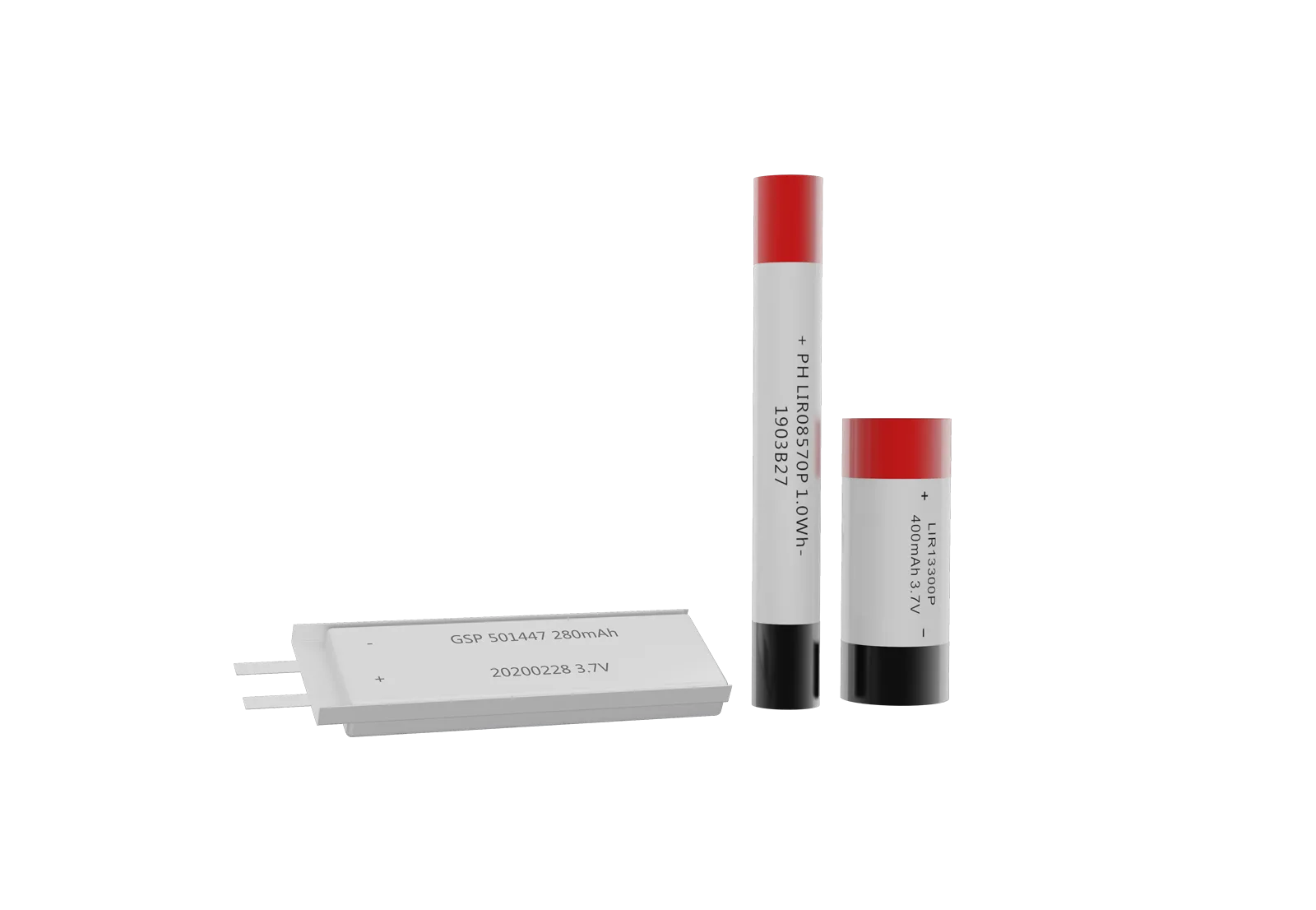
Compare the 13 displayed Great Power consumer battery pages
Open the relevant application or chemistry page, then request an exact cell/pack code and current datasheet before comparing capacity, rate, temperature, life, documents, customization and commercial terms.
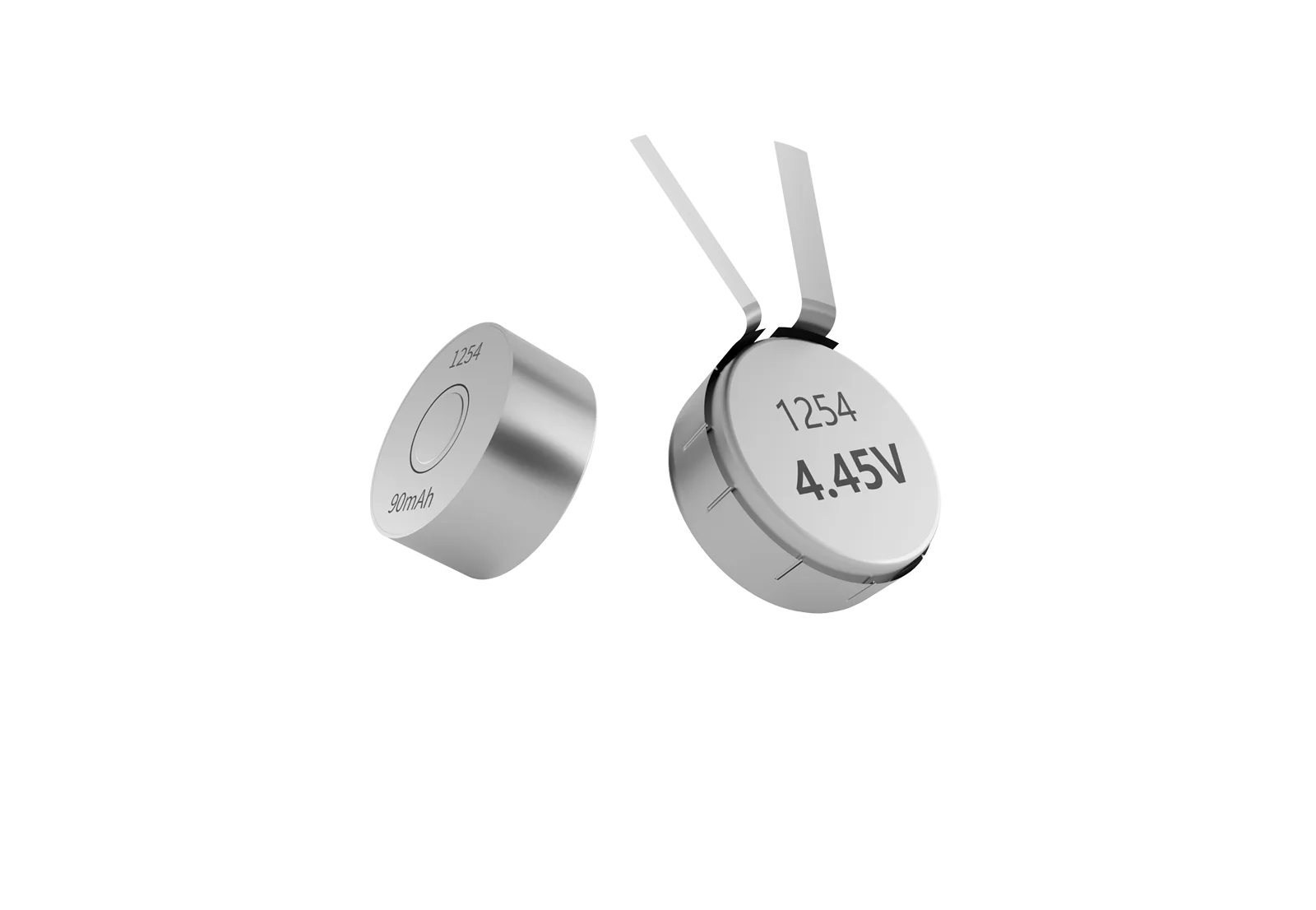
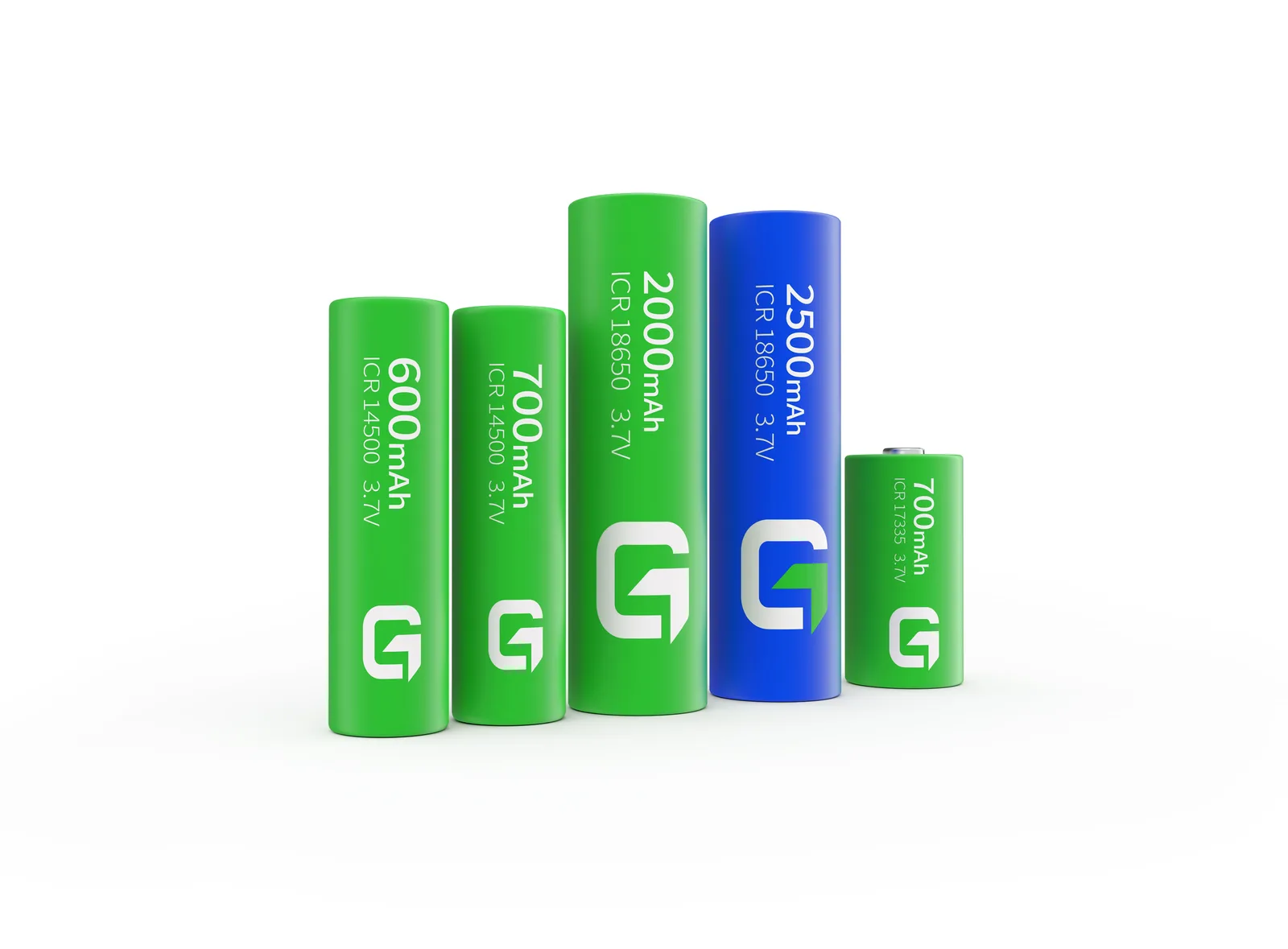
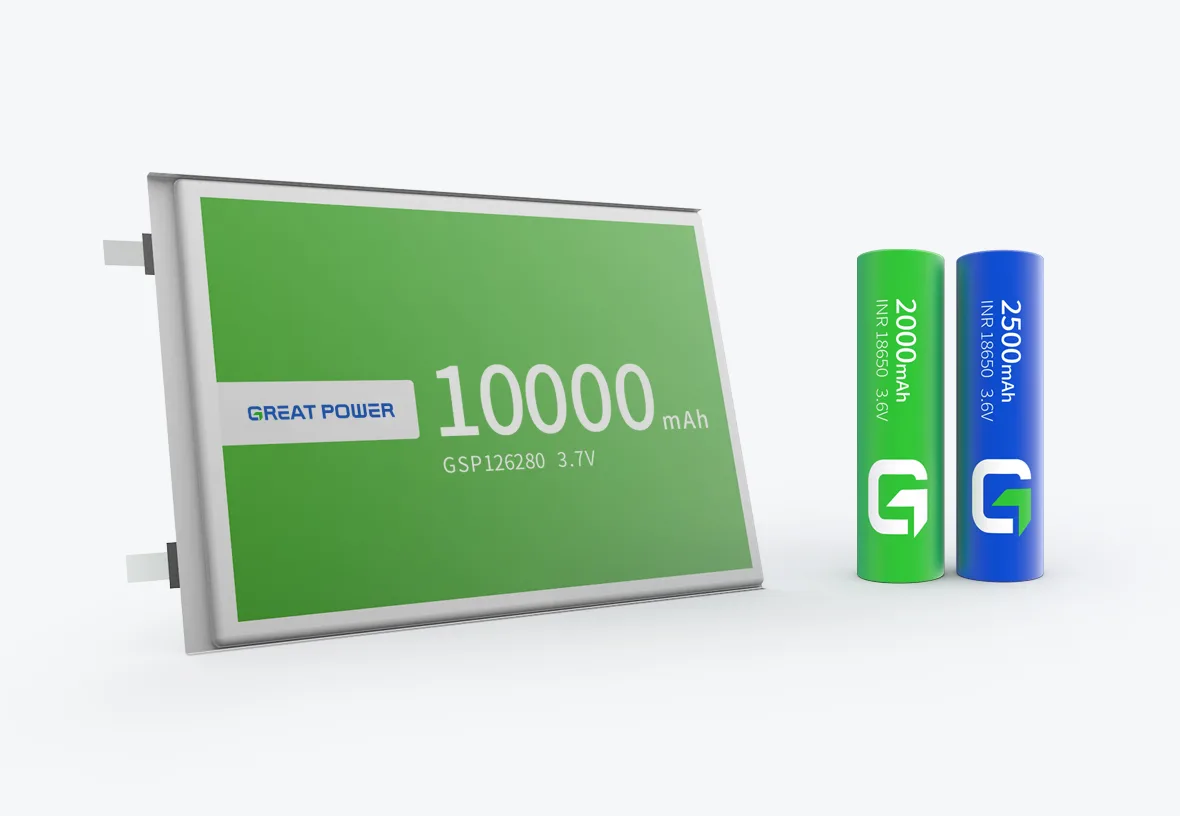
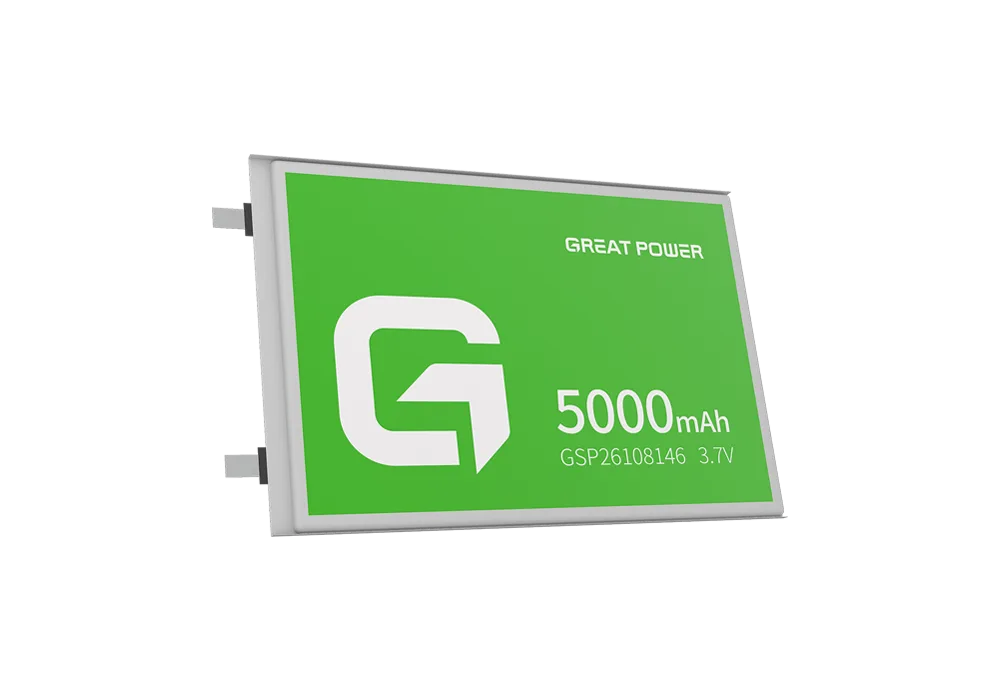
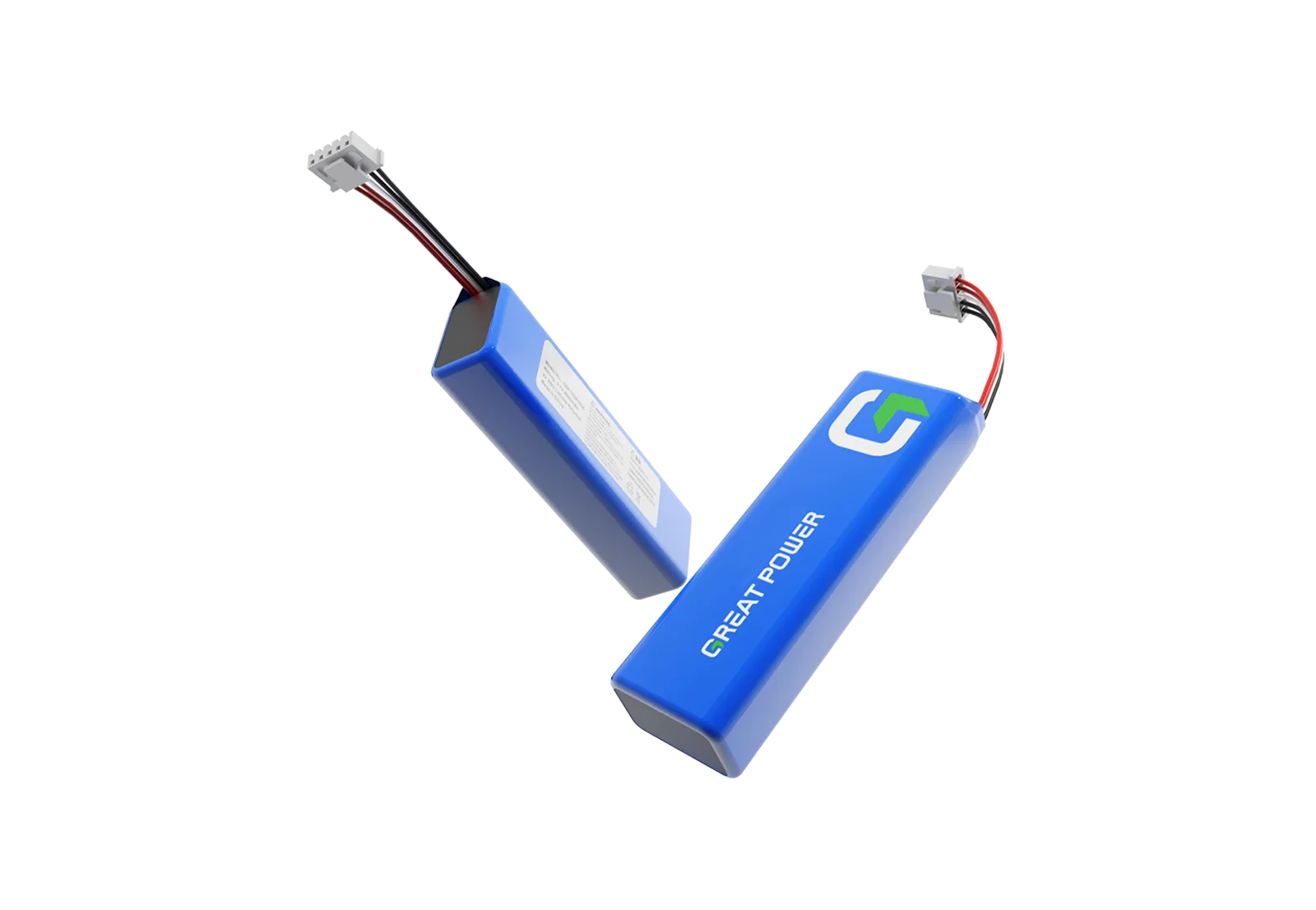
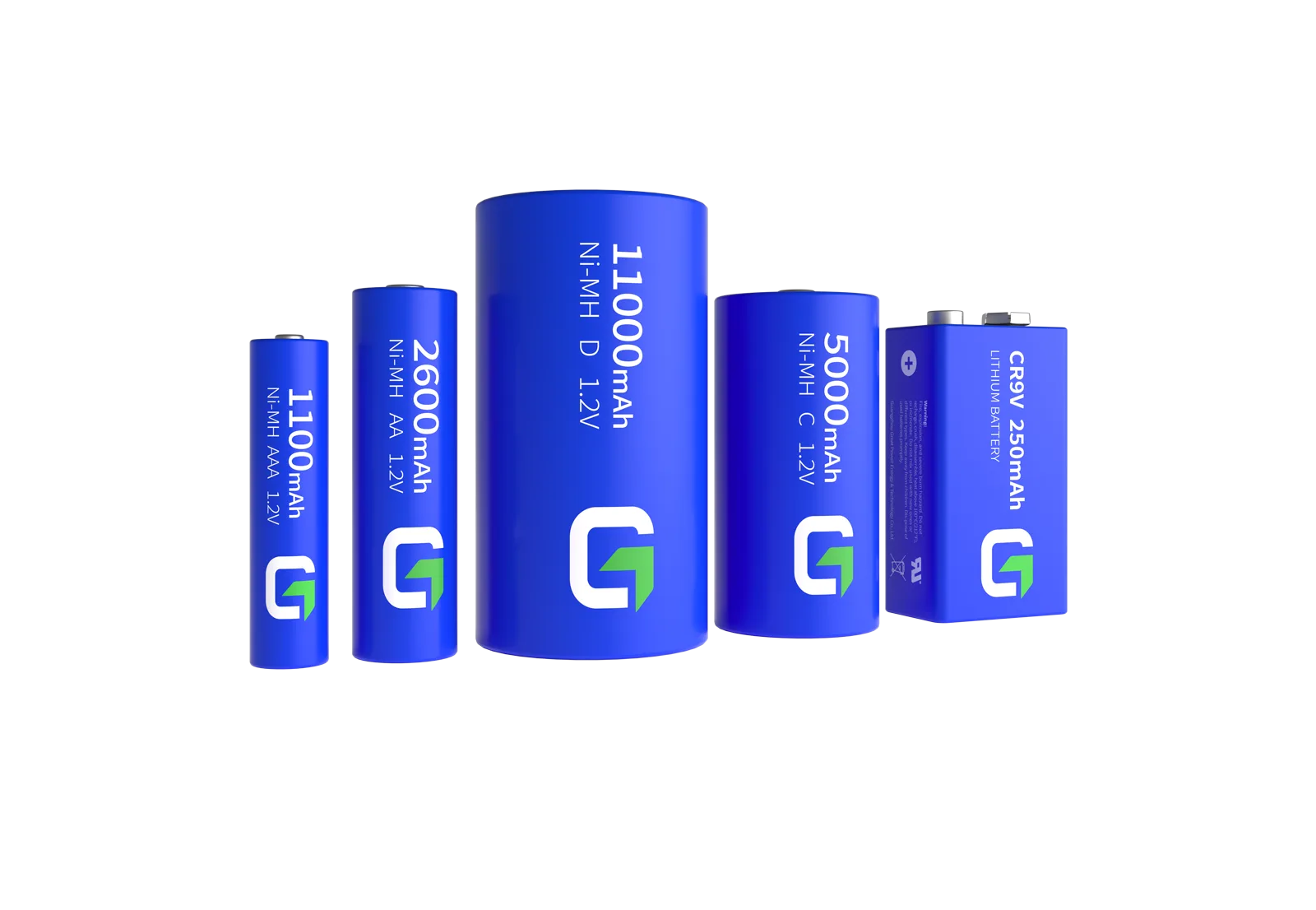
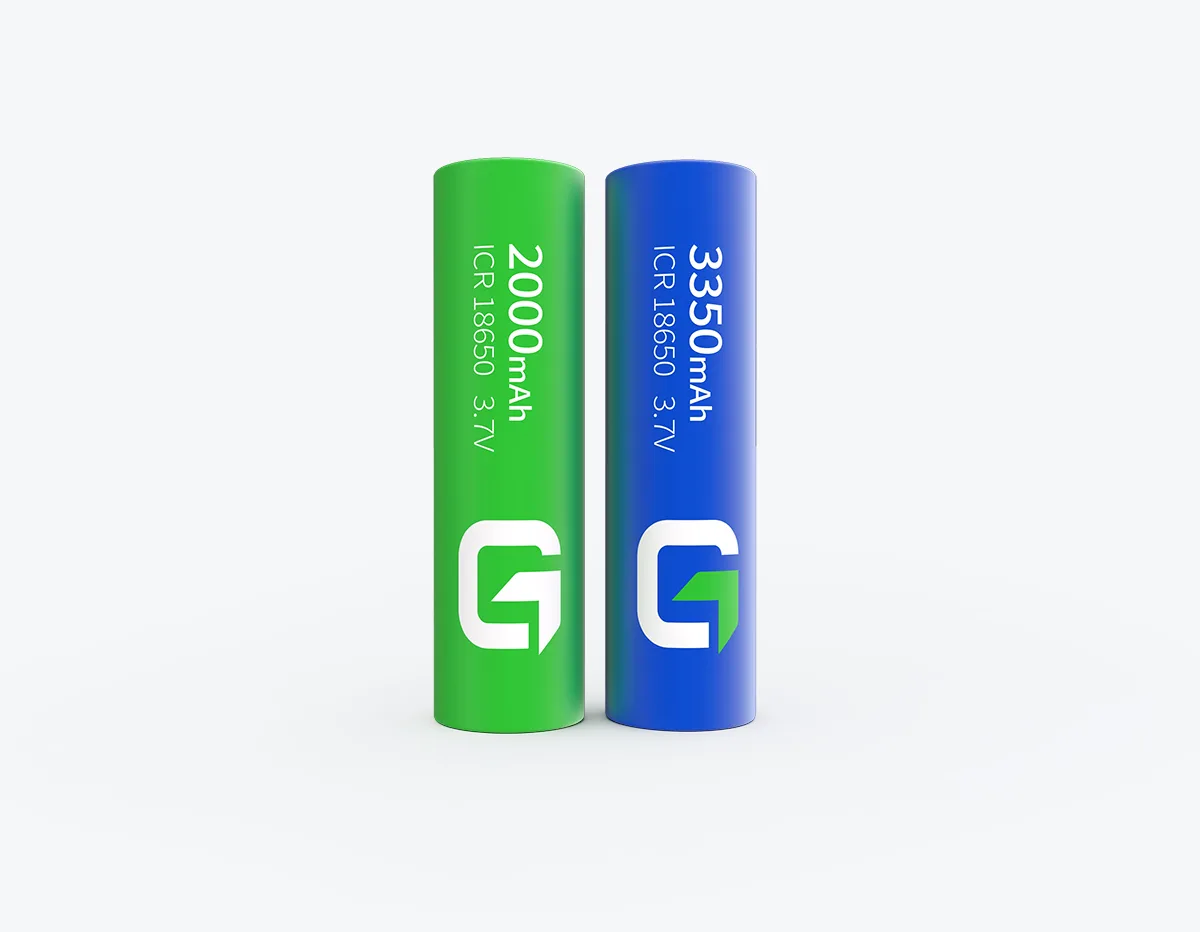
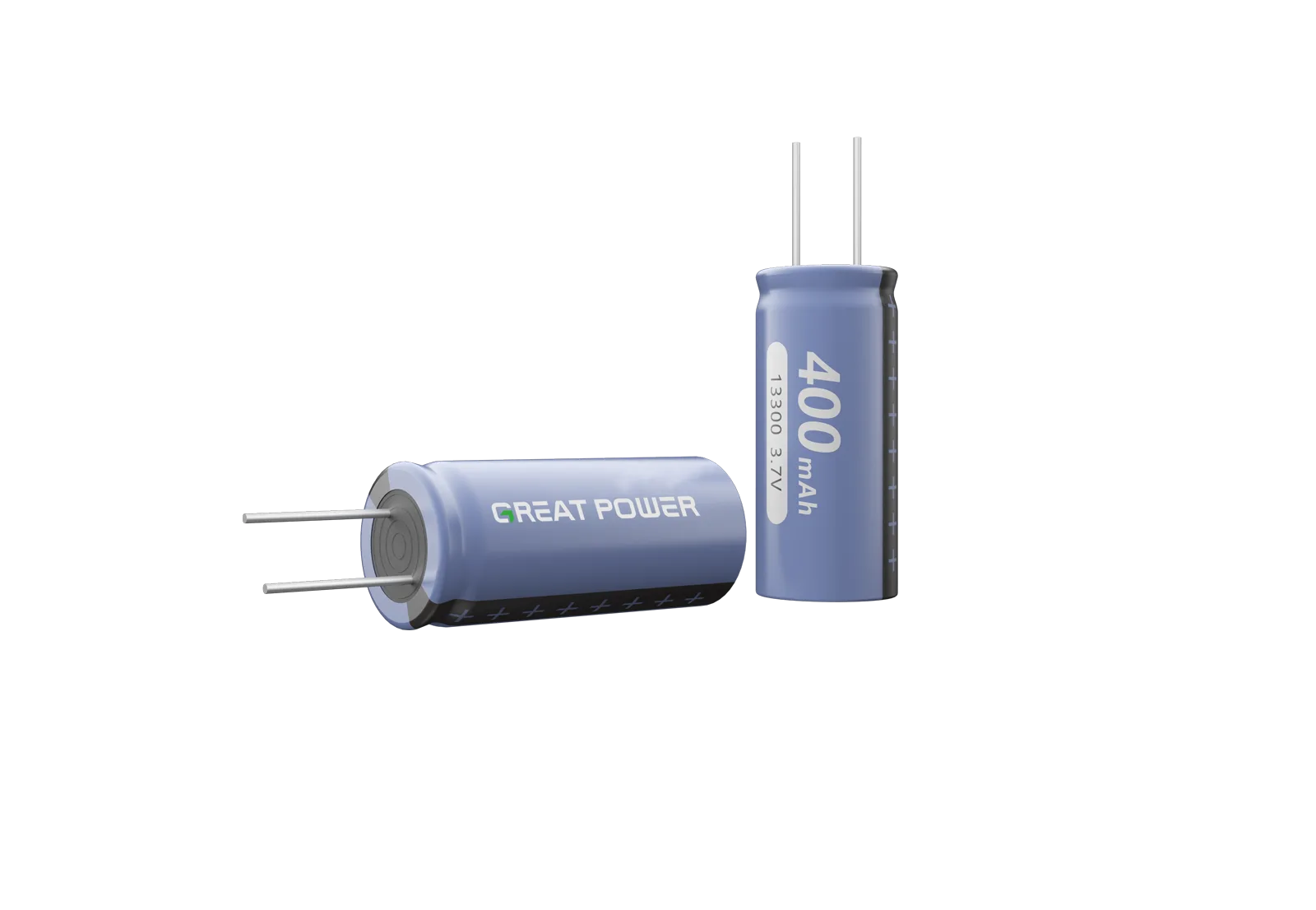
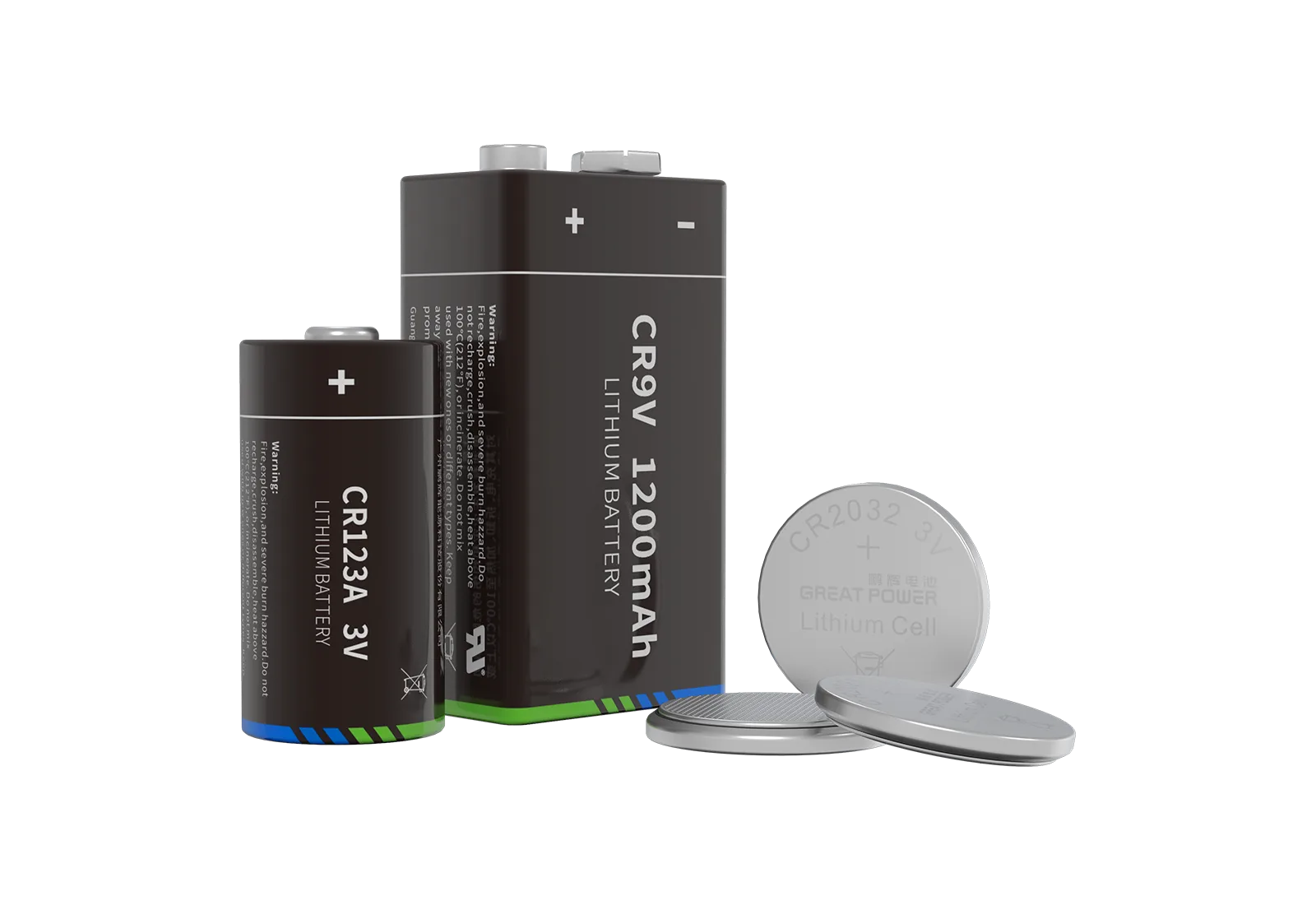
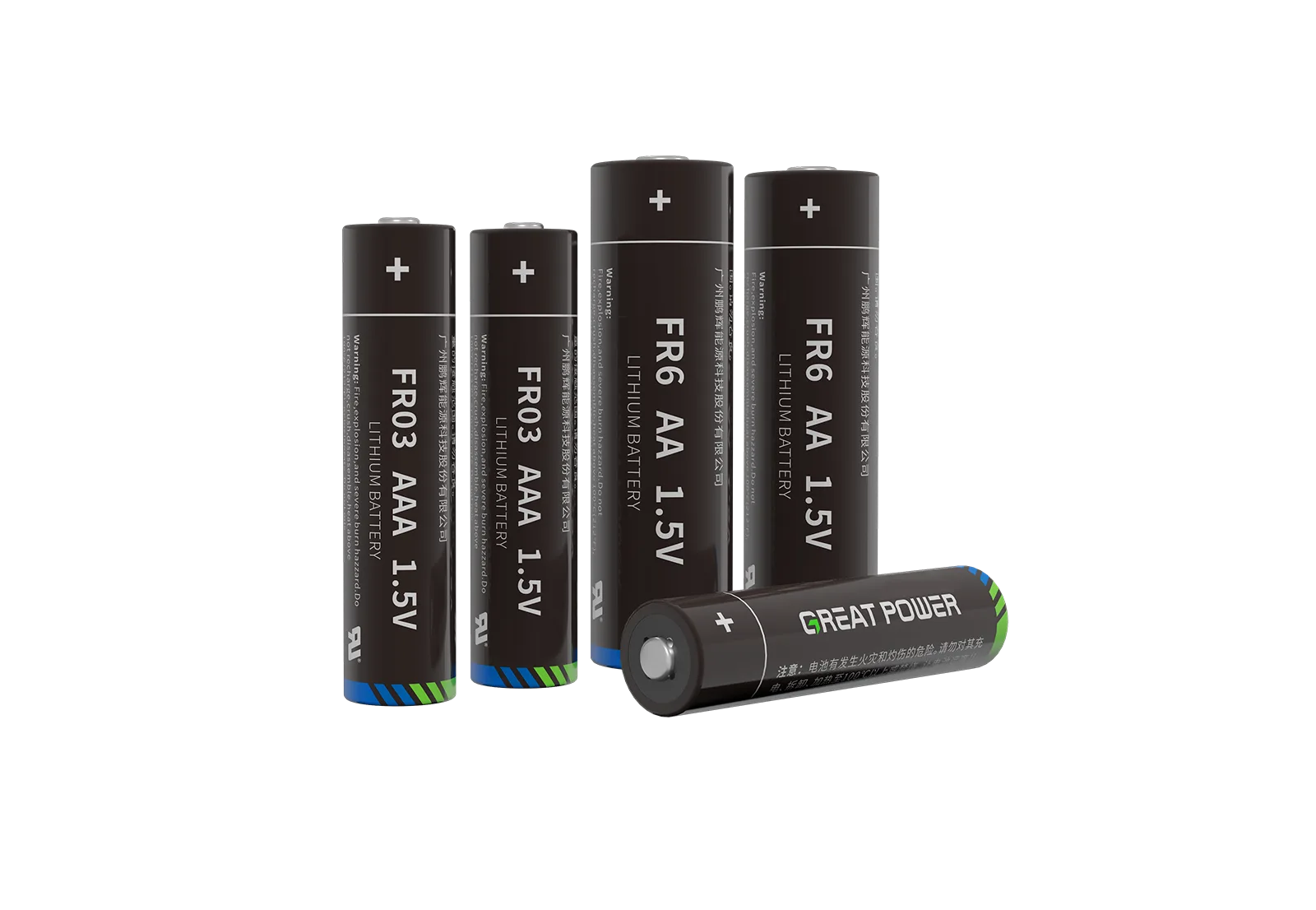
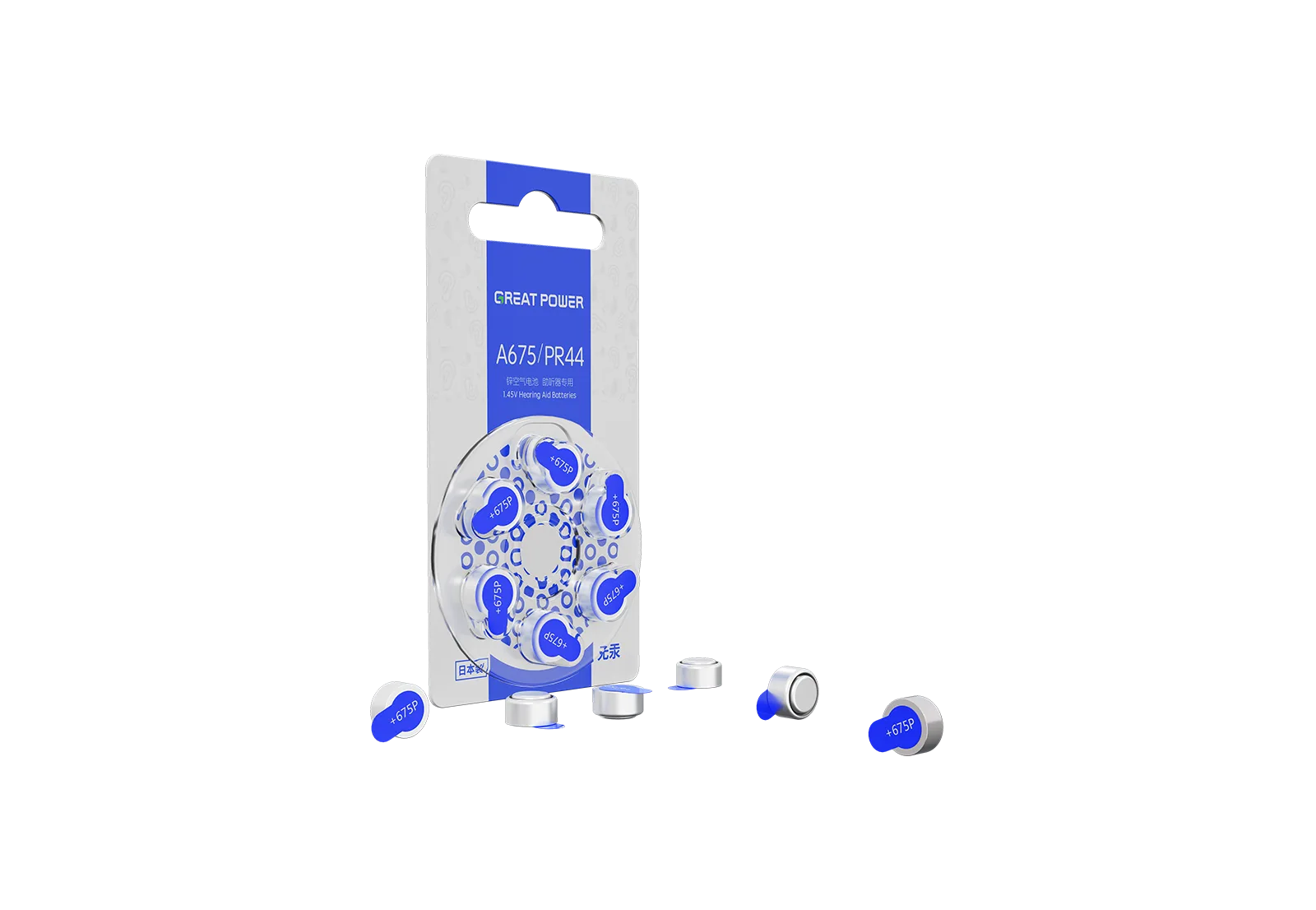
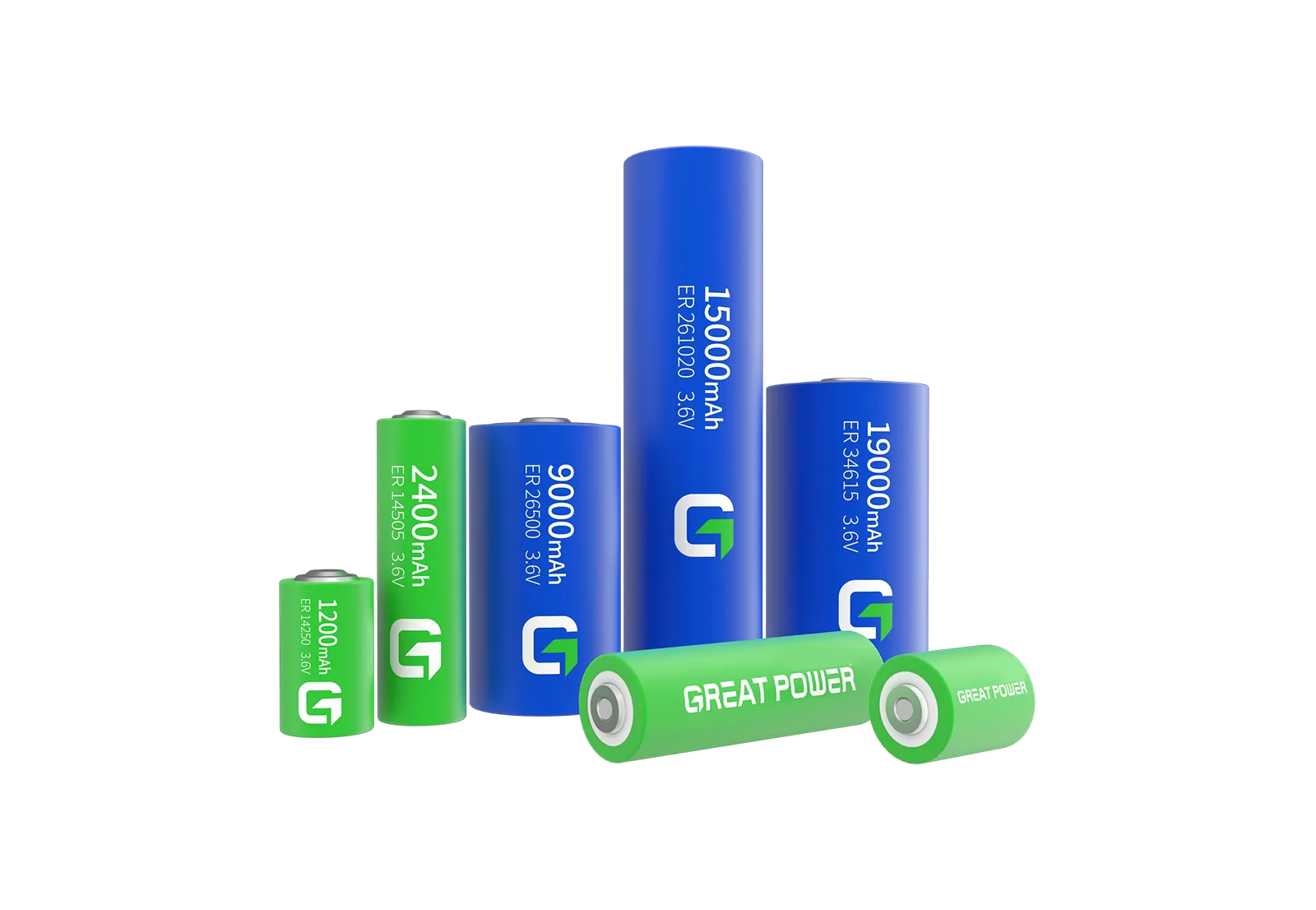
Displayed sourcing routes
Separate device application from chemistry and cell format
The catalogue combines use-case sections with primary and rechargeable chemistry families. Compare within the same functional requirement.
Small rechargeable device batteries
E-cigarette, TWS, personal-care and other portable-device sections emphasize compact formats and application-specific rate or charging needs. Confirm the exact cell, protection, connector and device qualification scope.
Laptop, power-bank and audio routes
Laptop, power-bank, loudspeaker and digital-product sections describe broad applications. Provide the actual voltage, load peaks, runtime, envelope and pack design rather than buying from the application label alone.
Ni-MH and specialty rechargeable routes
Ni-MH and capacitor-type lithium products have distinct voltage, charge control, discharge and storage behavior. Confirm charger algorithm, cell format, series/parallel design and end-product duty.
Primary lithium and zinc-air routes
Li-MnO2, Li-FeS2, Li-SOCl2 and zinc-air are non-interchangeable chemistry systems with different voltage, pulse current, temperature, passivation, ventilation and transport considerations.
OEM selection checks
Six checks before selecting a consumer battery
A useful RFQ converts the finished device requirement into a controlled cell or pack specification and qualification plan.
Device load and runtime
Provide operating, standby and peak current profiles, pulse length, cutoff voltage, required runtime, recharge frequency and behavior at low state of charge. Nominal capacity alone does not predict device runtime.
Chemistry and recharge model
State rechargeable or primary use, charger design, nominal and maximum voltage, charge rate, protection and expected storage. Never substitute between lithium, Ni-MH, zinc-air or other systems without redesign and validation.
Envelope and pack interface
Provide maximum dimensions, mass, terminal/connector, wire length, polarity, tabs, PCB/protection, thermistor, enclosure and assembly method, including tolerance and swelling or venting clearance where applicable.
Environment and service life
Define operating and storage temperature, humidity, altitude, shock/vibration, ingress exposure, calendar life, cycle target or shelf life, self-discharge and end-of-life criteria for the actual device.
Qualification and production control
Agree sample stages, cell/pack/end-product tests, applicable standards, golden samples, incoming limits, traceability, lot controls, change notification, reliability monitoring and failure-analysis responsibilities.
Transport and commercial program
Request the exact UN38.3 test summary and SDS where applicable, shipping classification, packing/labels, MOQ, tooling or customization, forecast, production lead time, warranty, regulatory files and substitution policy.
Application and qualification boundaries
An application page is not a drop-in battery specification
End-product safety and performance depend on the exact cell, pack electronics, charger, enclosure, firmware and use conditions.
Application fit is model-specific
A battery listed for headphones, laptops or meters is not automatically compatible with every device in that category. Voltage, load, size, terminals, protection and qualification must match.
Capacity is not delivered runtime
Actual runtime depends on load profile, cutoff, rate, temperature, aging, conversion losses and pack protection. Validate with representative devices and production-intent samples.
Cell evidence does not certify the end product
Cell-level tests or certifications do not replace pack, charger, enclosure or finished-device compliance. Confirm which exact model and assembly each report covers.
Primary chemistries need special handling
Recharge prohibition, pulse/current limits, passivation, ventilation, disposal and transport vary by chemistry. Follow the exact datasheet and applicable regulations rather than a generic lithium procedure.
Continue the OEM review
Connect product selection to shipment evidence
Use the export checklist to request model-specific battery files, then submit a device-level inquiry with load and qualification data.
Battery export document checklist
Review model identity, UN38.3 test summary, SDS, transport classification, packing, labels and traceability before scheduling a battery shipment.
Review export documents
Prepare a device-level battery inquiry
Send the device load, runtime, chemistry, dimensions, terminal/pack scope, environmental limits, qualification standards, forecast and delivery target.
Start an OEM inquiry
Great Power consumer battery FAQ
Questions to resolve before device qualification
These answers support OEM sourcing; final cell/pack design, device testing, compliance and production approval remain program-specific.
Can I select a consumer battery from capacity and dimensions alone?
No. Also match chemistry, nominal and maximum voltage, continuous and pulse load, cutoff, charge method, temperature, terminals, protection, mechanical tolerance, lifecycle target and applicable end-product tests.
Are Li-MnO2, Li-FeS2, Li-SOCl2 and zinc-air batteries interchangeable?
No. They differ in voltage profile, pulse capability, temperature behavior, self-discharge, passivation or air access, safety handling and transport. The device power design and qualification must use the exact intended chemistry and model.
Does a cell certification cover my finished consumer product?
Usually not by itself. Verify the exact certificate/report scope, then assess the pack electronics, connector, charger, enclosure, firmware and finished-device standards. Qualification responsibilities should be written into the sourcing plan.
What should a Great Power consumer battery RFQ include?
Include device and destination, load profile and runtime, rechargeable or primary chemistry, exact electrical limits, dimensions and terminal/pack design, environment and life target, standards and sample tests, annual forecast, MOQ, documents, change control and delivery plan.
Great Power consumer battery procurement
Great Power Consumer Batteries for Device and OEM Programs
Compare 13 displayed source sections covering application-led rechargeable batteries for e-cigarettes, TWS headphones, personal-care electronics, laptops, power banks, loudspeakers and digital products, alongside Ni-MH, capacitor-type lithium, Li-MnO2, Li-FeS2, zinc-air and Li-SOCl2 routes. These are different chemistries and device requirements rather than substitutes. Start with the load, runtime, space, environment and recharge model, then confirm the exact cell code, electrical and dimensional specification, protection or pack scope, qualification evidence, transport classification, customization, MOQ and lifecycle controls.
Prepare a Great Power consumer battery OEM RFQ
Send the device load and runtime, chemistry, electrical and mechanical limits, pack interface, qualification evidence, forecast, destination and sample schedule.