
Compare the three displayed Great Power C&I ESS pages
Open each system-layer page, then request the exact project configuration, ratings, single-line diagram, bill of materials, responsibility matrix, safety/compliance files, commissioning plan and commercial terms.
Displayed system layers
Separate battery hardware, container integration and cloud control
A C&I ESS quotation must name the supplied layer and every interface to the remaining electrical and site scope.
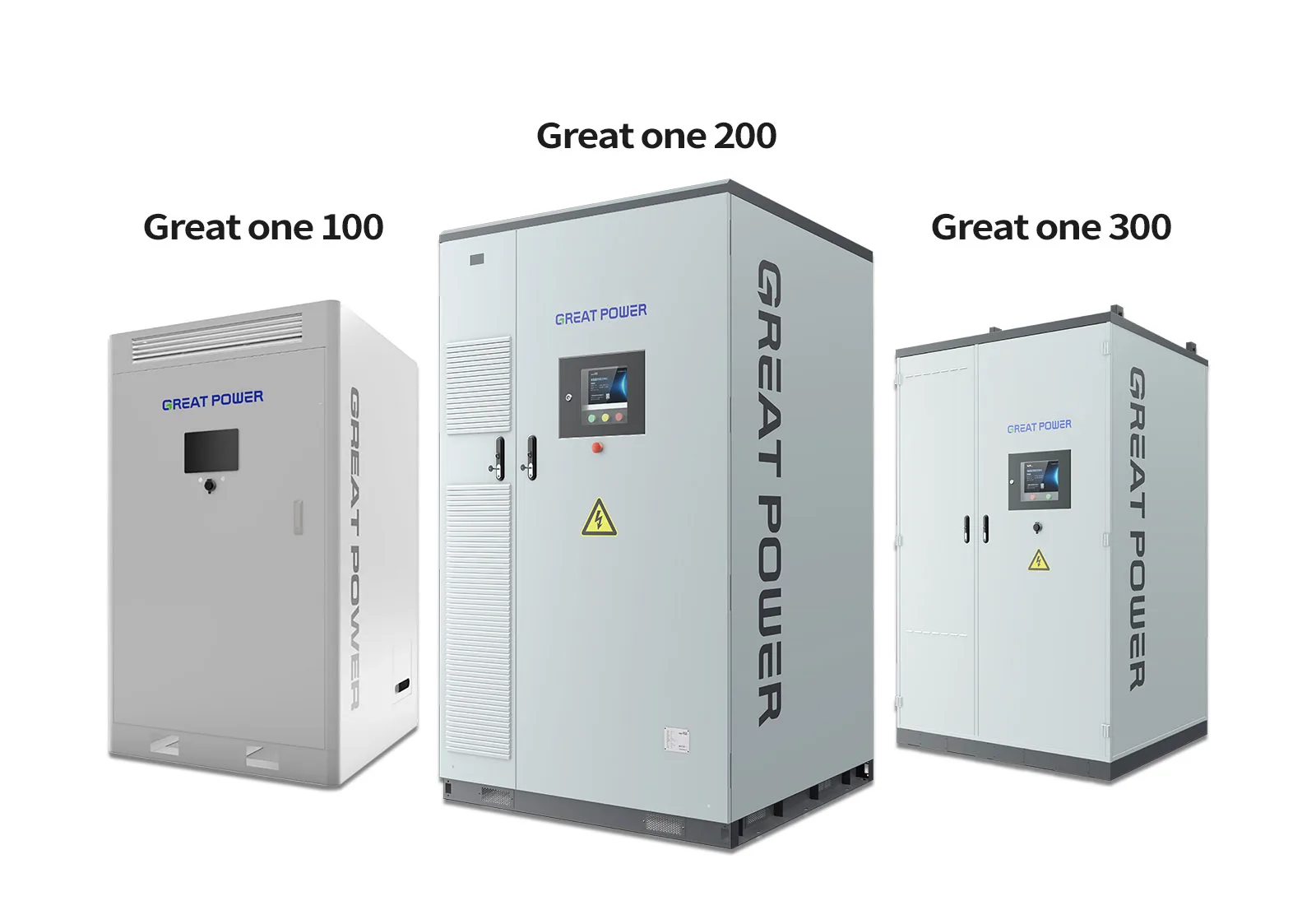
Outdoor battery system
Great One is presented for industrial and commercial load scenarios. Confirm whether the offer is DC battery equipment or an AC-integrated system, and identify included PCS, BMS, HVAC, fire, EMS and enclosure elements.
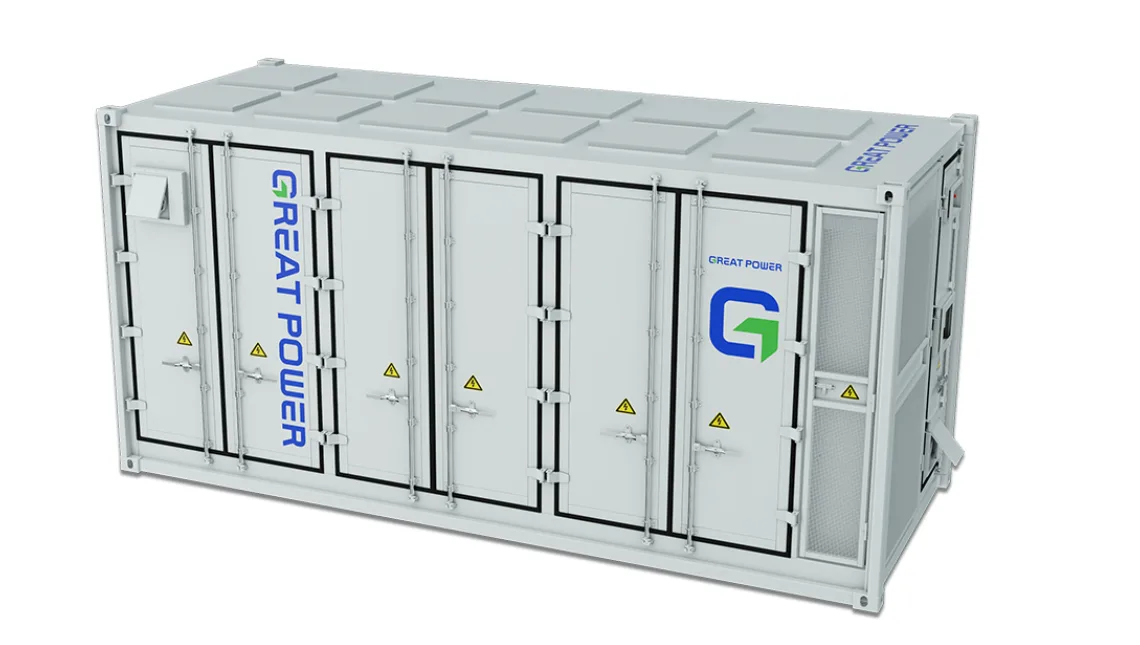
Containerized energy storage solution
Great Com is described for larger energy consumers and use with an outside battery system. Request a project configuration and single-line diagram; the short source description does not establish included equipment or ratings.
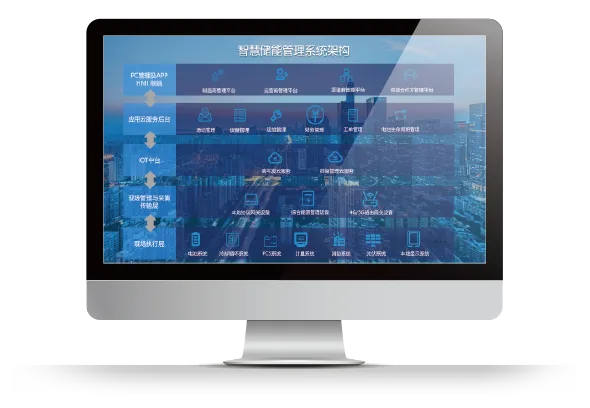
Smart cloud platform
Great E is a monitoring and optimization layer, not stored-energy hardware. Confirm supported gateways/protocols, data points, control authority, cybersecurity, hosting, network dependency, licensing and service responsibilities.
Project-level balance of system
PCS, transformer, MV/LV switchgear, metering, protection, cabling, foundations, drainage, fencing and grid/site integration may sit outside a named product page. Record them in a responsibility matrix.
C&I ESS RFQ checks
Six checks before requesting a commercial storage proposal
The supplier needs interval data and an operating objective to size power, energy and controls without hiding site assumptions.
Use case and load data
Provide at least representative interval load, tariff and demand structure, PV/generator profile, grid constraints and outage history; rank peak shaving, self-consumption, backup, demand response or other objectives.
Power, energy and autonomy
State target kW, usable kWh, required discharge duration, cycles, SOC reserve, critical loads and growth. Ask for gross/usable energy, auxiliary consumption, degradation and end-of-life basis.
Electrical architecture
Confirm AC- or DC-coupled design, site voltage/frequency, phase, PCS quantity, transformer and switchgear, metering, protection, grounding, short-circuit and grid/export-control requirements.
Controls and communications
Define BMS/PCS/EMS hierarchy, site controller, PV/generator integration, meter and SCADA protocols, cloud/local operation, alarms, data ownership, cybersecurity, remote access and network-loss behavior.
Safety, environment and site
Provide ambient range, altitude, corrosion, seismic/wind/flood constraints, access and noise limits. Request thermal, detection, suppression, ventilation, emergency response and code evidence for the exact configuration.
Delivery and acceptance
Clarify design review, factory/site tests, logistics, foundations and cabling, installation supervision, commissioning, grid/authority approvals, training, spares, warranty, response times and performance acceptance.
System and site boundaries
A C&I product page is not a bankable site proposal
Final performance, safety and savings depend on project sizing, supplied equipment, controls, site design, approvals and operating assumptions.
Battery system is not always turnkey AC ESS
Confirm whether PCS, transformer, EMS, switchgear, metering, fire/HVAC, enclosure and site works are included. A battery-system name does not establish the point of connection.
Savings claims require a model
Peak-shaving or tariff value depends on interval load, tariff rules, PV, dispatch, degradation, auxiliary loads and availability. Request transparent inputs and a sensitivity case.
Cloud control needs an operating boundary
Monitoring or AI wording does not define control rights, optimization objective, fail-safe behavior, cybersecurity or uptime. Document local fallback and responsibility for setpoints and updates.
Compliance is configuration- and site-specific
Component reports do not automatically approve the integrated system or installation. Review the exact configuration against destination electrical, fire, building, grid and environmental requirements.
Continue the C&I design
Connect the shortlist to use-case sizing and system scope
Use the solution page to map components and responsibilities, then use the sizing guide to structure operating data and assumptions.
Commercial solar and storage solution
Review how PV, PCS/inverters, batteries, controls, protection, switchgear and site responsibilities form one C&I energy system.
Review solution context
Battery storage sizing guide
Organize load, tariff, PV, backup, duration, cycling and degradation inputs before comparing a kW/kWh proposal.
Review sizing inputs
Great Power C&I ESS FAQ
Questions to resolve before approving a C&I storage scope
These answers structure procurement; final sizing, engineering, authority approval, economics and site acceptance remain project-specific.
Are Great One, Great Com and Great E equivalent C&I battery systems?
No. The displayed source pages describe an outside battery system, a containerized solution and a smart cloud platform. Ask for a project architecture showing which hardware and software are combined and which elements are included in the offer.
What data is needed to size a C&I ESS?
Provide interval load and tariff data, PV or generator production, outage and critical-load requirements, site electrical limits, ranked operating objectives, desired duration/cycles, growth and destination rules. A monthly bill or a generic kWh target is usually insufficient.
Does a C&I battery cabinet include PCS, transformer and EMS?
Do not assume it does. Confirm the point of connection and itemize battery racks, BMS, PCS, EMS/controller, HVAC, fire system, enclosure, transformer, switchgear, meters, protection, communications, site works and commissioning.
What should a Great Power C&I ESS RFQ include?
Include site/destination, interval load and tariff, PV/generator and use cases, target power/energy/duration, AC architecture, controls, environment and safety rules, point of connection, included/excluded works, required evidence, acceptance tests, warranty, quantity and schedule.
Great Power C&I ESS procurement
Great Power C&I Energy Storage Systems and Controls
Compare three displayed source pages: Great One Outside Battery System, Great Com Containerized Energy Storage Solution and Great E Smart Cloud Platform. They represent different system layers—a battery system, a containerized solution and a monitoring/optimization platform—not three equivalent cabinets. Define the site's load, tariff, PV and backup objective first, then confirm exact power and usable energy, PCS/BMS/EMS architecture, AC or DC coupling, transformer and switchgear boundary, thermal and fire design, communications, site works, commissioning, destination evidence and commercial availability.
Prepare a Great Power C&I ESS project RFQ
Send interval load and tariff data, use cases, PV/grid details, target kW/kWh and duration, site conditions, scope boundary, evidence and commissioning requirements.