Great Power outdoor C&I battery-platform review
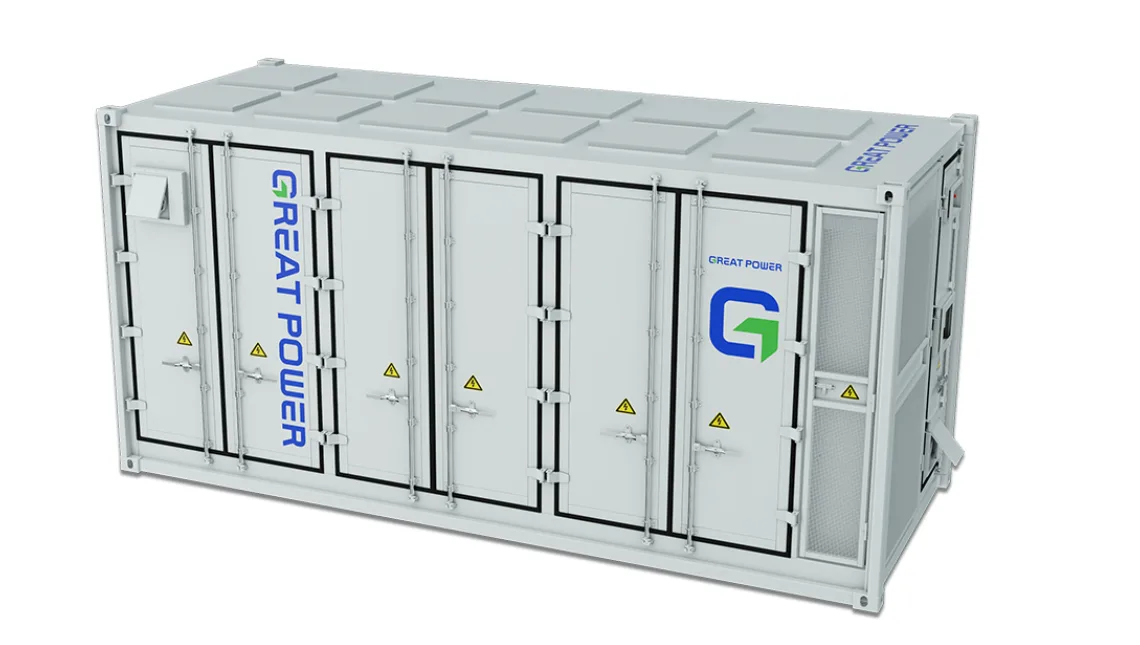
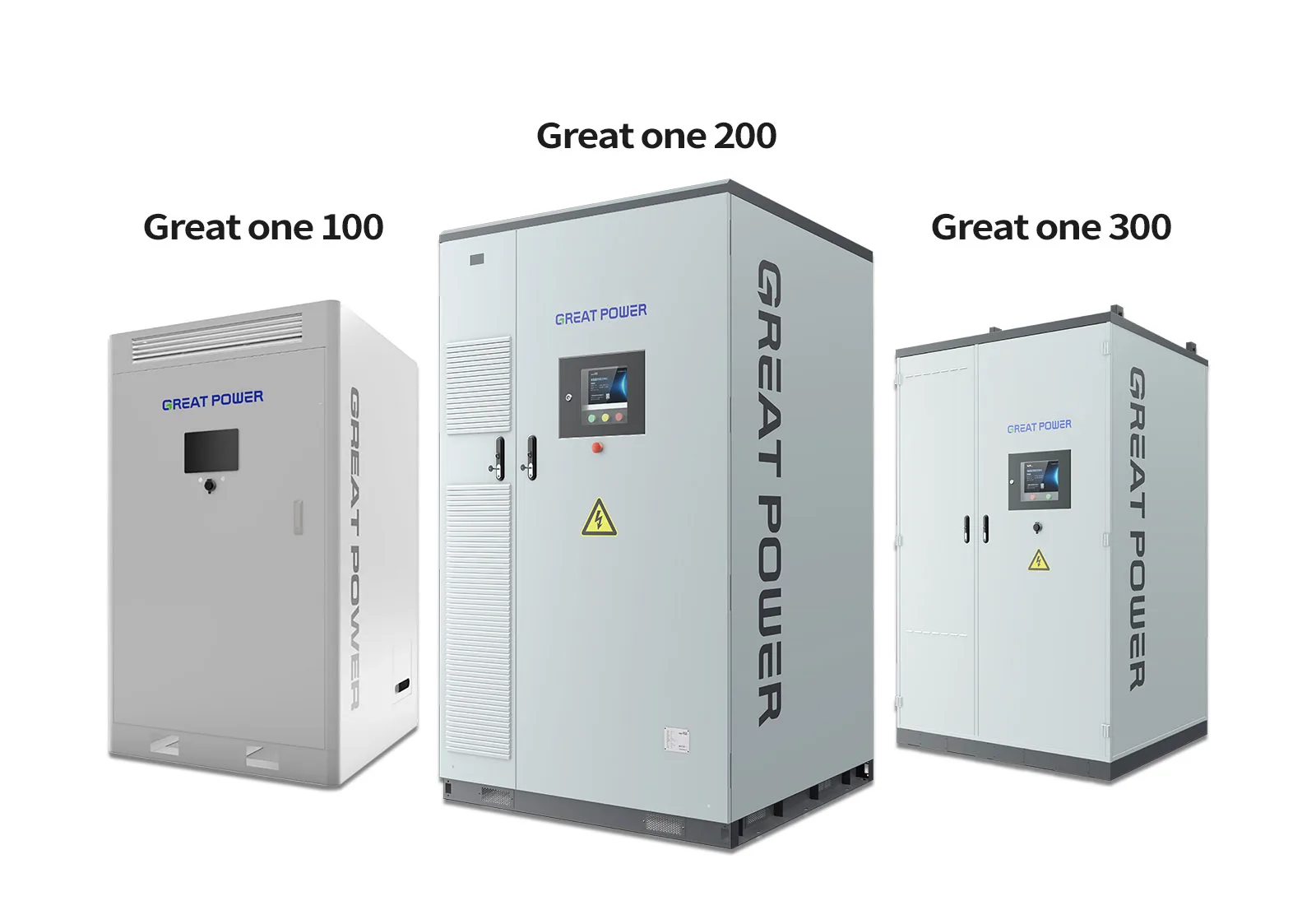
Great Power Great One Outdoor Battery System Project Platform
Great Power's current public Great One route presents an outdoor battery-system platform for factories, industrial parks and users with an independent transformer, especially where tariff spread and load fluctuation support energy-management value. The public route does not provide an exact released model code, kW/kWh table, DC voltage/current, PCS or EMS topology, dimensions, ingress rating, cell configuration, certifications or downloadable technical file. Procurement should therefore begin with a project configuration and supplier submission rather than unverified generic numbers.
Current source identity: official Great Power commercial-energy-storage product route for the Great One outside battery system. The public record provides use cases and high-level safety, cycle-life, efficiency and installation positioning but no model-specific technical table.
Current document status
No model-specific public datasheet was located for this route. Before any technical or price comparison, require the exact product/model revision, battery cabinet/rack/BMS BOM, rated and usable energy, power and duration, DC-only or AC-integrated boundary, PCS/EMS and transformer interfaces, thermal/fire design, dimensions/IP/environmental limits, certifications, drawings, warranty, FAT/SAT and commissioning scope.
Current public evidence
Keep verified use cases separate from missing model specifications
The page can qualify a project need, but it cannot yet define a purchasable system BOM.
C&I application route
The official page associates Great One with industrial parks, factories and sites using an independent transformer. Confirm the actual load, tariff, grid and site context rather than assuming a universal application.
Value case needs interval data
Tariff spread and load fluctuation are project drivers, not guaranteed savings. Model demand charges, interval load, PV, outages, tariff rules, dispatch limits and degradation.
Battery-system boundary is open
The public name does not establish whether PCS, EMS, transformer/switchgear, HVAC/fire, metering, enclosure or auxiliary equipment is included. Require a responsibility matrix.
No verified numeric table
Do not reuse category-level kW, kWh, efficiency, cycle-life, service-life, dimension or certification claims unless the supplier maps them to the quoted model and document revision.
Outdoor C&I ESS RFQ inputs
Six packages needed to turn Great One into a comparable offer
The project duty and supply boundary should come before product sizing.
Load and tariff study
Provide 15-minute or finer interval load, peak-demand rules, import/export limits, tariff periods, PV/generator profile, outage history and operational constraints.
Required duty
Define kW, usable kWh, duration, cycles/day, peak shaving, energy shifting, backup or demand response priority, SOC reserve, power factor and future expansion.
Exact system and BOM
Require model/revision, cells/modules/racks, BMS, DC combiner/protection, PCS, EMS/PPC, meter, enclosure, HVAC, fire, auxiliaries, transformer/switchgear and spares.
Electrical and controls interface
Provide SLD, AC/DC voltage, service/transformer data, fault level, grounding, protection, meter/CT, grid/export control, SCADA/BMS/EMS protocols and cybersecurity requirements.
Site, safety and civil
State climate, altitude/corrosion, indoor/outdoor exposure, available footprint, foundation/access, drainage, clearance, fire separation, emergency response, code/AHJ and noise restrictions.
Guarantees and acceptance
Contract usable energy/power at a stated boundary, RTE and auxiliaries, degradation/throughput, availability, response, warranty remedies, FAT/SAT, commissioning, training and service support.
Evidence and project boundaries
High safety, long life and high efficiency are positioning claims until quantified
The quoted model and contract schedules must define every measurable performance claim.
No generic kW/kWh assumption
System power and energy must come from a model-specific table and project design. Do not copy values from other Great Power cabinets or category pages.
Battery system may not be turnkey
Confirm whether the offer is DC-only, AC-coupled behind the meter or includes transformer/switchgear. Allocate EMS, civil work, grid study, installation and commissioning explicitly.
Savings require a baseline
Tariff arbitrage and peak-shaving benefits depend on actual interval data, tariff rules, dispatch, losses, degradation, downtime, taxes and operating constraints.
Safety needs design evidence
Require chemistry and BMS architecture, thermal/fire system, test reports, code/AHJ review, protection, emergency procedures, installation controls and commissioning—not a headline alone.
Continue the C&I storage review
Build the Great One configuration from the site duty and controlled BOM
Use the commercial system and BOM guides to define interfaces before requesting supplier pricing.
Commercial solar and storage solution
Coordinate load, PV, battery, PCS, controls, protection, grid, site and acceptance responsibilities.
Review commercial scope →Solar and storage BOM review
Freeze equipment, accessories, interfaces, documents, quantities, guarantees and exclusions before comparison.
Build the ESS BOM →Great Power Great One FAQ
Questions to answer before treating Great One as an orderable system
A supplier submission should convert the platform name into a controlled model and project configuration.
What is Great One's verified kW and kWh rating?
The current public route does not provide a model-specific table. Require an exact model/revision and signed datasheet for the proposed configuration.
Does Great One include PCS, EMS and transformer equipment?
Not established publicly. Define every DC, AC, controls, auxiliary and grid-interface item as included, optional or by others.
Can category-level efficiency or lifetime claims be used?
Only when the supplier maps the claim to the exact model, test boundary, duty, environment, degradation schedule and contractual remedy.
What should the first RFQ include?
Include interval load/tariff data, required kW/kWh and use case, supply boundary, SLD/site conditions, safety/code needs, guarantees, documents and acceptance tests.
Convert Great One into a project-specific C&I ESS RFQ
Send the load and tariff profile, required duty, electrical/site conditions, DC/AC boundary, controls, safety requirements, guarantees and acceptance plan.
Start with the product, application or project information you have. We can help identify the remaining configuration, document or delivery questions before a final quotation.
Define the Great One Scope