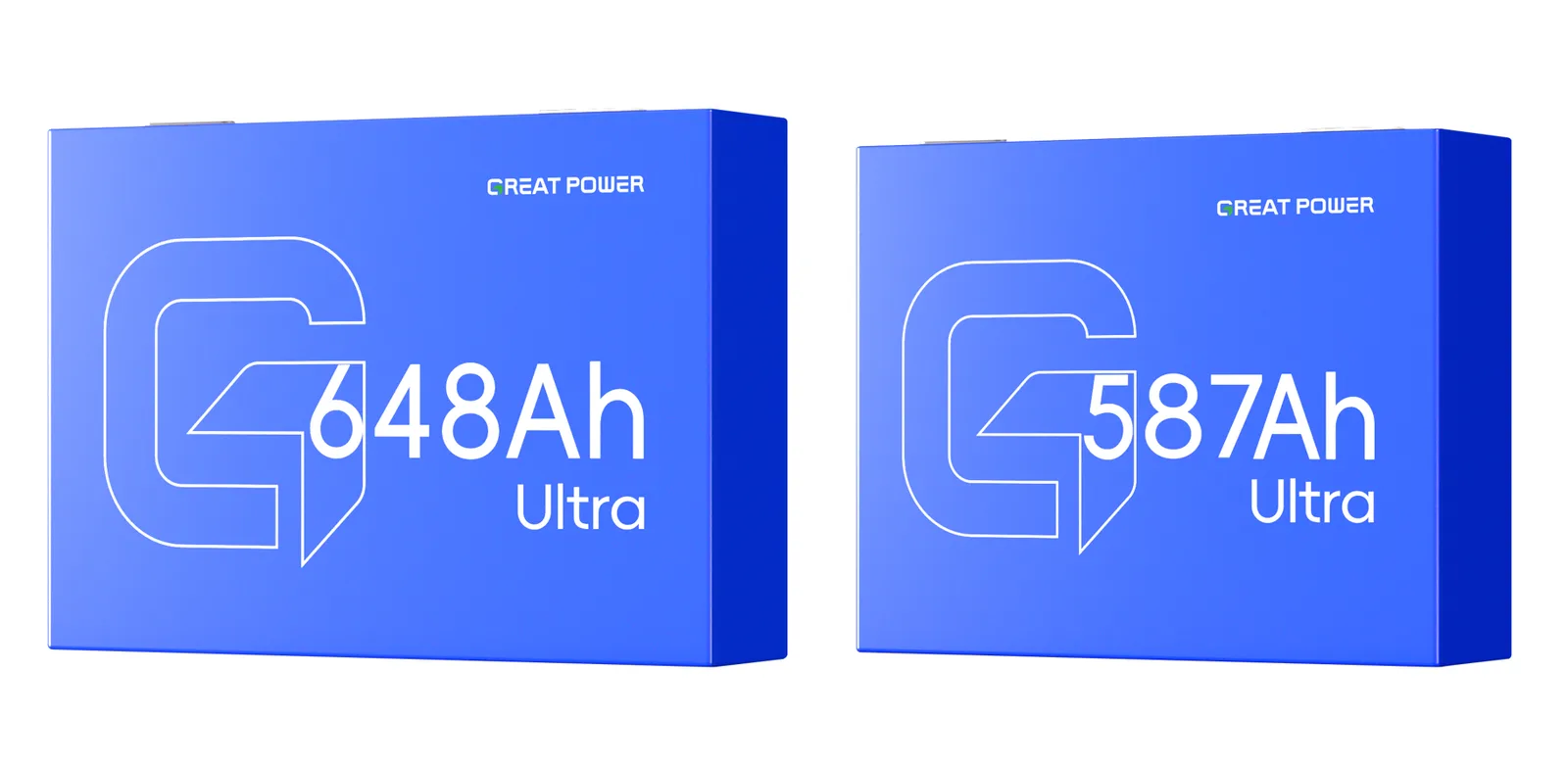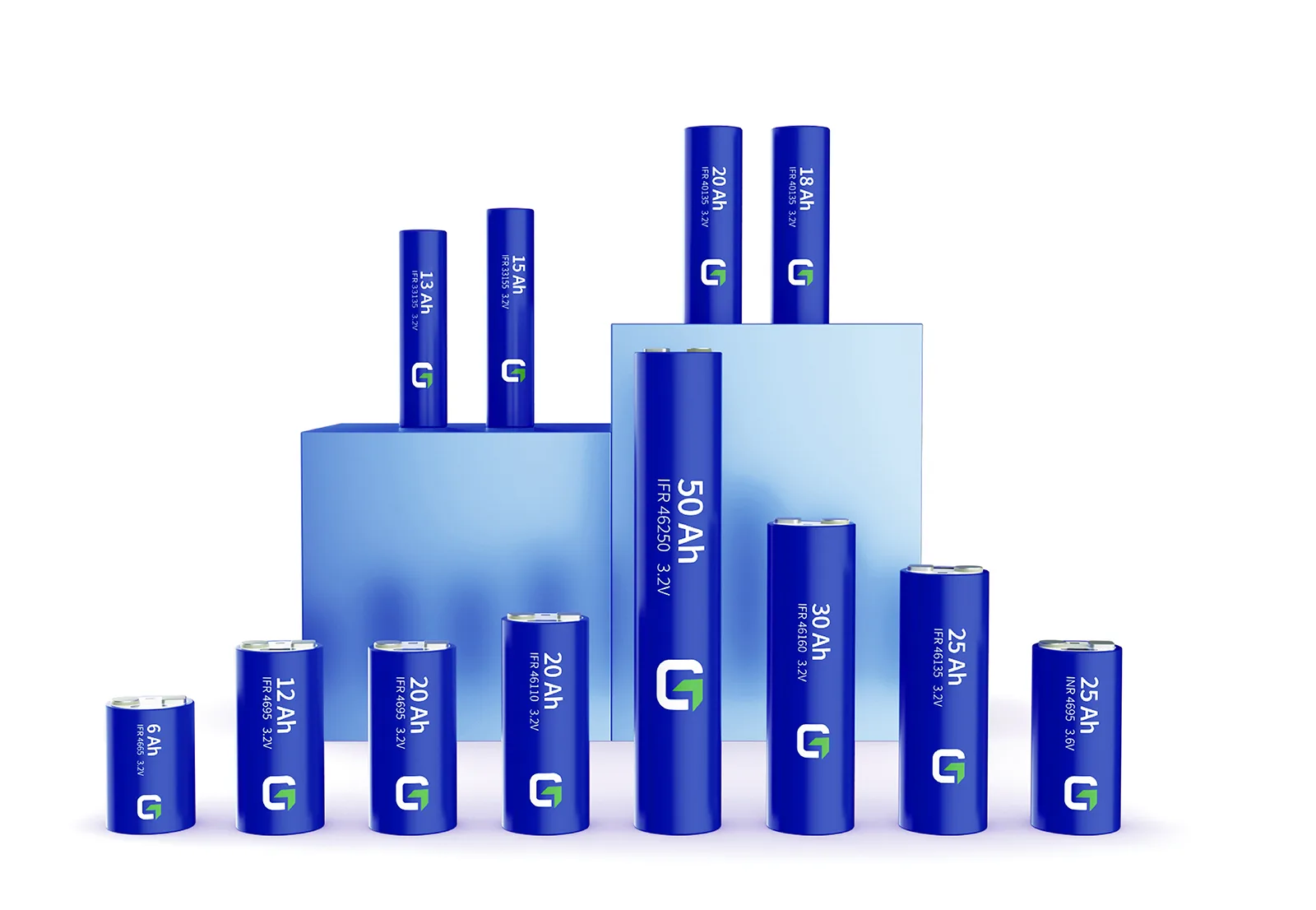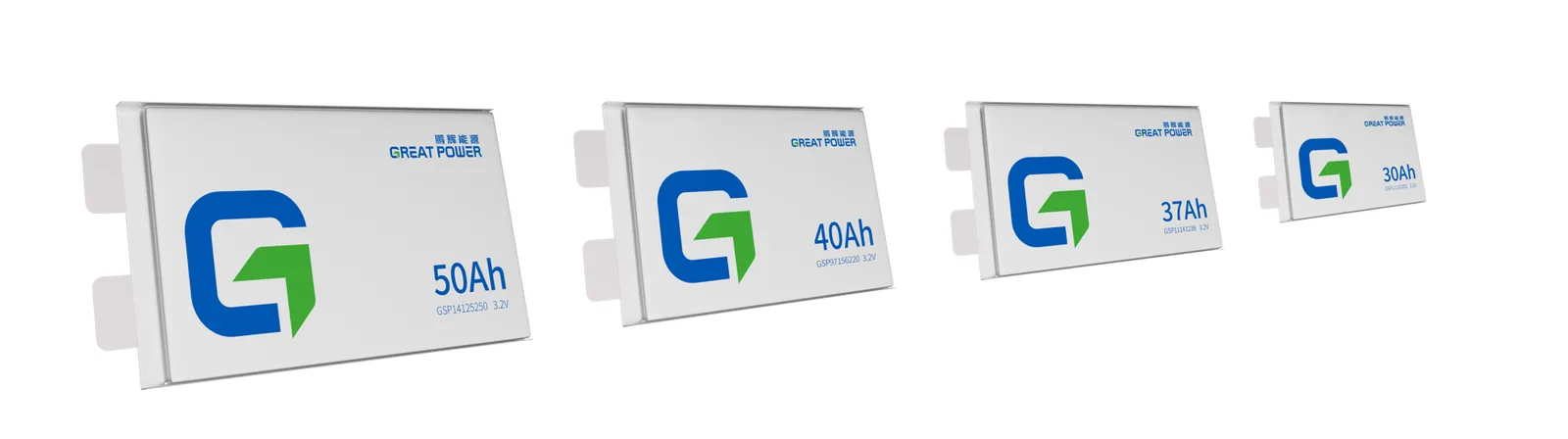
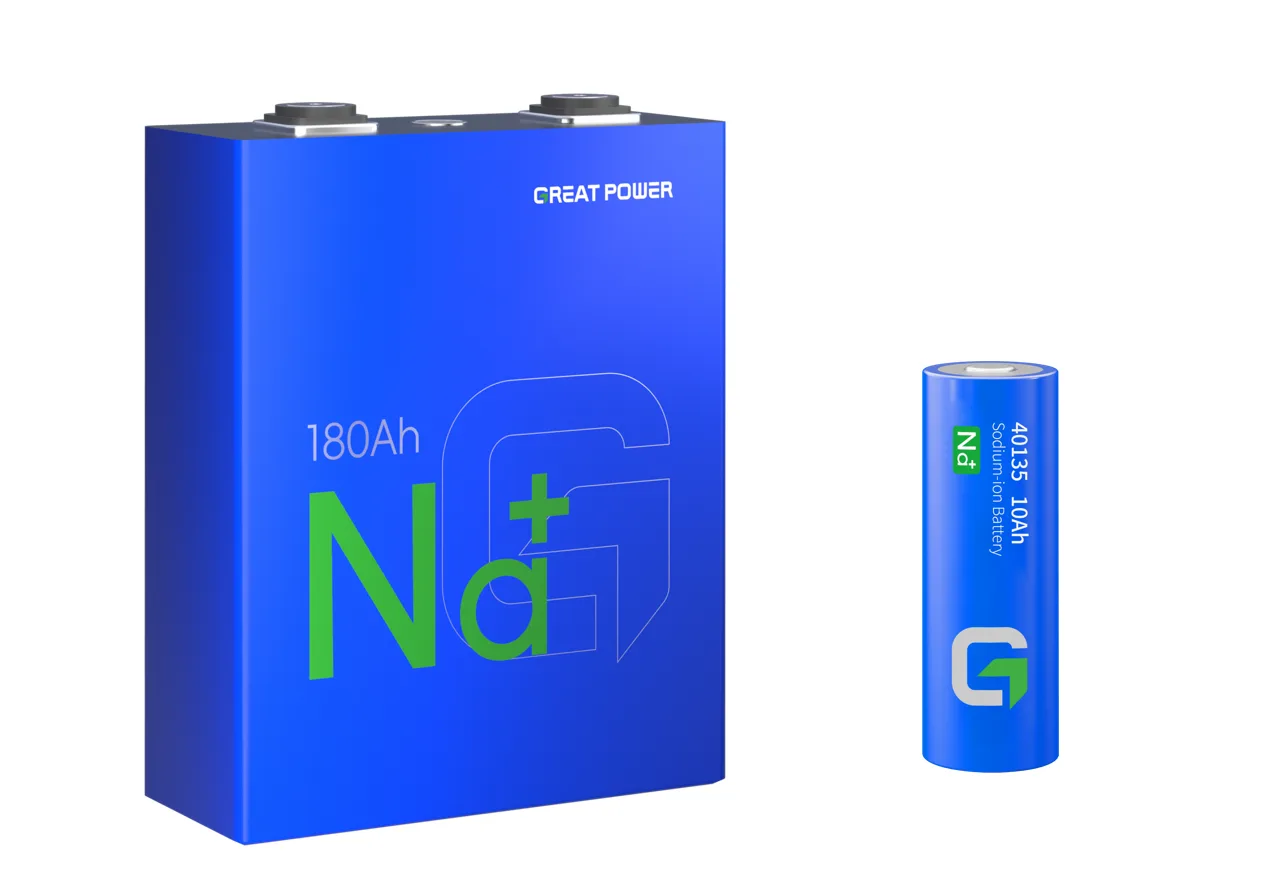
Great Power cell and battery-format evidence review
Great Power Sodium-Ion Battery Technology and RFQ
The current Great Power catalogue identifies the sodium-ion battery technology route and presents research beginning in 2019, 2021 layered-oxide and polyanion patent activity, and 2022 serial trial production and sample testing of small cylindrical cells. The record is historical through 2022 and provides no current cell code, chemistry formulation, electrical/mechanical table, qualification report, mass-production status, capacity plan or order availability. This page therefore supports technical discovery and RFQ preparation, while the exact cell/pack code, test basis, integration interfaces, production status and commercial evidence remain supplier-confirmation items.
Current source identity: Great Power's English catalogue record for the sodium-ion battery technology route. Research, patents, trial production and sample tests do not establish current commercial release, system compatibility or suitability for a particular stationary, mobility or OEM application.
Current document status
Before quotation, request the exact released cell/pack model and revision, signed electrical/mechanical/thermal specification, BMS and charger/controller interface, qualification and transport evidence, life and warranty basis, production/change-control status, packing, lead time and destination requirements. The record is historical through 2022 and provides no current cell code, chemistry formulation, electrical/mechanical table, qualification report, mass-production status, capacity plan or order availability.
Current public battery evidence
Separate the published application or technology route from an orderable battery code
The public page can identify a technology or application, but the RFQ must resolve it to one validated production configuration.
Published identity
the sodium-ion battery technology route
Published positioning
research beginning in 2019, 2021 layered-oxide and polyanion patent activity, and 2022 serial trial production and sample testing of small cylindrical cells
Evidence quality
The record is historical through 2022 and provides no current cell code, chemistry formulation, electrical/mechanical table, qualification report, mass-production status, capacity plan or order availability.
Integration boundary
Research, patents, trial production and sample tests do not establish current commercial release, system compatibility or suitability for a particular stationary, mobility or OEM application.
cell and battery-format RFQ inputs
Six checks before approving a battery sample, pack or equipment program
Electrical, mechanical, control, safety, life and production evidence should map to the same exact code.
Exact cell or pack identity
Request the released cell/pack code, chemistry, construction, production revision, sample or mass-production status and intended application. A chemistry or format page is not an orderable part number.
Electrical operating window
Define nominal voltage/capacity/energy, charge and discharge current, pulse duration, SOC/DoD, cutoff limits, internal resistance, self-discharge and series/parallel restrictions for the exact code.
Duty and life profile
Provide cycles/day, C-rate, temperature, SOC window, calendar target, end-of-life threshold, storage periods and warranty throughput; request curves and test conditions instead of a single life headline.
Mechanical and system interface
Specify dimensions, weight, tabs/terminals, swelling or compression, enclosure, mounting, thermal path, sensors, busbar/fuse/contactors, BMS sampling and manufacturing tolerances.
Safety and qualification
Request configuration-matched electrical, abuse/propagation, environmental, EMC where relevant and transport reports; map certificate/test scope to the exact production cell or pack and destination.
OEM and commercial controls
Define sample plan, validation build, PPAP/change notification where applicable, lot traceability, quality limits, forecast, MOQ, capacity plan, packing, shipping SOC, warranty, lead time and substitution rules.
Model, test and application boundaries
Do not convert a catalogue headline into a universal battery specification
Chemistry, format or application wording does not establish every rating, compatibility, qualification or warranty condition.
No exact code, no transferable rating
The record is historical through 2022 and provides no current cell code, chemistry formulation, electrical/mechanical table, qualification report, mass-production status, capacity plan or order availability.
Performance needs conditions
research beginning in 2019, 2021 layered-oxide and polyanion patent activity, and 2022 serial trial production and sample testing of small cylindrical cells Any capacity, current, rate, density, life or temperature value must retain the exact cell/pack, SOC window, duration, environment, end-point and test method.
Cell or format is not a complete storage system
Research, patents, trial production and sample tests do not establish current commercial release, system compatibility or suitability for a particular stationary, mobility or OEM application.
Qualification and supply need current evidence
Generic global-use, patent, production-line or safety language does not prove a current report, destination approval, released order status, factory capacity, warranty, lead time or unchanged production configuration.
Continue the Great Power cell and battery-format review
Connect the battery record to the correct product layer and controlled BOM
Use the category and BOM guides to align exact codes, interfaces, documents, qualification and supply responsibilities.
Great Power energy-storage cells and packs
Compare cell, pack and rack product layers before fixing electrical, thermal, BMS and document requirements.
Review battery routes →Battery and equipment BOM review
Freeze the exact battery code, interfaces, accessories, evidence, quantities, exclusions and change rules before comparing quotations.
Build the controlled BOM →Great Power Sodium-Ion Battery Technology and RFQ FAQ
Questions to close before technical and commercial approval
Each answer should cite one exact cell/pack revision and its matching evidence.
What does the current catalogue page confirm?
It confirms the sodium-ion battery technology route and presents research beginning in 2019, 2021 layered-oxide and polyanion patent activity, and 2022 serial trial production and sample testing of small cylindrical cells.
Does this page provide an orderable battery model?
Not by itself. The record is historical through 2022 and provides no current cell code, chemistry formulation, electrical/mechanical table, qualification report, mass-production status, capacity plan or order availability.
Can the published capability be applied to any system or machine?
No. Research, patents, trial production and sample tests do not establish current commercial release, system compatibility or suitability for a particular stationary, mobility or OEM application.
What should the RFQ include?
Include exact cell/pack code, chemistry and construction, electrical and life duty, mechanical/thermal/BMS interface, safety and transport evidence, sample qualification, forecast, change control and warranty.
Prepare an exact Great Power Sodium-Ion Battery Technology and RFQ RFQ
Send the required cell/pack format, electrical and life duty, mechanical/thermal/BMS interfaces, qualification files, samples, forecast, destination and change-control requirements.
Start with the product, application or project information you have. We can help identify the remaining configuration, document or delivery questions before a final quotation.
Verify the Battery Configuration