
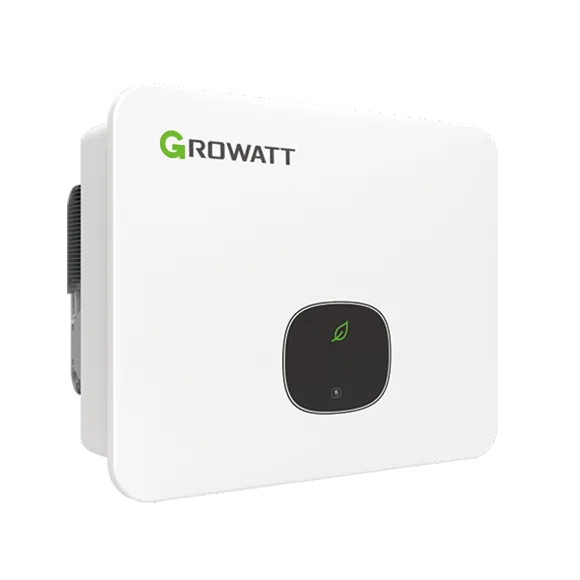
Compare the 19 displayed Growatt on-grid inverter pages
Open the exact page for source-derived data, preserve the full code and suffix, then confirm current string or pump design, grid package, protection, communications, documents, availability and terms.
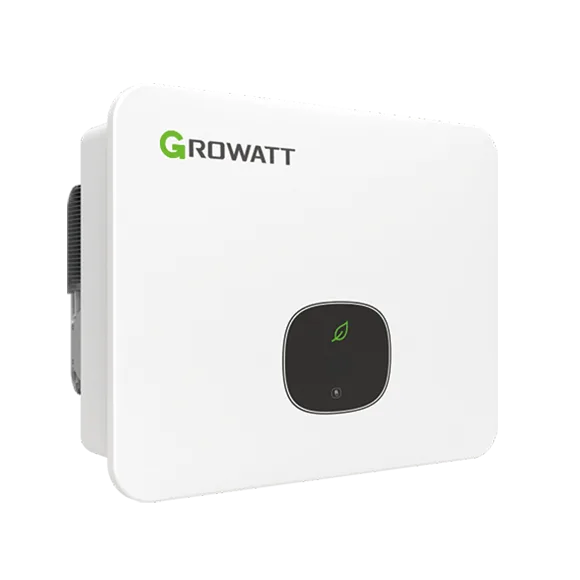
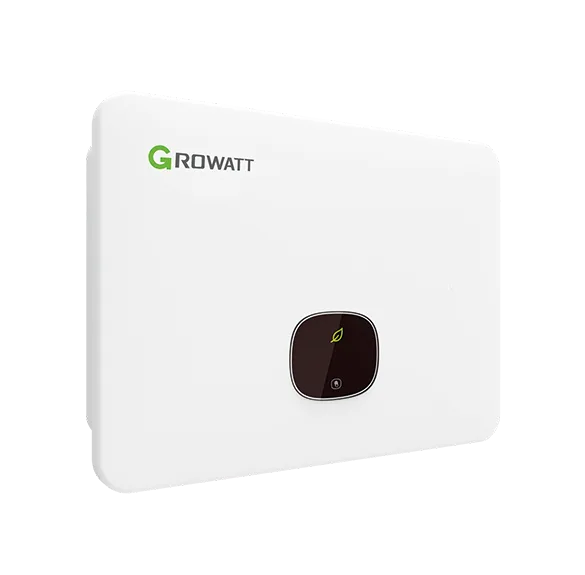
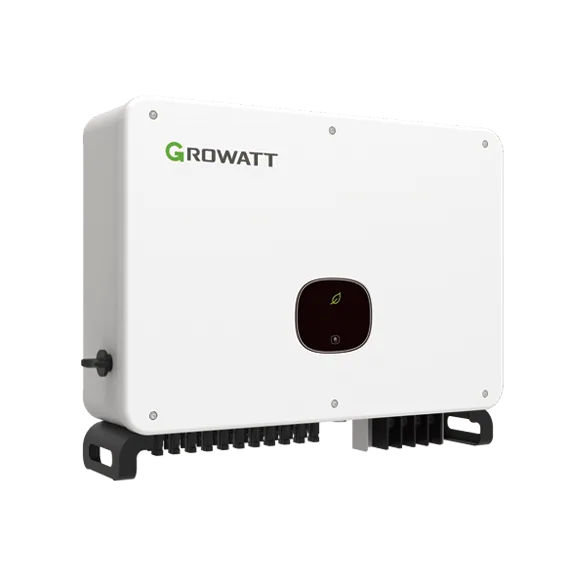
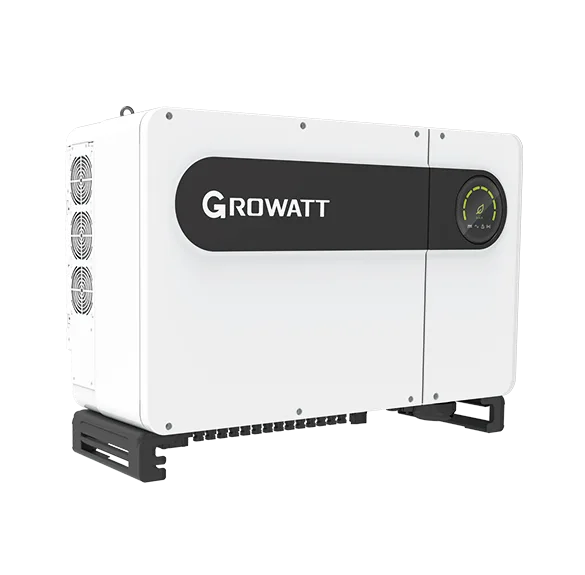
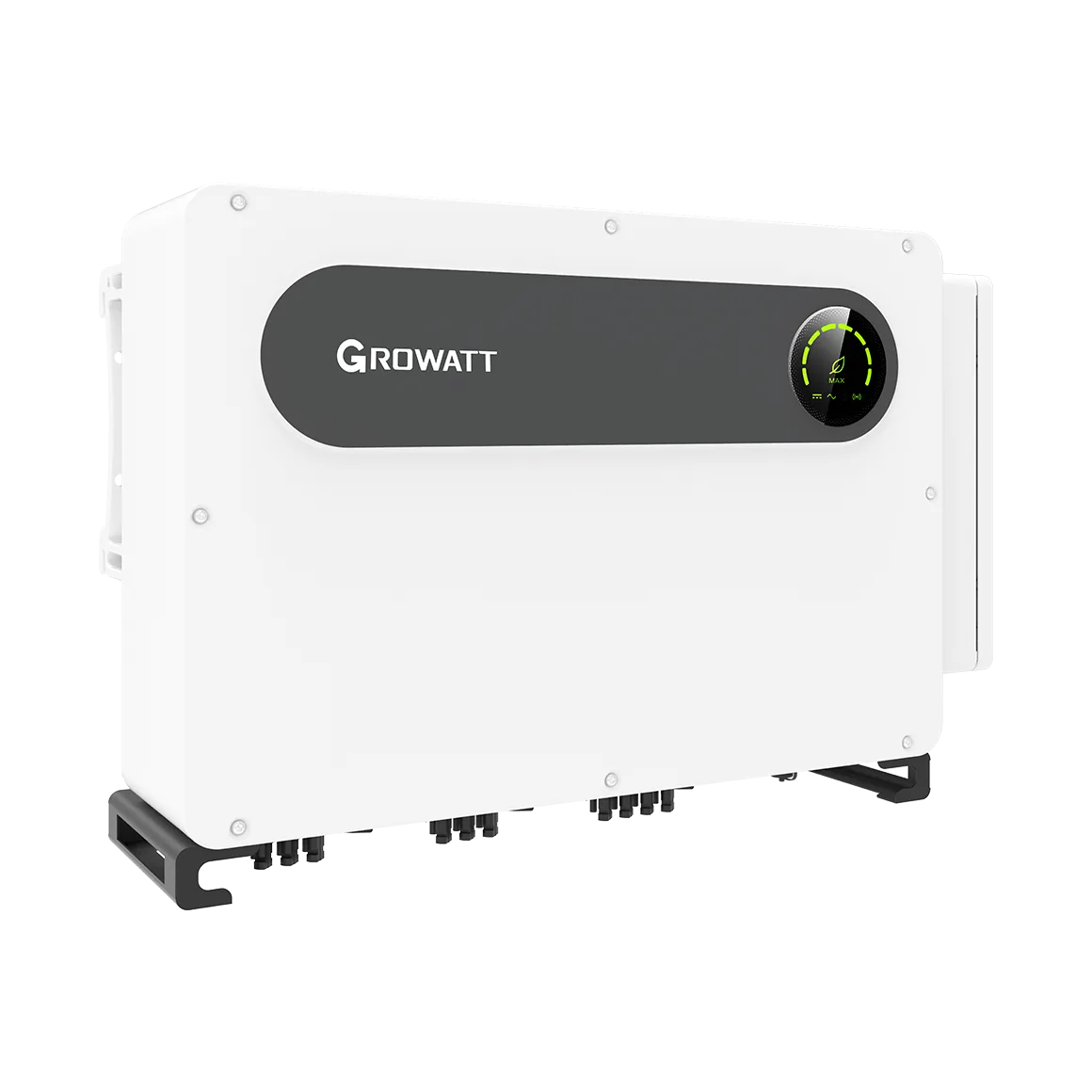
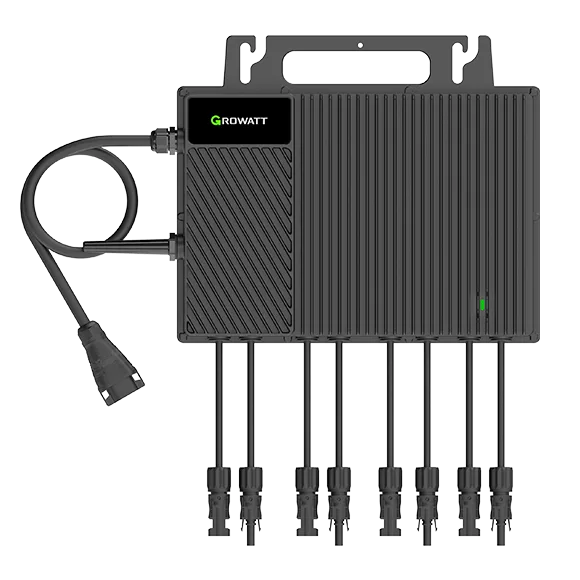
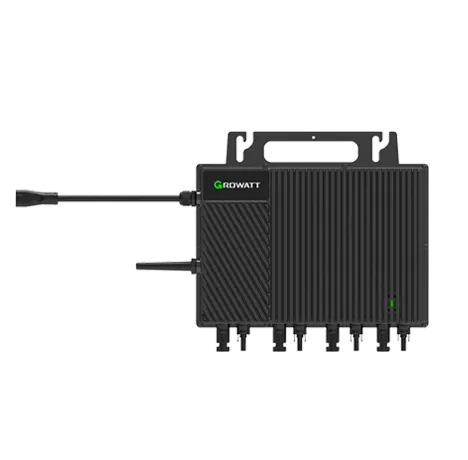
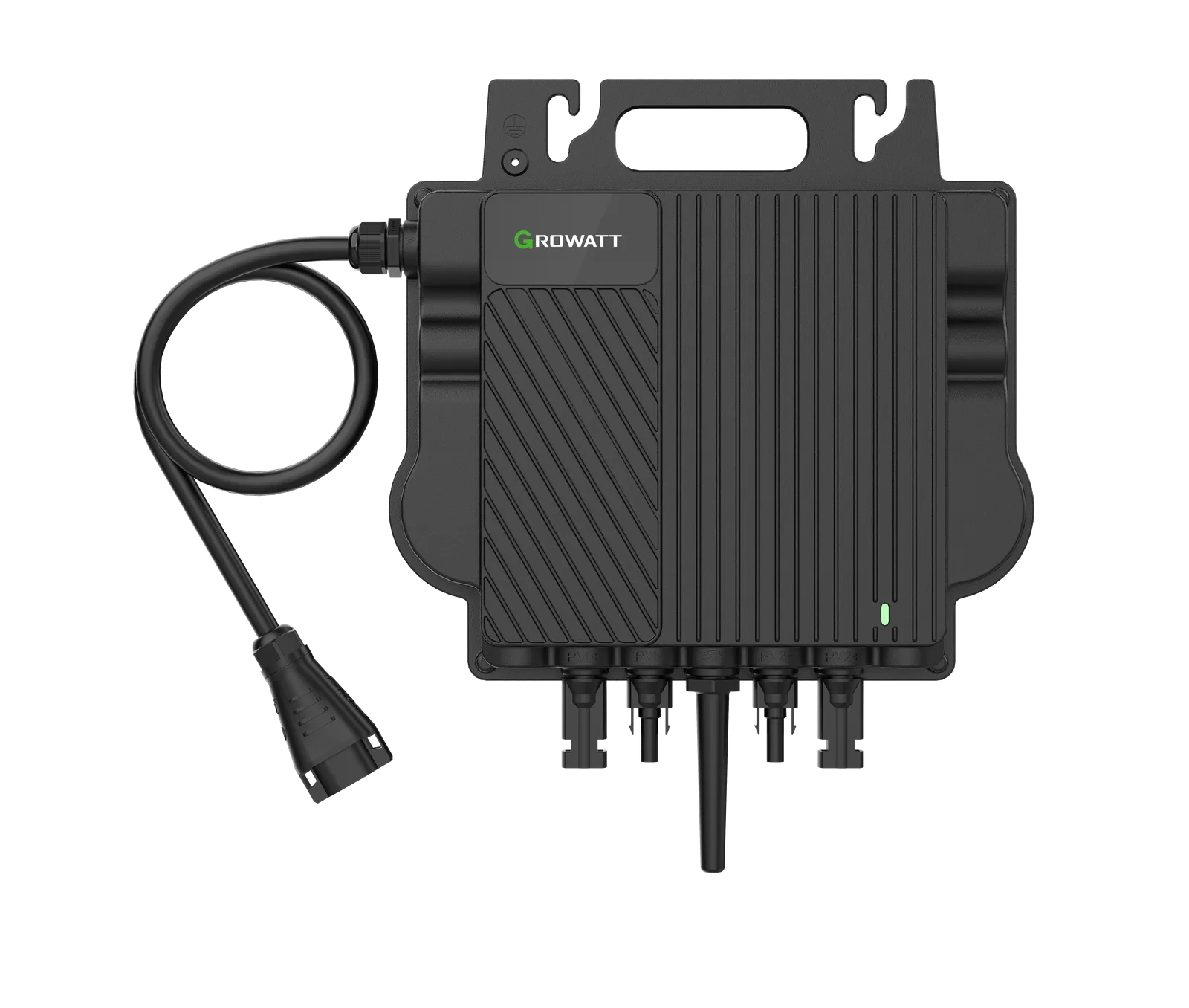
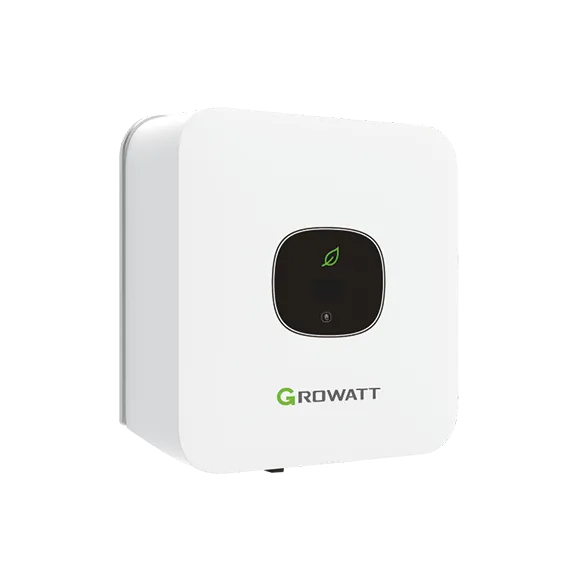
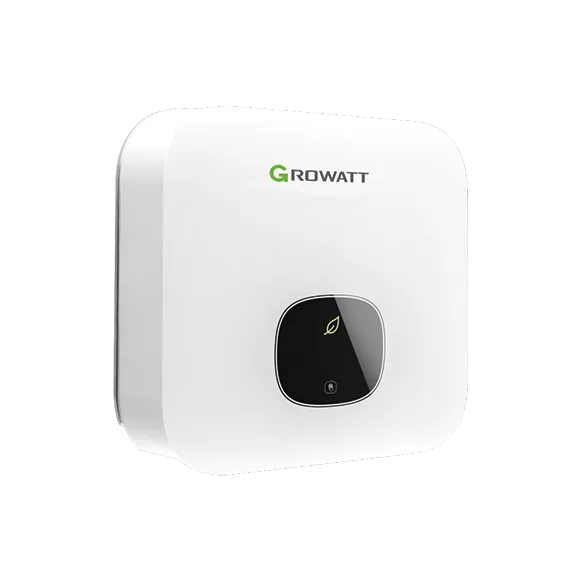
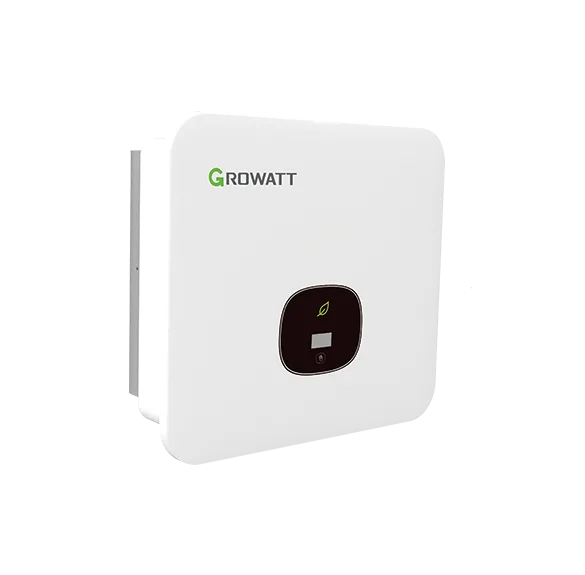
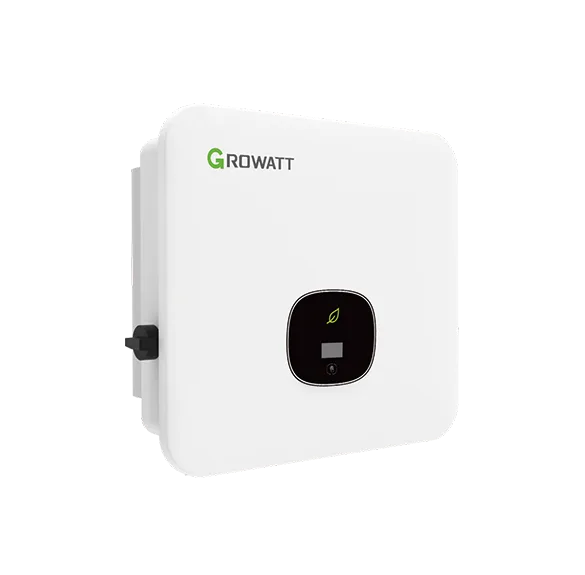
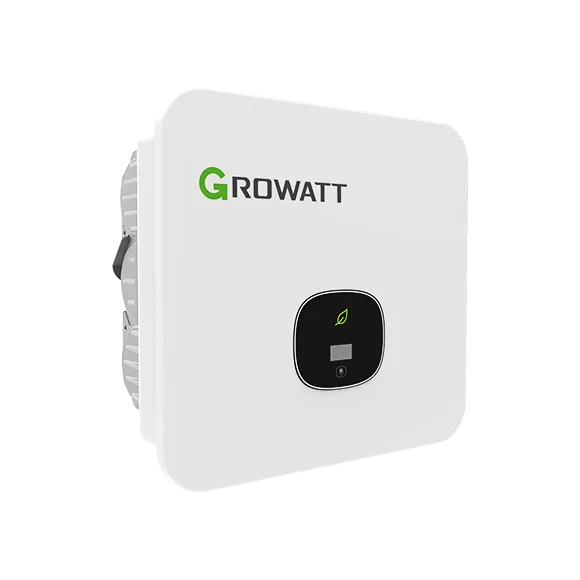
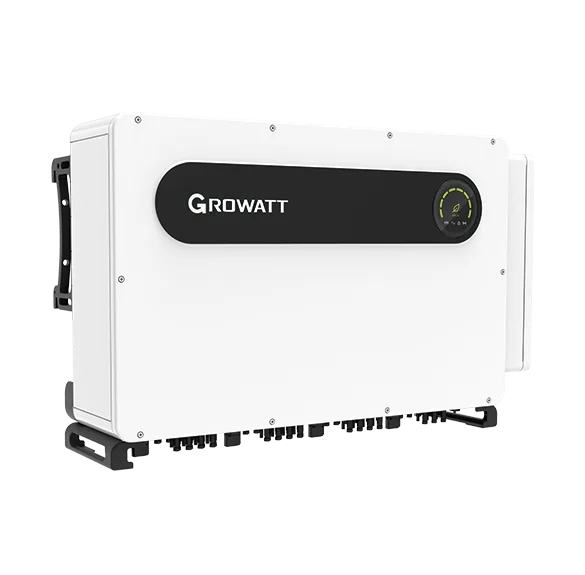
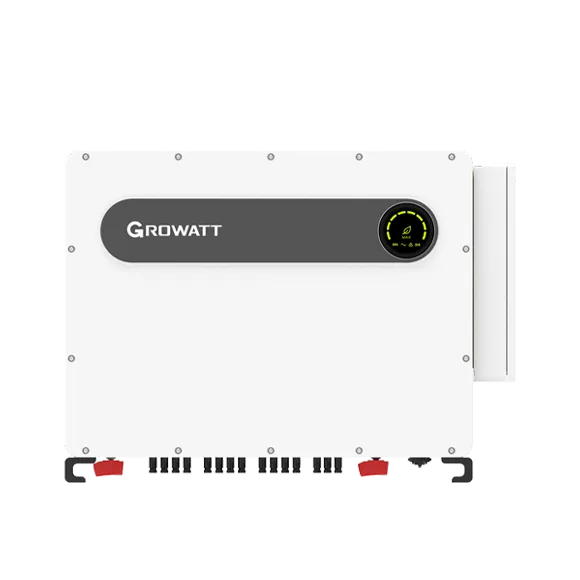
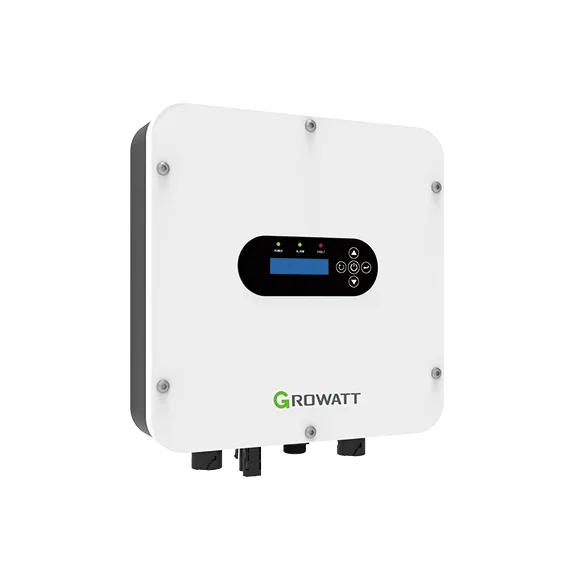
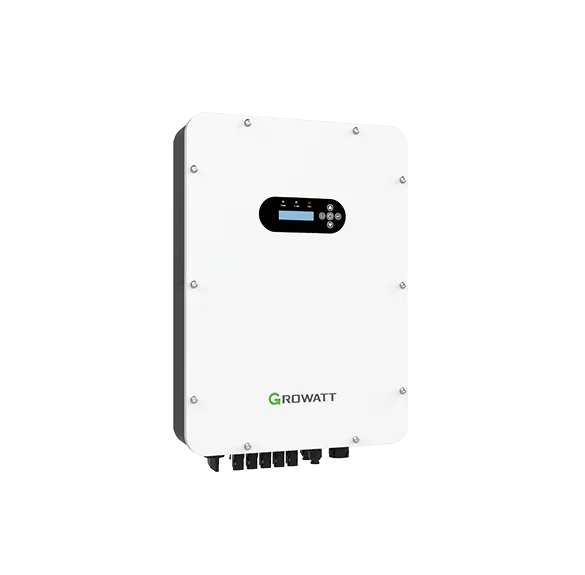
Displayed inverter routes
Match topology and project scale before comparing model power
The category spans module-level conversion through utility arrays and pump drives. Keep each electrical role separate.
Microinverter families
Three NEO pages cover module-level platforms. Confirm supported module voltage/current, number of inputs and MPPTs, AC branch design, connector/cable, gateway/monitoring, rapid-shutdown or grid functions and exact regional model.
Residential PV inverters
Five MIC, MIN and MOD pages cover single- and three-phase residential routes. Verify string voltage/current, MPPT allocation, AC service, export control, protection, communications and model suffix.
C&I PV inverters
Seven MID, MAC and MAX pages span larger three-phase families. Compare array blocks, input current, MPPT count, AC collection voltage, transformer/service interface, protection, monitoring and site environment.
Utility-scale PV inverters
Two MAX pages represent high-power plant routes. Confirm exact DC architecture, AC/MV collection, plant controller/SCADA, grid studies, type-test evidence, auxiliaries, commissioning and service scope.
Solar water-pump inverters
Two SPI pages are motor-drive applications rather than grid-export string inverters. Select from pump curve, motor voltage/current, total dynamic head, flow, PV array, sensors, dry-run protection and hydraulic duty.
RFQ selection checks
Six checks before shortlisting a Growatt on-grid inverter
A reviewable shortlist connects the exact model to the array, AC system, destination, operating role and project evidence.
Topology and operating role
State micro, residential string, C&I, utility or pump-drive use; identify grid export, zero-export, plant control or motor duty and exclude battery/backup functions unless the exact platform provides them.
Module and DC design
Provide module data, temperatures, string length/count or module-per-input map; verify cold Voc, hot Vmp, Isc/Imp, maximum DC voltage, MPPT range, current per input and DC/AC design basis.
AC system and grid
Provide destination, phase, nominal voltage/frequency, service or transformer arrangement, grounding, export limits, grid code and utility/authority evidence required for the complete model and firmware.
Layout and environment
Map roof/field orientations and shading to MPPTs; provide altitude, ambient temperature, humidity, corrosion, ingress, noise and mounting constraints plus cable and service clearances.
Protection and communications
Confirm integrated/external isolators, SPD, AFCI or other options where required, AC/DC protection, meters/CTs, datalogger, export control, protocols, plant controller and cybersecurity responsibilities.
Files and supply status
Request exact datasheet, manual, certificate/grid references, firmware/settings, warranty, accessories, labels and serial traceability; confirm release, stock, lead time and substitutions in writing.
Electrical and market boundaries
An inverter family page is not a completed PV or pump design
Final suitability depends on the exact model, module or motor, temperature, AC system, firmware, protection and destination approval.
Rated kW does not prove DC compatibility
Similar power models can differ in maximum voltage, MPPT window, input current, string count, AC voltage and protection. Complete the model-level string or motor calculation.
Micro, string and pump roles cannot be mixed
A microinverter AC branch, a grid string inverter and a variable-frequency pump drive have different loads, controls and approvals. Do not transfer specifications between them.
Monitoring or export control is configuration-specific
Gateway, meter/CT, firmware, protocol, topology and commissioning determine monitoring and zero-export behavior. A feature label does not prove the complete control loop.
Catalogue presence is not destination approval
Confirm certificate scope, grid code, firmware, labels, production revision and authority acceptance for the exact destination; global pages do not grant universal approval or supply.
Continue the inverter review
Connect the model shortlist to PV design and operating-role guidance
Use the commercial solution for system context and the inverter guide to distinguish on-grid, hybrid and off-grid duties.
Commercial rooftop solar solution
Review how modules, strings, inverters, protection, monitoring, documents and local EPC responsibilities form one PV procurement scope.
Review solution context
Hybrid, on-grid and off-grid inverter guide
Use the operating-role, DC input, AC, battery, backup, grid and file checks before approving an inverter family.
Read the inverter guide
Growatt on-grid inverter FAQ
Questions to close before fixing an inverter model
These answers organize procurement; final electrical design, grid acceptance, pump duty and commissioning remain model- and project-specific.
How should a Growatt on-grid inverter be matched to a PV array?
Use the exact module, site temperatures, string length/count, cold Voc, hot Vmp, Isc/Imp, MPPT allocation and input-current limits, then confirm AC service, grid code, protection and the responsible DC/AC design basis. Nominal kW alone is insufficient.
Can Growatt microinverters and string inverters be compared by AC power alone?
No. Module-level inputs, MPPTs, AC branch limits, connectors, gateways and shutdown functions differ from string voltage/current, MPPT grouping and central AC collection. Compare within the required topology and exact model.
Is a Growatt water-pump inverter a normal grid-tied PV inverter?
Treat it as a pump-drive route. Selection needs pump and motor data, total dynamic head, flow, water source, pipes, PV array, sensors and protection. Do not infer grid-export or building-load functions from the category placement.
What should a Growatt on-grid inverter RFQ include?
Include destination, topology, exact model or target power, module/string or pump/motor data, phase/voltage/grid code, MPPT layout, protection/monitoring, environment, requested files, quantity, delivery target and substitution rules.
Growatt on-grid inverter procurement
Growatt On-Grid PV Inverters Across Five Application Routes
Compare 19 displayed source pages across three microinverter, five residential, seven commercial and industrial, two utility-scale and two solar water-pump inverter routes. These families serve different AC systems, array layouts and loads; a matching kW label does not make them interchangeable. Preserve the complete model and suffix, then confirm PV string or module input, MPPT/current limits, phase and voltage, grid package, protection, communications, environmental limits, accessories, destination documents, current availability and commercial terms.
Prepare a Growatt on-grid inverter RFQ
Send the project role, module/string or pump duty, AC/grid data, target model/power, protection, monitoring, documents, quantity and delivery target.