
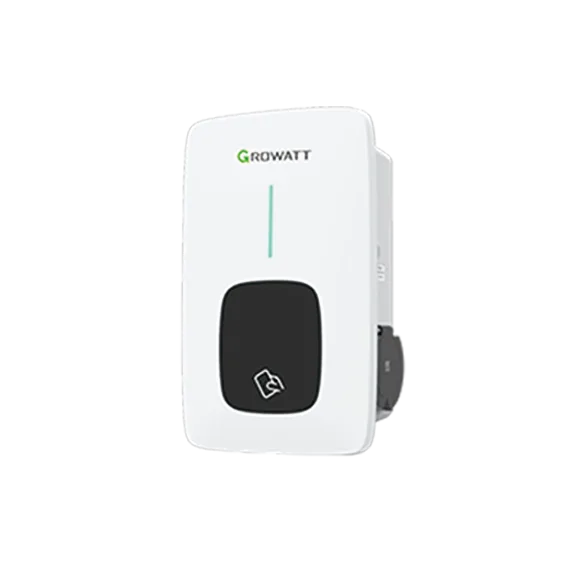
Compare the eight displayed Growatt THOR EV charger pages
Open the exact AC or DC page, preserve every suffix, then confirm current connector, electrical ratings, controls/backend, protection, evidence, installation scope, availability and commercial terms.
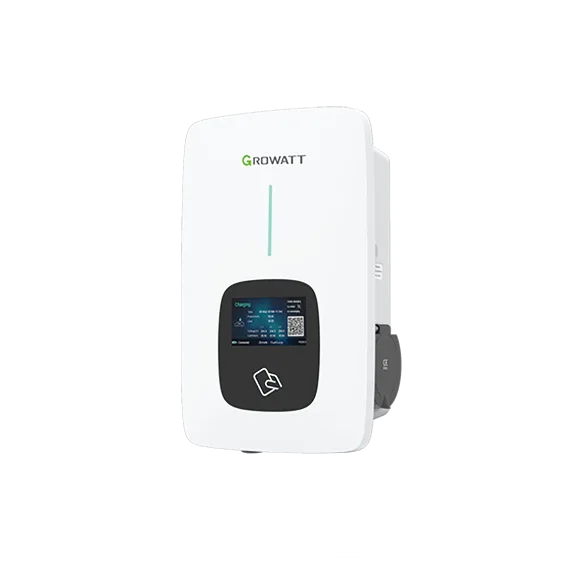
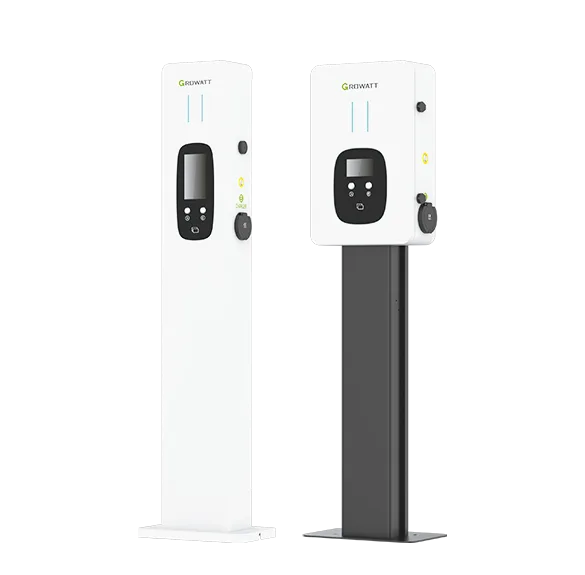
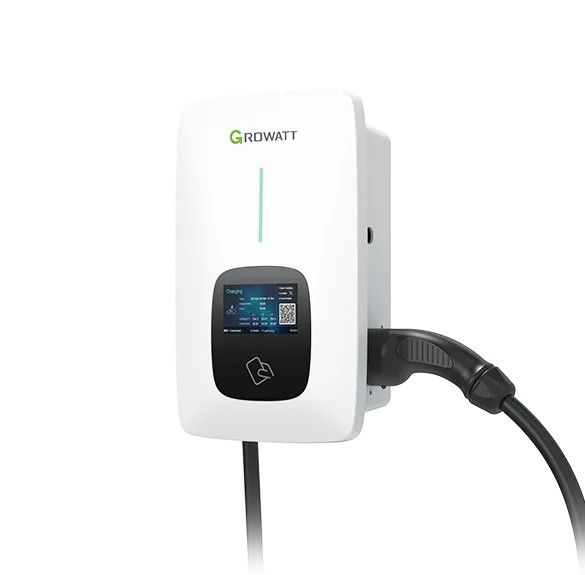
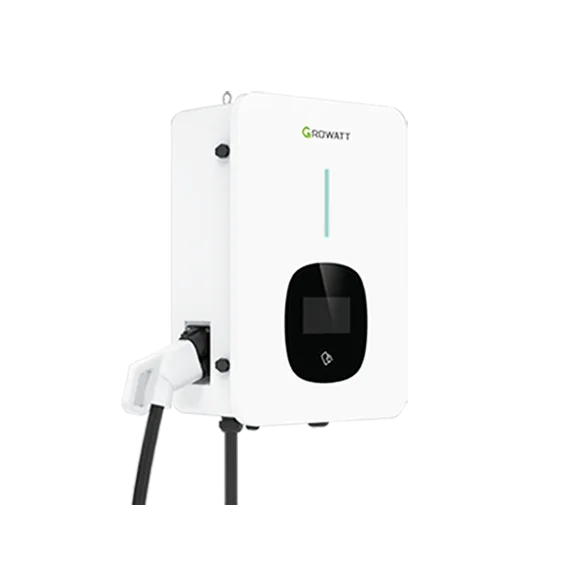
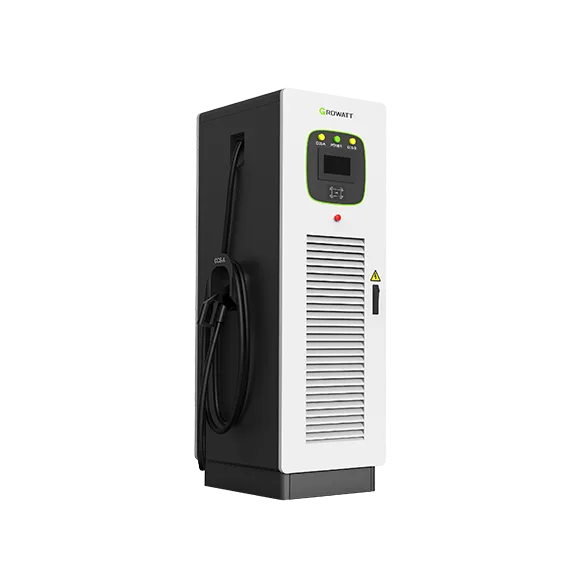
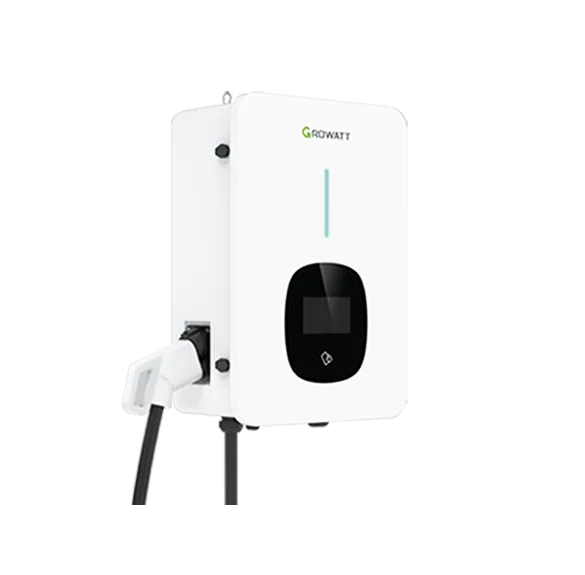
Displayed charging routes
Separate AC destination charging from DC fast-charging infrastructure
The catalogue contains different power-conversion, site and vehicle interfaces. Compare within the same charging architecture and market package.
Single- and three-phase AC routes
Five THOR AC pages include different rating and regional suffix combinations. Confirm phase/voltage, tethered or socket format, connector, vehicle onboard-charger limit, cable, protection and installation mode.
Lower-power DC routes
THOR 20DS-P and 40DS-P/DD-P pages represent DC charging options with different output arrangements. Confirm DC voltage/current window, connector count, simultaneous behavior, isolation, cooling and vehicle protocol.
Higher-power DC route
THOR 60-200DD-P covers a family range rather than one fixed station. Request the exact power cabinet/dispenser configuration, output sharing, grid/transformer demand, cooling, cable management and site layout.
Regional and feature suffixes
S/P/SE/PE, SEW/PEW, US and other suffixes are part of product identity. Do not transfer connector, network/payment, electrical, certification or availability assumptions between similar base names.
EV charging RFQ checks
Six checks before selecting a Growatt THOR charger
A project-ready RFQ joins vehicle demand, electrical capacity, controls, civil layout and destination evidence.
Vehicles and charging duty
Provide vehicle classes, connector/communication standard, onboard AC or DC acceptance, battery sizes, arrivals, dwell time, energy/session, simultaneous sessions and fleet/public/private use.
Power and site electrical capacity
Define required charger/output power, phase/voltage, service/transformer capacity, demand limit, short-circuit level, grounding, protection coordination, cable distance and planned expansion.
Connector and output arrangement
Confirm tethered/socket, cable length and current, one or two outputs, simultaneous power sharing, vehicle voltage window, accessibility, parking flow and cable-management requirements.
Energy and load management
Define static/dynamic load control, meter/CT, PV or storage coordination, export/import limits, site controller, fail-safe behavior and commissioning. Solar-aware wording is not a zero-grid guarantee.
Backend, access and data
Confirm local or cloud backend, OCPP or other protocol/version, SIM/Ethernet/Wi-Fi, RFID/app/payment/roaming, user roles, data ownership, cybersecurity, network-loss behavior, fees and service region.
Compliance and delivery
Request exact datasheet/manual, connector and electrical certifications/listings, utility/authority files, enclosure/environment limits, civil/installation scope, FAT/SAT, commissioning, warranty/SLA, spares and lead time.
Charging and integration boundaries
A THOR rating does not guarantee vehicle or site charging power
Delivered performance depends on the exact charger, vehicle, connector, grid, sharing logic, temperature, controls and destination rules.
Vehicle acceptance can limit power
The vehicle onboard charger or DC charge curve, SOC and temperature may cap delivered power below the station rating. Validate representative vehicles and protocol behavior.
Site capacity must support the charger mix
Connected kW, diversity, transformer/service capacity, demand charges, protection and cable design determine feasible simultaneous charging. A charger family page is not a site load study.
Smart and solar functions need exact interfaces
Meters/CTs, inverter/EMS compatibility, firmware, protocols and controls determine PV-aware or dynamic charging. Same-brand equipment does not prove every combination or operating result.
Regional suffixes do not grant universal approval
Connector, voltage, networking, payment and certificate scope vary by model and market. Confirm full code, firmware, labels, authority requirements and current regional supply.
Continue the site review
Connect charger selection to commercial energy and BOM control
Use the solution page for PV/storage/load context and the BOM guide to control exact models, accessories, interfaces and exclusions.
Commercial solar and storage solution
Review how PV, storage, controls, metering, protection and site loads can interact with a commercial charging project.
Review solution context
BOM review before quotation
Use model, suffix, connector, cable, meter, communication, protection, document, exclusion and substitution checks before approving a charger quote.
Review BOM controls
Growatt EV charger FAQ
Questions to close before selecting an AC or DC charger
These answers organize procurement; final electrical design, vehicle compatibility, backend service and authority approval remain project-specific.
How should I choose between a Growatt AC and DC EV charger?
Use vehicle acceptance, dwell time, energy per session, daily throughput, site/transformer capacity, connector standard, simultaneous sessions, installation cost and operating model. AC relies on the vehicle onboard charger; DC supplies the battery through the supported fast-charge protocol.
Will a THOR charger always deliver its nameplate power?
No. Vehicle limits, battery SOC/temperature, voltage window, cable/current, shared outputs, grid/load management and thermal conditions can reduce power. Define the test vehicle and measurement boundary.
Does a Growatt charger automatically coordinate with Growatt PV or storage?
Do not assume every combination. Confirm exact charger, inverter/ESS, meter/CT, gateway/controller, protocol, firmware, topology and commissioned control logic, including safe behavior when communications fail.
What should a Growatt EV charger RFQ include?
Include destination, vehicles/connectors, AC or DC target power, service/transformer data, session and simultaneous-demand profile, load/PV/storage control, backend/payment/data needs, site/civil scope, required files, quantity and schedule.
Growatt EV charger procurement
Growatt THOR AC and DC EV Chargers for Site Projects
Compare eight displayed THOR source pages across five AC and three DC charger routes, including regional and option suffixes. Charger nameplate power alone does not establish delivered vehicle power, connector compatibility, grid capacity or destination approval. Preserve the full model code, then confirm AC/DC topology, connector and vehicle communication, continuous/shared power, service or transformer capacity, protection, load and solar-energy management, backend/network/payment scope, installation environment, certificates, commissioning, warranty and current supply status.
Prepare a Growatt THOR EV charger RFQ
Send the vehicles, connector and charging demand, site power, charger mix, load/PV controls, backend, installation scope, evidence, quantity and schedule.