
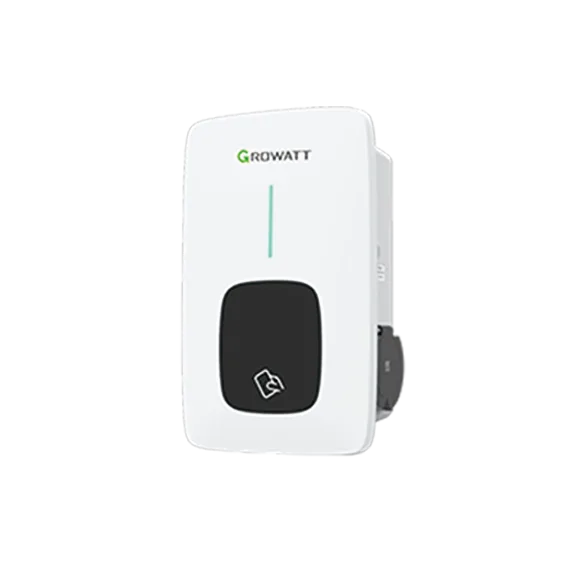
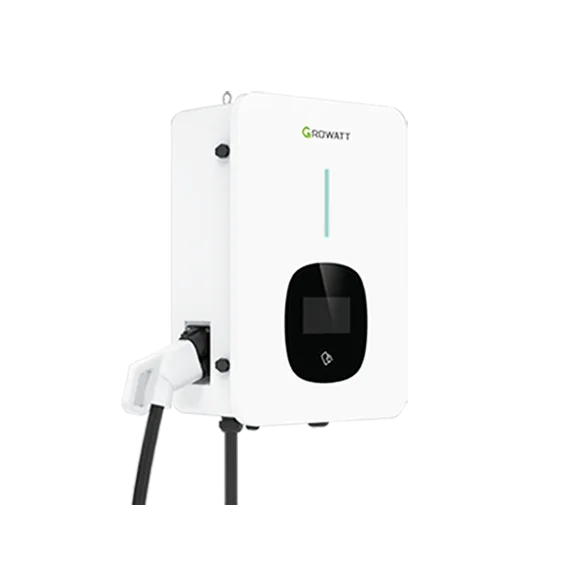
EV Charger
8 products
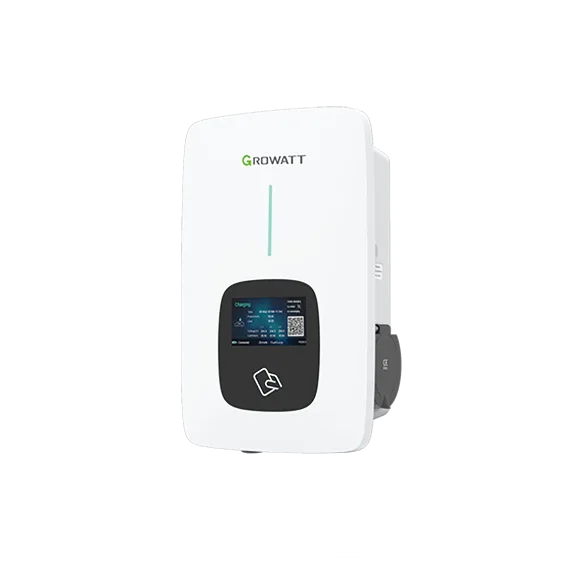
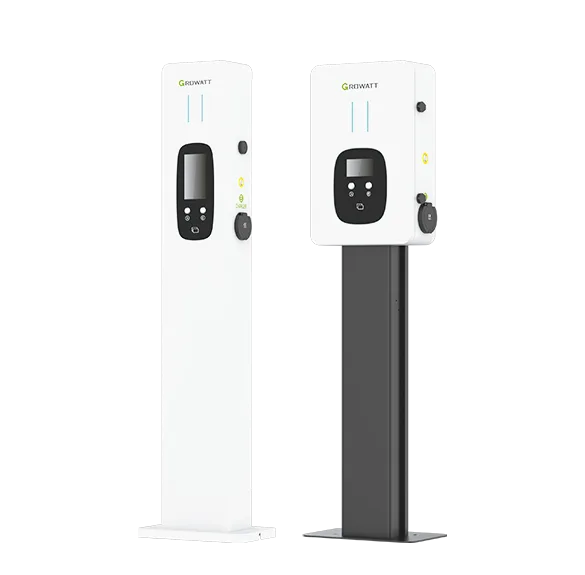
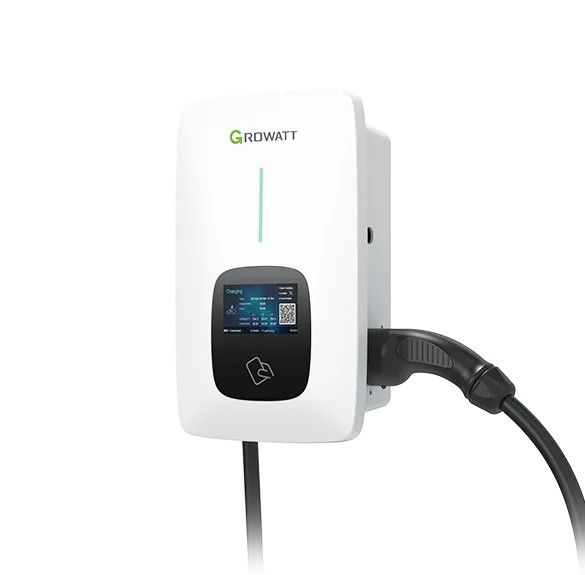
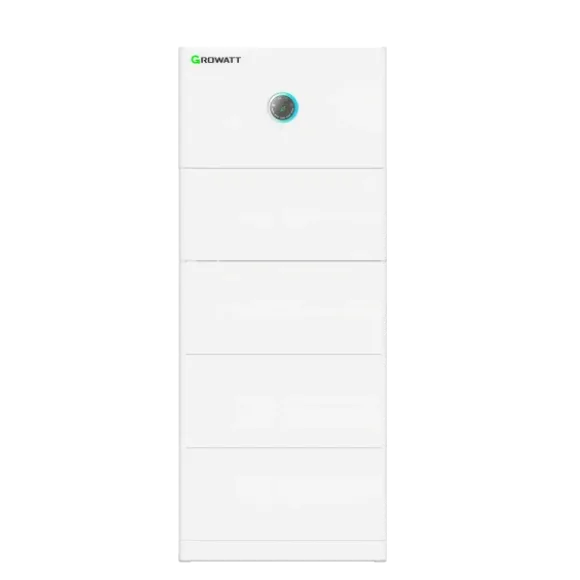
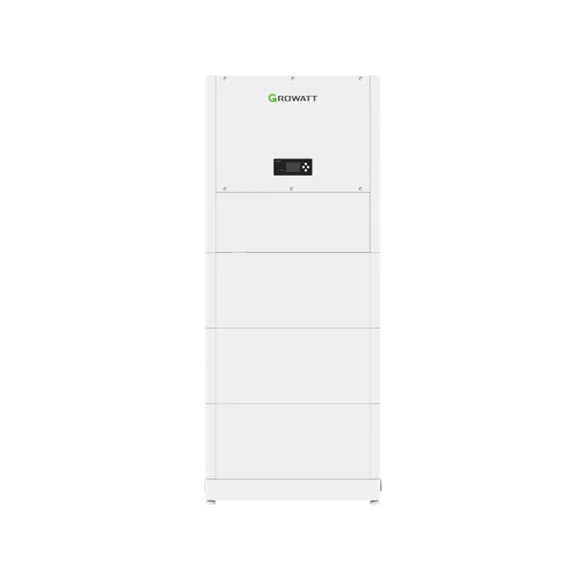
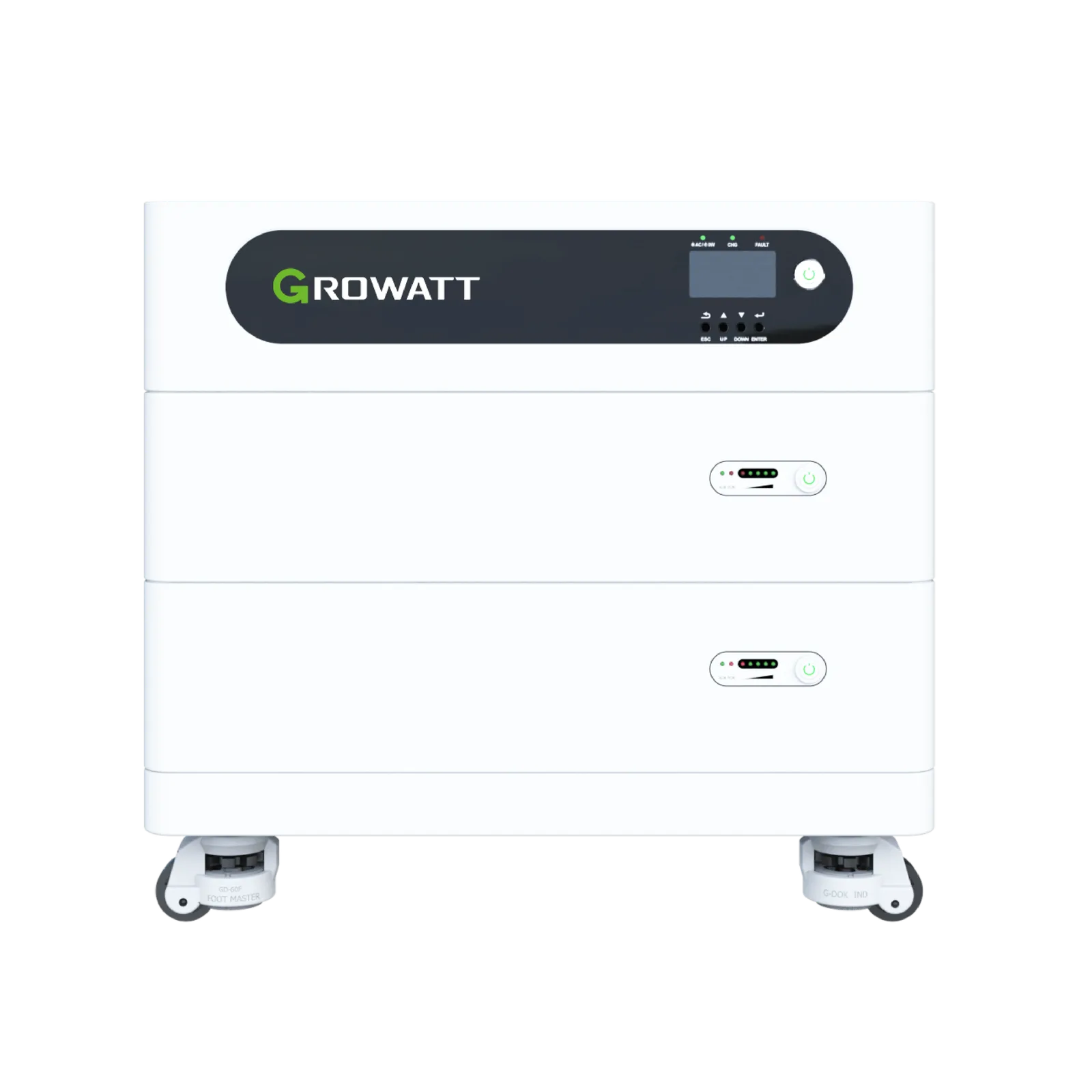
Energy Storage
57 products
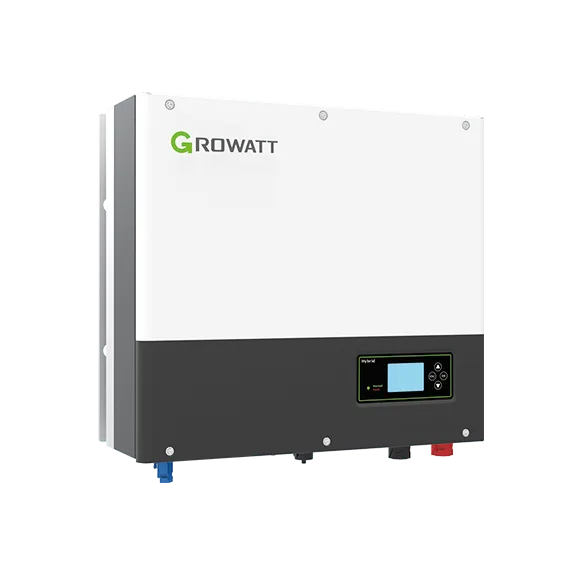
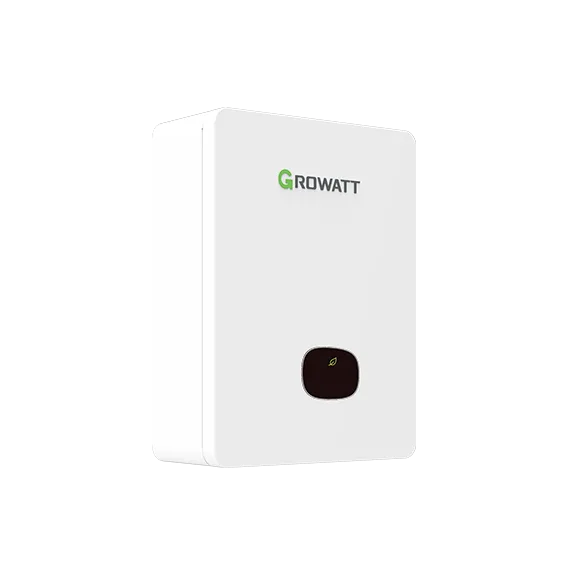
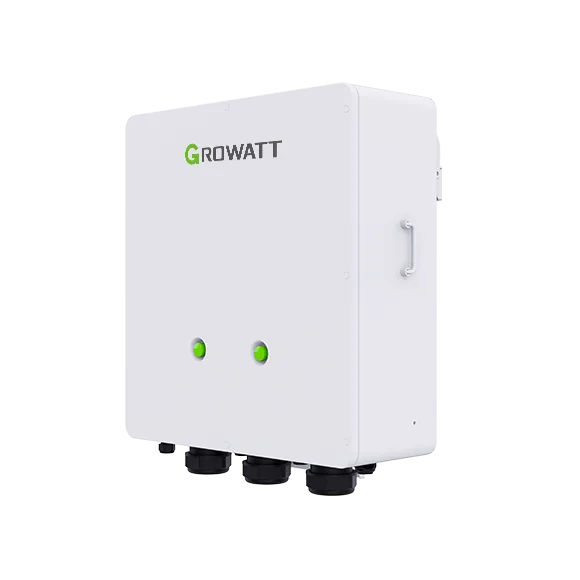
Smart Energy Management
15 products
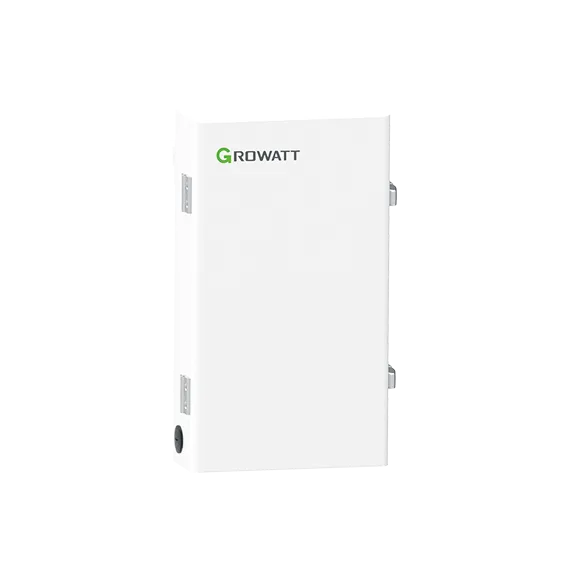
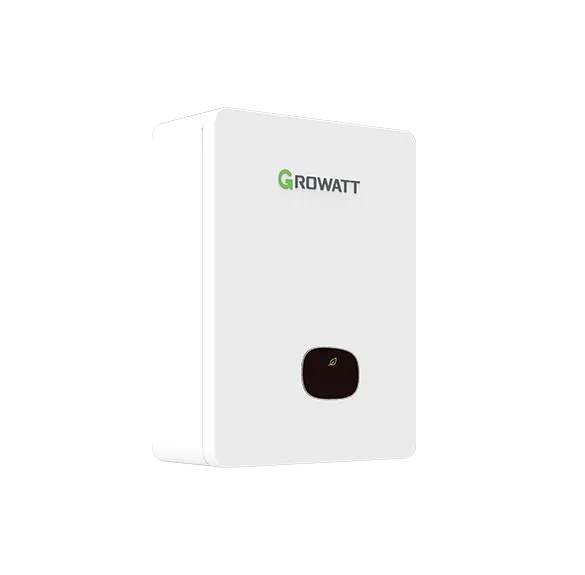
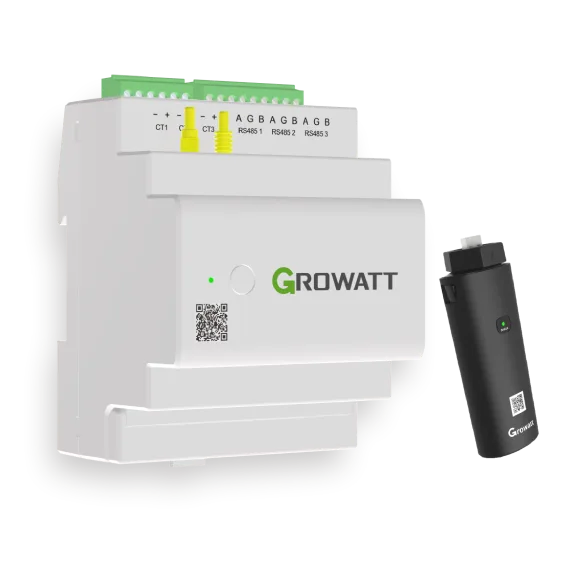
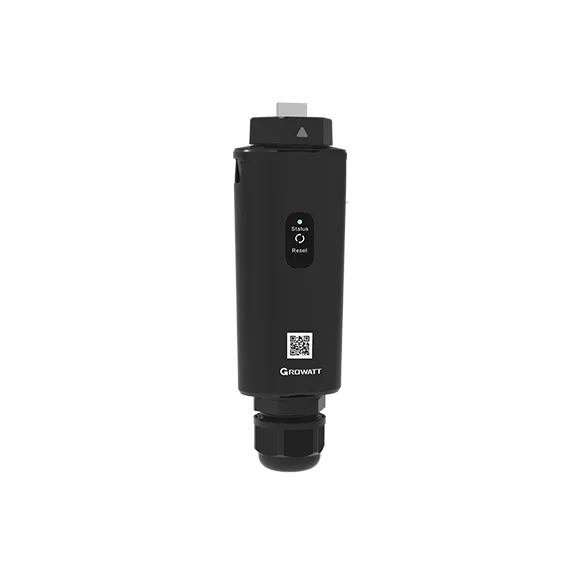
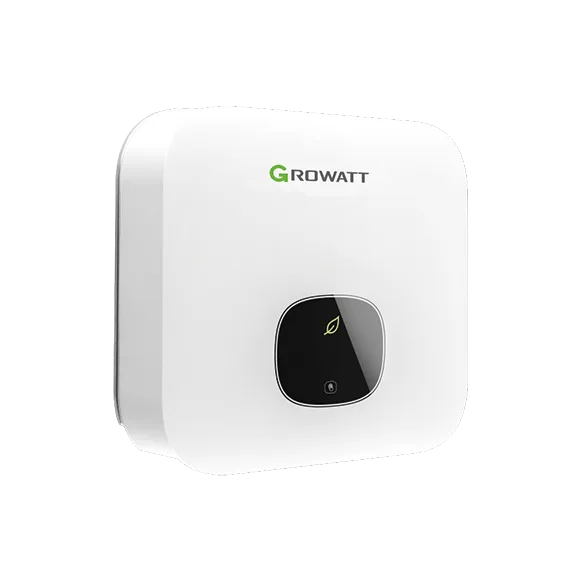
On-grid PV Inverter
19 products
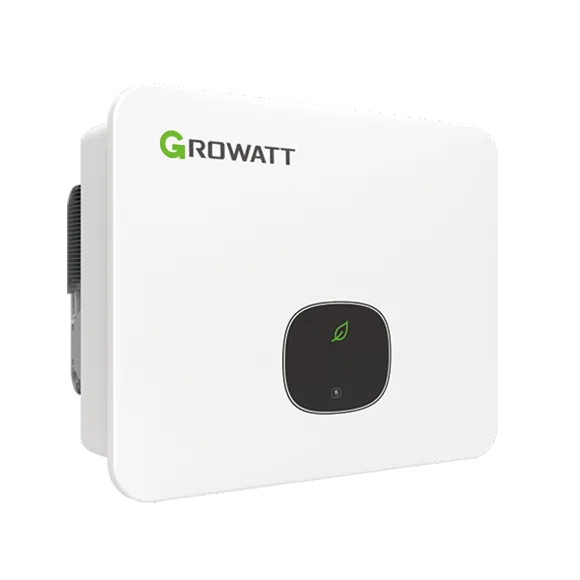
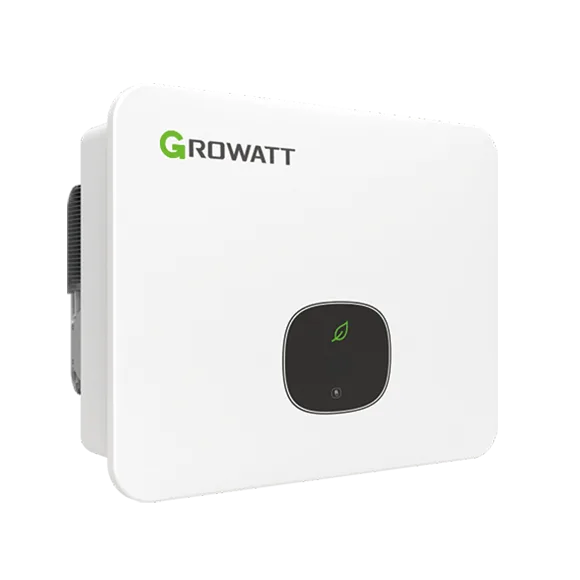
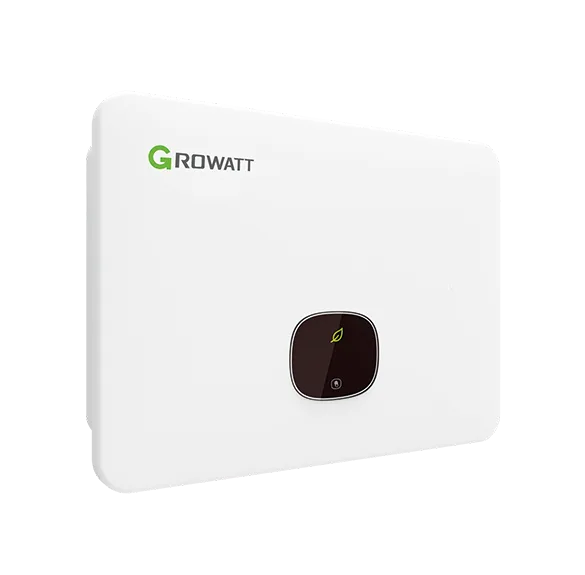
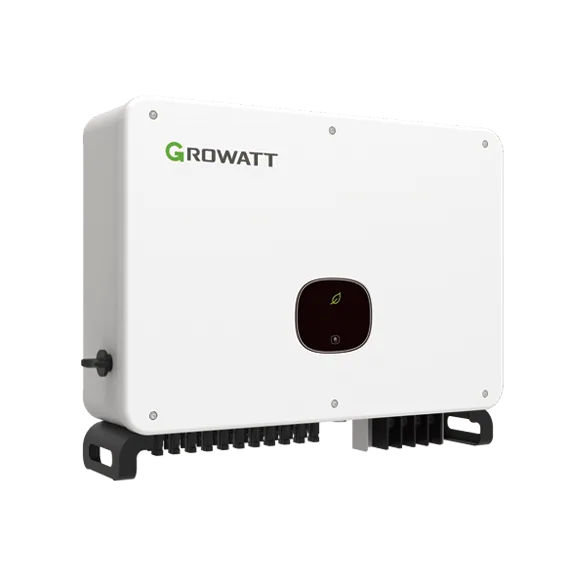
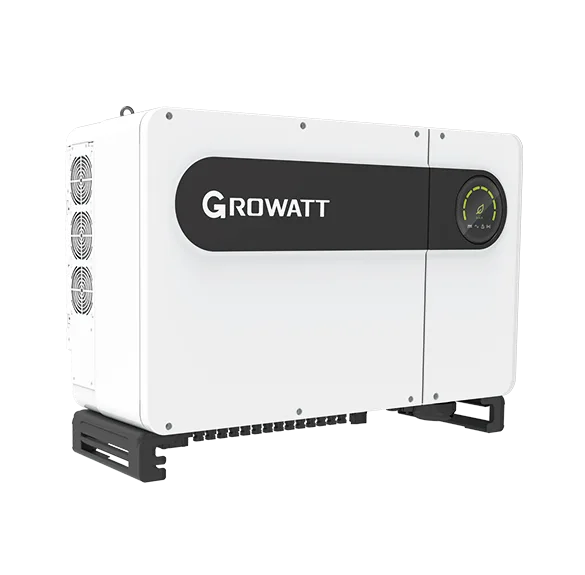
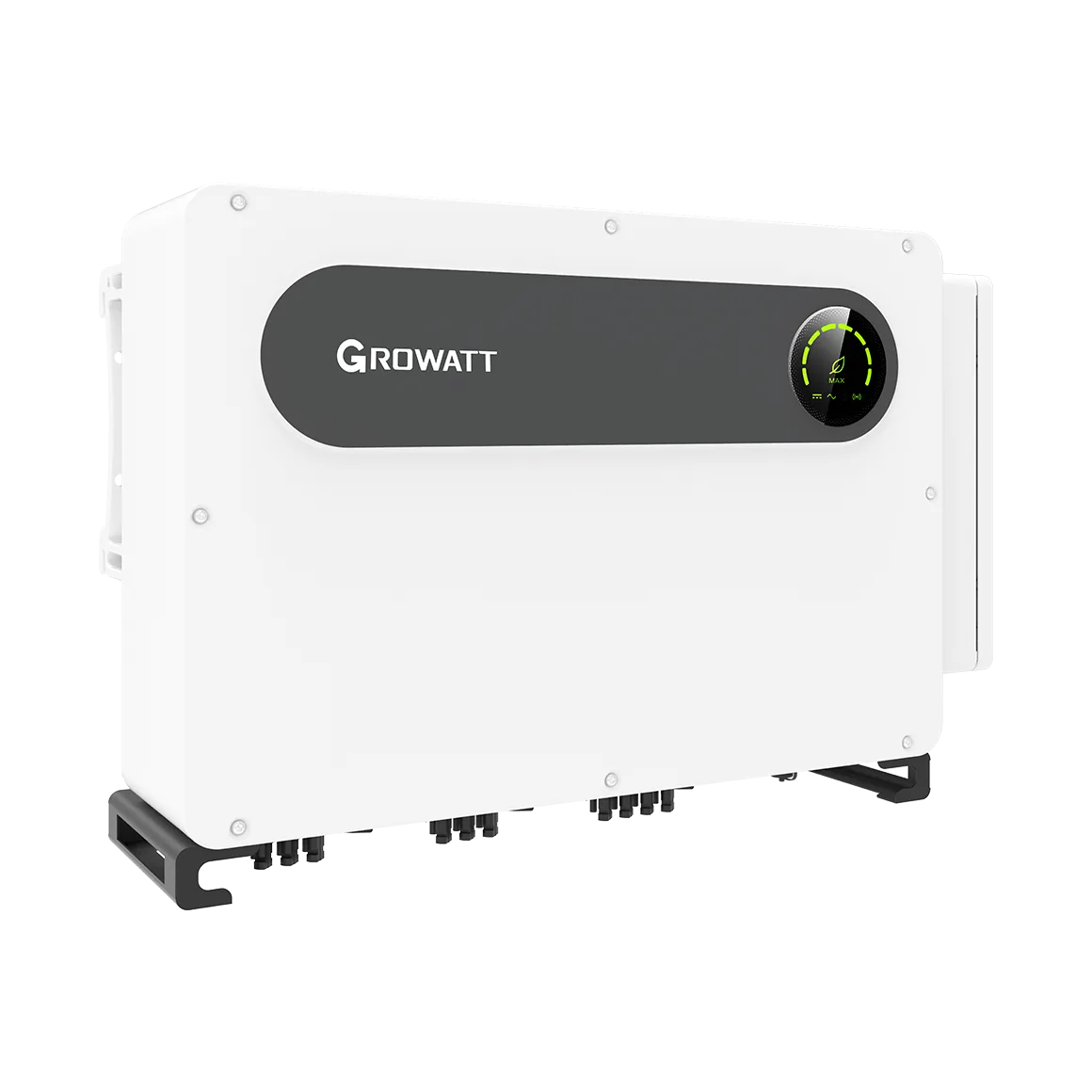
Current catalogue scope
Browse 99 displayed products in 4 catalogue groups
The four routes organize 23 specific product families for navigation. Product count and group structure describe this site's current public dataset, not Growatt's complete global range, every regional variant, current production status, or a promise that all displayed models can be quoted.
99 products4 categories
Growatt model workflow
Start with system role, then match the exact electrical variant
Growatt model families span grid-tied conversion, hybrid and off-grid power, battery-ready platforms, batteries, backup transfer, monitoring, EV charging, and other functions. A useful shortlist identifies the operating mode before comparing model codes.
Step 1
Choose the operating mode
Define on-grid, hybrid, AC-coupled, off-grid, battery-ready, balcony or all-in-one storage, backup transfer, UPS, EV charging, monitoring, metering, or another system role. State whether the requirement is residential, commercial, industrial, or utility scale.
Step 2
Match the electrical and regional variant
Record the full model code and suffix, phase, AC voltage and frequency, power class, PV voltage and MPPT inputs, battery voltage and BMS pairing, backup or transfer arrangement, communications, and destination grid requirements.
Step 3
Confirm system scope and files
Request exact-model datasheets, manuals, compatibility records, certificates or grid-code evidence, warranty scope, required meters and accessories, availability, MOQ, lead time, packing, trade terms, and destination requirements.
Technical shortlist
Six checks before comparing Growatt models
These checks reduce the risk of treating similar model families, regional suffixes, batteries, meters, transfer equipment, and communication devices as interchangeable.
Topology and operating mode
Confirm grid-tied, hybrid, AC-coupled, off-grid, microinverter, battery-ready, UPS, storage, EV charging, pump, or smart-energy function. Define expected grid interaction, backup loads, islanding behaviour, transfer method, and generator interface where relevant.
AC system and grid connection
Match single, split, or three phase; nominal voltage and frequency; rated and peak power; pass-through or backup current; transformer and neutral arrangement; protection; and the grid-code or utility evidence required for the destination.
PV input and MPPT design
Check maximum PV voltage, start voltage, MPPT range, input and short-circuit current, tracker and string count, array oversizing basis, module current, temperature correction, connector, and rapid-shutdown or optimizer requirements.
Battery, BMS, and backup design
For battery-ready, hybrid, off-grid, balcony, and all-in-one products, verify LV or HV architecture, voltage window, current, chemistry, usable energy, BMS protocol, firmware, approved combinations, parallel rules, transfer equipment, and required protection.
Meters, monitoring, EV, and accessories
Identify CTs, meters, data loggers, gateways, monitoring platform, automatic transfer box, communication interfaces, cables, connectors, EV charging power and connector standard, load management, and accessories required for the selected function and region.
Documents and commercial inputs
Provide the exact model and regional suffix, application, quantity, destination, delivery target, trade term, packing constraints, required datasheet, manual, compatibility file, certificate, grid document, warranty, spares, and substitution rules.
Compatibility and evidence boundaries
A catalogue family does not prove a complete or compatible system
Navigation, technical suitability, system completeness, commercial status, and market acceptance are separate checks. Confirm the exact variant and every connected component before relying on a product-family name.
Four routes contain 23 different families
The top-level groups simplify navigation, but residential, commercial, utility, hybrid, off-grid, battery, EV charging, monitoring, meter, and transfer products perform different roles and must not be treated as equivalent.
Battery-ready does not mean battery included
A battery-ready or hybrid inverter listing does not by itself include a battery, BMS pairing, meter, transfer equipment, backup distribution, monitoring, cables, protection, commissioning, or a complete energy storage system. The quotation must define inclusions.
Compatibility and backup are exact-model specific
Matching voltage labels are not enough. Battery, inverter, BMS, firmware, meter, CT, transfer box, parallel configuration, generator, backup power, communication, and regional grid operation must be checked against current model-specific documentation.
Listing is not authorization, stock, or approval
The Growatt name and product pages identify displayed catalogue items. They do not by themselves claim authorized or exclusive distributor status, price, inventory, production allocation, lead time, certificate validity, utility acceptance, or destination approval.
Growatt catalogue FAQ
Questions before requesting a Growatt model
Use these answers to separate model research from compatibility, complete-system scope, commercial status, and destination-specific evidence.
Does this catalogue mean Rongkai is an authorized Growatt distributor?
No authorization, exclusivity, or official-representative status is claimed by the listing itself. The catalogue organizes currently displayed Growatt products for research and RFQ preparation. Any commercial relationship a buyer needs to rely on should be evidenced separately.
Are all Growatt products and regional variants shown here?
No. The current site dataset contains 99 displayed products organized into 4 catalogue groups and 23 more specific families. It is not Growatt's complete global portfolio, every regional suffix, or a statement of current availability.
How should Growatt inverter and battery compatibility be verified?
Match the exact inverter, battery, BMS, firmware, meter, transfer equipment, and regional variant. Verify voltage windows, current, protocol, usable energy, approved combinations, parallel limits, protection, backup behaviour, communication, and commissioning requirements. Nominal voltage alone is not proof of compatibility.
What information should a Growatt RFQ include?
Provide the system role, full model code and regional suffix, phase and AC voltage, PV and MPPT inputs, battery and BMS requirements, backup loads, connected meters and accessories, EV charging requirements where relevant, quantity, destination, delivery target, required files, packing, and substitution rules.
Growatt product catalogue
Growatt Inverters, Energy Storage, EV Charging and Smart Energy Catalogue
Research the 99 Growatt product pages currently displayed across on-grid PV inverters, energy storage, EV chargers, and smart energy management. These four catalogue routes consolidate 23 more specific product families covering residential, commercial, utility, hybrid, off-grid, battery, transfer, monitoring, metering, and charging applications. Use exact-model routes for RFQ preparation; catalogue visibility does not establish authorization, complete portfolio coverage, live supply, compatibility, or destination approval.
Prepare an exact-model Growatt RFQ
Send the system role, full model and region, phase and voltage, PV/MPPT inputs, battery and BMS, backup loads, meters, monitoring or EV requirements, quantity, destination, delivery target, files, packing, and substitution rules.