
Hybrid, on-grid, or off-grid inverter: a buyer's selection guide
Choose the operating role first, then confirm the grid, load, PV, battery, and approval conditions.
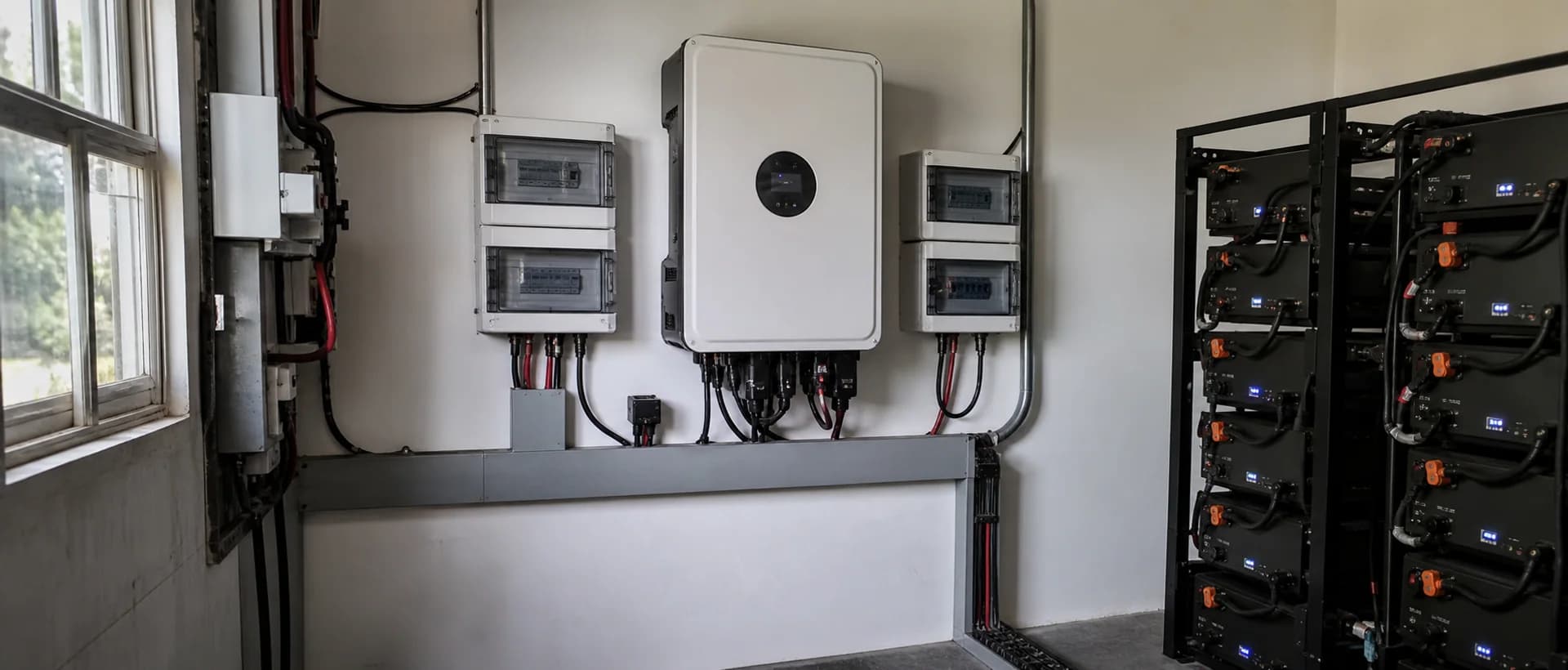
The labels on inverter catalogues are useful, but they do not answer the procurement question by themselves. An on-grid inverter is normally selected for a grid-connected PV system. A hybrid inverter adds a battery interface and may provide backup functions, subject to the exact model and system design. An off-grid inverter is selected where loads must be supplied without a normal grid connection. Start by writing down the required operating mode, the utility condition, the critical loads, and whether backup is required during an outage.
Next, check the electrical boundaries of the exact model: AC phase and voltage, grid-code version, rated and peak output, PV input voltage and current, MPPT count, backup output behavior, battery voltage class, communication interface, and permitted battery combinations. Do not assume that a hybrid inverter will provide whole-site backup, accept every battery, or meet every grid rule. Those answers depend on the model, firmware, protection settings, battery compatibility list, and local approval requirements.
For a distributor, request the destination country and the intended use before quoting. A model suitable for a residence may not fit a commercial three-phase system; a model used in one market may need a different grid-code package elsewhere. IEC 62109-2 covers safety requirements for PV inverters, including grid-interactive, stand-alone, and multiple-mode products, but the installation still needs to comply with local electrical and interconnection rules.
Before confirming an order, ask for a single-line diagram or load summary, the PV array plan, the battery make and model, the destination, and the expected backup behavior. This turns an ambiguous request for a 'hybrid inverter' into a reviewable configuration.
Choose the operating role before the product family
The key question is what must happen when the grid is available and when it is not. A normal grid-connected PV system may need no backup output at all. A battery-backed system may need selected circuits only, a defined changeover arrangement, or a larger critical-load panel. An off-grid system must be designed around the loads, generation, battery autonomy, and protection strategy rather than simply selected from a catalogue label.
Ask for enough information to rule out a mismatch, not a full construction design from the buyer. A single-line diagram or load schedule, supply voltage and phase, PV-array plan, battery model, destination, and intended backup behaviour normally give the technical parties a clear basis for further review.
- Operating mode during normal grid service and during an outage, including which loads must remain energised.
- AC phase, nominal voltage, frequency, rated and peak-load requirement, plus starting-current or motor-load information where relevant.
- PV input boundaries: maximum voltage/current, MPPT quantity, planned string layout, and ambient-condition review.
- Battery pairing, voltage class, communication/BMS requirement, firmware status, and approved-model evidence.
- Destination, required grid-code or approval route, protection/earthing design responsibility, and commissioning owner.
Does 'hybrid' guarantee whole-home or whole-site backup?
No. Backup scope depends on the exact model, wiring architecture, output rating, battery capability, protection design, and configuration. Confirm the intended loads and model-specific backup behaviour before ordering.
Related Articles
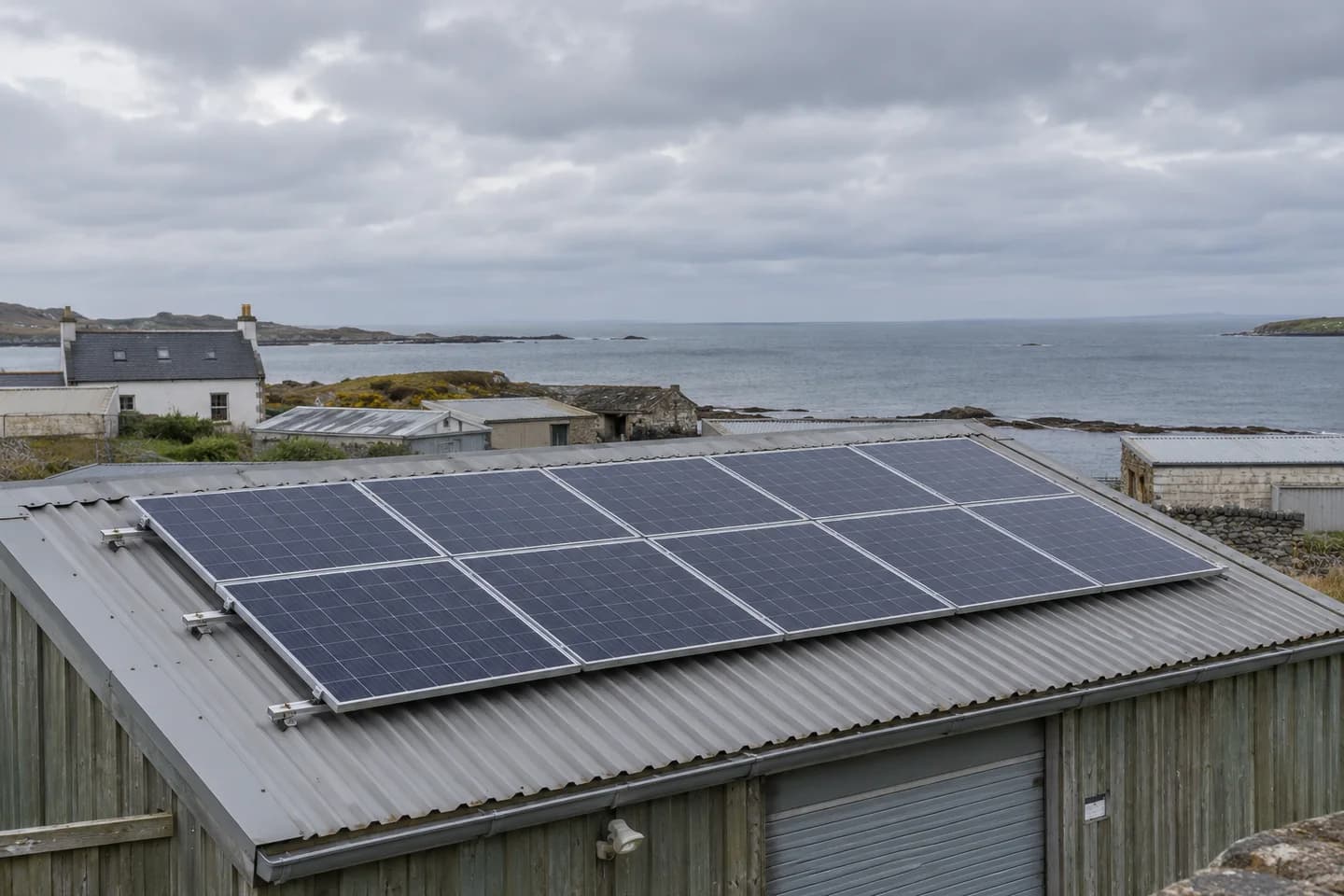
How do solar panels perform in clouds, heat, salt air and dust?
A panel's watt rating cannot describe every site. Learn what changes in cloudy, hot, coastal and dusty locations, and which details belong in a supply quote.
Read Article→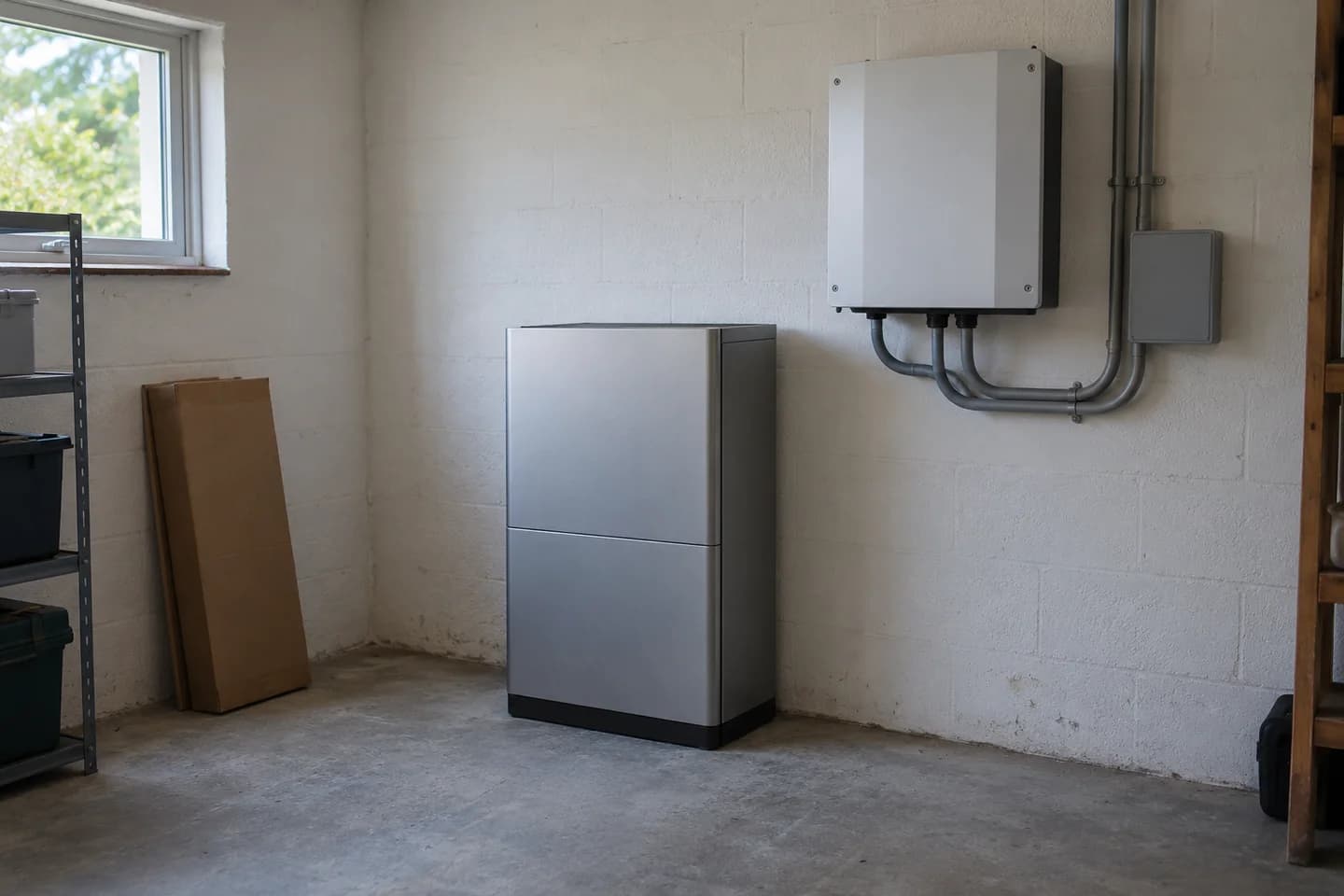
How to compare solar battery specifications before buying
Two batteries with the same kWh label can do different jobs. Here is how to read the numbers, check the missing details and compare like-for-like quotes.
Read Article→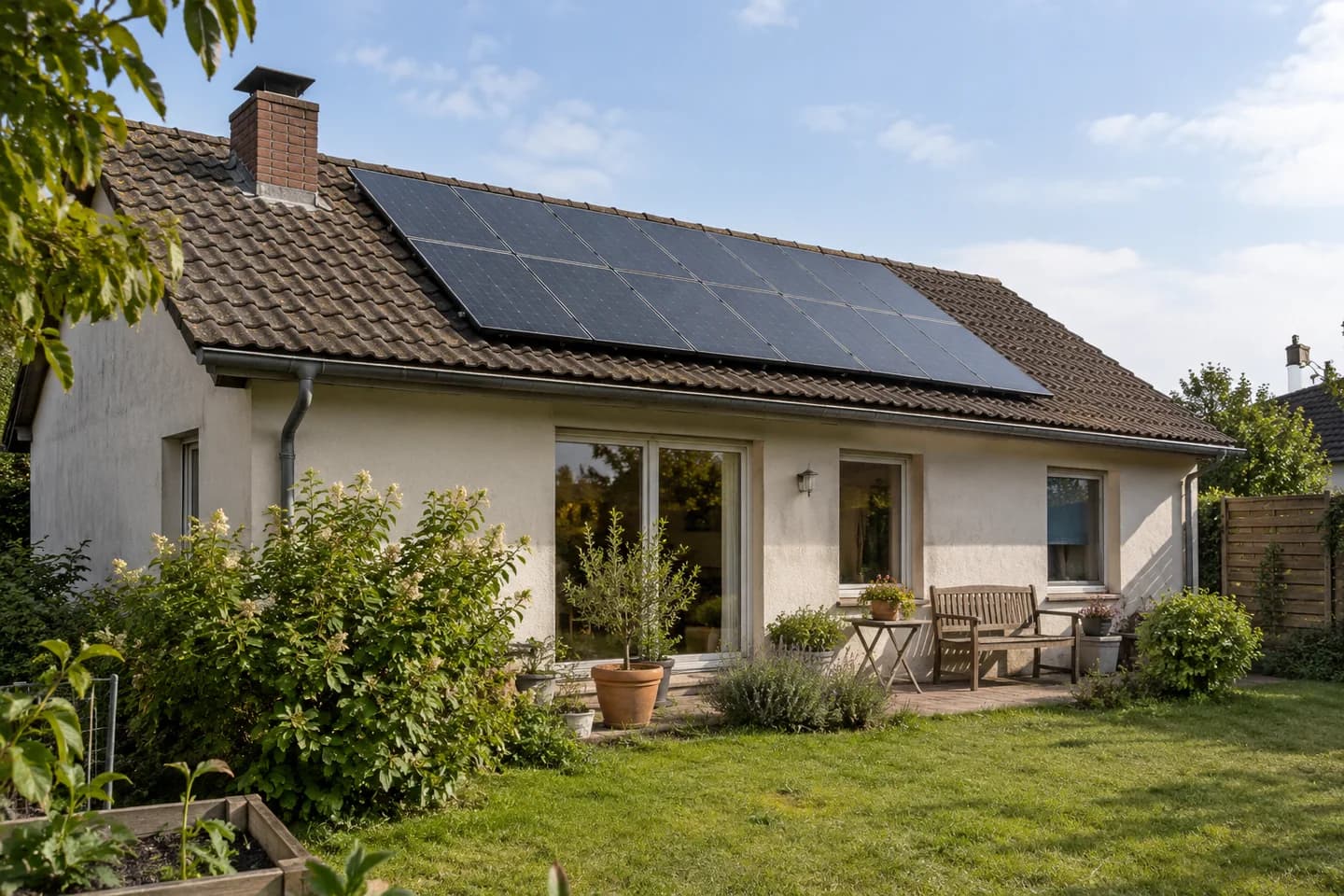
Solar self-consumption and grid export: what equipment do you need?
For project buyers, installers and distributors: what to source as an equipment package, what to arrange locally, and what a useful supply quote should include.
Read Article→