
How to choose solar modules for distribution and project supply
Start with the site, the electrical design, and the document package—not a wattage number alone.
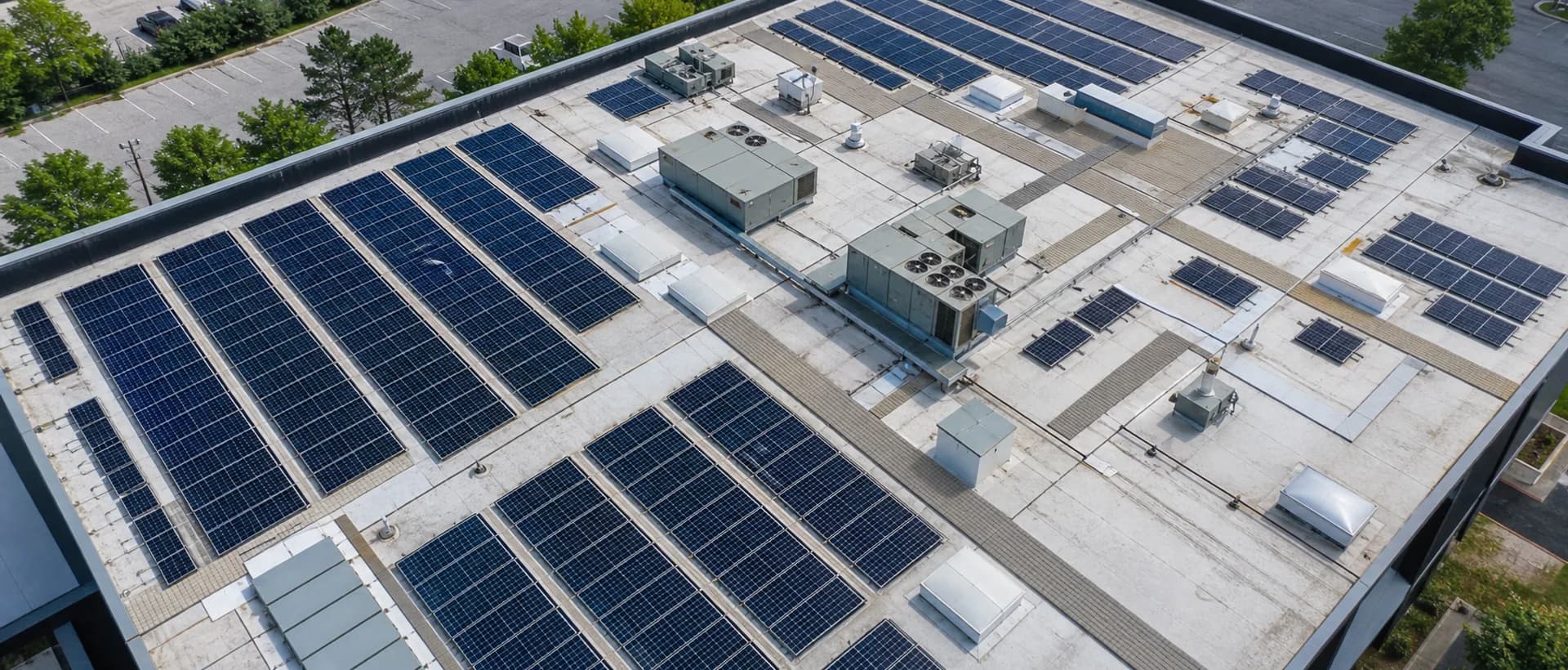
Begin with the installation rather than the catalogue. Ask whether the project is a residential roof, a commercial roof, a carport, a ground-mount site, or a coastal location. The answer affects module dimensions, mechanical loading, connector and cable layout, mounting compatibility, and the documents the buyer may need. A higher nameplate rating is not automatically the better procurement choice if the module does not fit the approved design or the local approval path.
For the RFQ, keep the electrical and physical checks together: cell technology, rated power, dimensions, weight, maximum system voltage, operating-current limits, connector type, frame, fire or building requirements, and the proposed mounting system. Then ask for the exact model datasheet and the certificate references for that model. IEC 61215 addresses design qualification and type approval, while IEC 61730 addresses module safety qualification; neither replaces the national or local requirements of the installation market.
For distribution, add the commercial questions early: target quantity, carton and pallet configuration, container plan, warranty wording, country of origin requirements, and the documentation needed by the importer or installer. For a project, freeze the approved model before ordering and record the process for substitutions. A change in dimensions, electrical characteristics, bill of materials, or certificate scope can create work for engineering, permitting, and logistics teams.
A useful final check is simple: can the buyer, installer, and customs or compliance reviewer all identify the same exact model from the quotation, datasheet, certificate, packing list, and shipment documents? If not, resolve the mismatch before the purchase order is issued.
Module selection checklist for a real RFQ
Start by separating decisions that can be made from product documents from decisions that require site or local-market confirmation. The datasheet can identify the module's electrical and physical boundaries; it does not decide roof condition, structural suitability, fire-route requirements, string design, or utility acceptance. Record who owns those project decisions before a model is offered as approved.
Use the exact model code all the way through. Product families can contain several power bins, frames, connectors, cell configurations, and document revisions. If the order, certificate, or packing list uses a shorter name than the approved datasheet, ask for a model-level cross-reference before release.
- Installation type, site conditions, destination market, and the party responsible for final design and local approval.
- Exact module model, datasheet revision, rated electrical values, maximum system voltage, connector, dimensions, weight, and mounting guidance.
- String-design and inverter-input review by the responsible technical party, including current and voltage limits at expected conditions.
- Model-specific evidence requested by the project, importer, customer, or local authority; distinguish it from local approval.
- Packaging, quantity tolerance, spare-module policy, warranty document, origin/traceability request, and substitution control.
Do IEC 61215 and IEC 61730 make a module accepted in every market?
No. They are important module design-qualification and safety references, but national rules, installation codes, utility criteria, project specifications, and local approvals may add requirements.
Related Articles
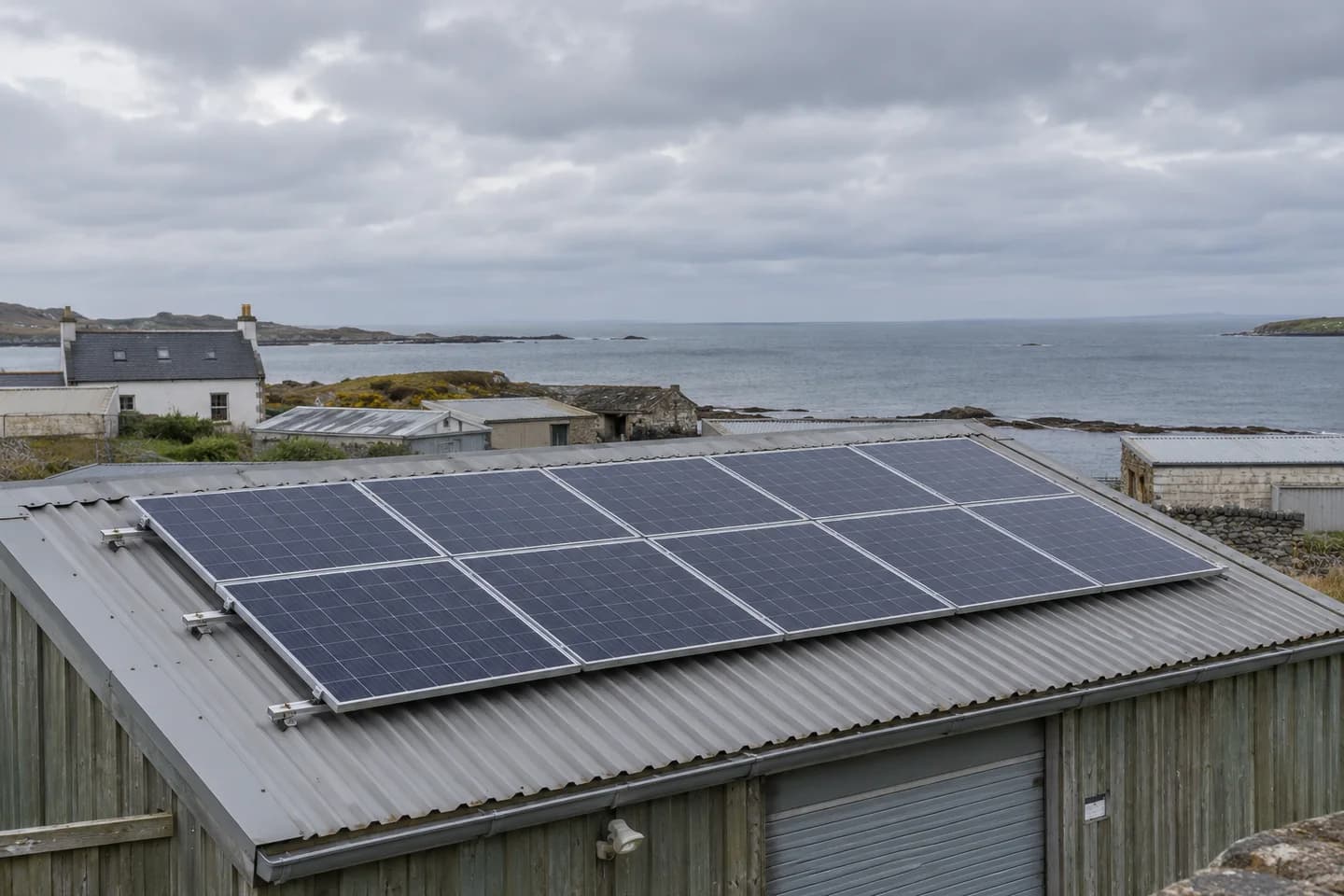
How do solar panels perform in clouds, heat, salt air and dust?
A panel's watt rating cannot describe every site. Learn what changes in cloudy, hot, coastal and dusty locations, and which details belong in a supply quote.
Read Article→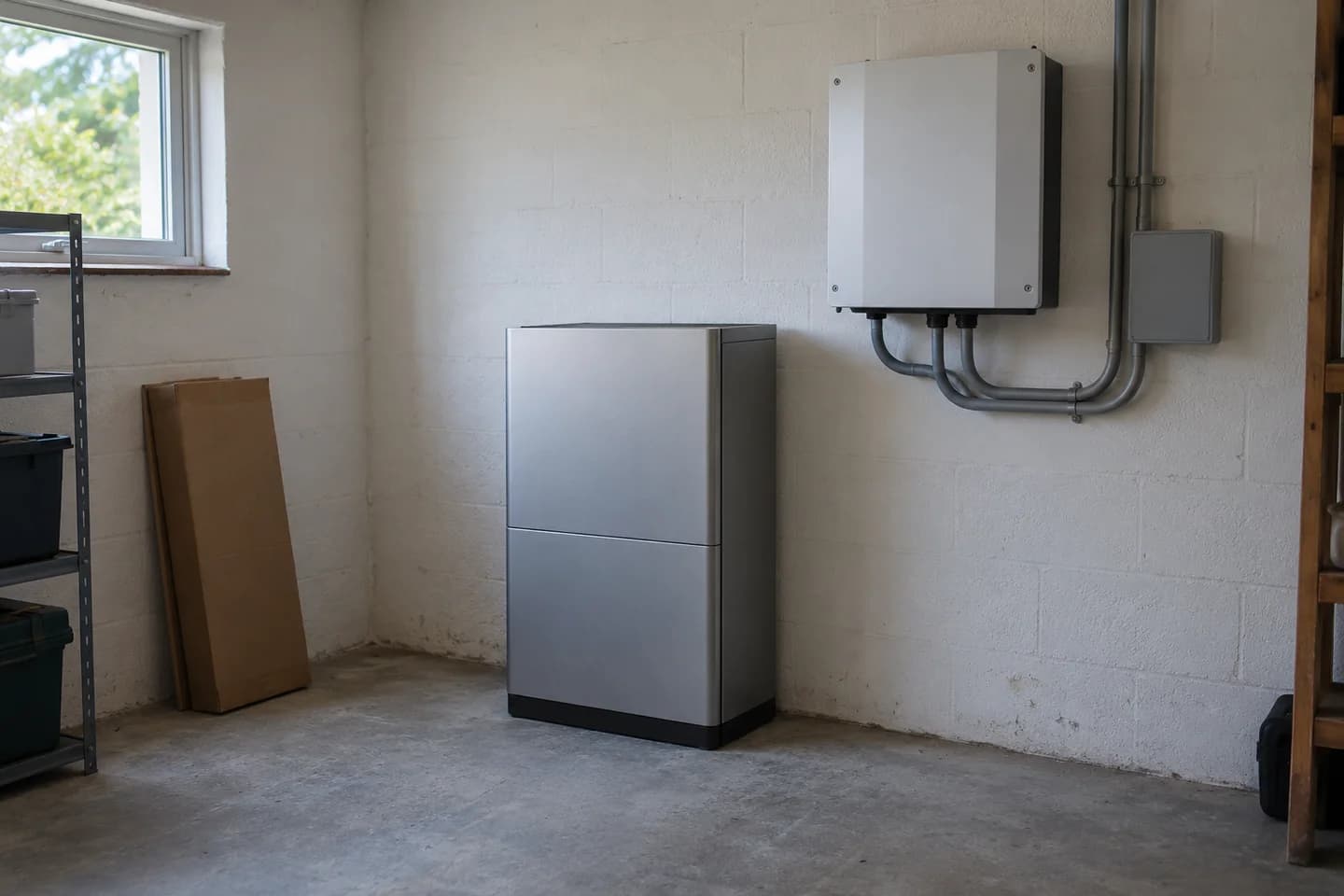
How to compare solar battery specifications before buying
Two batteries with the same kWh label can do different jobs. Here is how to read the numbers, check the missing details and compare like-for-like quotes.
Read Article→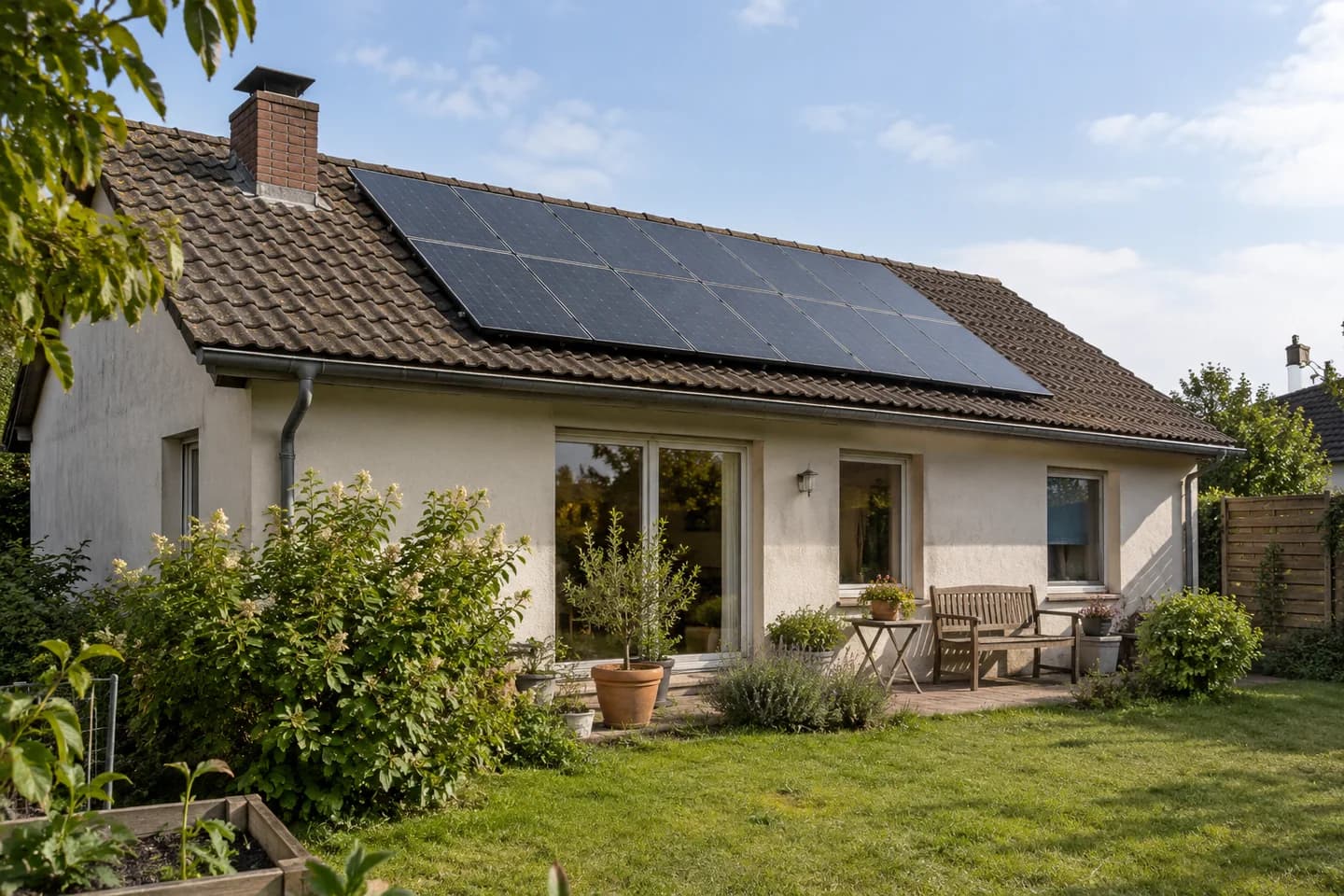
Solar self-consumption and grid export: what equipment do you need?
For project buyers, installers and distributors: what to source as an equipment package, what to arrange locally, and what a useful supply quote should include.
Read Article→