TOPCon module procurement checklist for C&I projects
Treat TOPCon as one input to a model-level review, not as a shortcut around electrical, mechanical, and document checks.
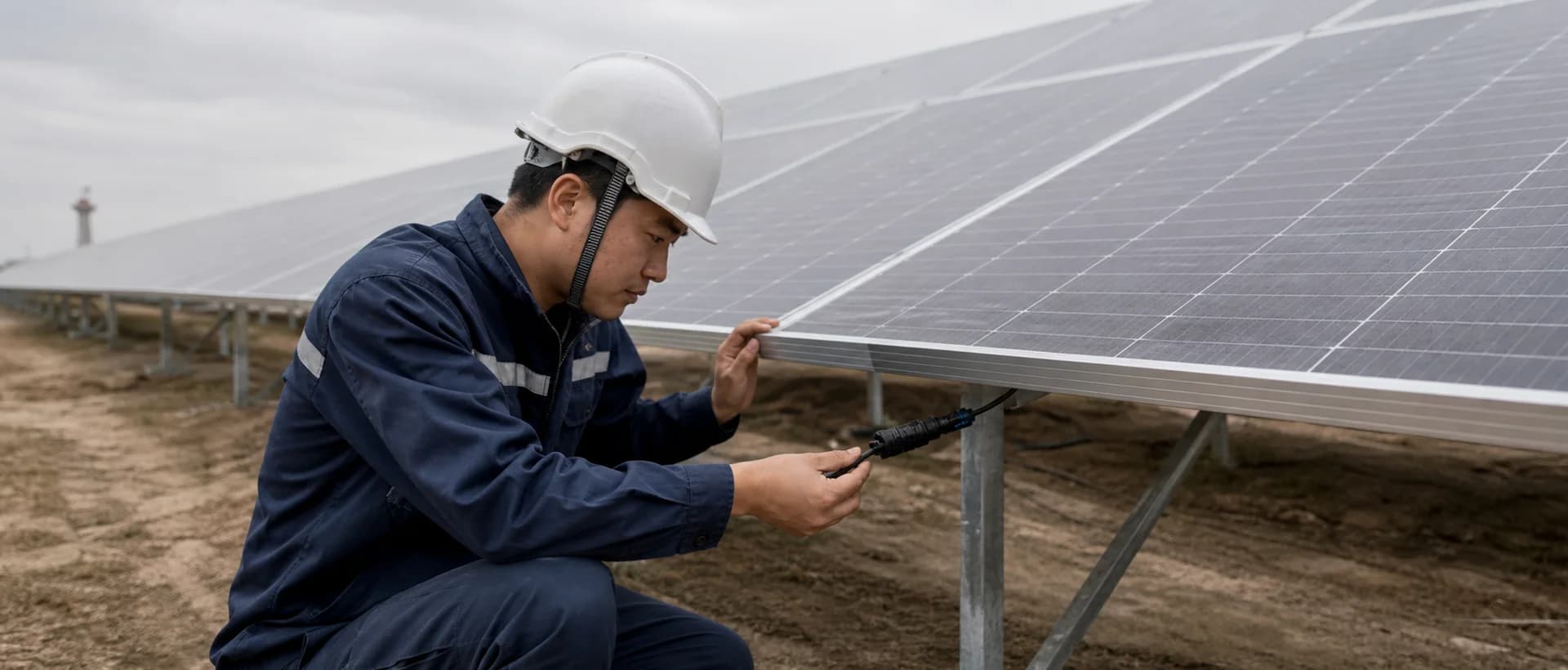
TOPCon describes a cell technology, not a complete procurement specification. For a commercial or industrial project, the useful question is not simply whether a module is TOPCon; it is whether the exact module works with the design, site conditions, mounting system, inverter limits, approval process, and delivery plan. Keep the review at model level.
Start with the layout: module dimensions, weight, clamp zones, mechanical-load requirements, string design, maximum system voltage, current, connector arrangement, and inverter input limits. Then compare the proposed module's datasheet and certificate references with the approved project documents. IEC 61215 and IEC 61730 are important reference points for design qualification and safety, but environmental exposure and local installation rules can require additional review. For example, IEC 61701 addresses salt-mist corrosion testing for applicable conditions.
For C&I procurement, do not let an efficiency discussion displace delivery controls. Confirm the bill of materials, module model, serial-number or traceability expectations, packaging, spare-module policy, warranty documents, and substitution rules. If the customer has lender, EPC, or importer requirements, record them before placing the order rather than trying to assemble evidence after the shipment is booked.
The final checklist should identify the model revision, project destination, approved documents, site-specific conditions, and the person responsible for accepting any change. That approach remains useful as product platforms and market preferences evolve.
TOPCon review: keep technology claims separate from project fit
TOPCon can be a relevant product-selection input, but it does not determine string compatibility, structural suitability, approval scope, warranty terms, or shipment readiness. Compare the exact offered model and revision against the project's approved technical schedule. This gives the project team a defensible answer if a product platform, power bin, or module dimension changes during procurement.
Environmental references should be applied to actual site conditions rather than used as generic marketing language. Coastal, high-wind, high-snow, ammonia, or other specialised conditions may change the evidence and design review needed. The project engineer, mounting designer, and local parties should decide what is required for the installation.
- Exact TOPCon module code, power bin, construction, dimensions, weight, connector, and datasheet revision.
- String design, inverter current/voltage limits, maximum system voltage, and temperature-condition review.
- Mounting compatibility, clamp zones, mechanical-load evidence, roof or ground conditions, and responsible structural review.
- Destination and project document requirements, including any environmental or lender/EPC conditions tied to the model.
- Traceability, serial-number expectation, packing, spares, warranty file, and written substitution process.
Is TOPCon itself a certification or project approval?
No. It is a cell-technology description. Certifications and approvals must be checked by exact product model, scope, project requirement, and destination market.
Related Articles
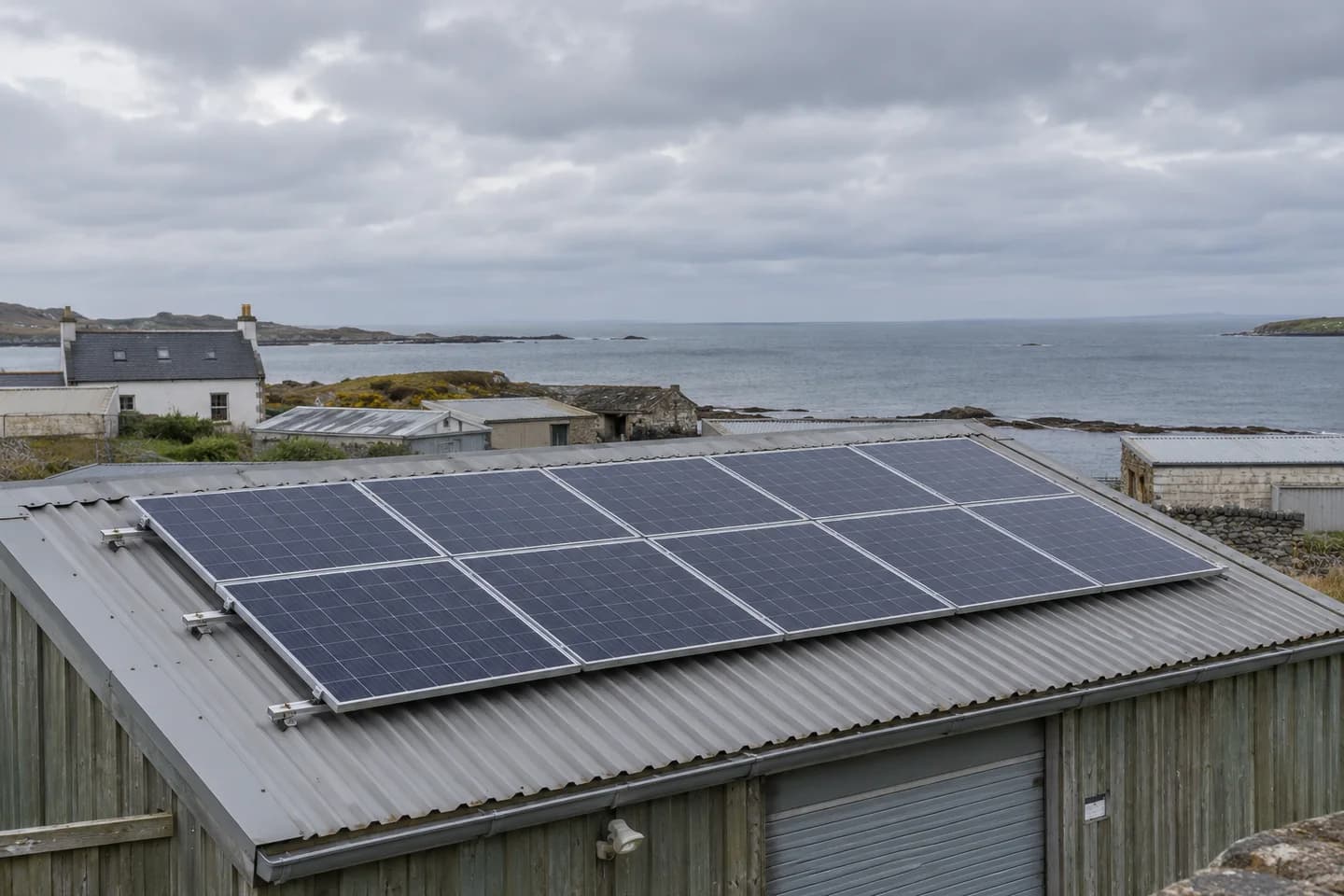
How do solar panels perform in clouds, heat, salt air and dust?
A panel's watt rating cannot describe every site. Learn what changes in cloudy, hot, coastal and dusty locations, and which details belong in a supply quote.
Read Article→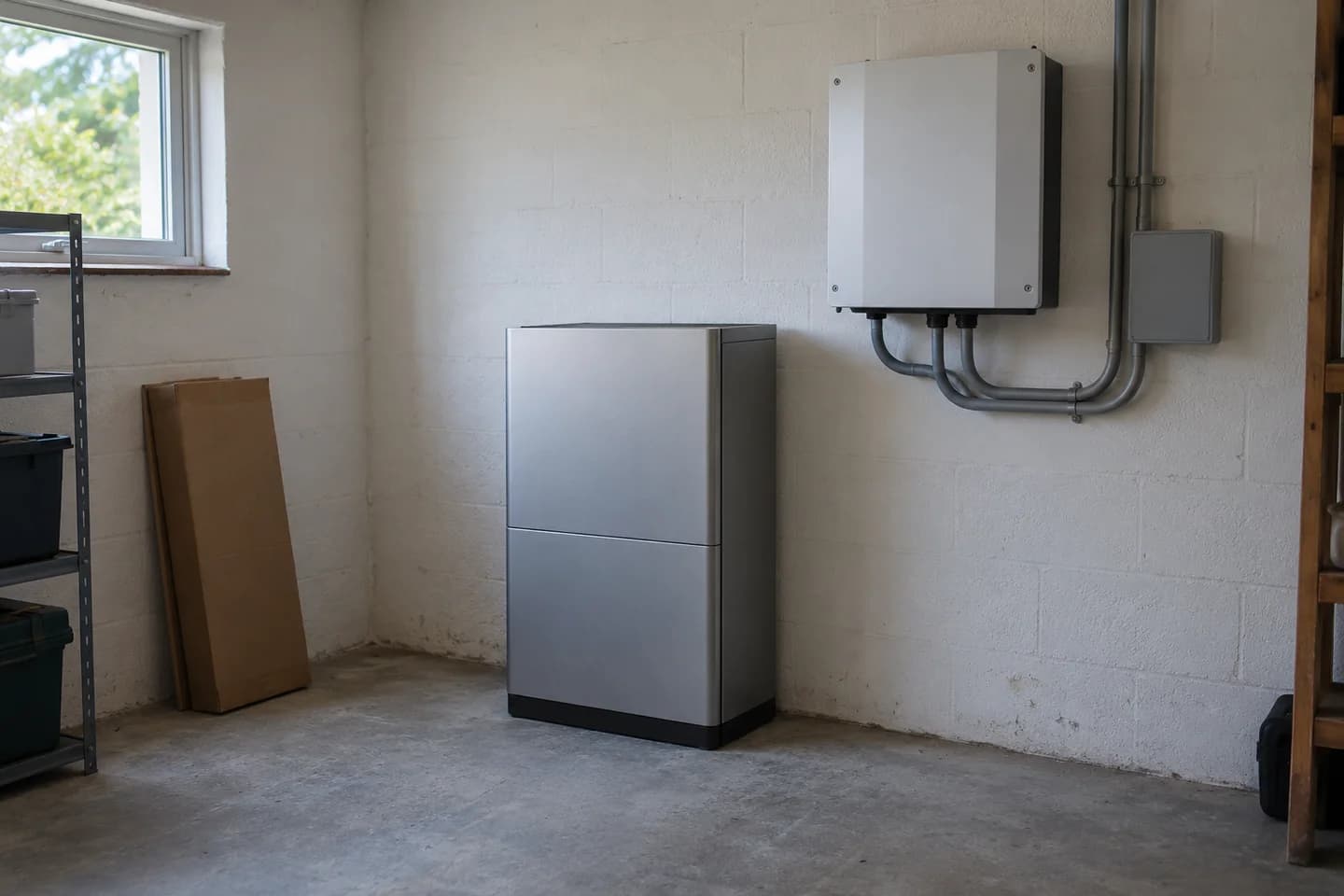
How to compare solar battery specifications before buying
Two batteries with the same kWh label can do different jobs. Here is how to read the numbers, check the missing details and compare like-for-like quotes.
Read Article→
Solar self-consumption and grid export: what equipment do you need?
For project buyers, installers and distributors: what to source as an equipment package, what to arrange locally, and what a useful supply quote should include.
Read Article→