
How to charge a 48V battery bank from a generator without overloading it
The useful feature is not a charger that changes speed for no reason. It is a system that respects the generator limit, gives live loads priority and stays within the battery's charging boundary.
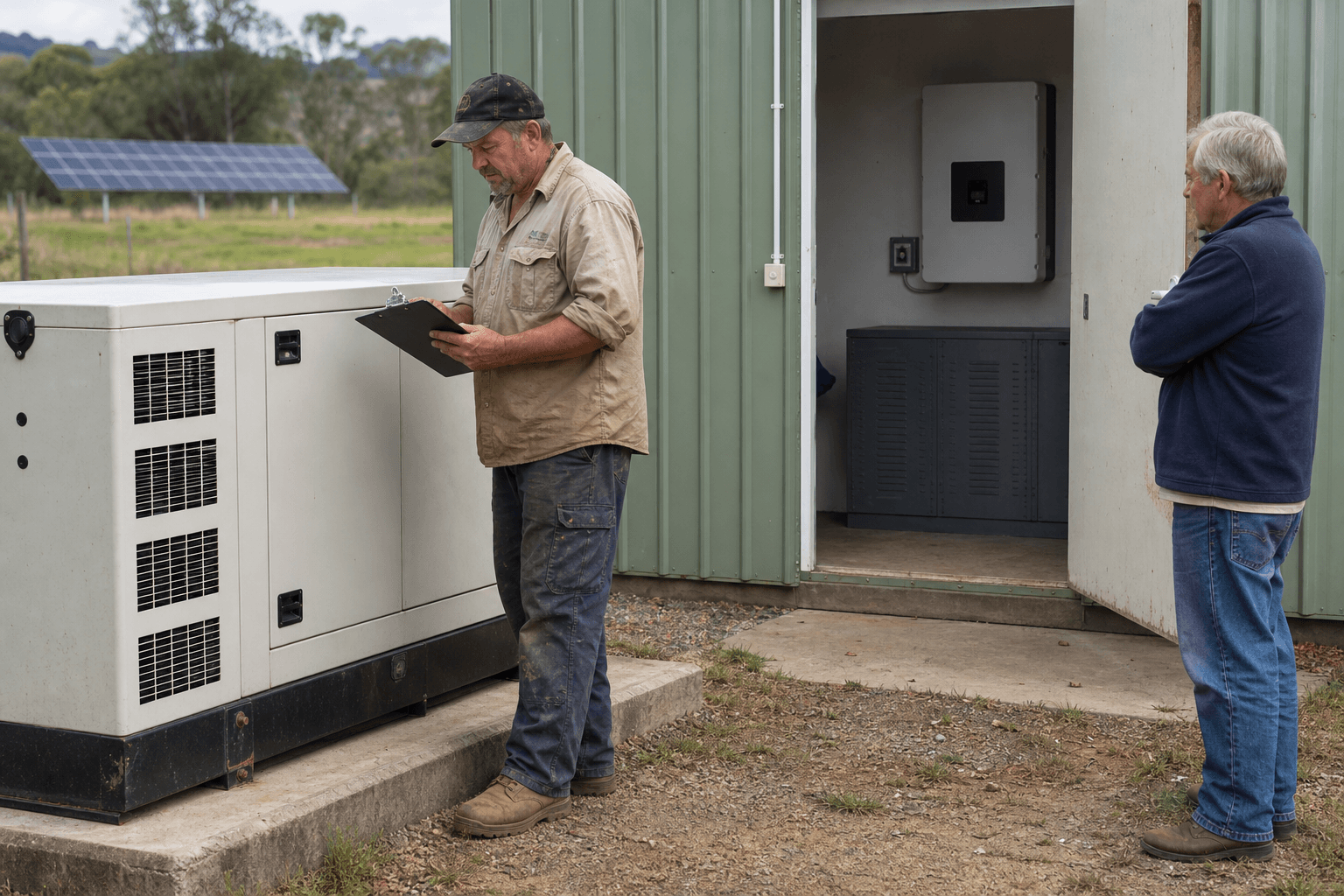
Nothing wakes a generator up faster than a low battery bank and a charger set to take everything it can. The generator settles, the inverter-charger accepts the AC input, and the engine note changes in a second. Sometimes it carries on happily. Sometimes the voltage sags, the inverter drops the input, and the whole cycle starts again.
That behaviour often sends buyers looking for an inverter or 48V battery charger with a "variable charging rate." The phrase is understandable, but it mixes several controls together. A fixed maximum charge current, an AC input limit, automatic load priority and dynamic generator support do different jobs. The right product depends on which problem is actually happening.
This guide is about specifying and comparing equipment, not changing live generator or inverter settings. The generator connection, transfer arrangement, protection, neutral and grounding design, cable work and commissioning need the exact manuals and an appropriately qualified local installer. The photographs are illustrative editorial images rather than Rongkai project records.
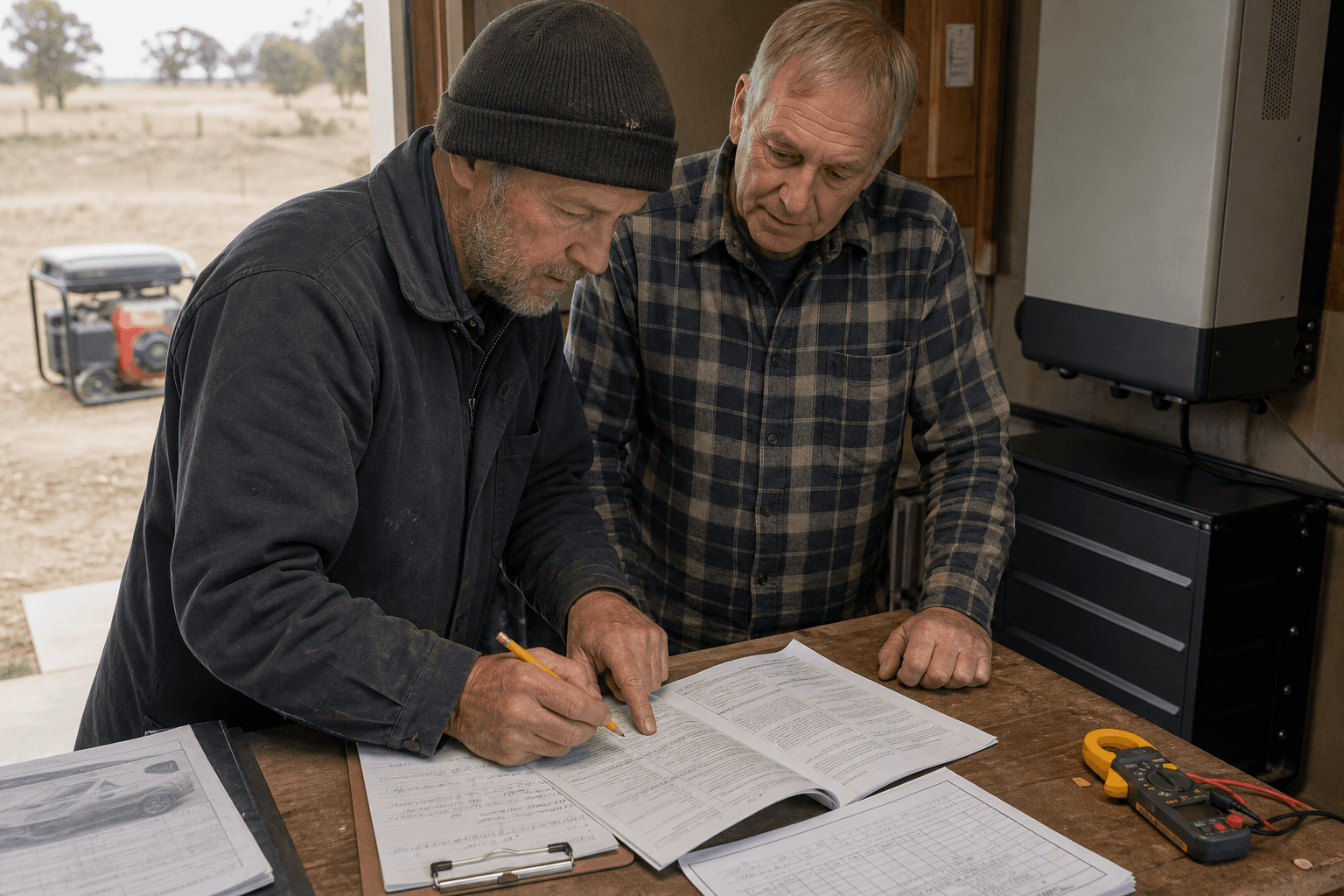
The useful control is a ceiling, not random fluctuation
A generator does not normally need the charger to wander up and down just to avoid a steady load. What matters is keeping the combined demand within the generator's usable continuous output and within the operating conditions stated by its manufacturer. A stable load can be easier for a generator to manage than repeated large steps. The acceptable loading range still depends on the engine, alternator, fuel, cooling, altitude, ambient temperature and whether the unit is an inverter generator or a conventional set.
The charging system does need room to react when the site load changes. If a pump, compressor or workshop tool starts while the battery is charging, an inverter-charger with load-priority control may reduce charging first. When the load falls, it can use more of the available input for the battery again. That is controlled sharing of a limited source. It is different from continuously changing the charge rate for the sake of movement.
Some products also offer a dynamic current limiter or a battery-assist function. These features may smooth the way a small generator sees a sudden load or let the battery support a short peak. They are model-specific. A brochure that says "generator compatible" does not confirm how quickly the charger reduces demand, whether loads have priority, or whether battery support is available in generator mode.
Four limits that are easy to confuse
Start with the AC input current limit. On many inverter-chargers, this is the ceiling for what the complete unit may draw from the generator: power passed through to AC loads plus power used by the charger. If the loads rise, a system with suitable power-control logic can reduce battery charging to stay under that ceiling. The exact behavior and minimum setting vary by model.
The DC charge-current limit sits on the battery side. It protects the battery charging plan and may be constrained by the battery management system, cell temperature, state of charge, number of modules and the inverter-battery communication. Lowering this limit can reduce generator demand, but it does not necessarily cap the generator's total current if the same inverter-charger is also passing AC power to the site.
A separate charger limit may control only the AC power assigned to charging. Then there is dynamic load support: the battery and inverter temporarily assist a limited AC source when the load exceeds the chosen input limit. Not every product exposes all four controls, and different manufacturers use different names. Ask for a manual page or settings description for the exact model rather than accepting a feature name on a quotation.
- AC input current limit: the maximum current the inverter-charger is allowed to take from the generator or other AC source.
- DC battery charge-current limit: the maximum charging current requested on the battery side, subject to the battery and BMS.
- Load-priority charging: charging is reduced when AC loads need more of the available generator capacity.
- Generator or battery assist: the inverter may support a short load peak from the battery when the approved operating mode allows it.
Should generator charging constantly speed up and slow down?
Not simply to create variation. A sensible system holds the generator within an approved input limit and adjusts charging when loads, battery limits or source conditions change. Stable charging can be perfectly reasonable when the generator and battery are operating within their documented ranges.
Size the charging plan from the whole AC load
Read the generator plate carefully. A description such as 12 kV is a voltage, not a generator power rating; the intended figure may be 12kW or 12kVA. Even 12kVA and 12kW are not automatically interchangeable. Record the continuous rating, voltage, frequency, phase arrangement and any output reduction stated for site conditions. The short peak number on the front panel is not the figure to plan around for a long charging session.
Next list the loads that remain on while the generator is running. If the building is using several kilowatts and the charger also asks for several kilowatts, the generator sees the combination, conversion losses included. The exact split changes as appliances start and stop. This is why a DC charging-current setting alone can give a false sense of security: it says little about the AC power already going through the inverter to the loads.
Here is a teaching example. Suppose a generator is rated at 10kVA with a manufacturer-stated power factor of 0.8 and a continuous active-power rating of 8kW. The site is using 2.5kW while charging. If the project team chooses to hold back 1kW as operating headroom, the remaining AC power available to the charger is about 4.5kW: 8 - 2.5 - 1. With an illustrative AC-to-DC efficiency of 92%, about 4.14kW reaches the DC side. At an illustrative charging voltage of 54V, that is roughly 77A: 4,140 / 54.
The answer is not automatically a 77A setting. It still has to be compared with the charger's rating, the battery and BMS charge limit, temperature restrictions and any simultaneous solar charging. If the battery permits only 60A at that moment, 60A becomes the relevant ceiling. The 1kW headroom and 92% efficiency in this example are assumptions, not universal design values; use the actual generator and charger documents for a real system.
Finally, decide what the operating goal is. A short generator run at a higher, approved charging power may use fuel and operating hours differently from a longer run at lower power. Noise limits, fuel storage, automatic-start rules and the minimum battery reserve all affect the choice. These are project inputs, not universal percentages.
- Generator make and model, continuous kW and kVA ratings, voltage, frequency, phase and site derating information.
- The AC loads that will remain active during charging, including likely motor or compressor starts.
- Exact inverter-charger model, passthrough rating, charger rating and documented generator-input controls.
- Exact battery models, module quantity, BMS communication and permitted charge current for the proposed bank.
- Other charging sources that may operate at the same time, including solar charge controllers or AC-coupled PV.
Why a generator can run while the battery still will not charge
A generator can sound normal and still fall outside the inverter-charger's acceptance window. Voltage may dip as charging begins. Frequency can move when the engine responds to a sudden step. Some generators produce a waveform that the inverter will not accept reliably. The result may look like a bad charger: the AC input appears, disappears, and appears again while the battery receives little energy.
Before changing settings, check the fault history and compare the generator output with the input requirements in the exact inverter manual. Also check whether the battery is asking the inverter to reduce or stop charging because of temperature, state of charge, cell voltage or a communication alarm. A charge limit can come from the battery, the inverter, the generator input configuration or an energy-management controller. The screen showing one low number does not identify the source by itself.
An integrated inverter-charger is attractive when one unit must transfer the generator supply, power loads and charge the battery. A separate AC-to-DC charger can be useful when the generator supply is difficult for the main inverter to accept or when a simpler, dedicated charging route is wanted. It still needs a verified battery profile, controllable charge current, suitable AC input range and a coordinated system design. Adding a separate charger does not remove battery limits or the need to account for simultaneous solar charging.
Official product documentation shows how different the implementations can be. Victron describes AC input limiting, load-priority charging and PowerAssist as separate behaviors. EG4 publishes a standalone 48V charger with adjustable current for generator-fed charging. Deye hybrid-inverter manuals include generator charging and model-specific maximum charging-current settings. These examples show the available control patterns; they do not make the products interchangeable or confirm suitability for a particular site.
Can any generator charge a 48V lithium battery bank?
No. The generator supplies AC and needs a compatible inverter-charger or AC-to-DC charger between it and the battery. The charger must accept the generator output and follow the exact battery voltage, current, BMS and temperature limits. The generator should never be treated as a direct battery connection.
What should be limited first: AC input current or DC charge current?
Both boundaries matter, but they answer different questions. The AC input limit manages what the inverter-charger takes from the generator, including relevant passthrough loads according to the product design. The DC limit keeps battery charging within the allowed battery and BMS range. The responsible installer should coordinate both from the exact manuals and measured site loads.
What a useful equipment comparison contains
Put the equipment already on site at the top of the comparison. Record the full generator model, battery model and module count, the loads that remain on, the expected recharge window and any existing solar or inverter equipment. If automatic generator start is wanted, define the trigger and the party responsible for the control interface. Auto-start and charge-power control are separate functions.
For each proposed inverter-charger, identify what caps generator input, what caps battery charging, whether load priority is automatic and what happens when the AC load reaches the chosen limit. Include any controller, meter or communications accessory needed to make those functions work. Final settings, transfer and protection design, installation and commissioning remain with the responsible qualified project parties.
- Generator model, continuous output rating, voltage, frequency, phase, fuel type and intended daily operating window.
- Existing and planned AC loads while charging, with known starting loads identified separately.
- Battery brand, exact model, module count, nominal and usable energy, charge limits and communication protocol.
- Existing inverter, solar controllers and any other source that can charge the same battery bank.
- Required manual or automatic generator start, remote monitoring and the desired response when site loads increase.
- Required manuals, controllers and meters, plus the local party responsible for final electrical design and commissioning.
Related Articles
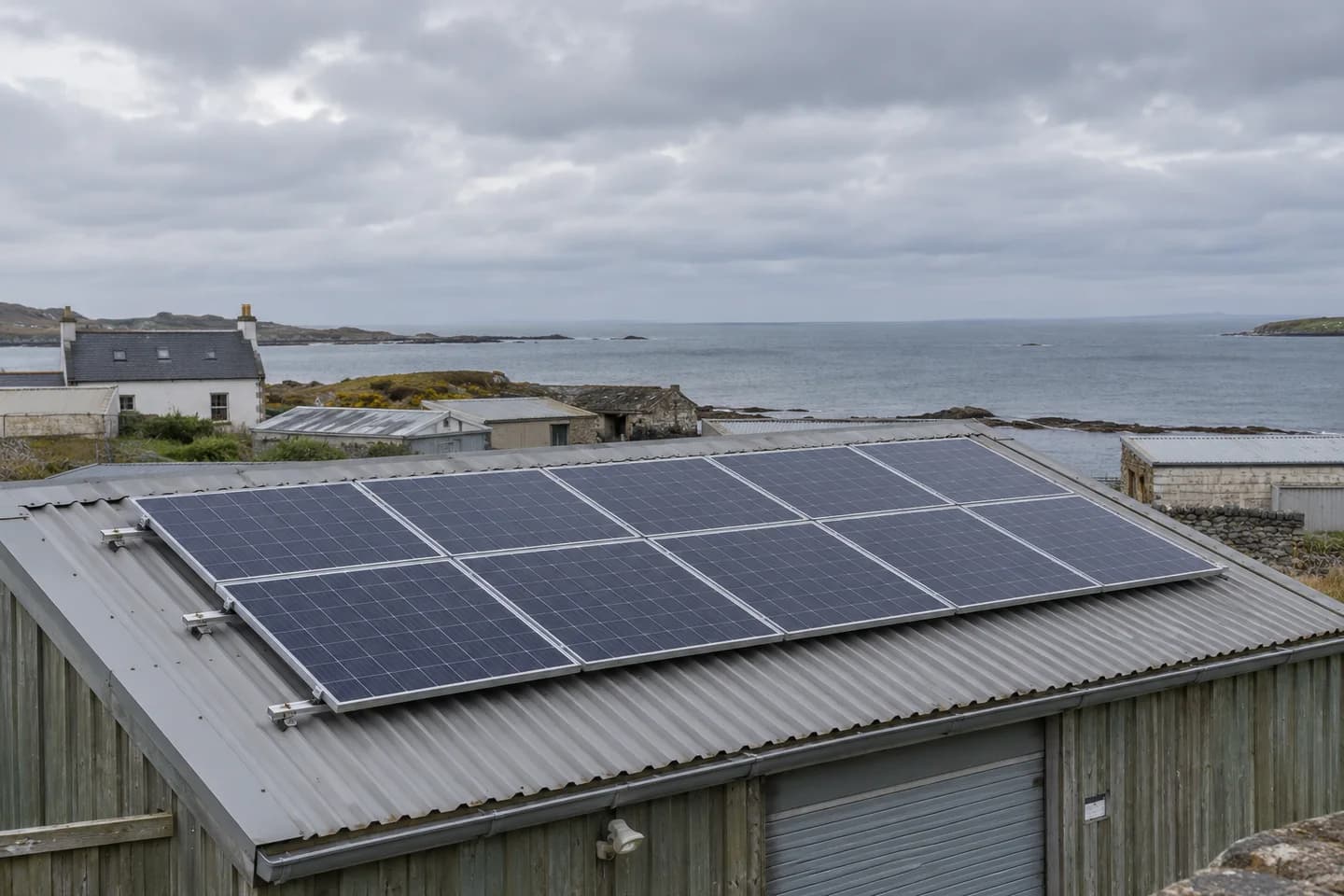
How do solar panels perform in clouds, heat, salt air and dust?
A panel's watt rating cannot describe every site. Learn what changes in cloudy, hot, coastal and dusty locations, and which details belong in a supply quote.
Read Article→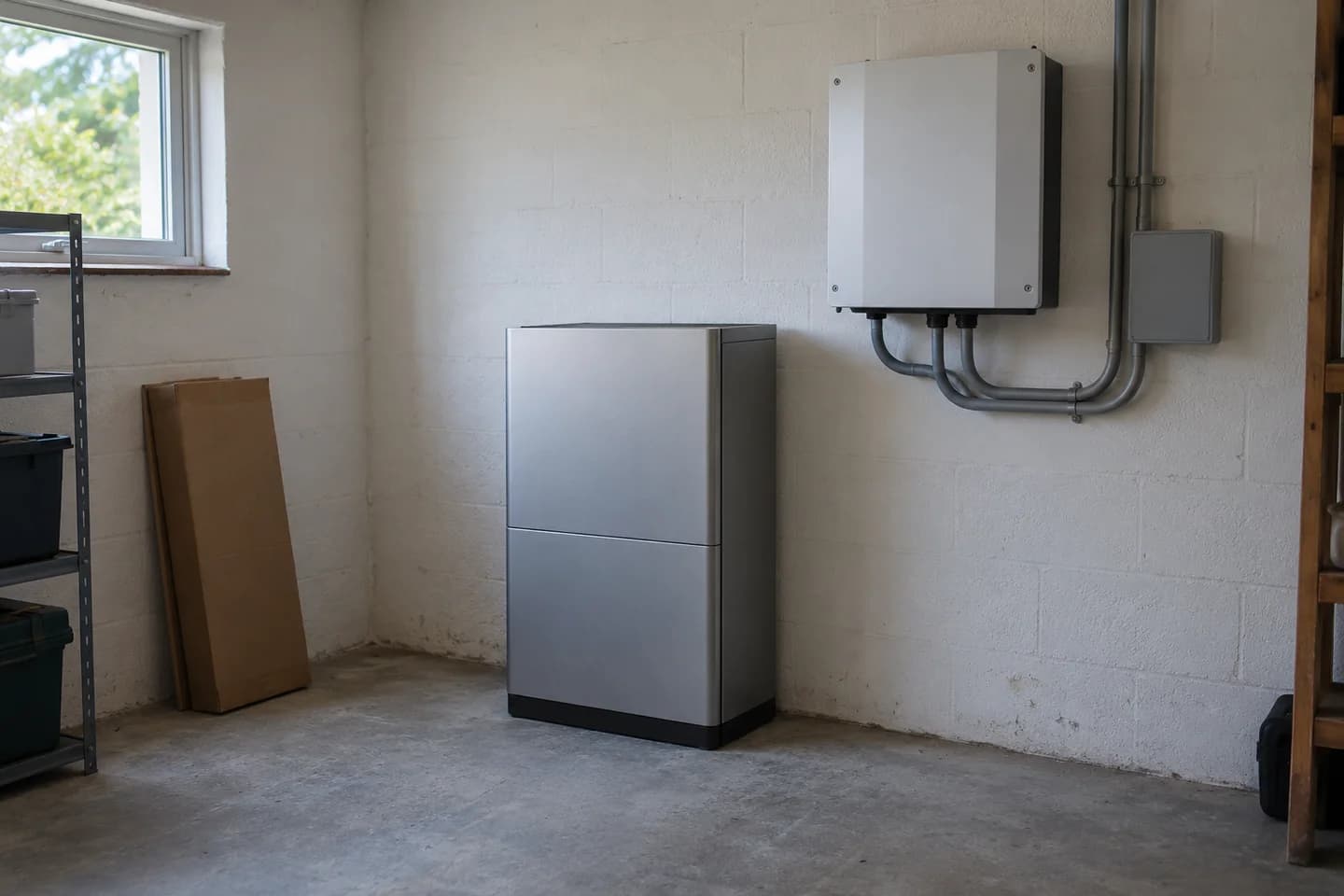
How to compare solar battery specifications before buying
Two batteries with the same kWh label can do different jobs. Here is how to read the numbers, check the missing details and compare like-for-like quotes.
Read Article→
Solar self-consumption and grid export: what equipment do you need?
For project buyers, installers and distributors: what to source as an equipment package, what to arrange locally, and what a useful supply quote should include.
Read Article→