
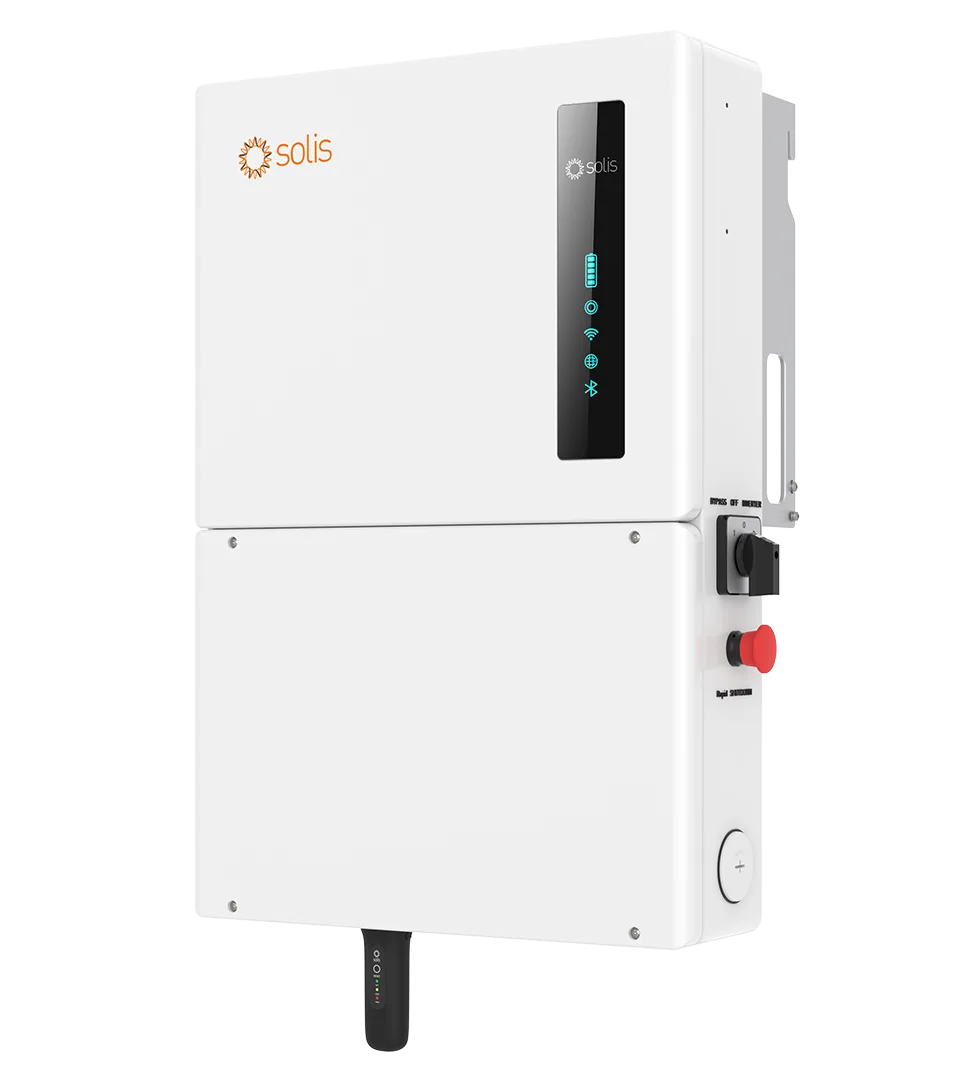
Solis US residential high-voltage hybrid review
Solis S6-EH1P(3.8-11.4)K-H-US Residential Hybrid Inverter Family
This Solis US family includes eight 3.8, 5, 6, 7.6, 8, 9.9, 10 and 11.4 kW single-phase high-voltage hybrid inverters. The official flyer shows 600 V maximum PV input, 80-520 V MPPT, 16 A maximum operating current per string, 120-500 V lithium-ion battery input and native 120/240 V split-phase backup. MPPT count, battery current, dimensions and backup overload values vary by member, while battery approval, rapid-shutdown/PVRSS configuration and UL system listings depend on exact paired equipment.
Current source identity: official Solis US S6-EH1P(3.8-11.4)K-H-US product page and family flyer, including all eight H-US members. Use the latest released revision because filenames, manuals and compatibility/certificate files are revised independently.
Downloads
Current document status
The official page provides a family flyer, manual, battery compatibility sheet and certificates. Before quotation, map each file to the exact member/revision and obtain the approved battery and firmware pair, rapid-shutdown/PVRSS/UL 3741 configuration, UL 9540 ESS pairing where required, meter/CT, generator/parallel accessories, utility settings, warranty and commissioning package.
Current US-family evidence
Read eight model columns before selecting PV, battery or backup limits
The official flyer is a family matrix; top-member values do not apply across the range.
Eight exact members
The flyer lists S6-EH1P3.8K-H-US through S6-EH1P11.4K-H-US. Rated grid and backup output follow each member, while size and weight also change within the family.
PV configuration
The family table states 600 V maximum, 380 V rated, 80 V start-up, 80-520 V MPPT and 16 A operating/25.6 A short-circuit current per string, with MPPT/string count varying by member.
High-voltage battery
The table lists lithium-ion, 120-500 V and either 25 A or 50 A maximum charge/discharge depending on member. Number of batteries is deferred to the compatibility sheet.
US split-phase backup
Backup is 240 V split phase with member-rated output, less-than-10 ms switching and 10-second apparent-power values from 6.8 to 20.5 kVA across the family.
US residential hybrid RFQ inputs
Six checks before fixing the H-US inverter and ESS pairing
The selected inverter, battery, PV strings, backup panel and listed system must be traceable.
Exact inverter and service
State full H-US member, 120/240 V service, utility, jurisdiction, export rule, required grid settings and whether new-build, retrofit or AC-coupled operation is intended.
PV and rapid shutdown
Provide module/string Voc/Vmp/Isc/Imp and temperature data, MPPT allocation, optimizer/RSD devices, racking and the exact PVRSS or UL 3741 installation route.
Battery pairing
Provide exact battery/BMS model, voltage, usable kWh, current, firmware and approved compatibility/UL 9540 pairing evidence; do not use capacity marketing as approval.
Backup load panel
List continuous and starting W/VA by leg, 120 and 240 V loads, motors/HVAC, imbalance, transfer tolerance, desired runtime, load shedding and grid pass-through demand.
Generator, metering and controls
Confirm generator connection/control, meter/CT, revenue meter if required, zero export, Bluetooth/app, communications, parallel operation and every optional accessory.
US document package
Request current flyer/manual, compatibility sheet, exact listing/certificates, wiring diagrams, ordering guide, firmware, commissioning forms, warranty, packing and substitution rules.
Listing and system boundaries
US suffix, rapid shutdown and UL labels are configuration-specific
A compliant installation follows the exact listed equipment, documents and local approval path.
Family maximum is not every model
Do not assign four MPPTs, 50 A battery current, 11.4 kW backup or 76 A 10-second overload to lower-power members without reading their columns.
Battery voltage is not compatibility
A 120-500 V battery still needs exact model, protocol, firmware, current, approved-list and warranty evidence; maximum marketed capacity is not universal approval.
PVRSS and UL 3741 are complete-system claims
They depend on approved rapid-shutdown devices, racking or array boundary, wiring and installation instructions, not the inverter name alone.
UL 9540 scope must match the ESS pair
A certificate for a named inverter-battery energy-storage system does not transfer to every battery brand, capacity or firmware revision listed elsewhere.
Continue the residential ESS review
Connect the H-US inverter to a listed, load-based system
Use the solution page for backup scope and the compatibility guide for battery evidence.
Residential solar and backup solution
Define PV, battery, backup panel, protection, controls, installation and local approval responsibilities.
Review system scope →Battery-inverter compatibility checks
Verify model, voltage, current, protocol, firmware, listing and warranty evidence for the selected pair.
Review battery evidence →Solis S6-EH1P H-US FAQ
Questions to close before ordering a residential hybrid system
The exact member, battery, RSD route and backup design should share one evidence set.
Does every H-US member have four MPPTs and 50 A battery current?
No. MPPT/string count and 25 or 50 A battery-current limits vary across the eight-member table. Use the column for the quoted full model.
Can any 120-500 V lithium battery be used?
No. Require the current Solis compatibility sheet, exact battery/BMS and firmware, current limits, listing status, settings and written warranty acceptance.
Does integrated rapid shutdown make any array UL 3741 compliant?
No. The complete PVRSS or UL 3741 route depends on approved devices, racking/array boundary, wiring and the exact installation guide.
What should a US quotation include?
Require the full H-US model, PV/RSD schedule, battery pair, backup load study, generator and meter/CT scope, listings, firmware, ordering code, accessories, warranty and commissioning files.
Build a model-specific S6-EH1P H-US RFQ
Send the full inverter member, service and utility, PV/RSD design, battery and firmware, backup loads, generator/meter scope, listings and quantity.
Start with the product, application or project information you have. We can help identify the remaining configuration, document or delivery questions before a final quotation.
Verify the Solis Residential ESSRelated products
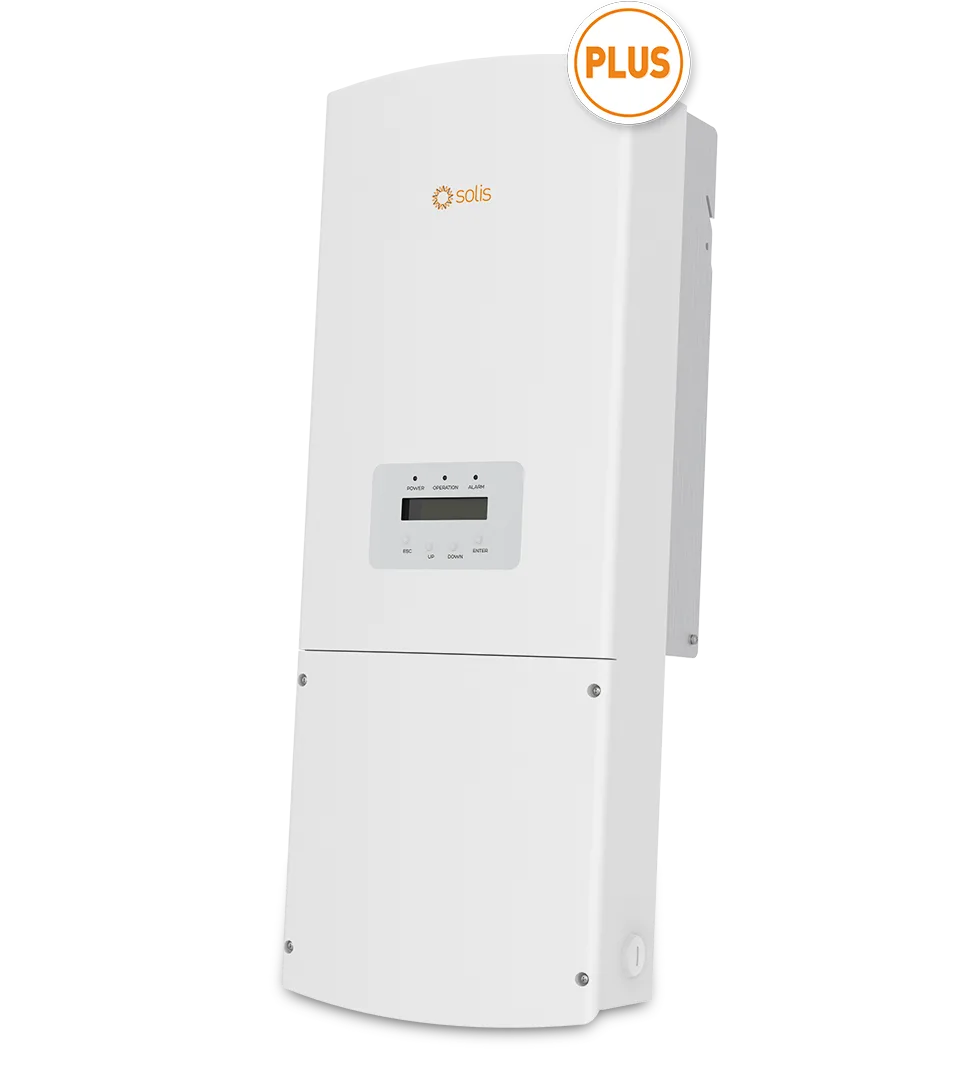 Single Phase PV Inverter
Solis-1P(3.6-5)K-4G-US
Proven and reliable, the Solis 3.6-5 kW single phase string inverter family has been deployed in the United States and Canada since 2011. It has dual MPPTs which can be utilized in complex design environments. The maximum input current per string is up to 14A, which is compatible with new high-power and bifacial PV modules, increasing power density and improving compatibility. Built-in transmitter options enable further system flexibility. This product line is also certified PVRSS and UL3741 com
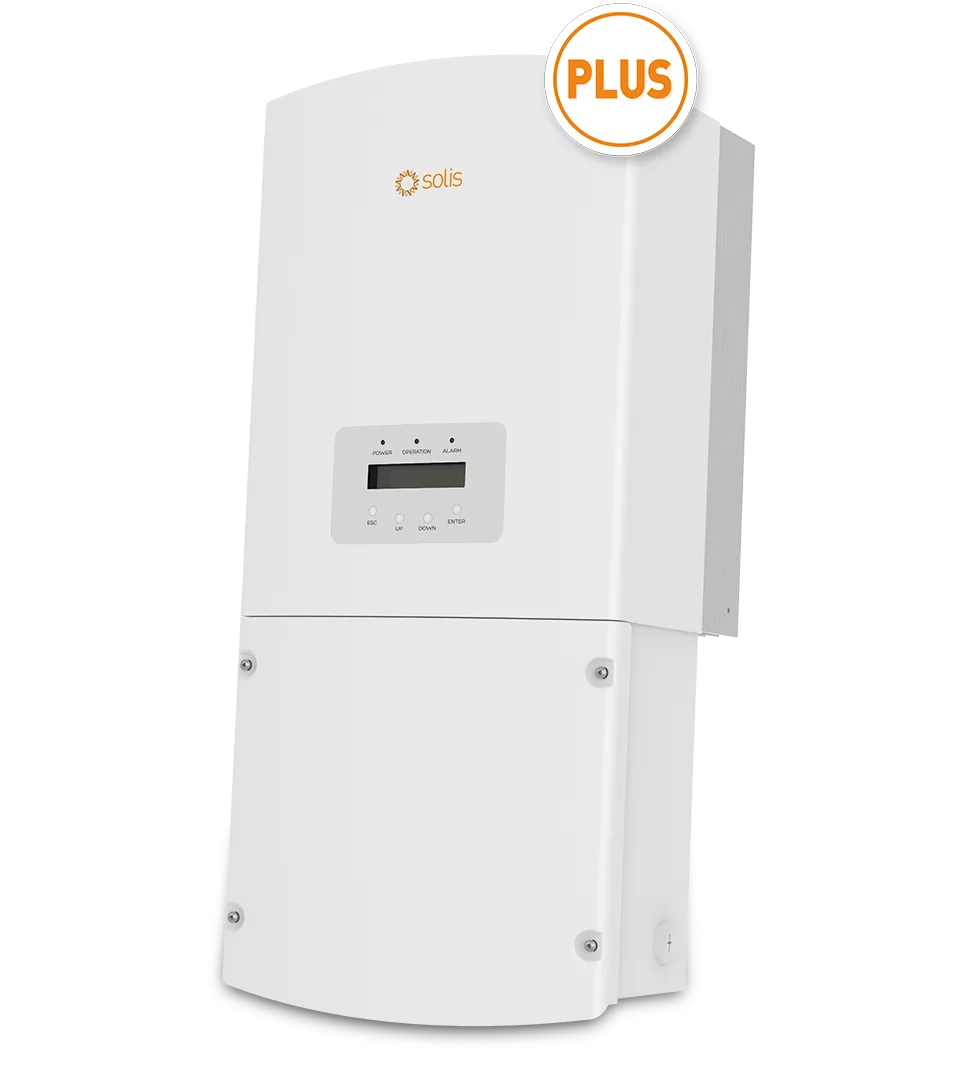 Single Phase PV Inverter
Solis-1P(6-10)K-4G-US
Proven and reliable, the Solis 6-10 kW single phase string inverter family has been deployed in the United States and Canada since 2011. It has up to 4 MPPTs which can be utilized in complex design environments and leads the industry in flexibility. The maximum input current per string is up to 14A, which is compatible with new high-power and bifacial PV modules, increasing power density and improving compatibility. Built-in transmitter options enable further system flexibility. This product lin
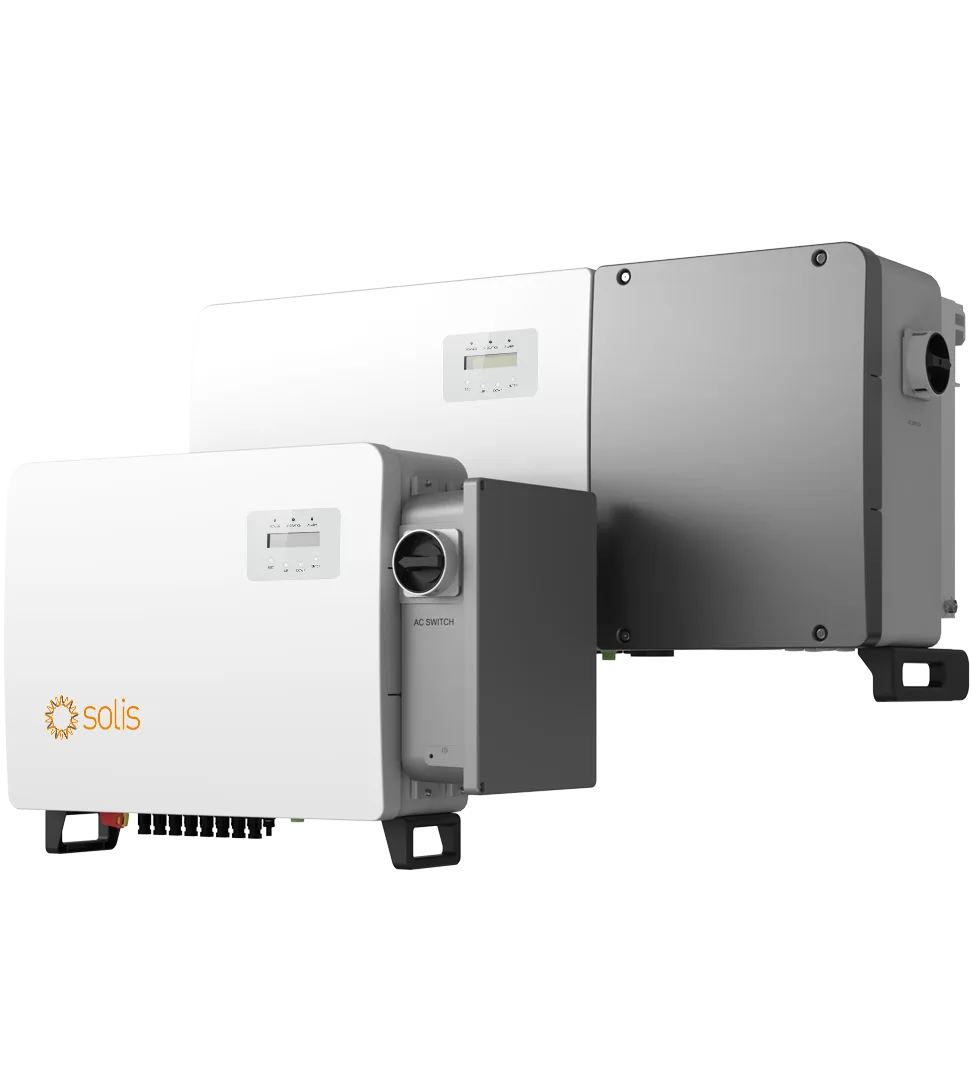 Three Phase PV Inverter
S6-GC30K-LV-US / S5-GC60K-LV-US
S6-GC30K-LV-US and S5-GC60K-LV-US string inverters are suitable for three-phase commercial rooftop PV projects with grid voltage of 240 or 208VAC. Both string inverters have high input currents, which enable support of larger PV modules without compatibility issues, better supporting power density and flexibility. Wider operating voltages support operation for longer periods throughout the day, resulting in better system yields. Commissioning, operations and management are simplified through sta