
Where should a beginner start with home solar and battery backup?
You do not need to understand every solar product before getting started. Begin with four ordinary questions about your bills, outages, house and buying route.
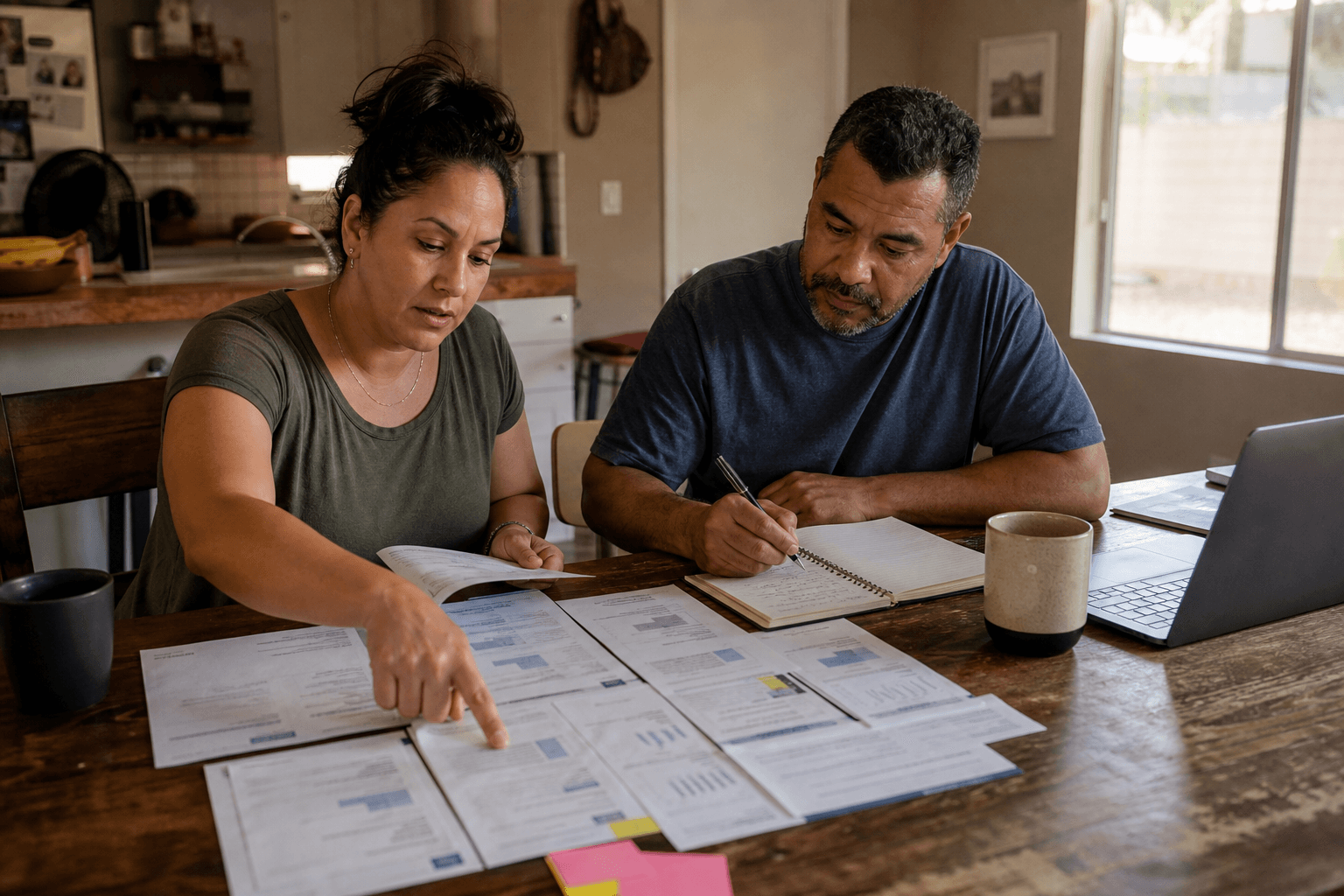
Most people do not start with a neat solar plan. They start with a higher electricity bill, another power outage, and a screen full of panels that all look much the same. Then come the questions: How many panels? Do brands matter? Is a battery necessary? Could used equipment save money?
If that is where you are, leave the product pages alone for an afternoon. A home solar system should be shaped around the house and the people living in it. Four things come first: how much electricity the home uses, what needs to keep running in an outage, whether the property is suitable, and what the local electricity company allows.
This guide explains that starting point in everyday language. It is not a wiring or installation tutorial. Roof work, electrical design, permits and the final installation belong with qualified local professionals.
Start with 12 electricity bills, not a panel brand
Download a full year of bills and write down the electricity used each month. Bills usually show this as kilowatt-hours, shortened to kWh. The name sounds technical, but here it simply means the amount of electricity the household used over time.
A full year matters because homes have seasons. Air-conditioning can make summer very different from spring. Electric heating can do the same in winter. A well pump, pool pump, workshop, electric vehicle or visiting family may create another jump. The highest month is useful, but so is the shape of the whole year.
Next, think about changes that have not reached the bill yet. Are you adding an electric vehicle, another air conditioner, a larger pump or a home extension? Is an old roof likely to be replaced soon? A system planned only around last month's bill may already be behind by the time it is installed.
The bill is a starting point, not a system size. Two homes using the same amount of electricity can need different plans because their roofs, shade, weather and daytime routines are different. An online estimate such as NREL's PVWatts can give a rough idea of production at a location. Treat the result as a planning estimate, not a promise.
- Collect 12 months of electricity use, not just the bill total in dollars.
- Circle the hottest or coldest months and note what was running more often.
- List any large new appliance, electric vehicle, pump or room you expect to add.
- Keep the electricity company's rate sheet or account rules with the bills.
What does 'backup' mean in your house?
This is where many early solar plans go off course. Keeping the refrigerator, a few lights, Wi-Fi and phone chargers running is one job. Adding a deep well pump, microwave and a small air conditioner is a bigger job. Running the whole house as if the outage never happened—central cooling, water heating, cooking, laundry and everything else—is bigger again.
Make two lists. The first is what must work. The second is what would be nice to have. During a long outage, most families are willing to change some habits. They may cool one part of the house, avoid using several large appliances together, or run the water pump at planned times. Those choices can change the battery and equipment needs more than switching from one panel brand to another.
A battery also has two separate jobs. It must hold enough electricity to last through the chosen hours, and it must be able to run the appliances that come on at the same time. A battery with plenty stored can still struggle if several demanding appliances start together. You do not need to calculate that alone. You do need to give the designer an honest list.
Solar panels by themselves usually do not keep an ordinary grid-connected home running when the grid goes down. For safety, most systems switch off. Outage power needs a system that was designed for backup, normally with suitable control equipment and battery storage. The quotation should say exactly which parts of the home will remain powered.
- Must run: refrigerator, basic lighting, internet, medical equipment and essential outlets.
- House-specific needs: well or booster pump, gate, sump pump, security and refrigeration for food or medicine.
- Comfort choices: fans, one air conditioner, central heating or cooling, cooking and hot water.
- Expected outage: a few hours, overnight, or several cloudy days with changed household habits.
Will solar panels keep my house running during a power outage?
Usually not on their own. Most normal grid-connected solar systems shut down when the grid fails. Backup has to be included in the design, with the equipment and wiring arranged to power the agreed parts of the home safely.
Does whole-home backup mean every appliance can run normally?
Only if the system was sized and designed for that use. Some products are described as whole-home systems but still have practical limits when large air conditioners, water heaters, pumps and cooking appliances run together. Ask for the supported appliance list in writing.
Check the house before choosing the hardware
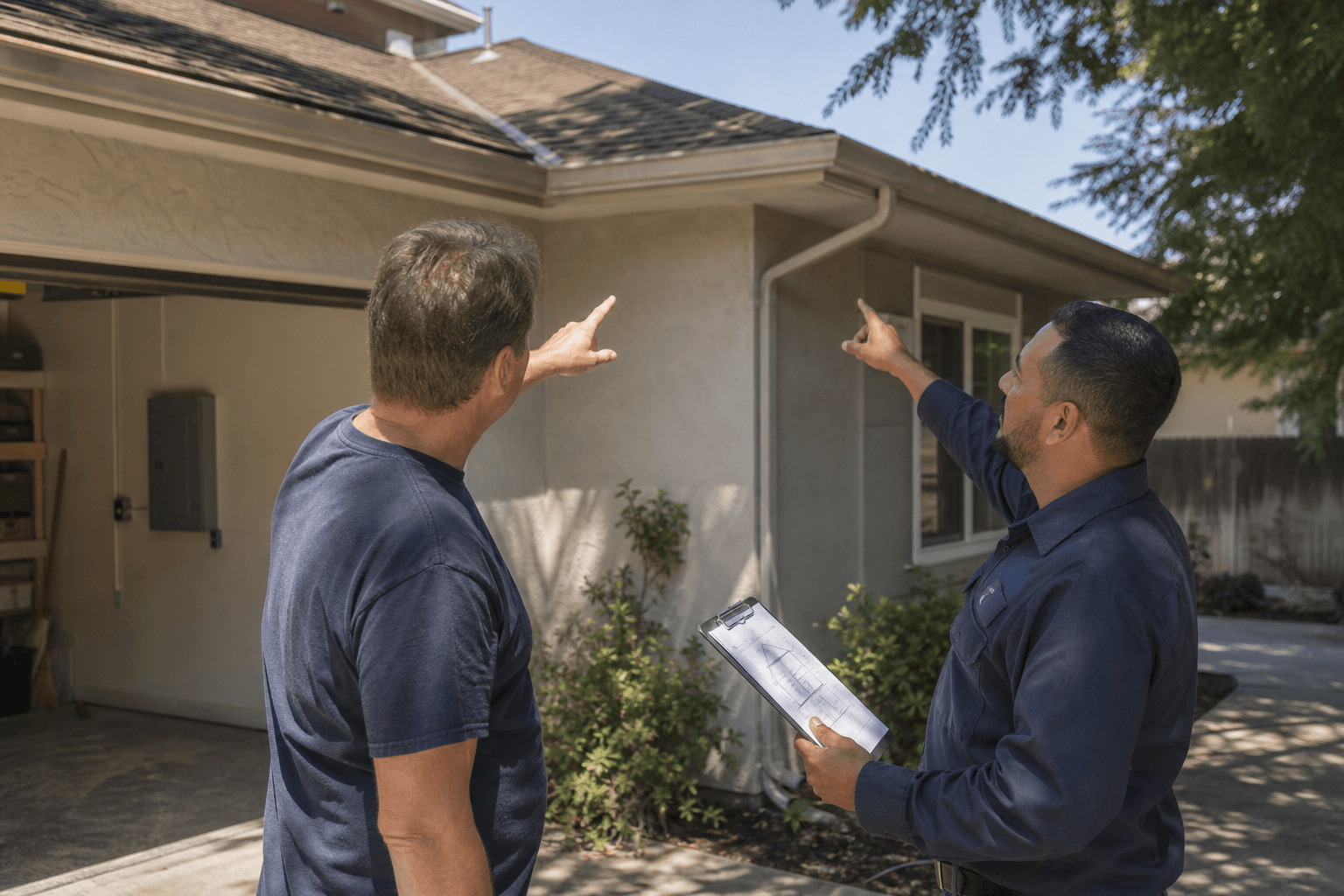
A large roof on a property listing is not the same as a large usable solar roof. Trees, chimneys, roof steps, vents and afternoon shade break up the space. Roof direction and slope affect how sunlight reaches it. East- and west-facing areas can still be useful; they simply produce at different times of day. A local roof and solar assessment should look at the real house rather than guessing from total floor area.
Roof condition matters just as much. If the roof will need replacing soon, doing that before or together with solar may avoid paying to remove and reinstall the panels later. The roof also needs a proper structural and mounting review. Looking sturdy from the driveway is not that review.
Then check the path inside the property. Where is the main electrical panel? Where could a battery be placed under local rules? Is there a well pump or other equipment away from the house? Which circuits would need backup? These questions affect the work and cost even though they rarely appear in a solar-panel advertisement.
Finally, call the electricity company or read its current written rules. Ask whether home solar can send unused electricity back to the grid, how credits are calculated, whether system size is limited, what fees apply and what application is required. A generous credit, a small credit and no export at all can lead to different plans. Do not build the financial case around a salesperson's summary of the utility rules.
- Roof age, material, usable areas and any planned roof work.
- Morning and afternoon shade from trees, nearby buildings and parts of the roof itself.
- Location of the main electrical panel, possible battery area and important equipment such as pumps.
- Written utility rules for applications, fees, system limits and credit for unused electricity sent to the grid.
Do brands matter, and are used panels worth it?
Brands matter, but not in the way a beginner is often told. A familiar name does not rescue a poor design. A less familiar product is not automatically bad. What matters is whether the exact model has clear documents, sensible warranty support, available replacements and someone willing to install and service it in your area.
For panels, compare the exact model, physical size, condition, warranty and the number that will actually fit. For the battery and the main power-conversion equipment—the box that manages power between the panels, battery, home and grid—local support and proven compatibility matter even more. A collection of individually good products does not automatically work as one good system.
Used panels can make sense for a shed, workshop experiment or another small project where the owner understands the limits. A whole-home roof is a different decision. A cheap used pallet may contain mixed models, hidden damage or panels with no useful warranty. Shipping, testing, matching, mounting and installer acceptance can erase part of the saving.
Before buying any owner-supplied equipment, talk to the electrician or installer who would take responsibility for the job. Ask whether they will design, permit, install and commission equipment bought elsewhere. Ask what documents they need and what work they will warranty. Buying first and looking for an installer later can leave expensive equipment sitting in a garage.
Can I buy solar equipment myself and hire an electrician to install it?
Sometimes, but confirm the arrangement before buying. Some qualified installers accept owner-supplied equipment; others will not take responsibility for its design, warranty or permit. The exact products also have to meet local and utility requirements.
Are used solar panels a good way to save money?
They can be useful for some small or non-critical projects. For a permitted whole-home system, check model consistency, condition, documents, remaining support, mounting fit and whether the responsible installer will accept them. The lowest panel price is not the full installed cost.
Ask for three comparable plans, not three sales pitches
Once the bills, backup list, house notes and utility rules are together, speak with more than one qualified provider. Give each one the same information. Otherwise, one company may quote basic bill reduction, another may include overnight backup, and a third may assume the whole house must run during an outage. Their prices will look different because they are solving different problems.
A useful proposal should show what the solar estimate is based on, which equipment is included, what happens in a blackout and which appliances the battery is expected to support. It should separate equipment, installation, permits, utility work and any ongoing fees. Warranty wording should make clear who handles the labour if equipment fails.
Be careful with one-number answers. House size alone cannot tell you how many panels are needed. Monthly electricity use alone cannot tell you the battery size. Panel wattage alone cannot tell you whether the system will run an air conditioner or well pump. The missing information is often more important than the confident answer.
A good first weekend is simple: download the bills, write the two outage lists and photograph the roof and electrical-panel locations from a safe distance. That will not produce a finished design. It will give an installer or supplier something real to work with—and it will make the next conversation much easier to understand.
- The same 12-month electricity record and future-load list given to every provider.
- A written explanation of what will and will not work during an outage.
- Expected solar production with the location, roof and shading assumptions shown.
- Exact equipment included, plus installation, permits, utility application and monitoring.
- Upfront cost, ongoing fees, warranty responsibility and any items left for another contractor.
- A clear list of decisions that still depend on a site visit or local approval.
How many solar panels does my house need?
There is no reliable answer from floor area alone. Start with a year of electricity use, the home's location, usable roof space, shade and future needs. Then compare a production estimate with the utility rules and the job you expect the system to do.
Related Articles
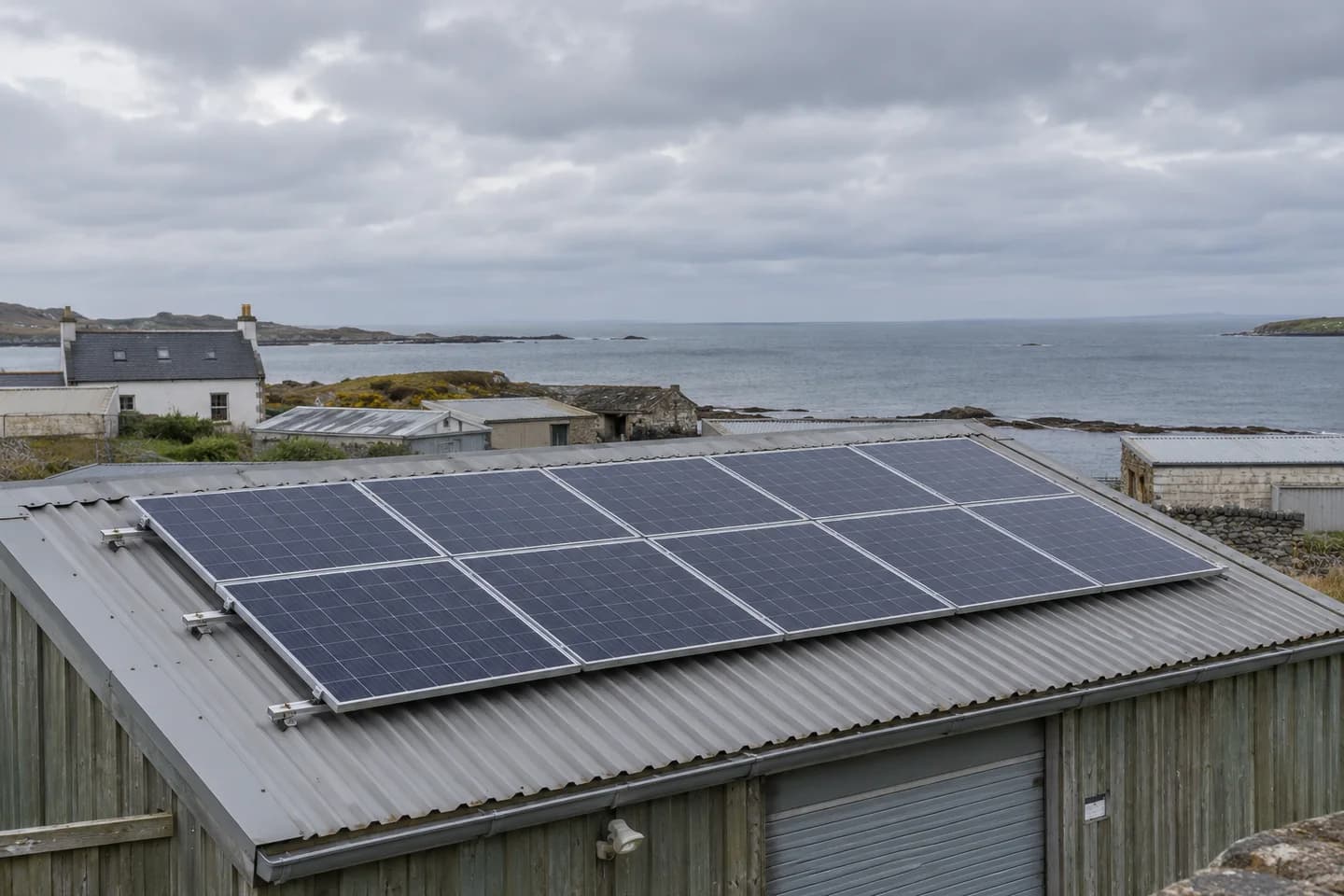
How do solar panels perform in clouds, heat, salt air and dust?
A panel's watt rating cannot describe every site. Learn what changes in cloudy, hot, coastal and dusty locations, and which details belong in a supply quote.
Read Article→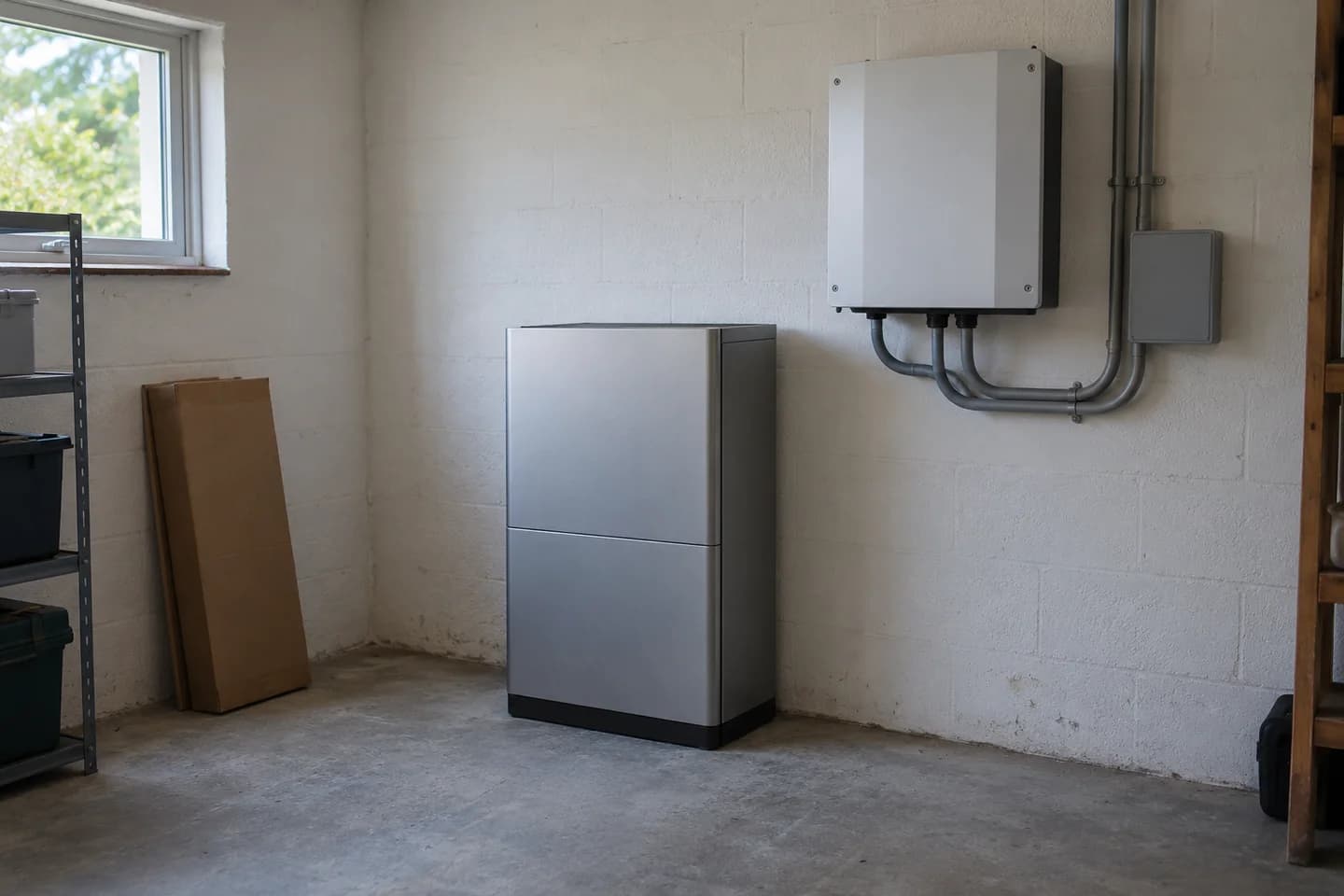
How to compare solar battery specifications before buying
Two batteries with the same kWh label can do different jobs. Here is how to read the numbers, check the missing details and compare like-for-like quotes.
Read Article→
Solar self-consumption and grid export: what equipment do you need?
For project buyers, installers and distributors: what to source as an equipment package, what to arrange locally, and what a useful supply quote should include.
Read Article→