How to verify certification requirements before ordering solar equipment
Confirm the exact model, scope, issuing body, destination requirement, and document validity before the purchase order—not after shipment booking.
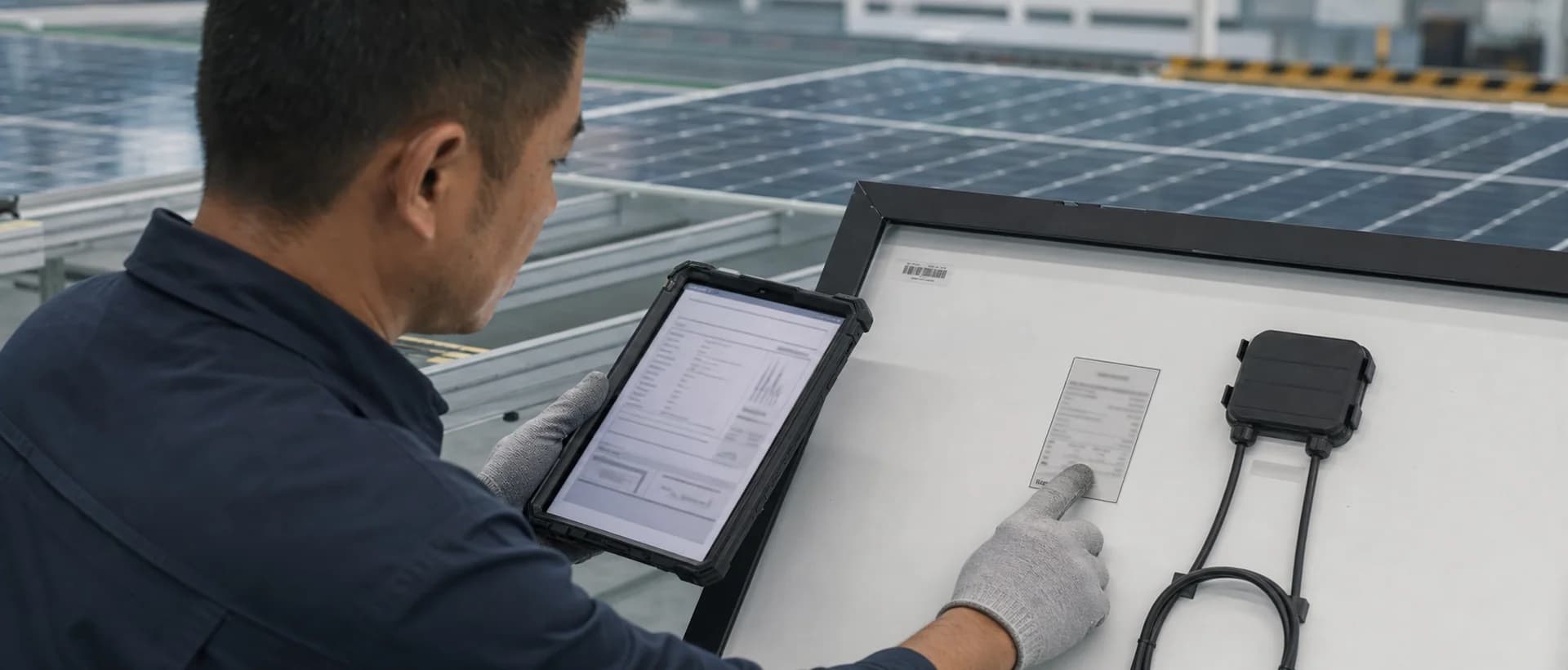
Certification review starts with the destination and the intended use. A module, inverter, or battery can carry a familiar standard reference and still be unsuitable for a particular market, utility program, building type, or application. Ask the buyer, EPC, installer, or local advisor for the actual requirement, then compare it with the exact product model being quoted.
Check the document itself, not only a logo or a marketing claim. Record the certificate holder, model designation, product family or construction scope, standard and edition, issuing body, issue date, expiry or surveillance status where applicable, and any conditions or exclusions. For PV modules, IEC 61730 is a safety qualification series and notes that national or local codes governing installation and use are additional requirements.
Keep technical approval separate from commercial approval. A quotation can state that a document is available or under review, but it should not promise market acceptance until the exact model and destination requirement have been checked. If a project needs a particular grid-code setting, fire classification, battery transport file, origin record, or local listing, make it a named condition in the RFQ and order review.
Before releasing the order, compare the model on the quotation, datasheet, certificate, packing list, and label artwork. This simple cross-check catches many errors caused by shorthand model names, substitutions, and product-family assumptions.
Verify scope, status, and destination relevance
A certification check begins with a question that is often missed: who requires this document, and for what decision? A customer may ask for a product safety report, while the local authority requires a separate listing or a grid operator requires model-specific settings. Record the request exactly so that the reviewer can tell whether the offered evidence meets it.
Then inspect the document's scope. Match the certificate holder, full model name or covered family, product construction where relevant, standard edition, issue date, and any stated limitation to the quotation. If the document is expired, under surveillance, or unclear in scope, do not convert that uncertainty into an approval claim. Ask the issuing body or responsible product channel for clarification.
- Destination, intended use, requester, and decision being supported: import, installation, grid connection, project acceptance, or another defined purpose.
- Full product model and configuration in the quotation, datasheet, label artwork, and document scope.
- Certificate holder, issuing body, standard/edition, issue date, validity or surveillance status, and stated exclusions.
- Separate records for product evidence, local listing/approval, grid-code setting, battery transport documents, and customer-specific conditions.
- Written status for every open item; do not describe pending review as approved market acceptance.
Can a certificate logo on a brochure be used as evidence?
No. Request the actual document and verify its model scope, issuer, status, standard reference, and relevance to the destination requirement.
Related Articles
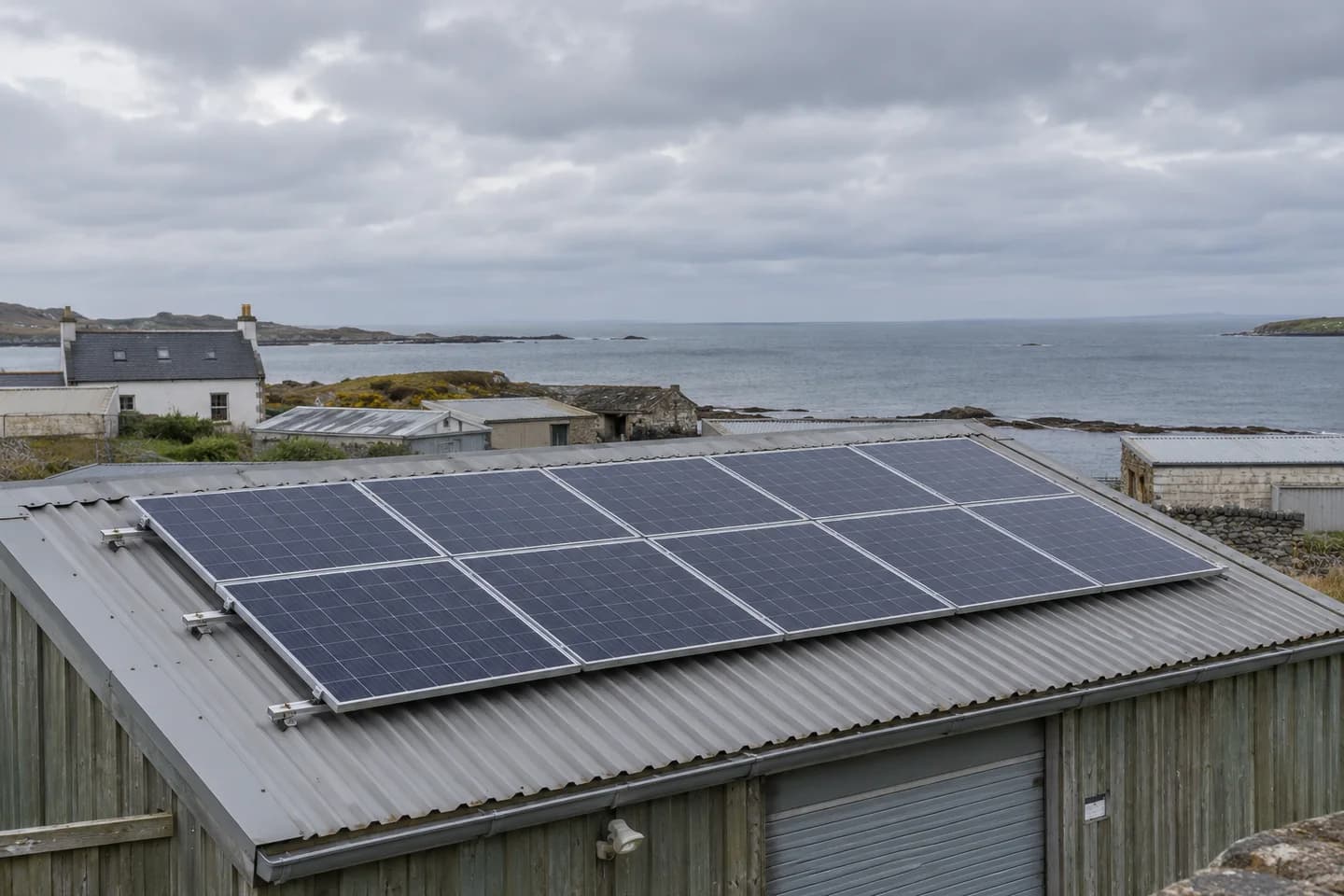
How do solar panels perform in clouds, heat, salt air and dust?
A panel's watt rating cannot describe every site. Learn what changes in cloudy, hot, coastal and dusty locations, and which details belong in a supply quote.
Read Article→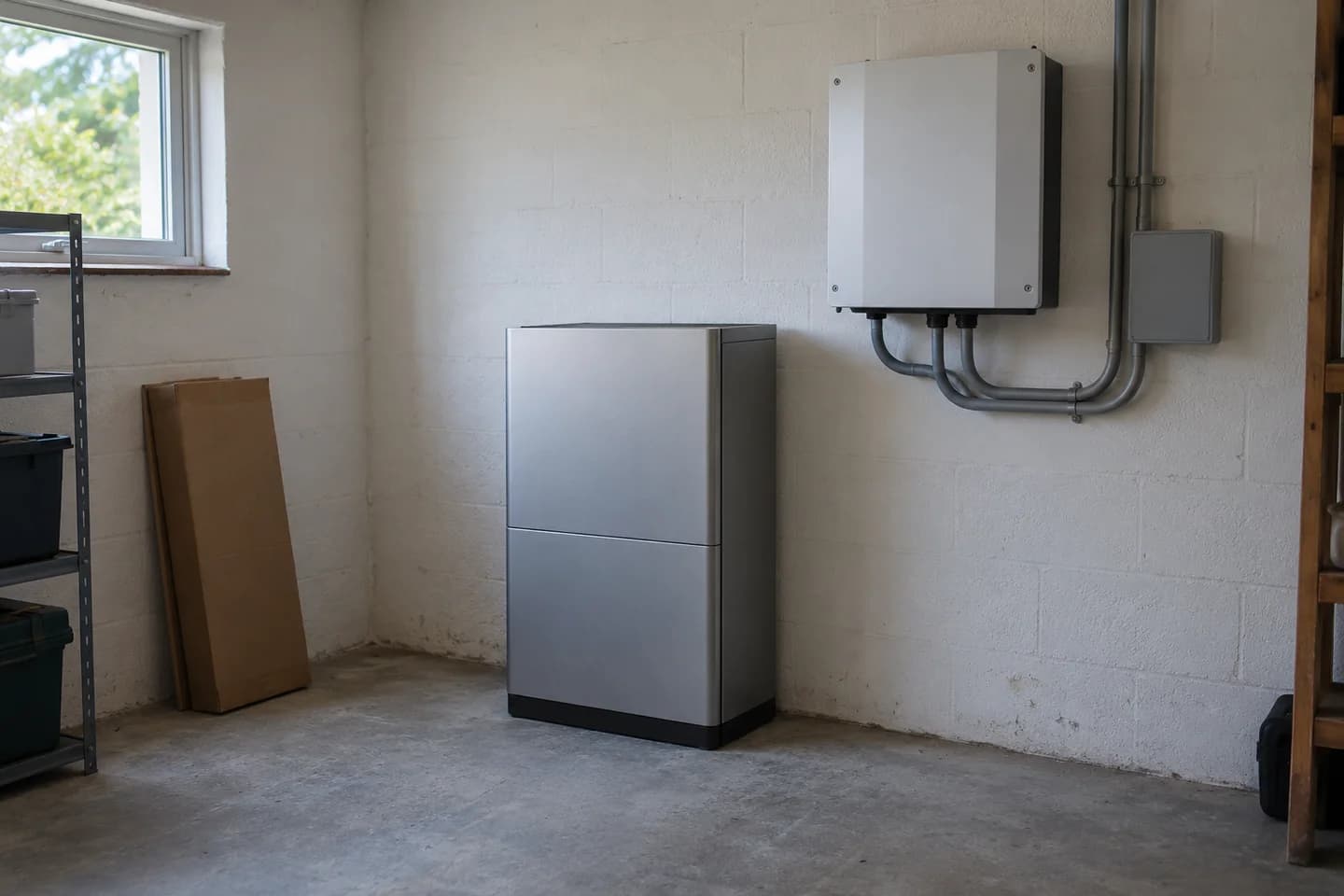
How to compare solar battery specifications before buying
Two batteries with the same kWh label can do different jobs. Here is how to read the numbers, check the missing details and compare like-for-like quotes.
Read Article→
Solar self-consumption and grid export: what equipment do you need?
For project buyers, installers and distributors: what to source as an equipment package, what to arrange locally, and what a useful supply quote should include.
Read Article→