10 risks to check before placing a solar project order
Most procurement problems begin as an unrecorded assumption.
Before ordering, review ten areas: approved product model; electrical compatibility; physical compatibility; destination requirements; certificate scope; battery transport status; document revision; quantity and packing; delivery term and named place; and substitution or change control. The purpose is not to create paperwork for its own sake. It is to make the assumptions visible while they are still cheap to correct.
Assign an owner and evidence to every open point. A document register, configuration sheet, and delivery plan are usually enough for a manageable project. Where a question concerns local code, structural design, grid approval, or site safety, route it to the qualified local professional or authority rather than treating a generic product document as a final answer.
Use a short risk register before release
A useful risk register names the issue, what evidence closes it, who owns the answer, and the latest date the answer is needed. It is not a long legal checklist. The goal is to stop a commercial decision from being treated as a technical confirmation, or an available document from being treated as destination approval.
Run the review before a purchase order, again before production is released if a configuration is still open, and once more before shipment booking. This creates a clear point at which the buyer can accept a known exception or defer the shipment until it is resolved.
- Model and configuration match the approved design, including electrical limits, physical fit, and accessories.
- Destination requirements have an owner and model-specific evidence; local approvals are not assumed.
- Battery items have a transport plan matched to the actual product and route.
- Document revisions, labels, packing, quantities, and invoice descriptions are controlled together.
- Delivery term, named place, importer responsibility, inspection point, and change/substitution process are written down.
Who should close technical and local-code risks?
The qualified party responsible for that scope—such as the project engineer, installer, local consultant, utility, or authority—should make the decision. Procurement should record the evidence and status.
Escalate risks while there is still a choice
A risk that has no owner is not closed; it has only been deferred. Set a decision date before the production, inspection, or booking milestone that would make the issue expensive to change. If evidence cannot be obtained by that date, give the buyer a clear option: accept a documented exception, select another configuration, split the shipment, or postpone release.
This is particularly important for product substitutions, destination-specific requirements, battery transport, and local grid or installation questions. A concise escalation record is more valuable than an optimistic promise in a quotation.
Should every risk stop the order?
No. The buyer can accept a known commercial or schedule risk, but the decision should be explicit and made by the party with authority. Unresolved safety, code, or product-suitability questions should go to the appropriate qualified reviewer.
Related Articles
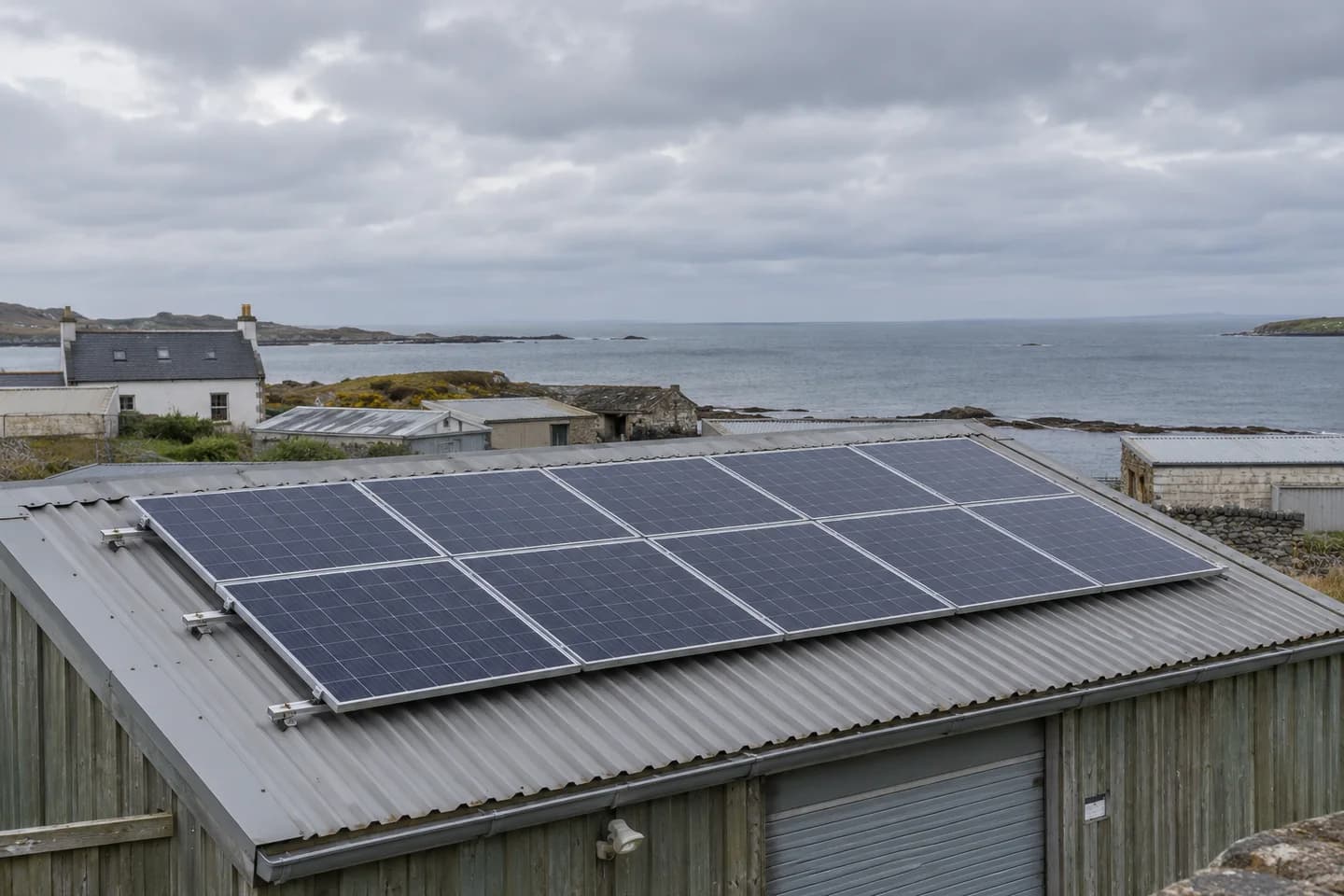
How do solar panels perform in clouds, heat, salt air and dust?
A panel's watt rating cannot describe every site. Learn what changes in cloudy, hot, coastal and dusty locations, and which details belong in a supply quote.
Read Article→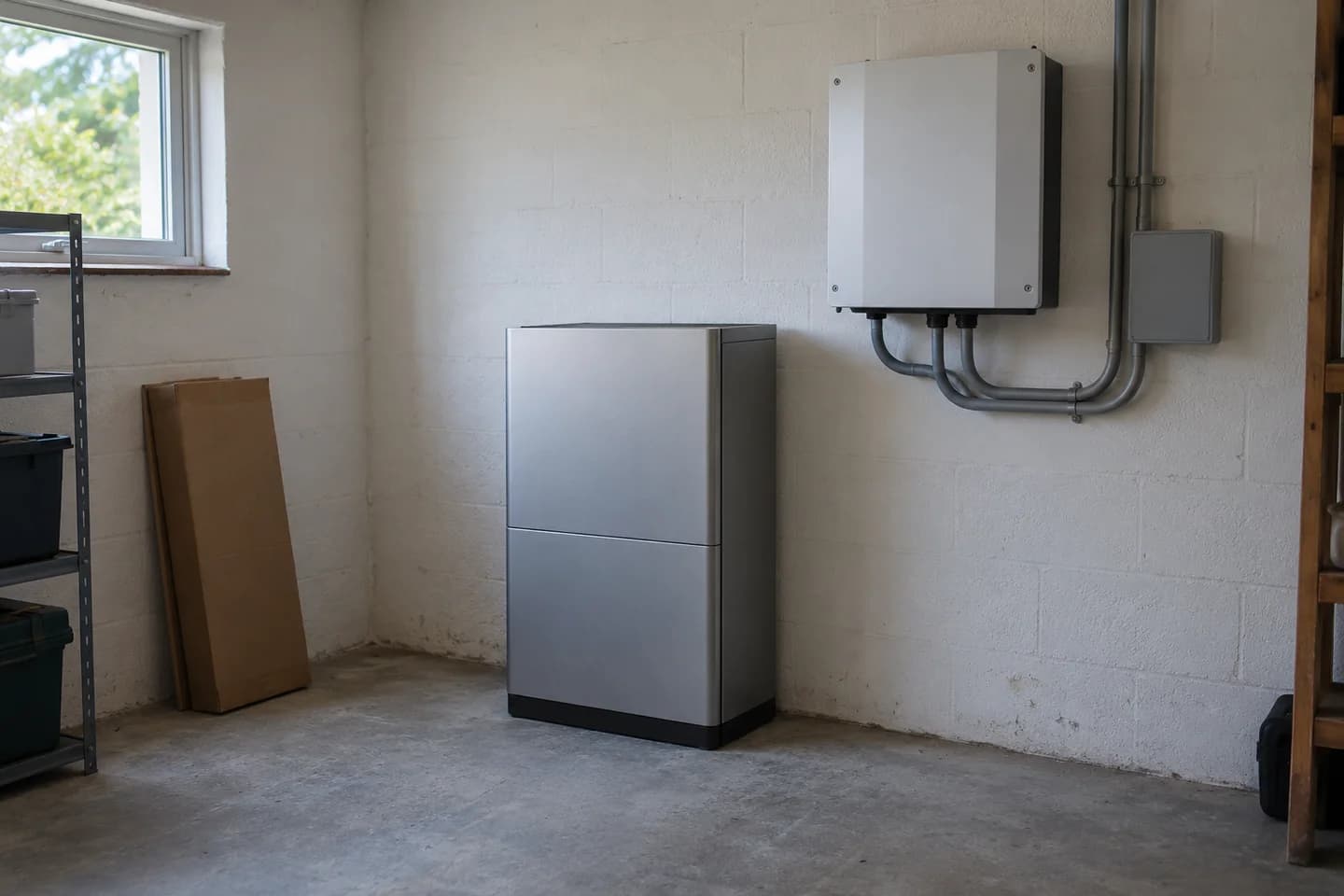
How to compare solar battery specifications before buying
Two batteries with the same kWh label can do different jobs. Here is how to read the numbers, check the missing details and compare like-for-like quotes.
Read Article→
Solar self-consumption and grid export: what equipment do you need?
For project buyers, installers and distributors: what to source as an equipment package, what to arrange locally, and what a useful supply quote should include.
Read Article→