
How to read a solar module datasheet before ordering
Check the model identifier, electrical limits, physical dimensions, and referenced documents before comparing headline power.
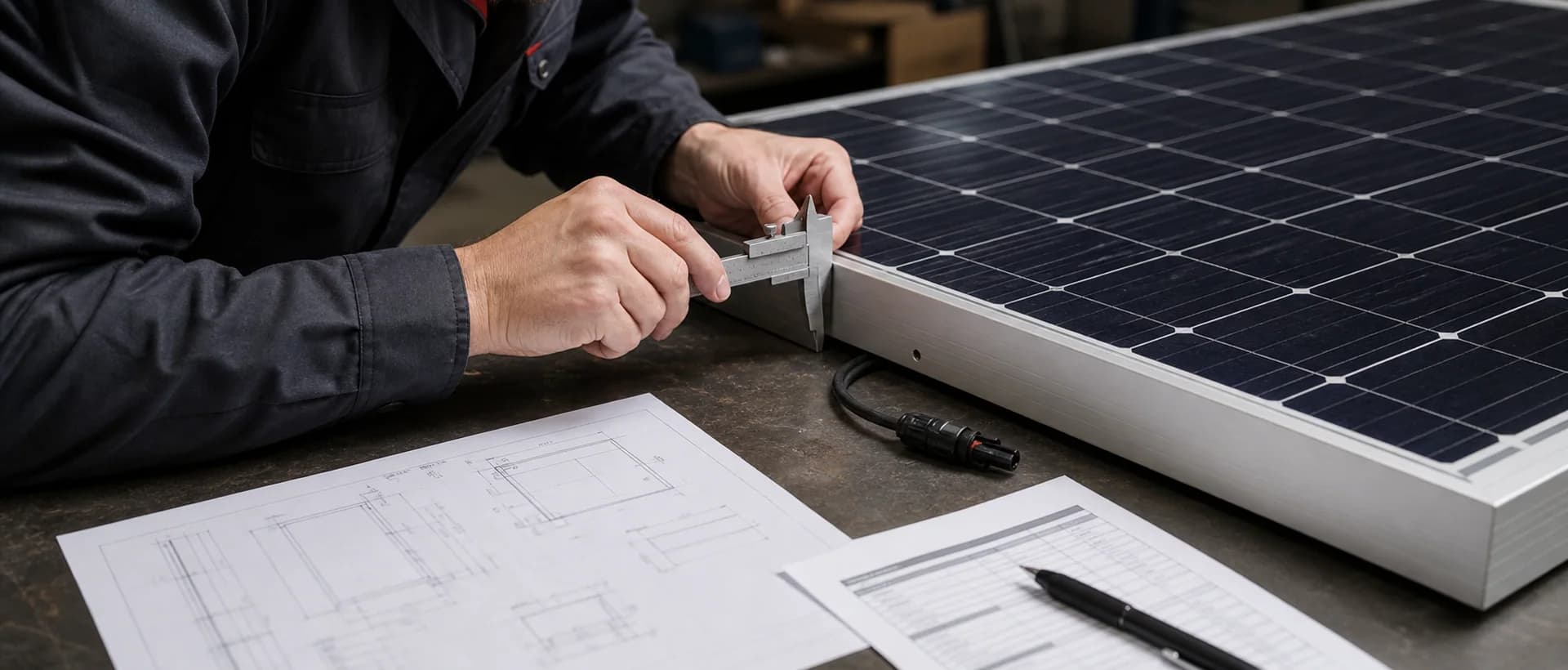
Read the datasheet as an identification document first. Confirm the full model name, product family, rated power range, dimensions, weight, maximum system voltage, current values, connector information, operating conditions, and warranty reference. Then compare the figures with the project design and mounting plan.
Use the datasheet together with—not instead of—the applicable certificate and installation documentation. If a requirement is critical to the project, ask for the exact supporting document and confirm that its scope covers the quoted model. This is more reliable than comparing a few marketing figures across unrelated product families.
Read the electrical and physical limits together
The datasheet is a starting point for design review, not a substitute for it. Rated power is measured under stated test conditions and should be read with open-circuit voltage, short-circuit current, operating voltage/current, temperature coefficients, and maximum system voltage. These values must be evaluated against the inverter and string design by the responsible designer.
The physical side matters just as much: dimensions, mass, frame, mounting or clamp zones, connector type, cable length, and permitted mechanical loads affect mounting selection, handling, transport, and installation. Make sure the quotation uses the same full model identifier as the datasheet being reviewed.
- Full model code, power bin or range, datasheet revision, and warranty reference.
- Voltage/current parameters, maximum system voltage, temperature coefficients, and intended string-design review.
- Dimensions, mass, frame, connector, cable, clamp or mounting guidance, and mechanical-load information.
- Certificate and installation-document references that are requested for the exact quoted model.
- Comparison against the approved design, site conditions, mounting plan, and destination requirements.
Is a higher wattage module automatically the better choice?
No. It may change dimensions, current, string design, mounting, availability, approvals, and transport. Compare the exact model against the complete project requirement.
Ask the right questions when comparing two datasheets
Compare like with like. A module's rating, dimensions, electrical limits, test conditions, and warranty wording may differ across product families. A small gain in nameplate power may change current limits, module count, handling weight, mounting detail, or the project document set. Put those differences beside the design assumption rather than comparing a single number.
If a datasheet uses a family name or power range, ask which exact code will appear on the quotation, label, packing list, and supporting documents. If the supplier cannot tie the offered code to the datasheet revision and requested evidence, keep the selection open rather than converting product-family shorthand into an order error.
What should be verified if the offered module is a different power bin?
Verify the full model code, electrical values, dimensions and mass, string/inverter review, mounting and packing implications, documents, warranty reference, and any project approval condition—not only the rated power.
Related Articles
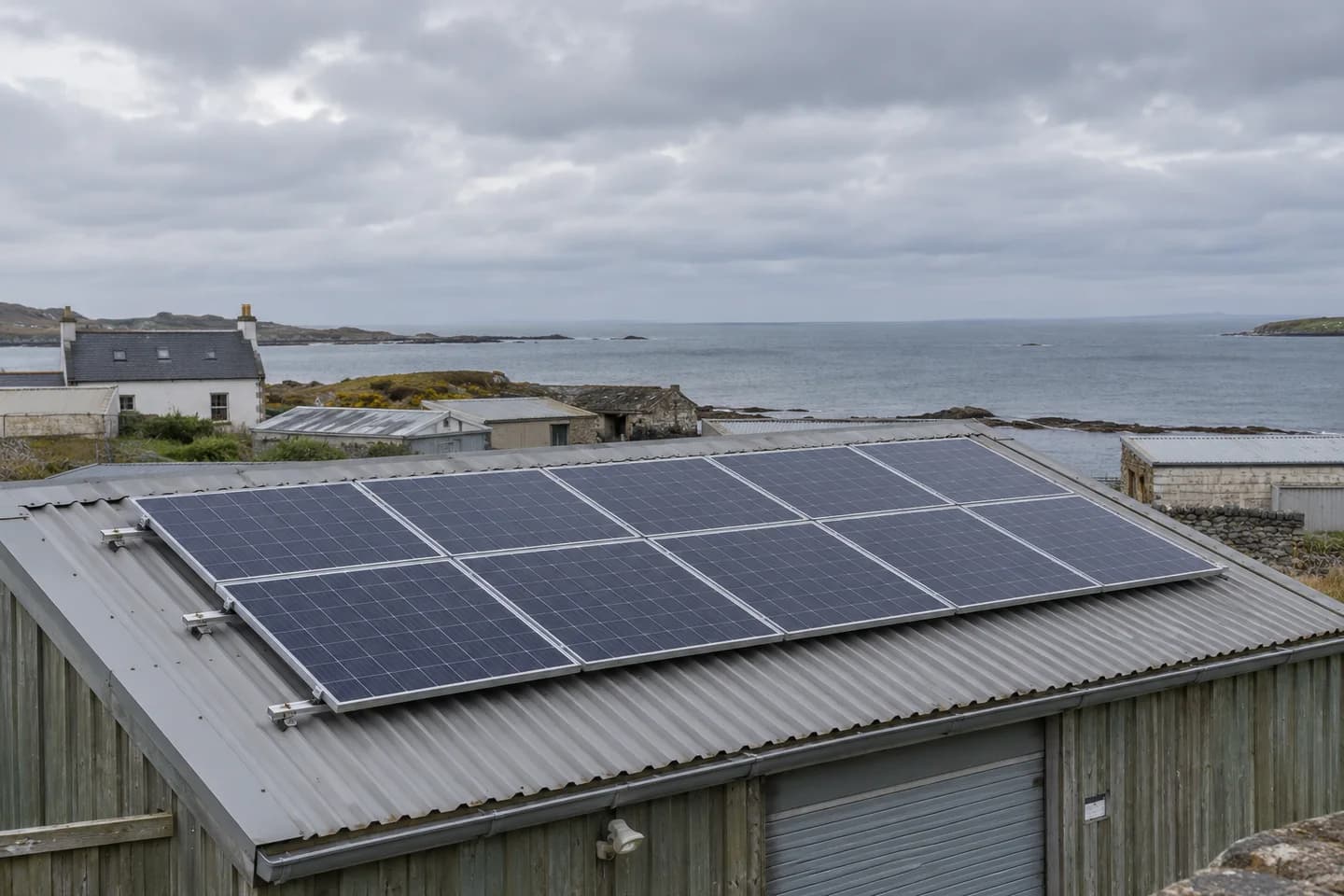
How do solar panels perform in clouds, heat, salt air and dust?
A panel's watt rating cannot describe every site. Learn what changes in cloudy, hot, coastal and dusty locations, and which details belong in a supply quote.
Read Article→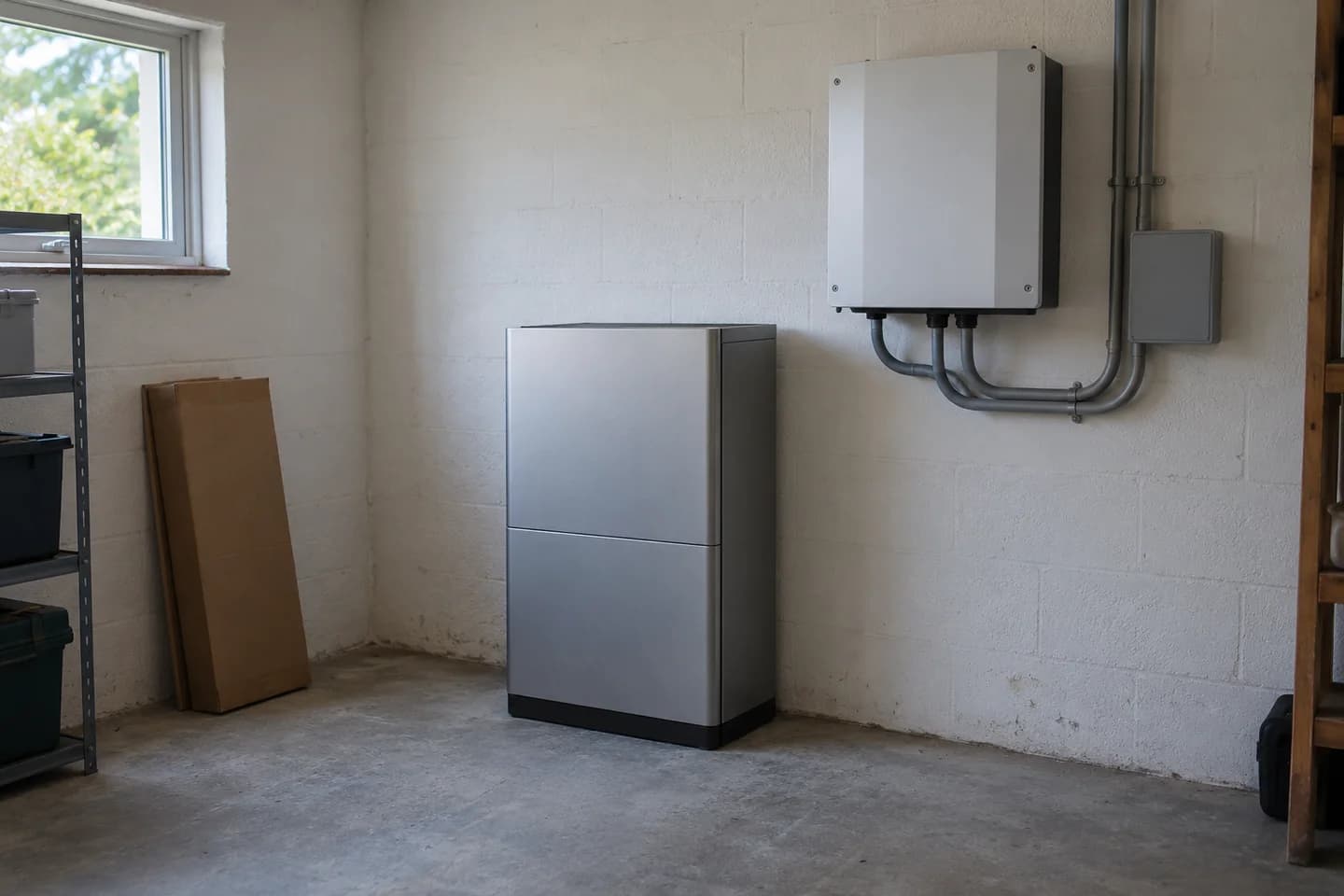
How to compare solar battery specifications before buying
Two batteries with the same kWh label can do different jobs. Here is how to read the numbers, check the missing details and compare like-for-like quotes.
Read Article→
Solar self-consumption and grid export: what equipment do you need?
For project buyers, installers and distributors: what to source as an equipment package, what to arrange locally, and what a useful supply quote should include.
Read Article→