
How to build a phased delivery plan for multi-product solar projects
Split delivery around installation dependencies and acceptance points, not arbitrary shipment dates.
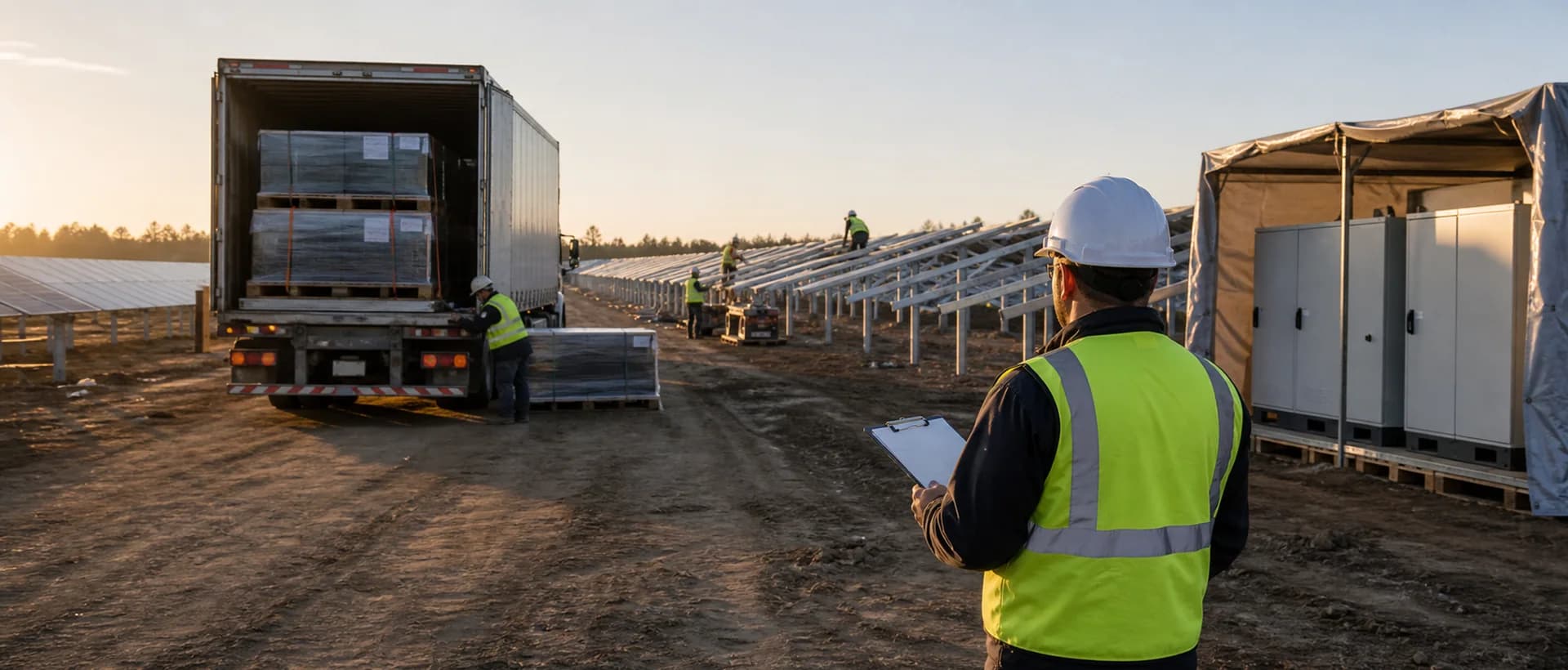
Map the site sequence first: civil work, mounting readiness, module installation, inverter or battery installation, commissioning, and spare-part needs. Then identify which materials must arrive before each milestone and which can follow. A phased plan should list models, quantities, readiness date, document status, inspection point, shipment window, and delivery term for each lot.
Keep substitution control in the plan. If a product model, document revision, or packing configuration changes, show who reviews the effect on the design, approval, and delivery schedule. This is especially important when several supply partners or transport legs are involved.
Set delivery gates that reflect the site sequence
A delivery schedule becomes useful when it answers two questions: what must be present for the next installation activity to proceed, and what proof is needed before that lot can be released? A container date alone cannot answer either. Link each lot to a site milestone and show the latest acceptable arrival date, the expected inspection point, and the owner of any open documentation or design decision.
Leave a documented path for change. A revised production date, an accessory substitution, or a missing document can affect a later commissioning activity even if the principal equipment is ready. Review the impact with the project party that controls the schedule rather than silently moving items between lots.
- Site milestone and dependency: mounting-ready, module installation, electrical room readiness, commissioning, or spares handover.
- Exact model, quantity, packing state, and document status for each delivery lot.
- Inspection or acceptance point, responsible reviewer, and release evidence before booking.
- Agreed delivery term, named place, transport window, and importer readiness.
- Change-control owner and the required review if a model, document, quantity, or packing configuration changes.
Should modules always ship first?
Not automatically. Sequence should follow the approved site plan, storage capacity, construction readiness, commissioning dependencies, and transport constraints.
Plan for site readiness, not only goods readiness
Goods can be ready while a site is not ready to receive, store, inspect, or install them. Before fixing a delivery window, confirm access, unloading equipment, protected storage, insurance or custody arrangements, and the presence of the party who will accept the lot. These details are especially important for modules, batteries, and long mounting components.
A phased schedule should also retain a recovery plan. If a lot moves, decide whether the next lot can still ship, which documents need amendment, and who tells the installer or importer. Small gaps in this coordination can create avoidable demurrage, storage, or installation delays.
What is the best delivery milestone?
Use a milestone that can be verified, such as mounting-ready with approved model documents, electrical room ready for equipment, or agreed commissioning window—not a calendar date alone.
Related Articles
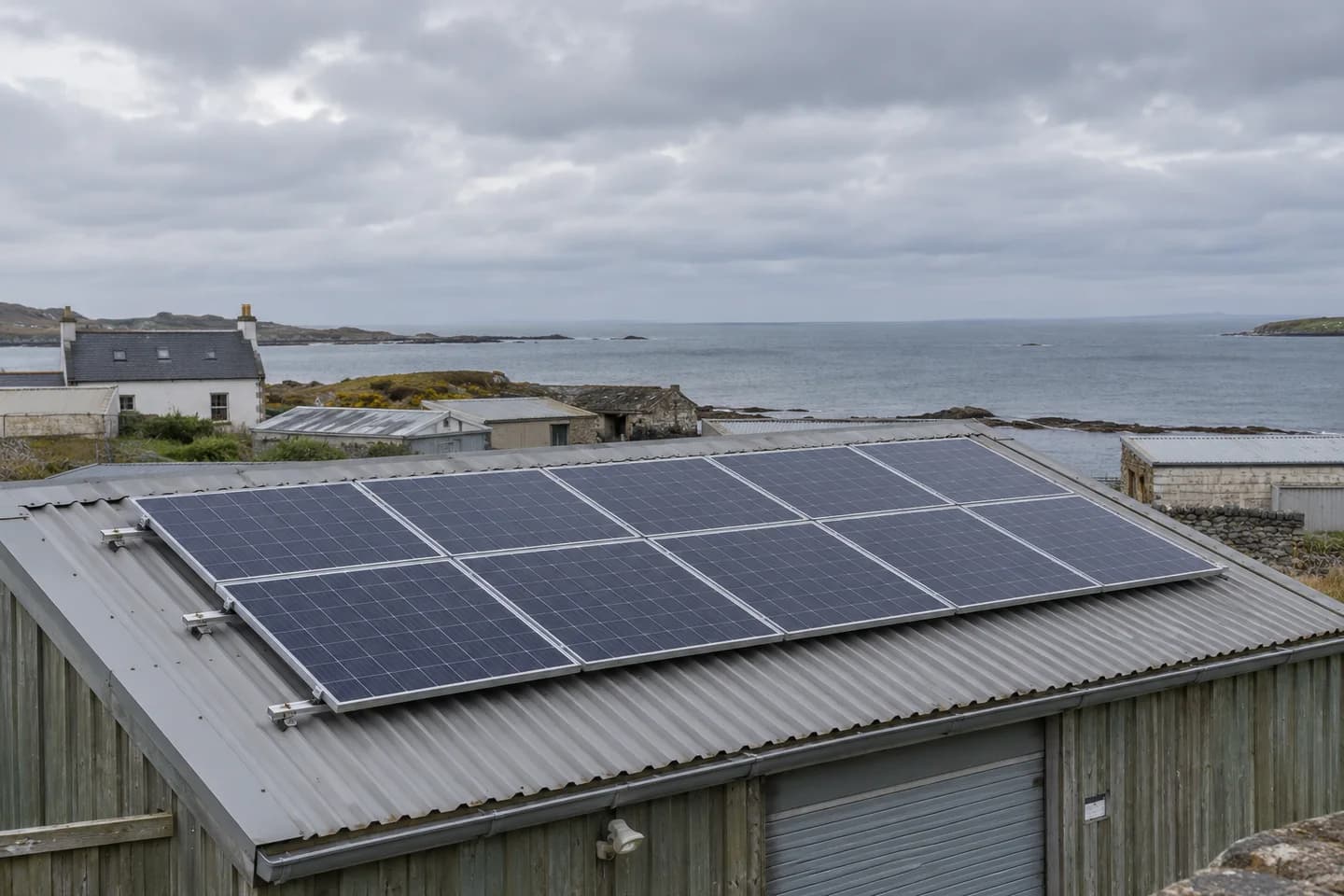
How do solar panels perform in clouds, heat, salt air and dust?
A panel's watt rating cannot describe every site. Learn what changes in cloudy, hot, coastal and dusty locations, and which details belong in a supply quote.
Read Article→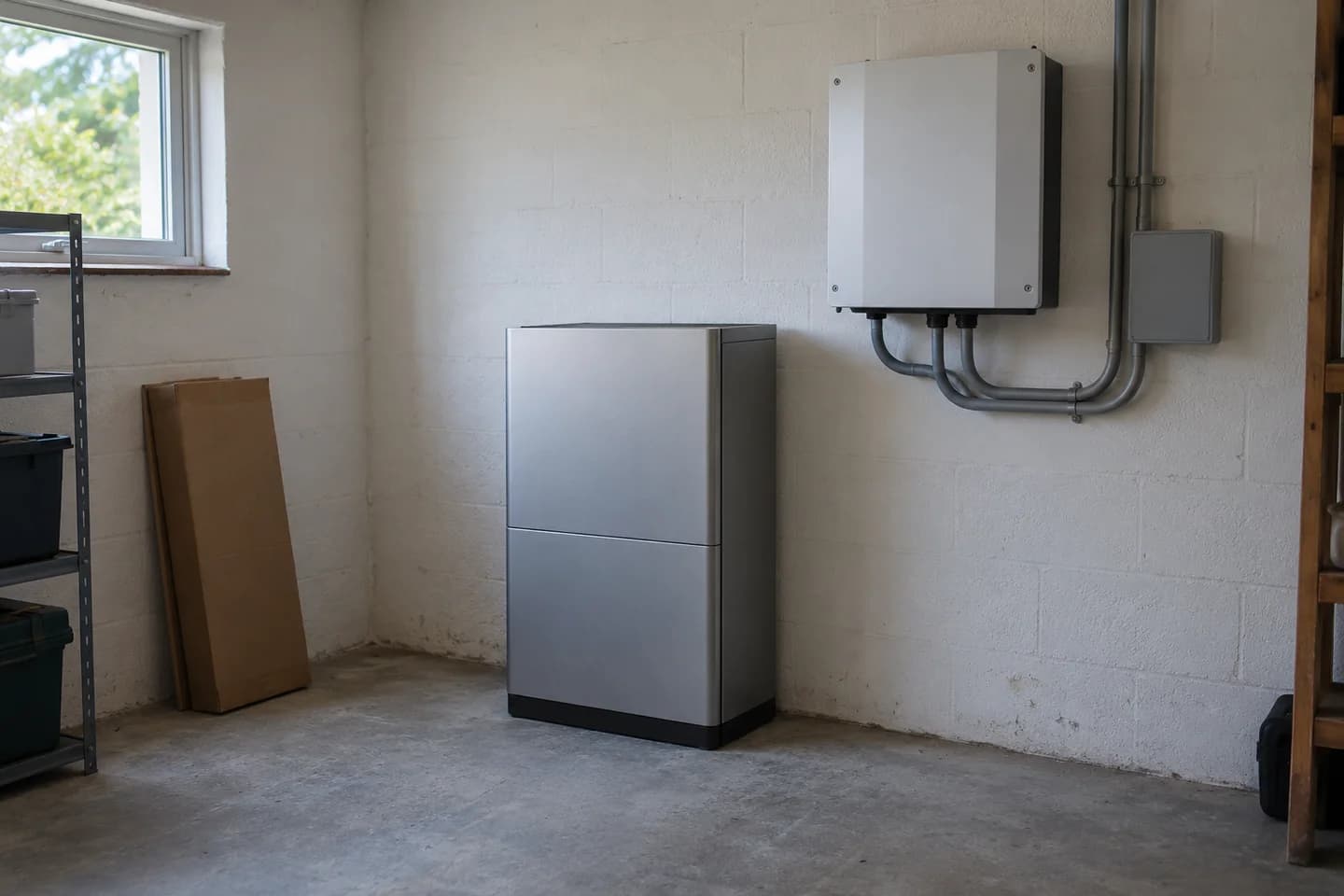
How to compare solar battery specifications before buying
Two batteries with the same kWh label can do different jobs. Here is how to read the numbers, check the missing details and compare like-for-like quotes.
Read Article→
Solar self-consumption and grid export: what equipment do you need?
For project buyers, installers and distributors: what to source as an equipment package, what to arrange locally, and what a useful supply quote should include.
Read Article→