
FOB, CIF, or DAP: choosing trade terms for solar equipment procurement
Choose the rule only after defining the transport mode, named place, insurance expectation, and import responsibility.
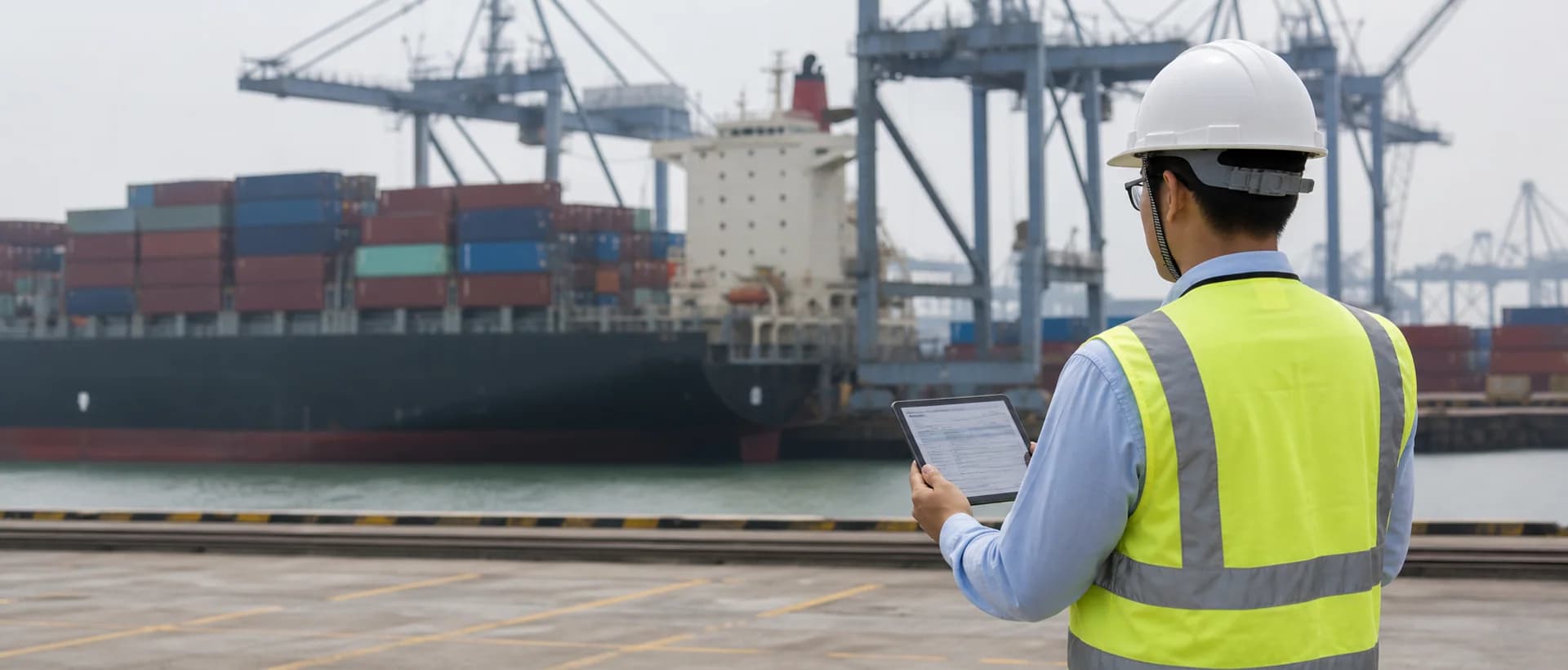
Incoterms® rules allocate defined costs, risks, and obligations between buyer and seller, but they do not settle payment terms, product acceptance, title, or every logistics detail. Start by identifying the transport mode and the party that can manage export, main carriage, insurance, import clearance, and final delivery.
Use the full rule and named port or place in the quotation and purchase order. Review the allocation with the forwarder and commercial team before booking, particularly when batteries or multiple shipments are involved. If the contract needs obligations beyond the selected rule, write those separately rather than assuming the Incoterms® term covers them.
Select a term from the real logistics plan
FOB is for sea or inland-waterway transport and delivery occurs when the goods are on board the vessel at the named port of shipment. It is therefore not a generic shorthand for 'seller handles export'. For containerised or multimodal movement, the suitable term should be assessed with the actual handover point and carrier arrangement in mind.
CIF and DAP also answer different questions. Under CIF, the seller arranges carriage and insurance to the named destination port, but delivery and risk transfer occur earlier at the port of shipment. Under DAP, delivery is at the named destination before unloading, while import formalities are normally for the buyer. Use the ICC wording and seek legal or trade advice where the contract needs more than the rule provides.
- Transport mode and actual handover point, including whether the shipment is containerised or multimodal.
- Precise named port, place, or point; avoid naming only a country or city when a terminal or address matters.
- Party responsible for export, carriage, insurance, import clearance, duties/taxes, unloading, and final delivery.
- Whether the selected rule's risk transfer matches the buyer's insurance and operational capability.
- Separate written terms for payment, inspection, title, warranties, delays, and product acceptance.
Does CIF mean risk passes at the destination port?
No. Under CIF, carriage and insurance are arranged to the named destination port, but delivery and risk transfer occur when the goods are loaded on board at the port of shipment.
Write the trade term so it can be operated
The quotation and purchase order should state the chosen rule, the precise named place or port, and 'Incoterms® 2020'. Then write separate commercial clauses for matters the rule does not settle, such as payment, inspection, title, warranty, delay remedies, document timing, and product acceptance. This prevents a logistics term from being stretched into a complete contract.
Ask the forwarder to review the operational handover. The selected word may be familiar, but the real question is where the goods are handed over, who can perform each customs step, and whether the buyer understands the point at which risk changes.
Is DAP the same as delivered and unloaded?
No. Under DAP, delivery is at the named destination before unloading. DPU is the rule that requires the seller to unload at the named destination. Confirm the exact wording and practical responsibilities in the contract.
Related Articles

What does a one-stop solar system supplier actually provide?
Need panels, an inverter, batteries and the parts to put them together? Here is how Rongkai helps turn a project requirement into a coordinated supply package.
Read Article→
How do solar panels perform in clouds, heat, salt air and dust?
A panel's watt rating cannot describe every site. Learn what changes in cloudy, hot, coastal and dusty locations, and which details belong in a supply quote.
Read Article→
How to compare solar battery specifications before buying
Two batteries with the same kWh label can do different jobs. Here is how to read the numbers, check the missing details and compare like-for-like quotes.
Read Article→